Carbon Dioxide Measurement and Monitoring in Chicken Houses
Carbon dioxide (CO2) sensors in poultry houses are used to monitor and control air quality in environments where chickens, turkeys, ducks, and other poultry live and are raised. These sensors are important for monitoring, controlling, and optimizing CO2 levels inside the poultry house.
CO2 is a gas that reduces air quality in poultry houses and can cause respiratory problems in animals. High CO2 levels in poultry houses can also negatively affect the growth and development of animals. The ideal value for CO2 levels in poultry houses varies according to the type of animal raised and the conditions of the house.
In general, it is recommended that the CO2 level inside the poultry house be below 3000 ppm. Exceeding 3000 ppm of CO2 can negatively affect the health and welfare of animals.
Why Should Carbon Dioxide Measurement Be Performed in Poultry Houses?
Carbon dioxide (CO2) sensor measurement in poultry houses is performed to monitor and control a range of factors that can have significant effects on the health and productivity of chickens, turkeys, ducks, and other poultry.
Indoor Air Quality: CO2 sensors are used to monitor the indoor air quality of the poultry house. High CO2 levels can cause oxygen deficiency and make the air unpleasant. This can lead to negative effects on the health and comfort of the animals.
Respiratory Health: High CO2 concentrations can lead to respiratory diseases and stress in poultry. Therefore, keeping CO2 levels under control can help improve respiratory health.
Temperature and Humidity Control: CO2 sensors can work integrated with temperature and humidity control systems. High CO2 levels can also affect the temperature and humidity balance of the poultry house. Therefore, CO2 measurements can help maintain appropriate climate conditions.
Energy Efficiency: CO2 sensors can increase energy efficiency by reducing unnecessary ventilation times. This can lower energy costs and reduce environmental impacts.
Productivity and Yield: Good indoor air quality can increase the productivity of poultry. Better respiratory health can encourage faster growth and higher egg yield.
Early Warning: CO2 sensors can detect dangerous situations such as sudden gas leaks or ventilation problems. This can help in identifying situations that require emergency intervention.
In conclusion, CO2 sensor measurement in poultry houses is important for improving the health, welfare, and productivity of animals, increasing energy efficiency, and providing early warning against negative conditions. These measurements provide data for farm managers to make better decisions and help poultry houses become more sustainable and efficient.
Importance of Carbon Dioxide Sensors in Poultry Houses
Air quality in the environment where poultry animals live is critical for their health and growth performance. Factors such as high carbon dioxide levels, low oxygen levels, and high humidity can result in stress, diseases, and low yield in chickens. CO2 sensors are used to monitor these negative conditions.
CO2 sensors provide feedback to climate control systems by measuring CO2 levels inside the poultry house. These systems can optimize air quality by adjusting CO2 levels. At the same time, they monitor other parameters such as temperature, humidity, ventilation, and lighting, and regulate CO2 levels along with these parameters. In some poultry houses, CO2 enrichment applications may be performed. This can be done for plant cultivation or for the purpose of increasing the growth performance of animals. CO2 sensors are used to monitor and control such enrichment applications.
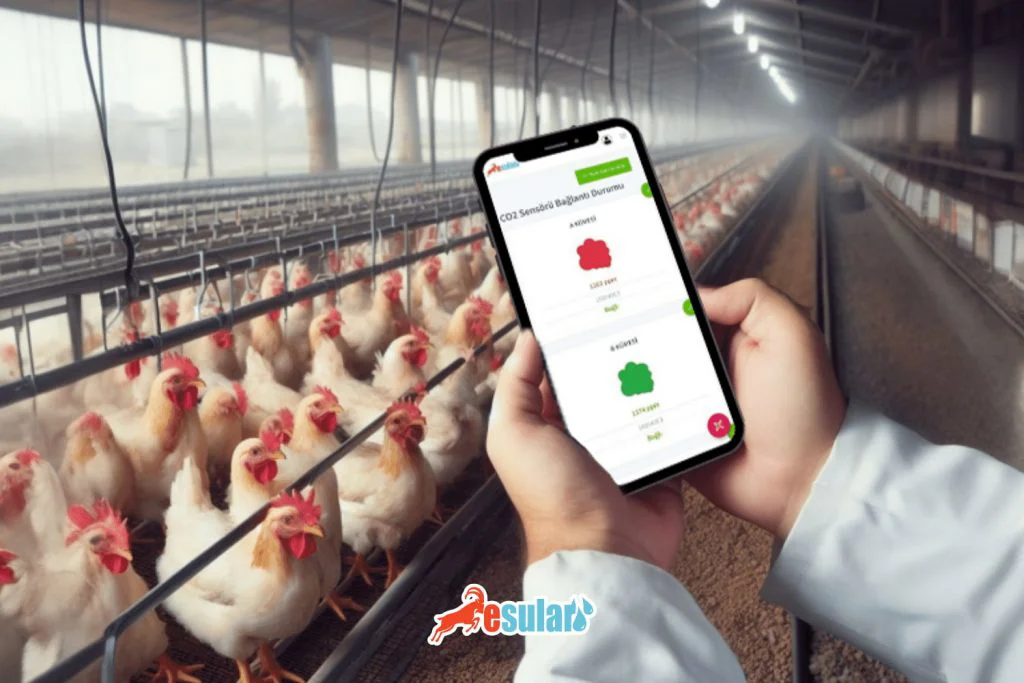
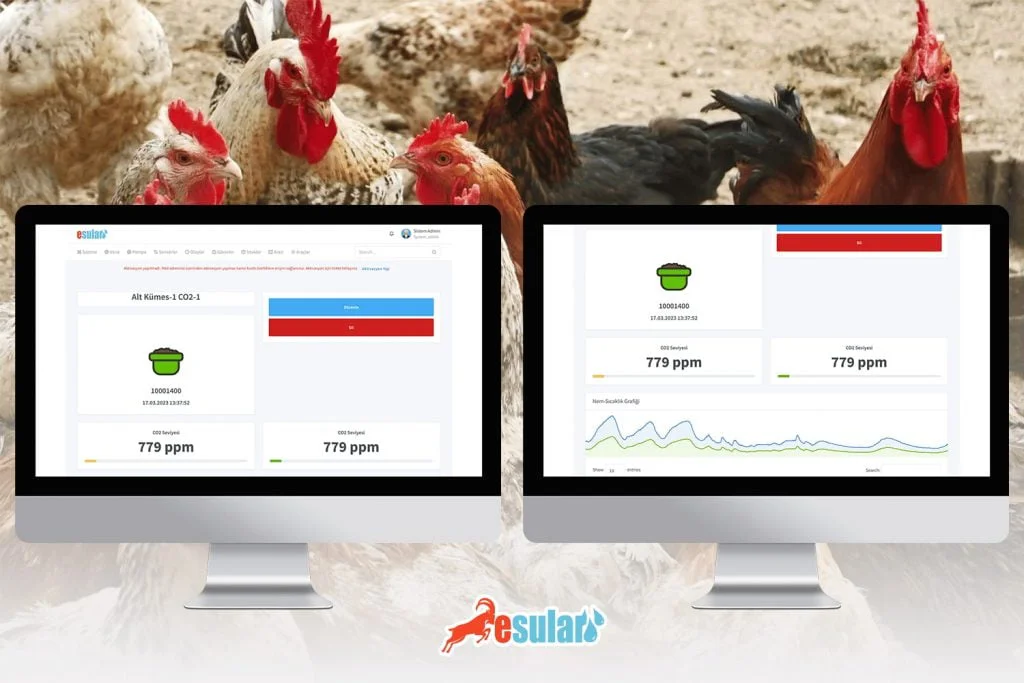
CO2 sensors used in poultry houses can be integrated with remote monitoring and control systems. This provides remote access and control to farmers or breeders. CO2 sensors can record and report the measured data. This data is used to monitor air quality conditions, detect problems, and make decisions.
CO2 sensors in poultry houses are important for the health, comfort, and productivity of animals. These sensors are used for monitoring and correcting air quality and contribute to the optimization of air quality in poultry farming applications such as chicken farming.
To get more detailed information about the esular Carbon Dioxide sensor, you can take a look at this article.