
Efficient use of water in agricultural production and landscape management is of vital importance to both reduce costs and ensure sustainability. Replacing traditional irrigation methods, automatic irrigation systems minimize human intervention and ensure that the plant receives the water it needs, at the right time and in the right amount. So, how do these systems work technically, and where do the wireless technologies developed by Esular fit into this process?
How Does an Automatic Irrigation System Work?
An automatic irrigation system basically operates on the principle of a “brain” (control unit), “senses” (sensors), and “hands” (valves). The basic operating logic of the system consists of the following steps:
- Data Collection (Sensors): Data such as soil moisture level, weather conditions, or precipitation amount are measured via sensors. For example, the Esular Wireless Soil Moisture Sensor measures the moisture in the plant root zone at 4 different depths and transmits it to the control unit.
- Decision Making (Control Unit): The collected data is processed according to pre-programmed scenarios or artificial intelligence algorithms. If the soil moisture has fallen below the determined threshold value, the system decides that irrigation needs to be performed.
- Action (Solenoid Valves): With the signal coming from the control unit, solenoid valves are opened electromagnetically and allow water to travel from the pipelines to the drippers or sprinkler heads.
- Termination: When the desired amount of water is reached or the duration expires, the system automatically closes the valves.
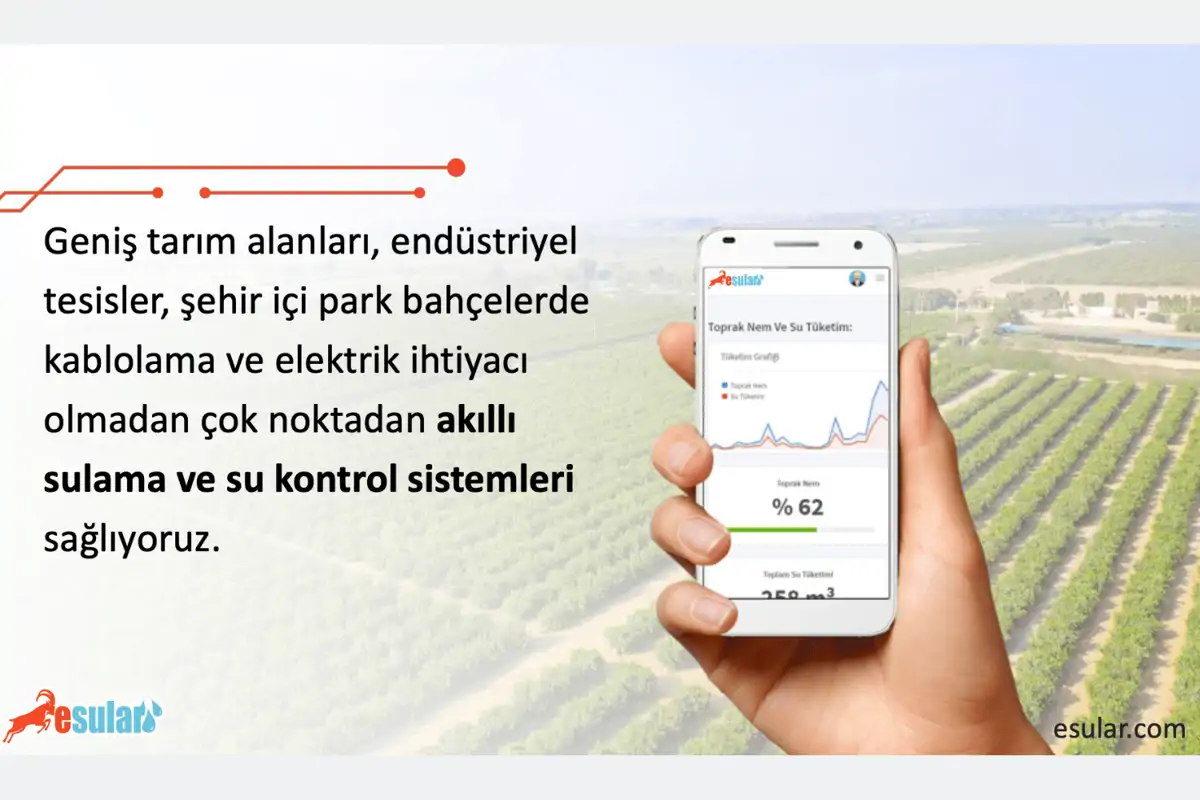
Types of Automatic Irrigation Systems
With the development of technology, irrigation systems have also diversified. They are divided into three main categories according to need and land structure:
1. Time-Adjusted (Timer) Systems
This is the simplest type of automation. The user manually sets which day and time the irrigation will start and how long it will last. However, these systems do not take soil moisture or rain into account; even if it rains, it continues to irrigate, which can lead to water waste.
2. Volume-Based Systems
These are systems where the amount of water given (liters/cubic meters) is the basis, rather than the duration. With signals (pulses) coming from water meters, the system automatically shuts off when a certain volume of water has been delivered. Preferred for precise fertilization and water quota management.
3. Sensor-Based Smart Systems (Esular Technology)
These systems, the pinnacle of modern agriculture, are based on real-time data. The systems developed by Esular fall into this category and differ from others with the following features:
- Fully Wireless Structure: There is no cable laying cost or labor. Valves and sensors communicate up to 10 km with LoRaWAN technology.
- Energy Independence: Thanks to the solar panels on the devices, they do not need an electrical line.
- Remote Management: Without going to the field, the farmer can open and close valves and monitor sensor data via mobile phone.
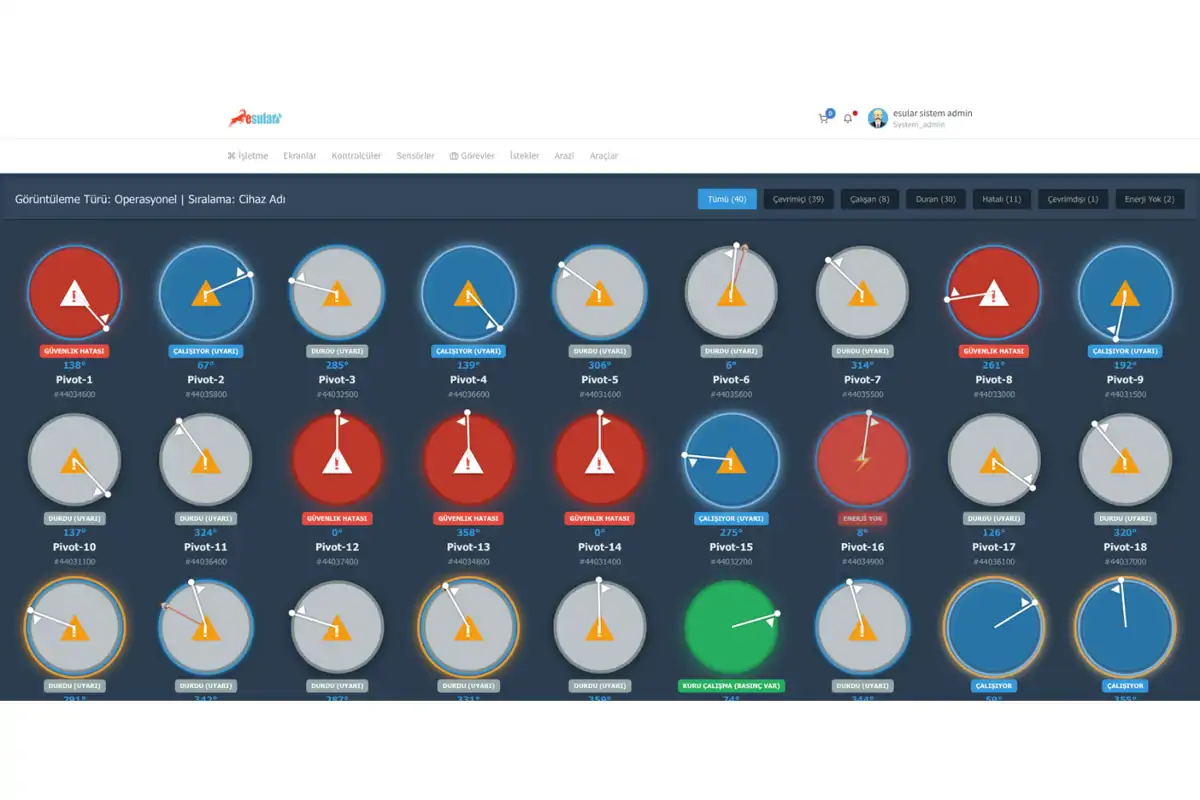
Integrated Irrigation Structure with Esular
In the Esular ecosystem, automatic irrigation is the seamless integration of field hardware and cloud software. Unlike traditional systems, the Esular Wireless Smart Valve Control Unit connects directly to your existing solenoid valves, making them “smart”.
In this structure, the process works as follows:
- Smart-Soil sensors placed in the field determine the water requirement of the soil.
- Data is sent to the cloud, and Esular artificial intelligence algorithms optimize the irrigation timing.
- With the command from the central system, solar-powered valve modules wirelessly open the valves in the field.
- The system also monitors the pressure and flow in the pipelines, instantly warning you in case of a burst or blockage.
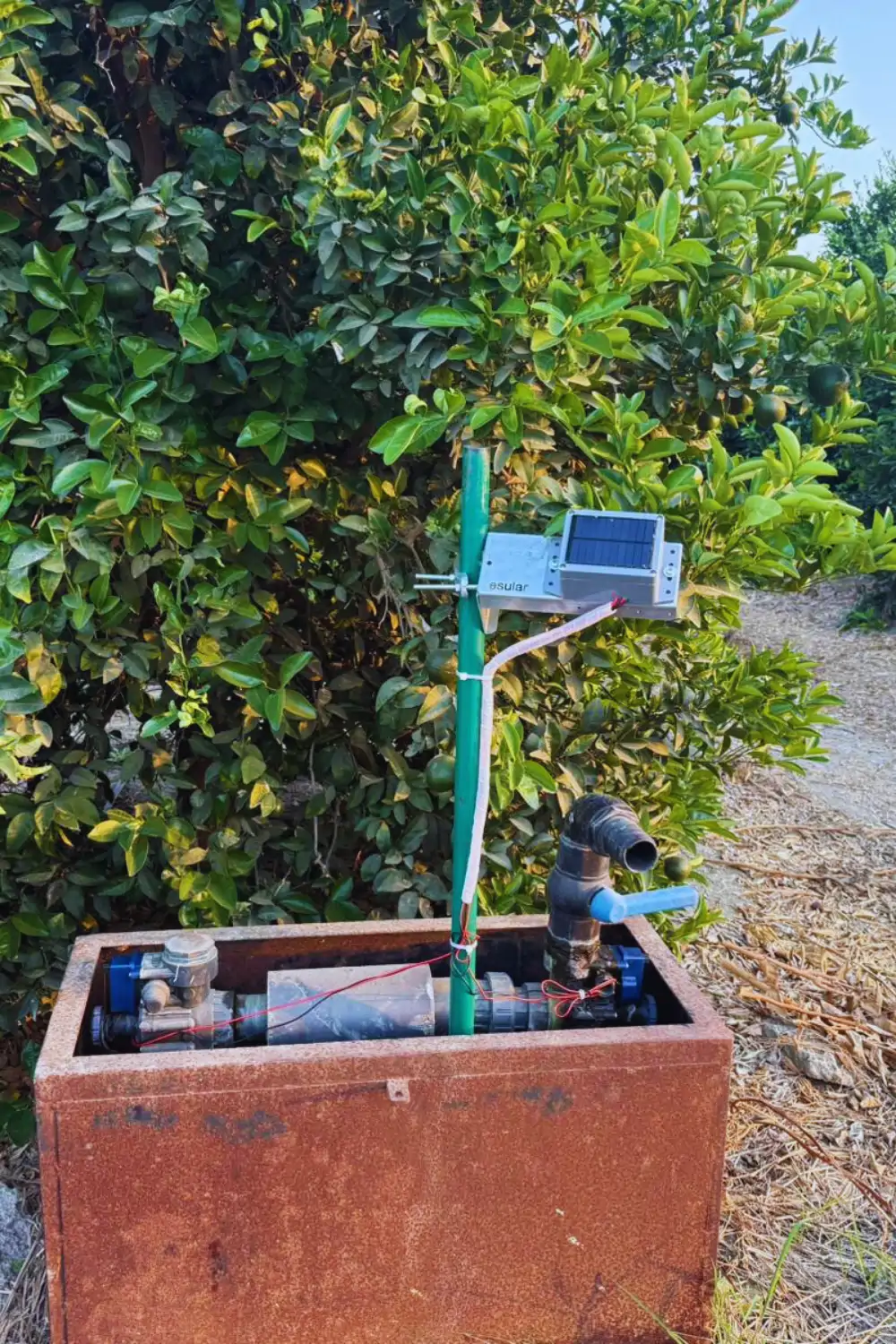
Featured Technology: Wireless Valve Control
Below, you can examine the details of our solar-powered control unit that makes your solenoid valves wireless and smart.
Conclusion
Automatic irrigation systems are not a luxury but a necessity in today's world where water resources are increasingly scarce. The transition from time-adjusted systems to sensor-based smart systems provides water and energy savings of up to 50%. Esular's wireless, solar-powered, and IoT-based solutions maximize efficiency in agricultural irrigation with their ease of installation and remote management capabilities. If you want to increase your yield by using the power of technology in your field or greenhouse, meet Esular's innovative solutions.
Contact and Support
⚠️ Price information is not provided in this article. For current prices and campaigns, please visit store.esular.com.