
Introduction: Energy Efficiency and the Heating Problem in Modern Greenhouse Farming
Modern greenhouse farming, one of the most critical components of modern agriculture, ensures food security by allowing plants to be grown out of season. However, the largest operating expense for greenhouse operators is usually heating. Global energy crises and rising fuel costs make traditional greenhouse methods economically unsustainable. Reducing greenhouse heating costs is not just a saving method but a necessity to remain competitive. This is exactly where automation and climate control technologies come into play.
Reducing heating costs by 30% is possible through data-driven strategies, not random interventions. As Esular, the smart agriculture solutions we offer help producers maximize plant quality while optimizing energy consumption. In this article, we will examine in depth the most advanced automation strategies you can use to increase energy efficiency in your greenhouse.
Why Are Greenhouse Heating Costs Increasing?
Greenhouses, by their nature, are extremely open to heat loss. Glass or plastic covering materials provide weak insulation between the cold air outside and the warm air inside. Understanding the main causes of heat loss is the first step in determining the right automation strategy.
Factors Causing Heat Loss:
- Low insulation value (U-factor) of the covering material
- Structural leaks and ventilation openings
- Incorrectly positioned or uncalibrated sensors
- Inability to control extreme temperature differences between day and night
- Inefficient operation of climate control systems
To minimize these losses, you can learn the basic concepts by examining our guide titled what is greenhouse automation. Preventing heat loss not only provides fuel savings but also increases yield by reducing plant stress.
The Fundamental Role of Automation in Energy Saving
Automation ensures that all systems in the greenhouse work in harmony by eliminating human error. In traditional methods, manually adjusting a thermostat or opening windows by hand usually leads to delays and energy waste. A smart climate control system, on the other hand, keeps the heating system at the most efficient level by monitoring outdoor conditions, solar radiation, and wind speed in real-time.
Energy Saving Methods Provided by Automation:
- Dynamic Set Points: Automatically updates temperature targets according to the plant's biological clock.
- Predictive Control: Takes precautions before storms or frost events using data from meteorological stations.
- Integrated Control: Manages heating, ventilation, and screening systems from a single center.
For more information about the installation of these systems, you can check out our article on how to install an automatic irrigation system; because irrigation and heating automation usually share the same infrastructure.
Precision Climate Control and Sensor Technologies
The most effective way to reduce heating costs in a greenhouse is to ensure a homogeneous temperature at every point of the greenhouse. A measurement made from a single point cannot detect cold spots in the corners of the greenhouse. This situation causes the heater to work more than necessary. The wireless smart greenhouse and ambient climate sensor developed by Esular sends precise commands to the heating system by collecting data from different points of the greenhouse.
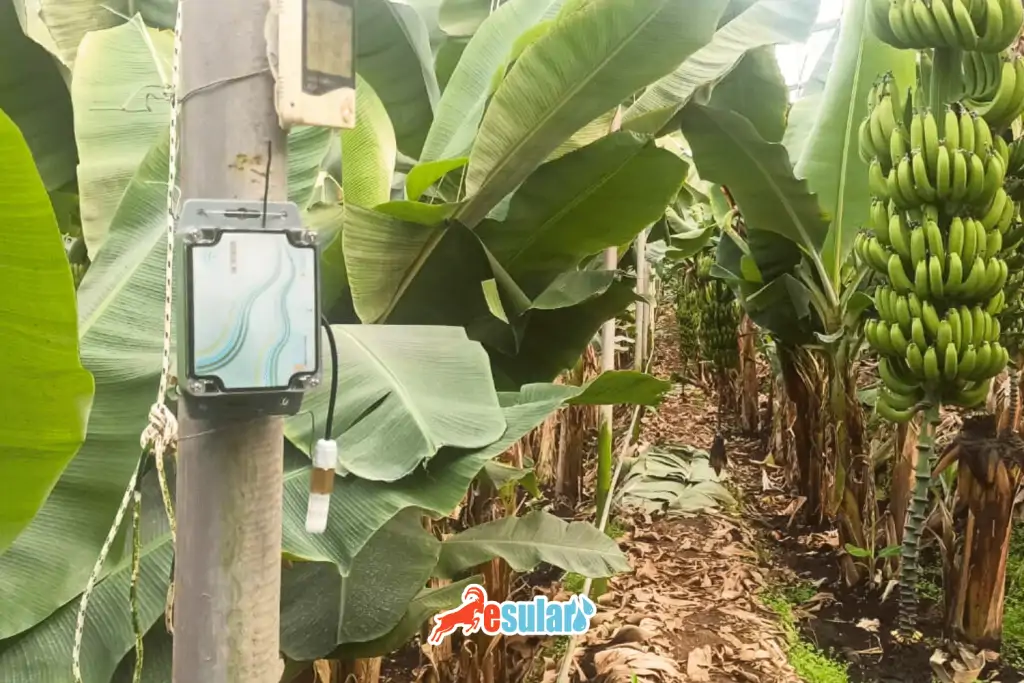
Things to Consider in Sensor Placement:
- Sensors should be placed at plant canopy level.
- They should be protected from direct sunlight and heater pipes (a radiation shield should be used).
- A thermal map of the greenhouse should be created using a sufficient number of sensors.
Precise sensor data forms the basis of greenhouse climate control and window control processes. Even a 1-degree deviation in temperature can cause an increase of between 5% and 10% in the total energy bill.
Thermal Screens and Automatic Shading Strategies
Thermal screens (heat curtains) are one of the most powerful tools used to reduce heating costs in greenhouses. A thermal screen closed at night traps warm air in the plant zone and can reduce radiation loss through the covering material by up to 40%.

Automatic Screen Control Strategies:
- Control Based on Light Level: Screens close automatically when the sun sets.
- Humidity Balanced Opening: If excessive humidity builds up under the screen, the automation system allows the humidity to be evacuated by slightly gapping the screen.
- Snow Protection Mode: If the outdoor meteorological station detects snowfall, it opens the screens to prevent the greenhouse from collapsing and allows the roof to warm up.
Manual management of thermal screens is difficult and usually results in wrong timing. Esular automation systems provide maximum energy savings by bringing the screens to the correct position within seconds.
Carbon Dioxide (CO2) Fertilization and Heating Relationship
CO2 enrichment in greenhouses increases yield, but this process is usually associated with heating systems. The exhaust gas of natural gas heaters can be cleaned and used as a CO2 source. However, running the heater to provide CO2 when heating is not required is a great waste. A smart automation system establishes the balance between CO2 levels and temperature.
Advantages of CO2 Automation:
- Simultaneous management of waste heat and CO2 from the heater.
- Automatic stopping of CO2 flow when ventilation windows are opened.
- Dosing according to the plant photosynthesis rate.
For more detailed information, you can visit our greenhouse CO2 control guide page. CO2 management shortens the production cycle by accelerating plant development and indirectly reduces the heating cost per unit product.
Greenhouse Heating Optimization with Esular Solutions
Esular offers end-to-end digital solutions for greenhouse owners. The special packages we have developed to reduce heating costs combine hardware and software in perfect harmony. Our greenhouse climate control and automation professional package product guarantees energy efficiency in large-scale enterprises.
Highlights of the Esular System:
- Mobile Control: Monitor and intervene in your greenhouse temperature from anywhere in the world with your mobile phone.
- Data Analytics: Identify areas for improvement with historical energy consumption reports.
- Wireless Infrastructure: Install quickly without cable clutter and installation costs.
Our systems also work integrated with the smart greenhouse window control panel, coordinating natural ventilation with heating.
Cost Analysis: How is 30% Savings Calculated?
To concretize the savings that the transition to automation will bring in a greenhouse enterprise, we can examine the table below. These data are based on measurements made before and after climate control automation in a standard polycarbonate greenhouse.
As can be seen from the table, significant improvements are achieved not only in fuel savings but also in labor and plant health items. These savings ensure that the automation investment usually pays for itself within 1-2 production seasons.
Greenhouse Heating and Smart Irrigation Integration
Heating costs are directly linked to the humidity level in the greenhouse. Wet soil and plant surfaces draw heat from the environment through evaporation. This process is called evaporative cooling. To reduce the load on the heating system, irrigation must also be managed wisely. Smart irrigation systems prevent unnecessary humidity increase in the greenhouse by ensuring that the soil receives only as much water as it needs.
Benefits of Integration:
- Lower humidity level means less need for ventilation and therefore less heat loss.
- Fungal diseases (e.g., gray mold) decrease when temperature and humidity balance is achieved.
- Precise fertigation is provided for potted plants by performing greenhouse pot soil moisture measurement.
Remember that an over-irrigated greenhouse is the hardest greenhouse to heat. Therefore, your automation strategy must certainly include irrigation.
Technologies of the Future: Artificial Intelligence and Predictive Heating
In the future, greenhouse heating systems will not only react to the current situation but also predict the future. Artificial Intelligence (AI) supported algorithms will learn the thermal inertia (heat retention capacity) of the greenhouse and turn the heaters off and on exactly on time. Esular, with its R&D studies in this field, brings artificial intelligence in agriculture applications to greenhouses.
Future Trends:
- Solar-powered hybrid heating systems.
- Systems that optimize the climate instantly by measuring the plant photosynthesis rate with lasers.
- Blockchain-based energy sharing networks.
These technologies are critical for a sustainable agricultural ecosystem. According to FAO (Food and Agriculture Organization) reports, agricultural energy efficiency will be the most important priority for the next 10 years. FAO Climate Smart Agriculture studies support this vision.
Conclusion: Switch to Automation for a Profitable Future
Reducing greenhouse heating costs by 30% is not an impossible dream but an achievable goal with the right technology and strategy. As Esular, we are working to ensure that Turkish farmers and producers worldwide realize this transformation in the most painless way. You can secure the future of your business with greenhouse automation, climate control, and precision sensor technologies.
Saving energy not only protects your pocket but also contributes to our planet by reducing your carbon footprint. Take action today to get rid of the cost burden of traditional methods and benefit from the advantages of digital agriculture.
Take Action: Meet Esular
If you want to minimize heating expenses in your greenhouse and increase your productivity, you can contact Esular's expert team. Follow the steps below to meet our special automation solutions:
- To examine our products: Greenhouse Automation Products
- Follow our blog for more information: Esular Agriculture Blog
- To get a free consultation and quote: Contact Us
With the power of modern agriculture, producing more with fewer resources is now in your hands. Start smart farming with Esular today!