Esular Carbon Dioxide Sensor: Photosynthesis Optimization in Modern Agriculture
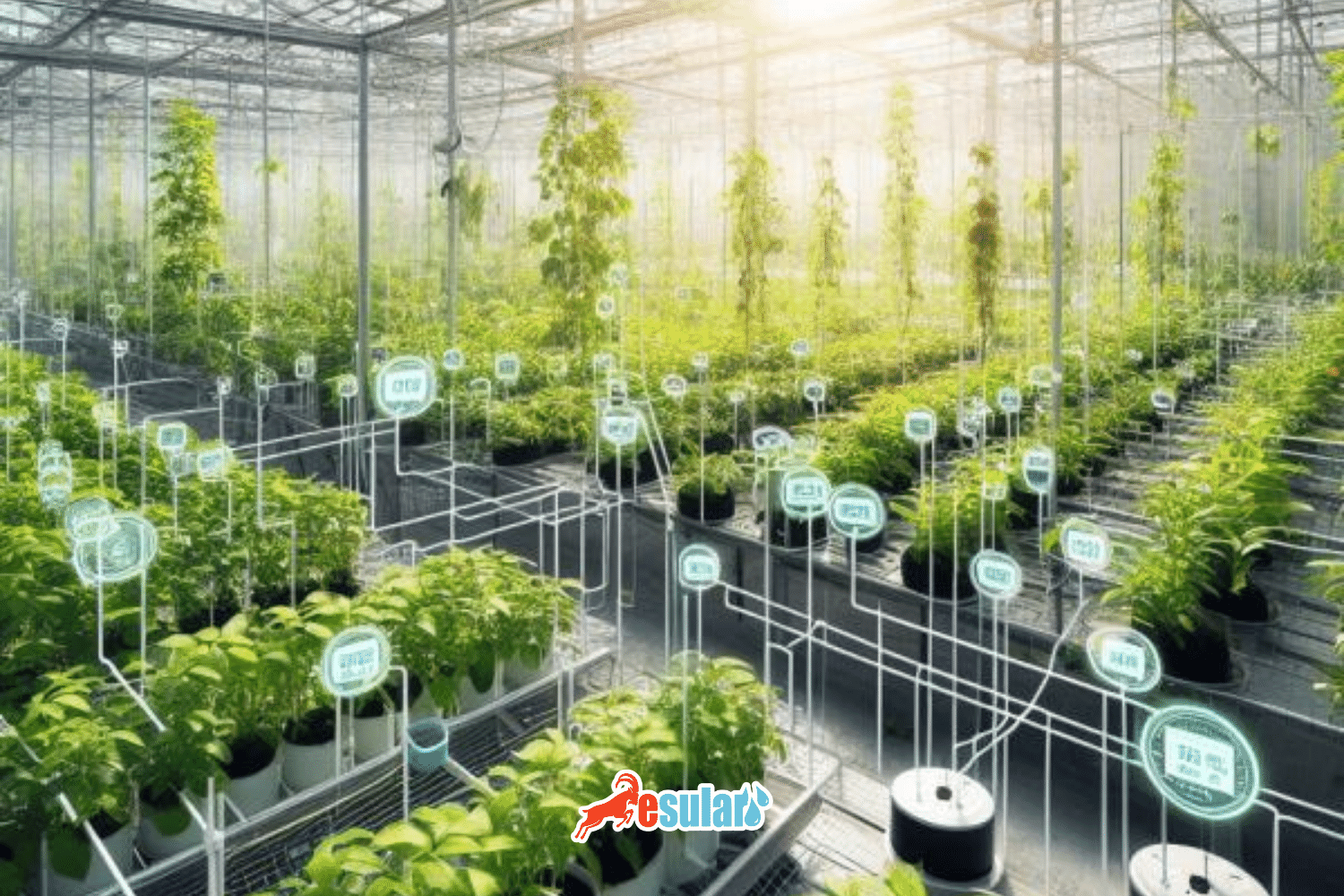
One of the most critical factors determining efficiency in crop production is the plant's capacity to photosynthesize. The photosynthesis process relies on the presence of light, water, suitable temperature, and a sufficient amount of carbon dioxide (CO2). While atmospheric carbon dioxide levels in open-field agriculture generally remain stable around 400-450 ppm, plants in indoor greenhouse environments rapidly consume the CO2 in the environment along with daylight. This situation causes carbon dioxide levels inside the greenhouse to drop below critical thresholds and plant development to reach a standstill. At this exact point, the Esular carbon dioxide sensor and control systems step in, offering producers the opportunity to keep the ambient air under full control.
The Smart Greenhouse and Ambient Carbon Dioxide Control Device, which is among the technological solutions offered by Esular, is not just a measurement tool, but also a smart automation center capable of managing external equipment. In this guide, we will examine the details of carbon dioxide measurement technologies, their effects on greenhouse efficiency, and technical installation processes in depth. Carbon dioxide enrichment is not a luxury in modern greenhouse cultivation, but a fundamental necessity to maximize the yield obtained per unit area.
Importance of CO2 Measurement in Greenhouses:
- Increases plant growth rate by up to 30%.
- Optimizes photosynthesis efficiency and improves product quality.
- Supports business profitability by providing early harvest opportunities.
- Maintains air quality in indoor areas (mushroom houses, poultry houses, warehouses).
- Minimizes disease risks by increasing plant resistance.
Esular Smart Carbon Dioxide Control Device Technology
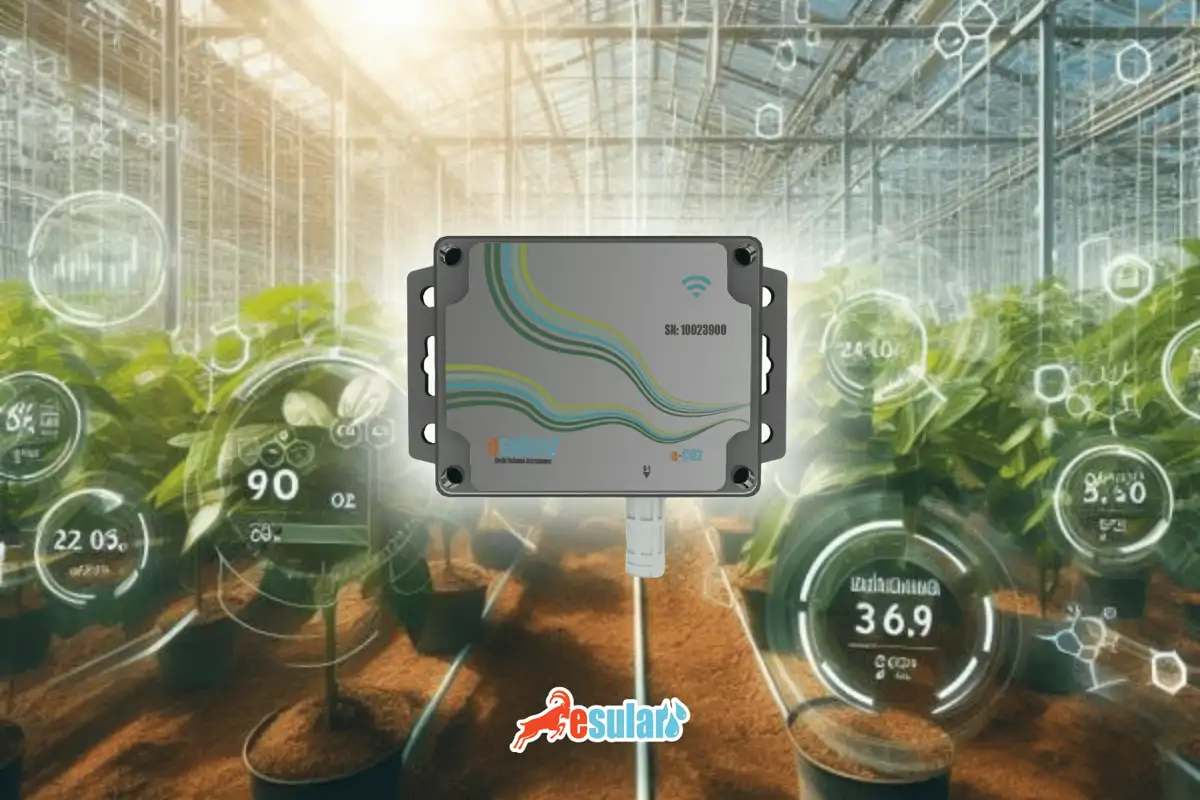
The Esular carbon dioxide measurement and control device; thanks to its external carbon dioxide (CO2) sensing probe, offers the possibility to precisely measure carbon dioxide levels in greenhouses where plants or fruits are grown, or in indoor environments such as classrooms, workplaces, and factories. One of the greatest advantages of the device is its ability to automatically control external equipment such as carbon dioxide generators or ventilation fans through the interconnection socket or relay outputs located on it.
This automation capability ensures that the ambient air quality is kept at the ideal level without the need for user intervention. Especially when integrated with greenhouse automation systems, it becomes an integral part of climate control strategies. The software infrastructure developed by Esular makes it possible to transfer data to the cloud instantly and monitor it via the mobile application.
Esular Carbon Dioxide Sensor and Technical Specifications
The device's technical equipment is built on industrial-standard precision and long-term durability. The standout features of this system, also known as the Esular carbon dioxide sensor, are as follows:
- External CO₂ Sensing Probe: The probe provided with the device helps you measure the carbon dioxide level in an enclosed area. Thanks to long cable options, the measurement point can be moved away from the main unit and placed at the point closest to the plant canopy where the most accurate data is obtained.
- High Precision NDIR Sensor: Non-Dispersive Infrared (NDIR) technology provides long-term stability and offers measurements with low drift rates. This technology extends the sensor's life while lowering maintenance costs. NDIR technology works on the principle of gas molecules absorbing specific infrared light wavelengths.
- Graphical Monitoring Function: CO₂ levels can be monitored on a graph with week, day, hour, minute, or automatic scaling options. This feature allows for the development of greenhouse management strategies by performing historical data analysis.
- Maximum and Minimum Recording: The highest and lowest measured values are automatically recorded. This is critical for observing fluctuations, especially between day and night.
- Programmable Control: Connected devices (valves, fans, generators) are automatically turned on and off according to set CO₂ limit values.
- Altitude Compensation: Thanks to its feature that can be adjusted according to altitudes between 50 and 5000 meters above sea level, measurement errors caused by pressure differences are minimized.
- Day and Night Detection: The light level is automatically recognized via the probe, and CO₂ control is deactivated during night hours when photosynthesis does not occur, ensuring energy savings.
CO2 Control Strategies for Greenhouse Use
The high-precision Esular digital carbon dioxide control device continuously monitors the carbon dioxide level in the growing room or greenhouse. Since plants use CO₂ during photosynthesis, increasing the amount in the environment directly raises the growth rate and yield. For this purpose, the device automatically activates or deactivates the carbon dioxide generator or the bottled carbon dioxide supply system used. Thus, the PPM value is always kept within the targeted range (e.g., 1000-1200 ppm for tomatoes).
In greenhouse climate control processes, not only CO2 but also temperature and humidity measurement are of great importance. The wireless smart greenhouse sensors offered by Esular create a comprehensive control ecosystem when combined with CO2 data. According to FAO data, fruit weight and number increase significantly in greenhouses where controlled CO2 enrichment is performed.
Human Health and Indoor Air Quality
The use of the device is not limited to agriculture. In enclosed areas with high human density such as schools, factories, and offices, CO₂ accumulation leads to loss of focus, sleepiness, and long-term health problems. Esular sensors provide fresh air circulation by automatically opening the ventilation system when the air quality goes outside the determined limits (usually 1000 ppm). This usage scenario has become a standard application for energy efficiency and comfort in modern smart building projects.
Technical Specifications Table
You can examine the technical capacity and industrial standards of the Esular Carbon Dioxide Sensor through the table below:
Installation and Placement Guide
In order to get maximum efficiency from the device, it is essential to position the sensor and control unit correctly. The following steps should be followed in the installation of the Esular carbon dioxide sensor:
- Sensor Position: CO₂ is a gas heavier than air, but due to air circulation in greenhouses, positioning it at plant height (in the active leaf area) gives the most accurate result.
- Beware of Water Splashing: The sensor probe and main body should be kept away from irrigation systems and direct water splashing. IP-protected boxes should be preferred.
- Mounting: The device should be fixed to a wall or stand where vibration is minimal and airflow will not directly mislead the sensor.
- Initial Settings: Default settings are generally suitable for greenhouse use. However, for altitude compensation, the height above sea level of the region where the device is located (between 50-5000m) must be entered.
- Calibration: Esular NDIR sensors come factory-calibrated. However, performing manual calibration in fresh air (around 400 ppm) at annual intervals reinforces accuracy.
Things to Consider When Choosing a Carbon Dioxide Sensor
Although there are many different CO2 meters on the market, the following criteria should be considered when choosing for professional agriculture and industrial applications:
- Sensor Type: Chemical sensors lose their sensitivity over time. Therefore, NDIR (Infrared) sensors must be preferred. You can choose the right technology by learning more about the classification of CO2 sensors.
- Control Capability: Devices that only measure are insufficient for automation. Models with relay outputs are ideal for equipment control.
- Data Update Speed: Esular systems update readings every 5 seconds, allowing for quick responses to instantaneous changes.
- Durability: Greenhouse environments can be humid and dusty. A wide operating humidity range for the sensor is an advantage.
Integration with Esular Ecosystem and IoT Power
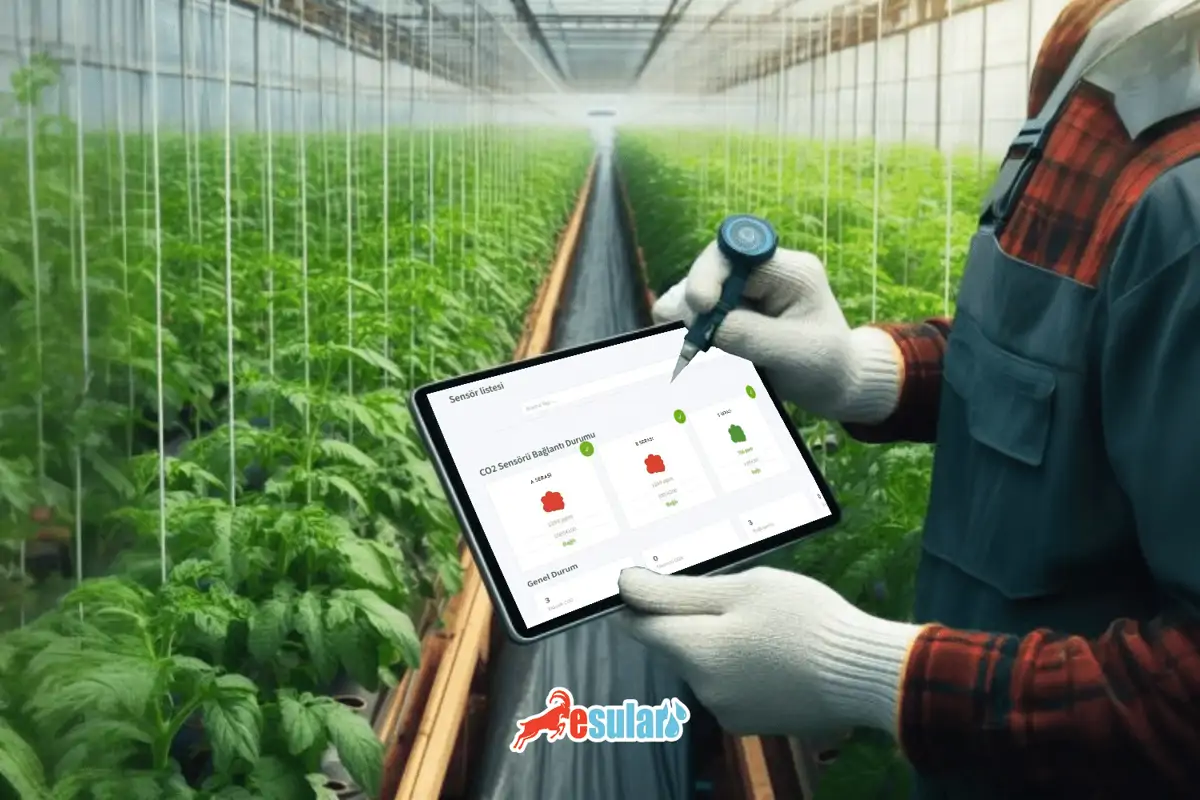
Esular offers end-to-end solutions in agricultural technologies. When data from the carbon dioxide sensor is combined with Esular's wireless battery-powered CO2 sensor solutions, all data can be collected on a cloud-based platform. In this way, you can monitor the air quality of your greenhouse from anywhere in the world, receive retrospective reports, and associate this data with your irrigation/fertilization systems.
Especially in the livestock sector, CO2 monitoring in chicken coops is vital for animal health and productivity. High CO2 and ammonia levels trigger respiratory diseases and ascites (water accumulation) cases in poultry. Esular systems automatically activate fans to minimize these risks. A structure integrated with agricultural meteorology stations determines the most accurate ventilation time to balance outdoor air with indoor CO2 levels.
Conclusion: Why Esular-Supported Solutions?
The use of technology in agricultural production is no longer an option, but a necessity for sustainability and competitiveness. In a greenhouse where carbon dioxide enrichment is performed, the increase in yield amortizes the cost of the device in a short time. CO2 sensors developed by Esular with local engineering power offer you not just a device, but peace of mind and efficiency. Thanks to our smart algorithms, you can manage fertilization, irrigation, and climate control processes from a single center.
Visit our product page now: Smart Greenhouse Sensors or check out our Contact page to meet with our experts to develop solutions specific to your greenhouse needs. Build the future of agriculture together with Esular.