How to Ensure Fair Water Distribution in Cooperatives? Smart Well Automation Guide
There are approximately 2500 irrigation cooperatives and 1.8 million farmers affiliated with them in Turkey. The most fundamental duty of these cooperatives is to ensure the fair distribution of water and provide smart well automation. However, in systems managed by traditional methods, the perception of "My neighbor's field is greener than ours" has always existed. So, why are water fights still happening in the 21st century? And how does technology provide a solution to this ancient problem?
Evolution of Water Distribution in Irrigation Cooperatives
From Past to Present: The Shift System
The shift system, which has been applied since our grandfathers' time, is perhaps the oldest water sharing method. Each farmer is given water on specific days and hours of the week. It sounds fair, doesn't it? However, the situation is different in practice:
- The farmer who keeps the midnight shift cannot get their water when they fall asleep
- When a valve is left open, the next farmer suffers
- No one volunteers for weekend shifts
- Some members tamper with valves to get extra water
This system is not only inefficient but also disrupts the social fabric. Distrust and friction among neighbors increase.
Water Meters: The First Step of Justice
From Mechanical Water Meters to the Digital Revolution
Water meters are the cornerstone of fair distribution in cooperatives. However, developments in meter technology are also changing the management approach:
1st Generation: Mechanical Meters
Classic mechanical meters physically measure water passage. Their problems:
- Loss of precision at low flow rates
- Wear and tear over time and incorrect measurement
- Requirement for manual reading
- Structure open to interference
2nd Generation: Pulse Output Meters
These meters, which produce an electrical signal at every cubic meter of water passage, are the beginning of digitalization:
- Remote reading possibility
- Data recording and reporting
- Instant consumption tracking
- Leak detection capability
📊 How Does a Pulse Meter Work?
Pulse meters contain magnetic or optical sensors that detect water passage. It produces an electrical signal (pulse) for every 10, 100, or 1000 liters of water passage. These signals are collected and converted into digital data by the Esular control unit. For example, if 1 pulse is set as 100 liters, 50 incoming pulse signals mean that 5000 liters (5 tons) of water have been used.
3rd Generation: Ultrasonic Water Meters
The most advanced technology, ultrasonic meters, measure with sound waves:
- No moving parts, no wear
- Bidirectional measurement (also detects reverse flow)
- 99.5% accuracy rate
- 20 years+ service life
Prepaid Water Meters: "Water as Much as Your Money"
Prepaid meters, which adapt the top-up logic used in mobile phones to irrigation systems, are creating a revolution in cooperatives. In this structure working integrated with Esular systems:
How Does the System Work?
- Credit Loading: The member makes a payment to the cooperative, and credit in terms of TL or m³ is loaded into their system
- Automatic Valve Control: When the credit runs out, the system automatically closes the valve
- Notification System: An SMS warning is sent when credit is low
- Online Loading: Credit can be loaded 24/7 via the mobile application
✅ Advantages of Prepayment
- No collection problem: Since the money is received in advance, it does not require debt tracking
- Fair use: Everyone uses as much water as they pay for
- Incentive for savings: Users consume water more consciously
- Cash flow: The cooperative collects money in advance and can make investments
Central Meter Reading System (AMR/AMI)
AMR (Automatic Meter Reading) and AMI (Advanced Metering Infrastructure) are technologies that allow remote reading of water meters. Esular systems use these technologies by:
Data Collection Methods
1. Wireless Radio Frequency (RF)
Data collection from distances up to 10 km with LoRa technology:
- Low power consumption (battery life 5-10 years)
- Not affected by obstacles such as buildings and trees
- Reading 500+ meters from a single center
2. GSM/GPRS Connection
Real-time data transmission over the mobile network:
- Instant water consumption tracking
- Remote valve control
- Alarm and warning systems
- Cloud-based data storage
Smart Well Management: Control at the Water Source
The water source of cooperatives is usually deep wells or surface waters. Smart management of the well determines the efficiency of the entire system:
Well Level Tracking
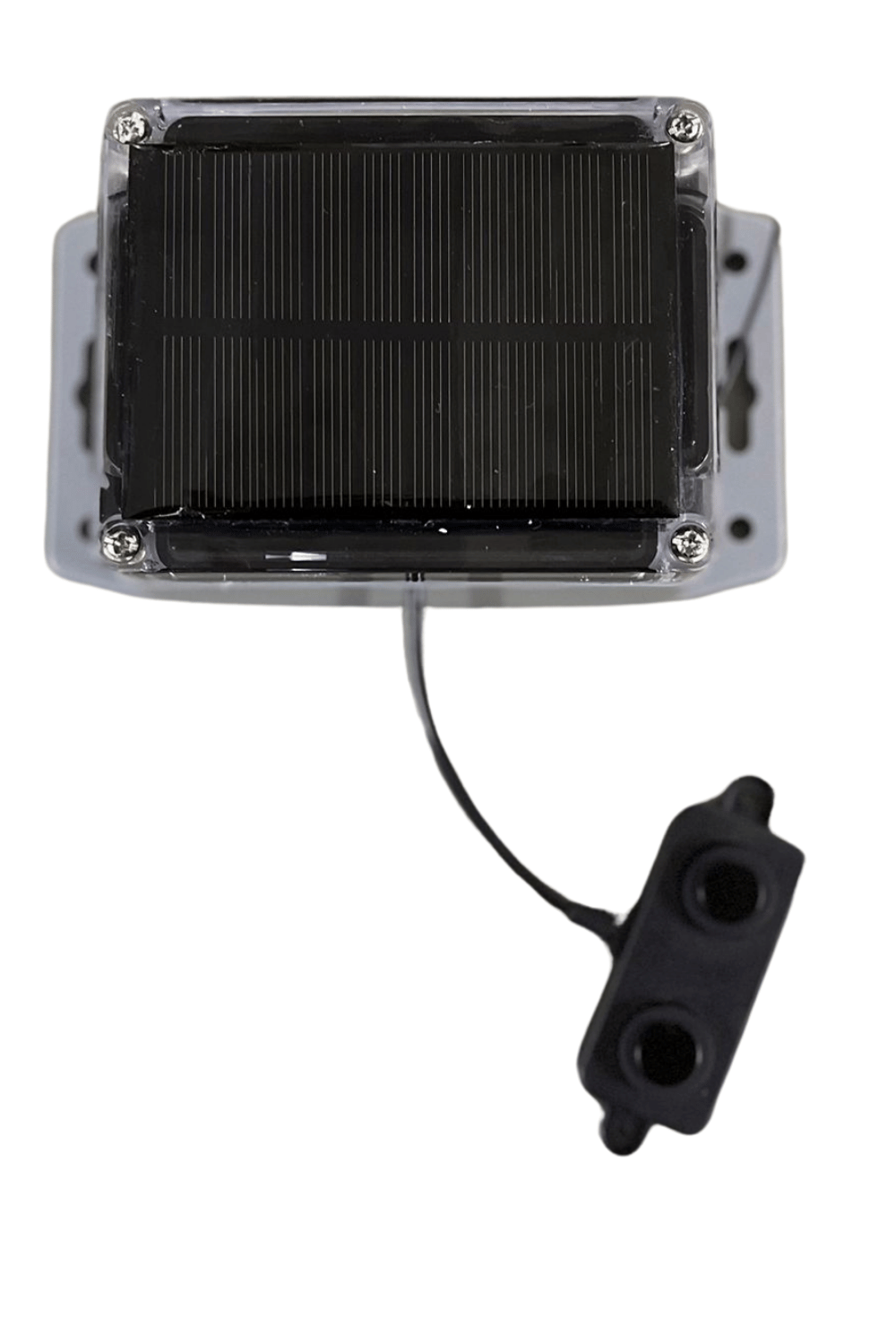
With ultrasonic or submersible type level sensors:
- Dynamic level control: Water level tracking while the pump is running
- Static level measurement: Water level at rest
- Drawdown rate analysis: Detection of yield loss of the well
- Kuru çalışma koruması: Automatically stopping the pump when water runs out
Pump Performance Monitoring
Smart systems continuously analyze pump efficiency:
| Parameter | Measured Value | Benefit |
|---|---|---|
| Flow Rate (m³/hour) | Instant water output | Detection of pump wear |
| Pressure (bar) | Line pressure | Detection of leaks and blockages |
| Energy (kWh) | Electricity consumption | Analysis of efficiency loss |
| Cos φ | Power factor | Prevention of reactive penalties |
MAREM Project: 600-Decare Digital Transformation
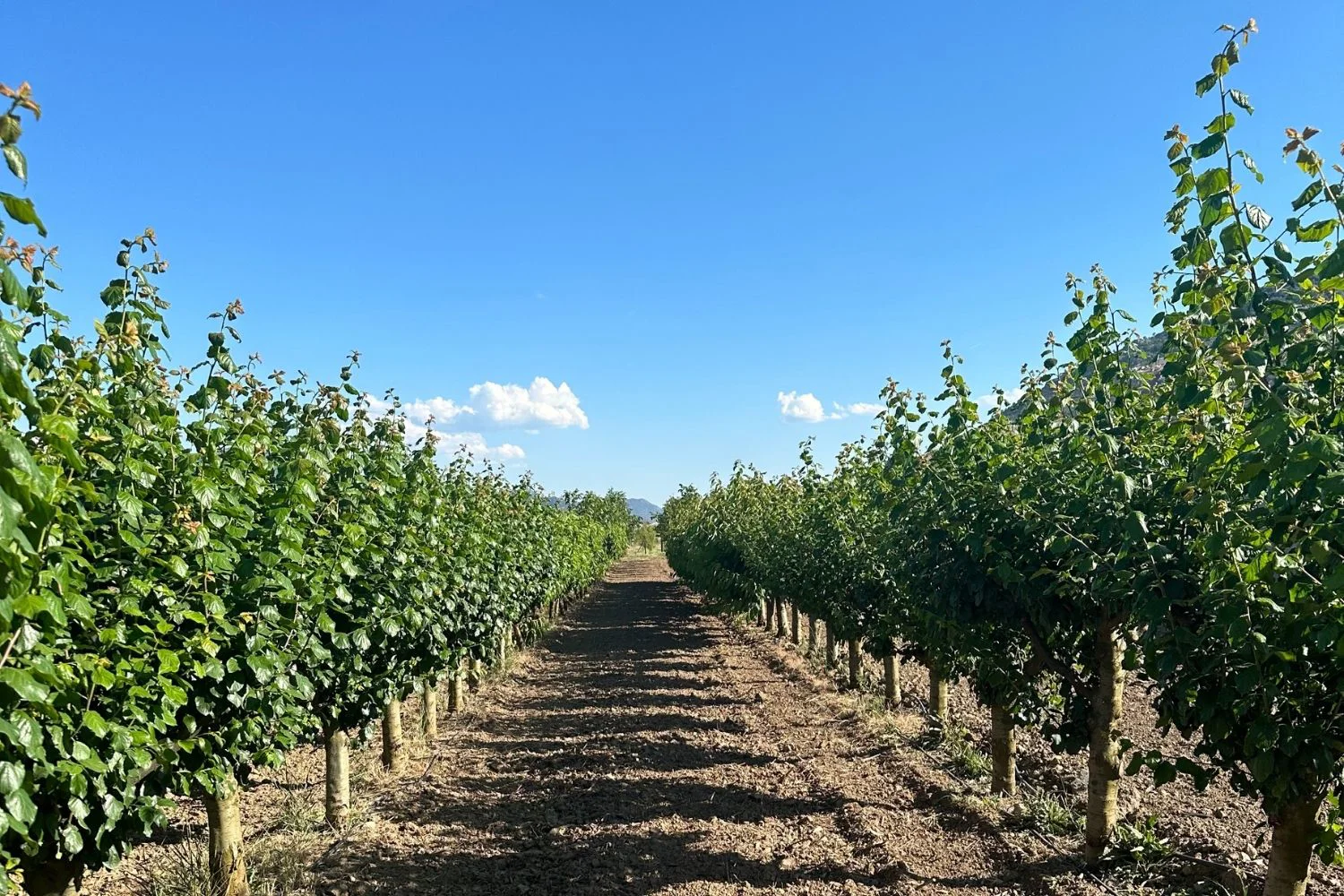
MAREM Fruit Research Institute created an exemplary model for irrigation cooperatives by switching from a traditional irrigation system to Esular smart automation. Project details:
Initial State
- 600 decares of land, 52 irrigation zones
- 4 different water sources (well and pond)
- Manual valve control, need for assigned personnel
- No data on water consumption
- High annual water and electricity costs
Solution Architecture
🔧 Installed System Components
- ✔️ 49 pulse water meters: Separate measurement of each zone
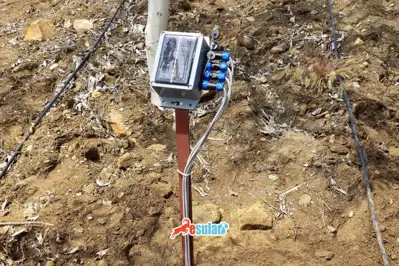
- ✔️ 52 valve control units: Remote opening/closing
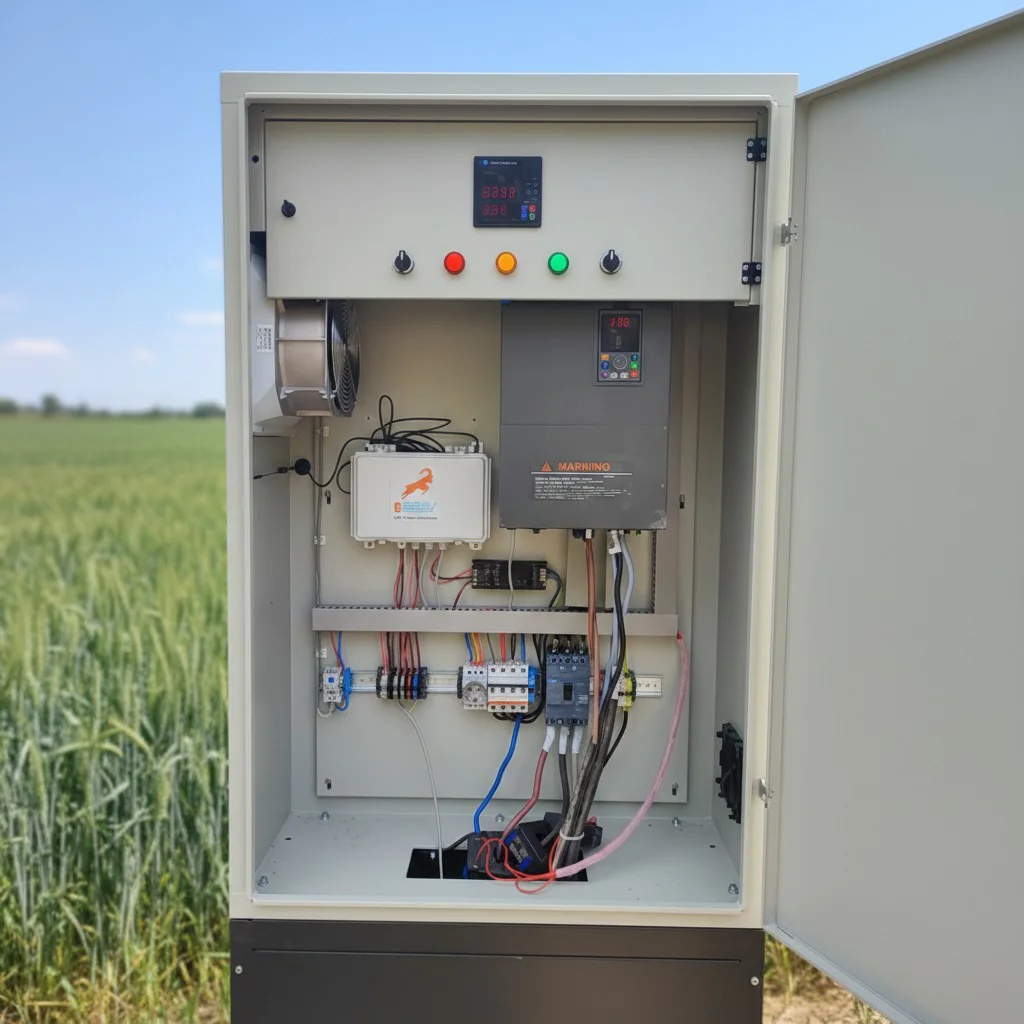
- ✔️ 4 pump control systems: Coordinated operation
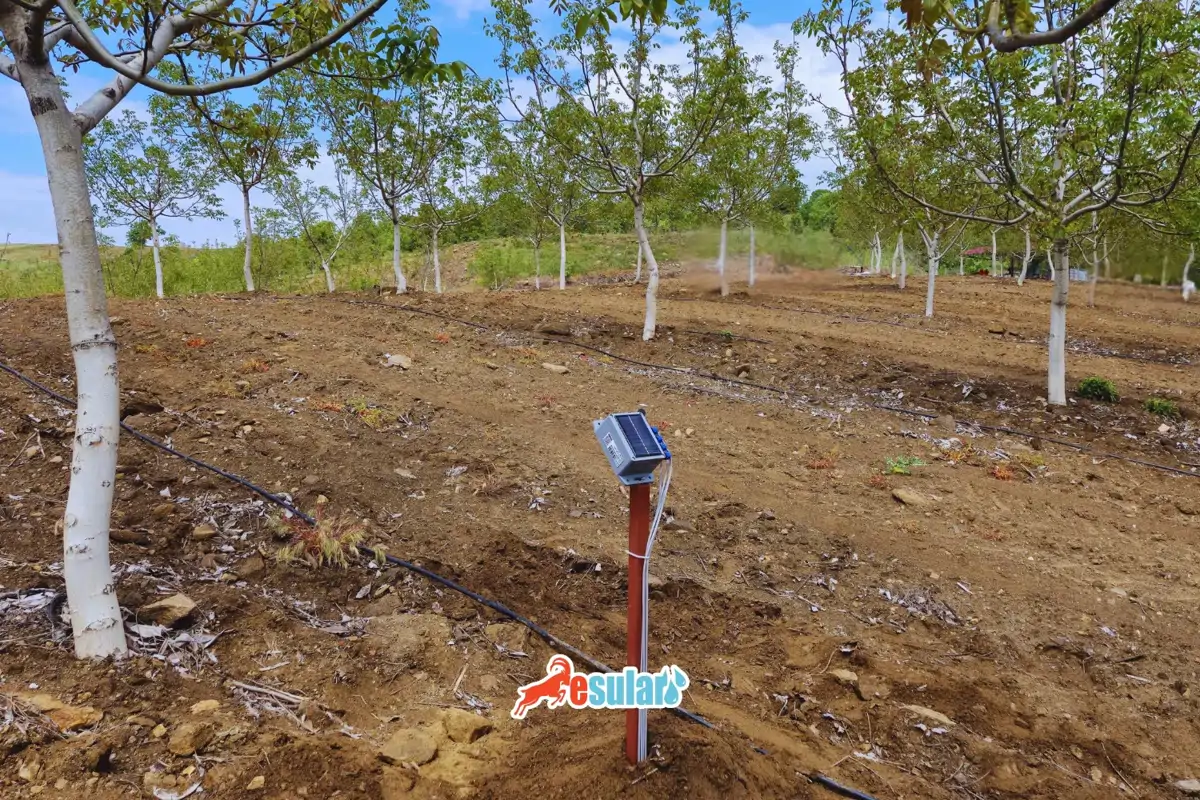
- ✔️ 6 soil moisture sensors: Need-based irrigation
- ✔️ 1 pond level sensor: Automatic filling control
- ✔️ LoRa wireless network: 600-decare coverage
- ✔️ GSM base station: Cloud connection
Installation Process and Challenges
Challenges encountered during the 3-week installation process and their solutions:
- Distance Problem: The cost of laying cables in a 600-decare area was astronomical. Solution: Zero cable cost with LoRa wireless technology.
- Energy Source: There was no electricity at remote points. Solution: Control units with solar panels.
- Personnel Resistance: Employees feared losing their jobs. Solution: Personnel were directed to maintenance and optimization tasks rather than routine control.
- Veri Entegrasyonu: Compatibility with the existing data system. Solution: Data sharing and management from a single center with API integration.
Smart Features for Cooperative Management
1. Irrigation Schedule and Automatic Sequencing
Smart calendar features offered by the Esular system:
- Priority-Based Sequencing: Priority according to product type and planting date
- Weather Integration: Automatic cancellation in case of rain expectation
- Flow Optimization: Adjusting the number of zones irrigated at the same time according to the pump
- Night Irrigation: Automatic irrigation when the electricity tariff is low
2. Conflict Management
The system minimizes internal cooperative disputes:
⚖️ Transparency and Trust
- Digital Record: Every drop of water is recorded, evidence in case of objection
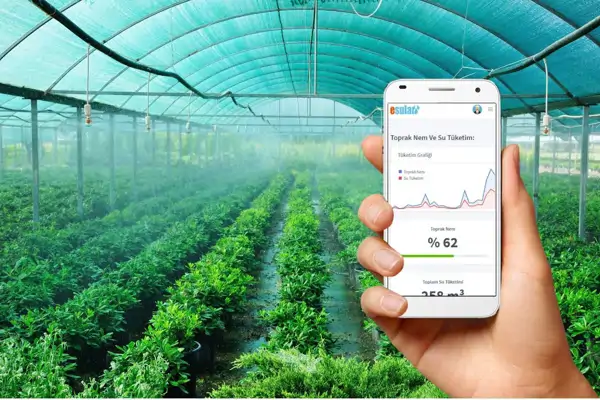
- Member Portal: Everyone can see their own consumption instantly
- Comparative Report: Consumption averages of members growing similar products
- Automatic Invoicing: Objective invoicing without the human factor
3. Leak and Waste Detection
Smart algorithms perform continuous data analysis:
- Night Consumption Analysis: Abnormal water consumption during night hours is a sign of a leak
- Pressure Drop: Sudden drop in line pressure, indicator of a burst pipe
- Consumption Pattern: Abnormal consumption increase, valve failure or leak
- Comparative Analysis: Excessive consumption warning compared to similar lands
Financial Model and Sustainability
Investment Return Analysis
Although the situation of each cooperative is different, the general return model is as follows:
📈 Savings Items
- Water Savings: 30-40% (Prevention of leaks, conscious use)
- Energy Savings: 25-35% (Pump optimization, night tariff)
- Labor Savings: 60-80% (Automatic control, remote management)
- Maintenance Cost: 20-30% (Early failure detection, preventive maintenance)
Average Return Period: 18-24 Months
State Supports and Grants
Current support programs for irrigation cooperatives:
- TKDK Grants: 50-65% grant support
- Rural Development Supports: 50% grant for modern irrigation systems
- KOSGEB: Digitalization support for cooperatives
- Ziraat Bank: Low-interest irrigation loans
Installation Steps and Process Management
1. Feasibility and Discovery (1-2 Days)
- Land inspection and existing infrastructure analysis
- Identification of water sources and distribution points
- Determination of the number of members and irrigation areas
- Needs analysis and system design
2. Project Planning (3-5 Days)
- Detailed technical drawings
- Equipment list and cost calculation
- Installation schedule
- Training plan
3. Installation and Commissioning (7-21 Days)
- Meter and sensor assembly
- Installation of control units
- Wireless network configuration
- Software integration
- Testing and calibration
4. Training and Support (Continuous)
- Manager training (1 day)
- User training (half day)
- Delivery of documents
- Remote support and maintenance
Frequently Asked Questions
Does the system work during power outages?
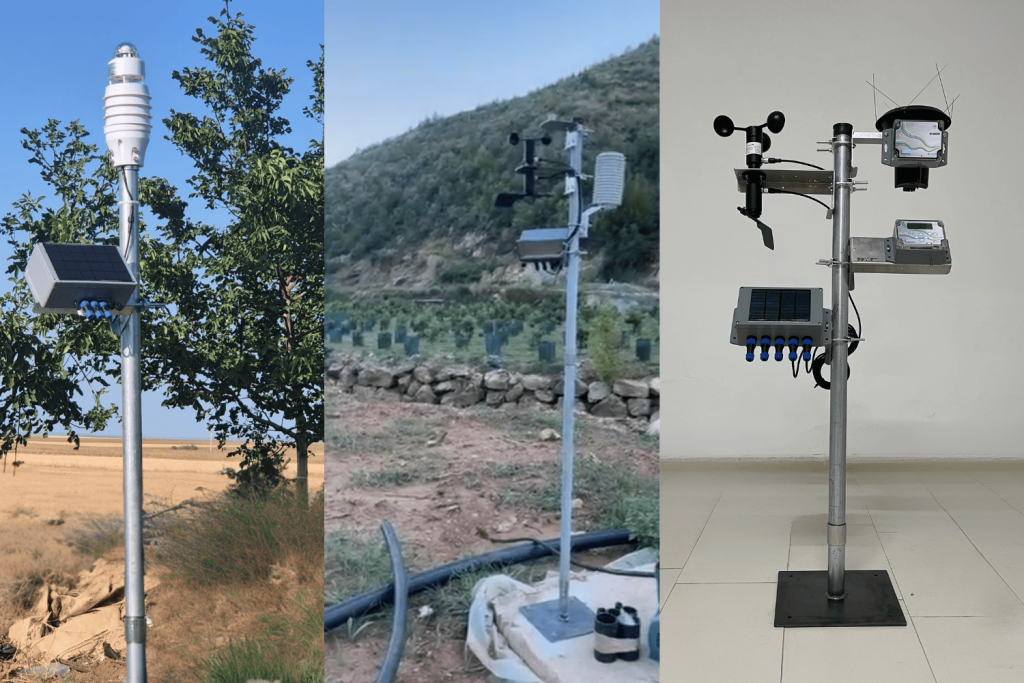
Yes, all critical components are battery-backed. With the solar panel option, it can work completely independently of the grid. Thanks to the GSM module, remote control continues even in case of an outage.
Can I use my existing water meters?
If your meters have pulse outputs, they can be directly integrated. Mechanical meters can be digitalized by attaching a pulse generator. Replacement is recommended for very old meters.
Up to how many members can the system be installed for?
Since the system has a modular structure, there is no limit to the number of members. It can be scaled from small cooperatives with 10 members to large unions with 1000+ members.
Can members learn to use the system?
The mobile application is as simple as WhatsApp. Cooperative management can perform detailed operations from the web panel.
What happens in case of failure?
The system is monitored remotely 24/7. An automatic notification is received in case of failure. There is a bypass possibility for critical failures, no water interruption occurs. 24-48 hour service guarantee for cases requiring on-site intervention.
Can we receive state support?
Yes, 50-65% grant support is available for modern irrigation systems. The Esular team provides consultancy support during the grant application process.
Future Outlook: Agriculture 4.0 and Smart Cooperatives
Digital transformation is a necessity not only for today but also for the future. Smart irrigation systems are part of a larger ecosystem:
AI and Machine Learning
- Automatic irrigation planning based on weather and plant growth
- Water consumption predictions and optimization suggestions
- Pre-failure prediction and preventive maintenance
IoT and Big Data
- Instant data collection with sensor networks
- Cloud-based data analysis and reporting
- Access from mobile and web platforms
Blockchain and Transparency
- Immutable record of water use data
- Automatic invoicing with smart contracts
- Carbon footprint tracking and sustainability reports
Conclusion: Fair Water Distribution is Not a Dream
The end of water fights in cooperatives and ensuring fair distribution is no longer a dream. With Esular smart well automation systems:
- ✅ Every drop of water is measured and recorded
- ✅ Everyone uses as much water as they deserve
- ✅ Water and energy waste are prevented
- ✅ Cooperative management becomes easier
- ✅ Trust among members is established
Technology is only a tool. What is truly important is to ensure sustainability in agricultural production by using this technology correctly. Our water resources are limited, but our solutions are limitless.
Free Feasibility for Your Cooperative
Every cooperative is unique. Let's analyze your cooperative's needs and offer a solution specific to you. Contact us now for a free discovery and feasibility report.
📋 Request Free Feasibility
💬 Write on WhatsApp
☎️ Phone: 0541 247 45 05
📧 Email: [email protected]