Healthy Chicken Farming: Why is Monitoring and Managing CO2 Important?
Chicken farming is a fundamental food source worldwide. However, the health and welfare of chickens constitute an important part of this industry. Raising chickens in a suitable environment affects both the health of the chickens and the quality of the final product. In this article, we will examine how monitoring and controlling CO2 levels in chicken coops plays an important role.
What is CO2 and Why is it Important?What is CO2 and Why is it Important?
CO2 or carbon dioxide is a natural gas found in the atmosphere. However, in a closed environment, especially in chicken coops, the accumulation of this gas can lead to potential problems. The accumulation of CO2 means that the air is insufficient in terms of oxygen, and this situation can harm the health of the chickens. Chickens that cannot get enough oxygen experience stress, their feed consumption rates drop, and this negatively affects their growth.
Why is Monitoring CO2 Levels Important?
·Chicken Welfare: High CO2 levels cause chickens to experience discomfort. Chickens feel as if they are trapped and suffocating. This situation leads to chickens being unhappy and their development being negatively affected. Low CO2 levels, on the other hand, indicate that there is an effective ventilation system and that the chickens are in a healthy environment.
·Chicken Health: The health of the chickens also affects the quality of the final product. Healthy chickens are better in terms of meat quality and microbiological safety. Controlling CO2 can increase the health of the chickens and the quality of the final product.
·Feed Consumption and Growth: Chickens getting enough oxygen increases feed consumption and encourages their growth. Insufficient oxygen can cause feed consumption to decrease and growth to stop.
How Do You Monitor and Control CO2 Levels?
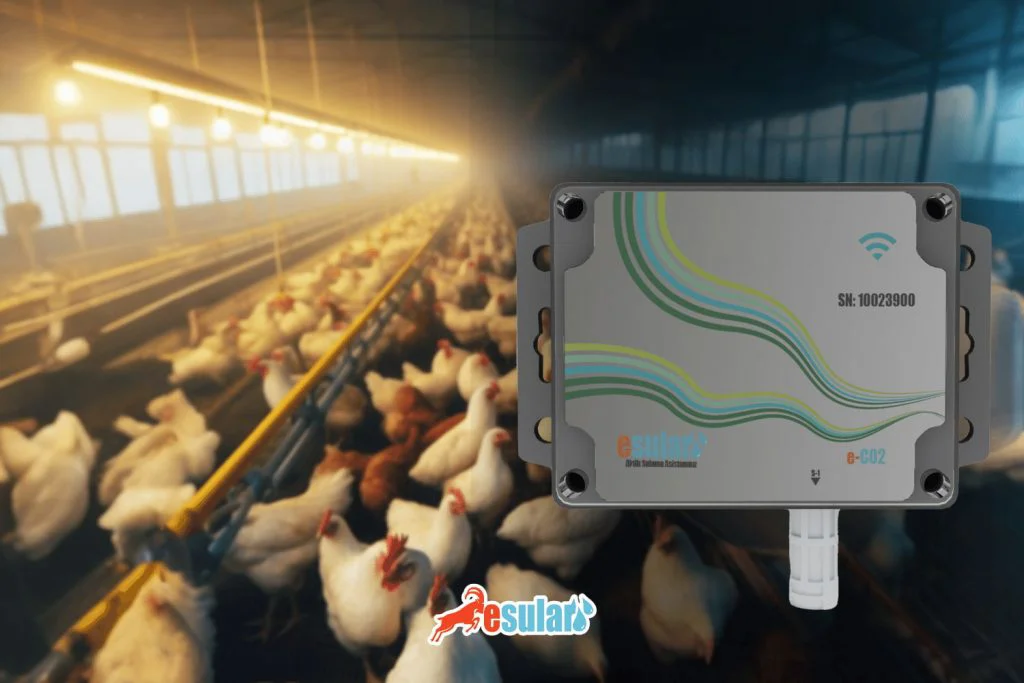
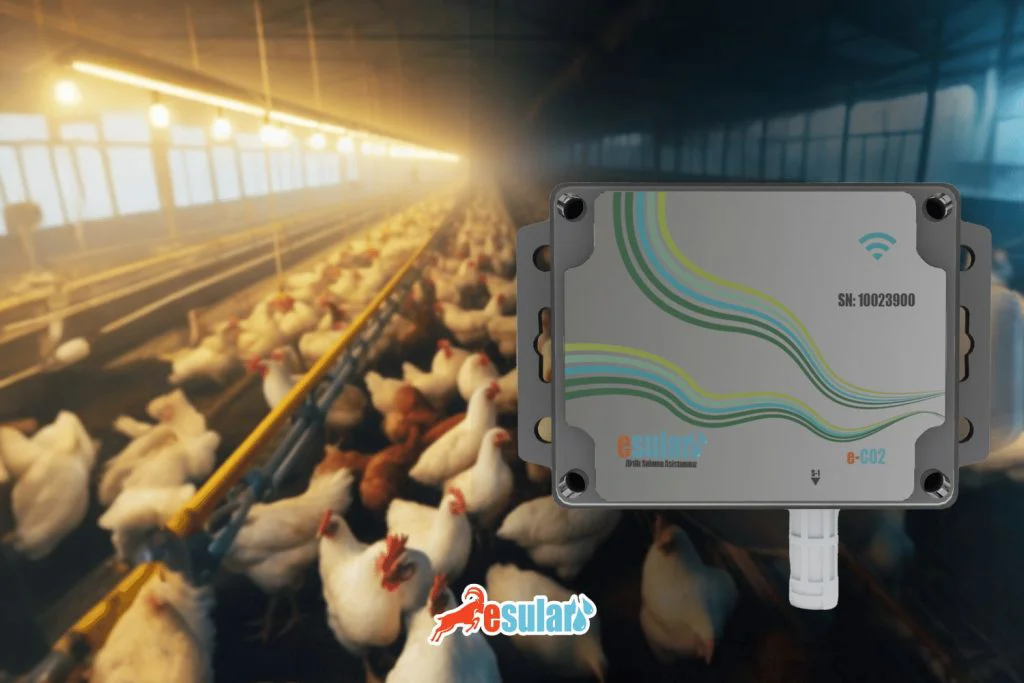
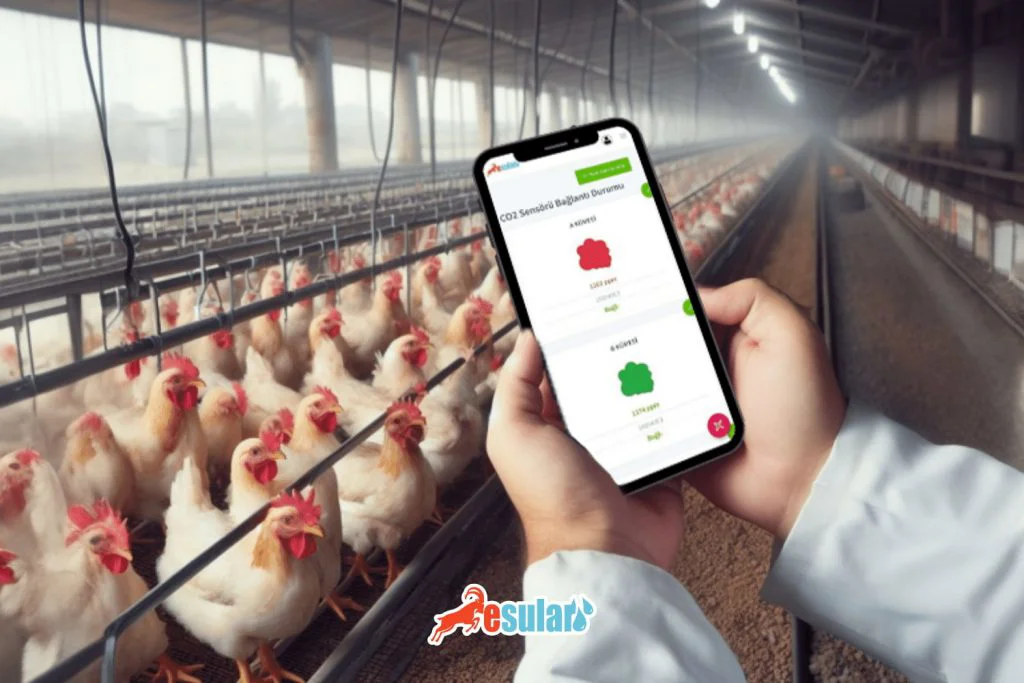
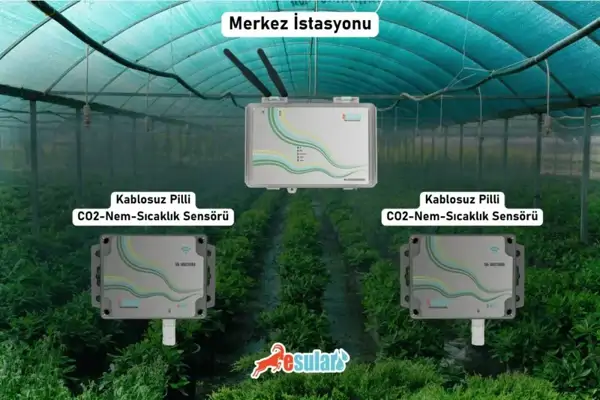
CO2 monitoring sensors are used to monitor CO2 levels. These devices continuously measure CO2 levels in different areas of chicken farms. The data provides information for farm managers to monitor CO2 levels and adjust ventilation when necessary.
To control CO2 levels, farm managers can take measures such as regulating ventilation systems and increasing the ventilation rate when necessary. A good ventilation system keeps CO2 levels within acceptable ranges. Usually, sufficient ventilation is provided to keep CO2 levels low.
Chicken Welfare and CO2 Monitoring
Chicken welfare is of critical importance for both the health of the chickens and the quality of the final product. Monitoring and controlling CO2 levels is important to ensure that chickens grow in a healthy environment and to increase product quality. For this reason, chicken farmers should regularly monitor CO2 levels and take measures when necessary. This not only increases the welfare of the chickens but also increases farm productivity.