Tüm Yazılar
How to Increase Irrigation Efficiency?
Irrigation efficiency is very important for ensuring the efficient and sustainable use of water in agricultural production. Today, in many regions where water resources are limited, increasing irrigation efficiency is a vital necessity to both save water and increase the quality and quantity of agricultural products. Among the methods used to achieve this goal, the application of modern irrigation technologies ranks first. Systems such as drip irrigation and sprinkler systems, where water is directed directly to the plant root zone, increase efficiency by minimizing water waste.
Furthermore, the correct adjustment of irrigation timing and amount is of great importance. Irrigation needs can be determined using technologies such as meteorological data and soil moisture sensors. Irrigation strategies implemented by taking into account the characteristics of soil structure and plant species ensure the maximum use of water by the plant. Finally, training and informing participants in the planning of water management is necessary for sustainable water use. These holistic approaches support environmental and economic sustainability by increasing the efficiency of agricultural production.
What Are the Factors Affecting Irrigation Efficiency?
- Water source and capacity: The source of the water used for irrigation and the capacity of this source directly affect irrigation efficiency. If the water supply is insufficient or its capacity is limited, irrigation efficiency may decrease.
- Soil type and characteristics: Soil water permeability affects the speed and depth at which water reaches the root zones. It is important to know the structure and characteristics of the soil for efficient irrigation.
- Plant Type and Characteristics: Different plant species have different water needs. Irrigation programs should be adjusted according to plant species. The depth of the plant's root structure and the method of spreading are also factors affecting irrigation efficiency.
- Climate conditions: Climate conditions such as temperature, humidity, and wind significantly affect irrigation efficiency. For example, in hot and dry climates, evaporation is higher and irrigation water is depleted faster.
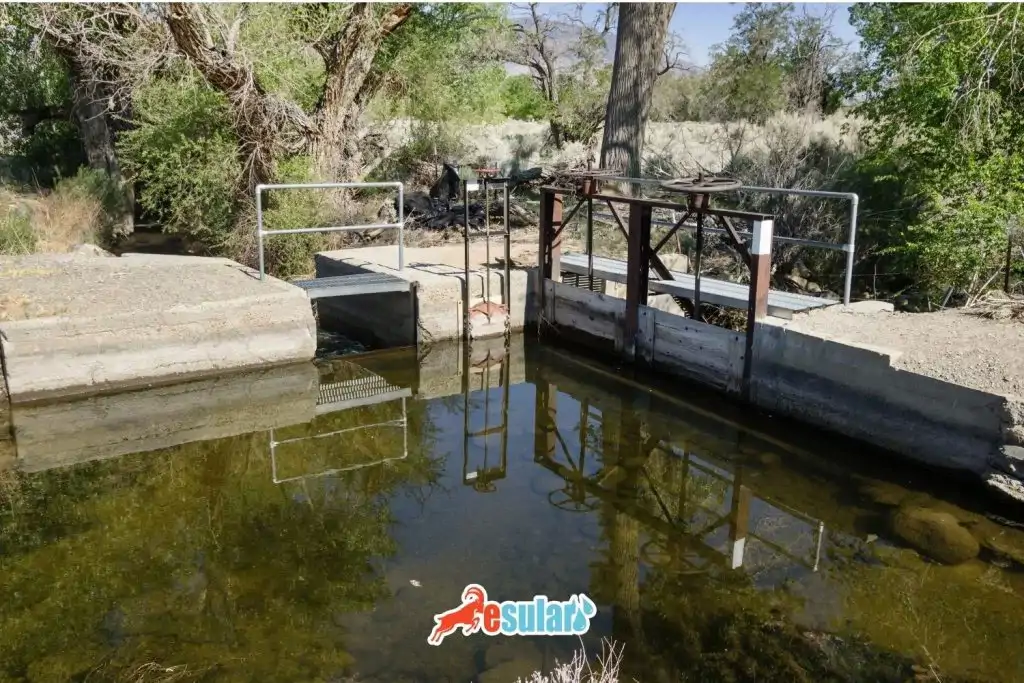
- Irrigation Technique and Infrastructure: The irrigation systems used (drip irrigation, sprinkler, furrow irrigation, etc.) and infrastructure (channels, pipes, pumps) directly affect irrigation efficiency. Modern irrigation systems generally provide higher efficiency.
- Water Distribution and Control: Regular and effective distribution of water increases irrigation efficiency. Water management and control ensure that water is used at the right time and in the right amount.
- Soil Slope and Structure: Soil slope affects how water is distributed and infiltrates the soil. In flat lands, water distribution is generally more regular.
With the joint evaluation of all these factors, irrigation efficiency can be increased and water resources can be used effectively.
Current Status of Irrigation and Irrigated Farming in Turkey
Agricultural areas in Turkey cover a large surface area, and a significant portion of these areas has irrigation potential. While the country's total agricultural land is calculated as 28.1 million hectares, 6 percent of it has an irrigation potential of 13.5 million hectares. It is estimated that Turkey's total underground and surface water resources are 107 billion m³/year. However, if current irrigation technologies are not improved, the areas irrigated with these resources will be limited; according to current data, 8.5 million hectares of land are irrigated. The General Directorate of State Hydraulic Works (DSI) has played an important role in the development of large-scale irrigation projects in Turkey. Projects such as GAP (Southeastern Anatolia Project) in particular have increased agricultural productivity.
While irrigation and irrigated farming have an important role in agricultural production in Turkey, they face various challenges. Approximately 30% of the agricultural areas in the country are irrigated. However, under current conditions, there are some important problems regarding the efficiency and sustainability of irrigated farming. Among these, inefficient use of water resources, inadequacy of irrigation infrastructure, unplanned water consumption, and environmental impacts such as water pollution and salinization draw attention. Especially the intensive use of water in agricultural irrigation poses a major problem for the sustainability of water resources. The decrease in water resources and water scarcity during drought periods negatively affect agricultural production and farmers' incomes. Additionally, inadequate irrigation infrastructure and the lack of modernization of outdated systems prevent more efficient use of water. Unplanned water consumption makes balanced distribution of water difficult and causes water stress in some regions.
Furthermore, the pollution and salinization of irrigation water is also a major problem. Salts accumulating in the soil reduce productivity and can pose a threat to agricultural production in the long term. To overcome these problems, steps such as the dissemination of modern irrigation techniques, strengthening planning for efficient water management, taking measures to protect water quality, and educating farmers should be taken.
What Should We Do to Increase Irrigation Efficiency?
The following measures can be taken to increase irrigation efficiency:
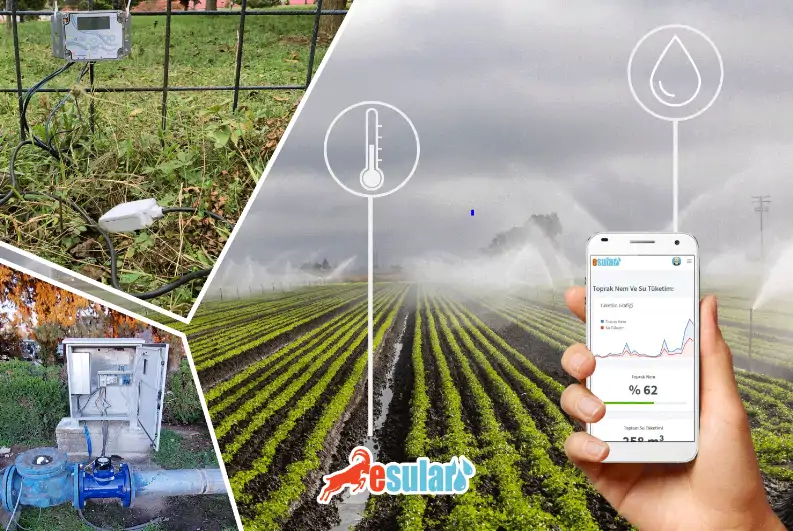
- Use of Modern Irrigation Techniques: Field irrigation systems such as drip irrigation and sprinklers direct water directly to the plant's root zone, minimizing water losses and increasing plant health. To get more detailed information on this subject; You can contact us via https://esular.com/akilli-sulama-sistemleri.
- Irrigation According to Soil and Plant Needs: Irrigation time and amount should be determined using soil moisture sensors and meteorological data. This ensures the use of water at the right time and in the right amount.
- Adjustment of Soil Topography: Terraces on sloping lands reduce erosion and ensure that water stays in the soil for a longer period.
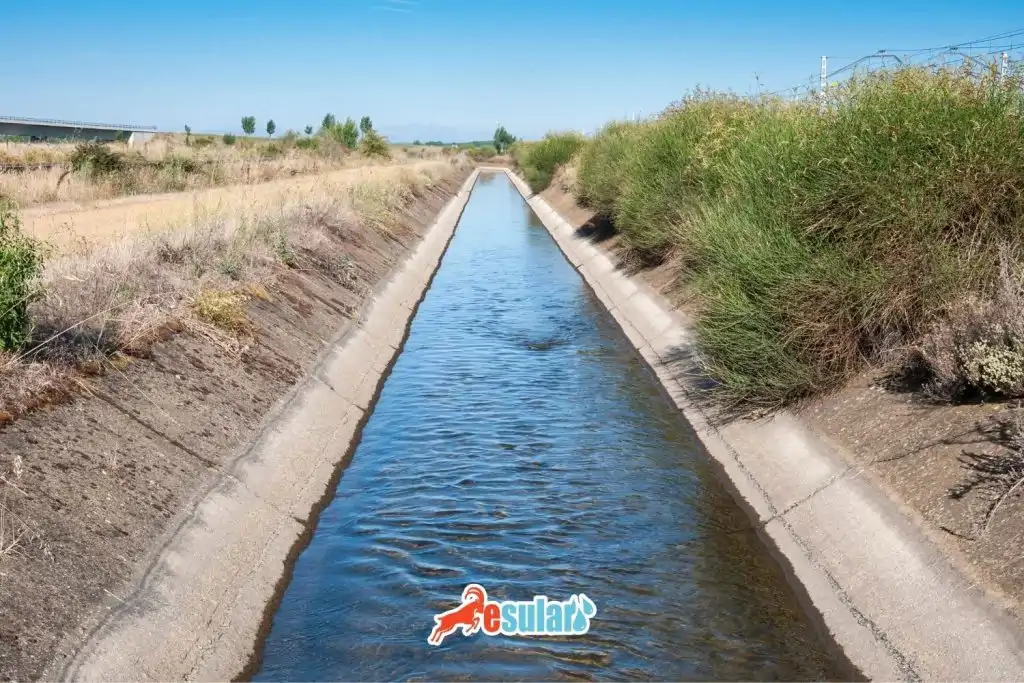
- Modernization of Water Transmission Systems: Closed pipe systems should be used instead of old open channels. These systems prevent water loss and ensure more efficient distribution of water.
- Training and Educating Farmers: Farmers should be trained and educated on correct irrigation methods and the protection of water resources.
- Improvement of Irrigation Infrastructure: Irrigation infrastructures should be improved to ensure equal distribution of water. This optimizes water use and increases efficiency in agricultural production.
- Planning and monitoring of irrigation programs: A specific irrigation program should be created and this program should be monitored regularly. Irrigation management should be constantly reviewed to ensure efficient use of water.
The joint implementation of these steps ensures the sustainable use of water resources and increases efficiency in agricultural production. Irrigation efficiency and water management are possible with Esular.
Kategoriler