How to Water Vertical Gardens?

23 Ocak 2026 Çağla Altıntaş 4 görüntülenme
Tüm Yazılar

How to Water Vertical Gardens?

Vertical gardens are one of the most effective ways to bring nature and greenery together in modern living spaces. These green walls, which offer an ideal solution for those who want to create a breathable area amidst concrete structures, stand out as both an aesthetic and environmentally friendly alternative. However, for these structures to remain healthy and survive for a long time, correct irrigation is very important. Since water can move quickly towards the lower layers in vertical structures, effective irrigation management is required to meet all needs. This situation is very important in terms of effective water use and correctly meeting the needs of different plant species. In this article, we will discuss methods to make irrigation management in vertical gardens more efficient and easier. 

The Importance of Correct Irrigation in Vertical Gardens

Vertical gardens are modern and aesthetic structures that include nature in our living spaces in limited areas. However, behind these wonderful green walls, sustainable success is not possible without correct irrigation systems. 

Irrigation in vertical gardens is more difficult and complex than in traditional gardens; water that is not provided correctly can cause drought in the upper layers and root rot in the lower layers. The effects of correct irrigation are not limited only to the moisture level. The quality of the water used, EC (electrical conductivity), and pH balance directly affect how effectively nutrients are applied to the whole. Incorrect EC and pH levels can cause plant roots to not receive enough nutrients, while modern irrigation systems that provide this balance ensure optimum development by precisely meeting the requirements of the plants.

Additionally, correct irrigation methods are also advantageous from an economic perspective. Controlled irrigation systems prevent unnecessary water waste, ensuring the use of only as much water and energy as needed. Correct irrigation in vertical gardens not only ensures the preservation of visual beauty; it creates a long-lasting and healthy ecosystem harmonious with nature, even in limited areas. When you show the necessary care to your plants, they return as a colorful, vibrant, and fresh living space. 
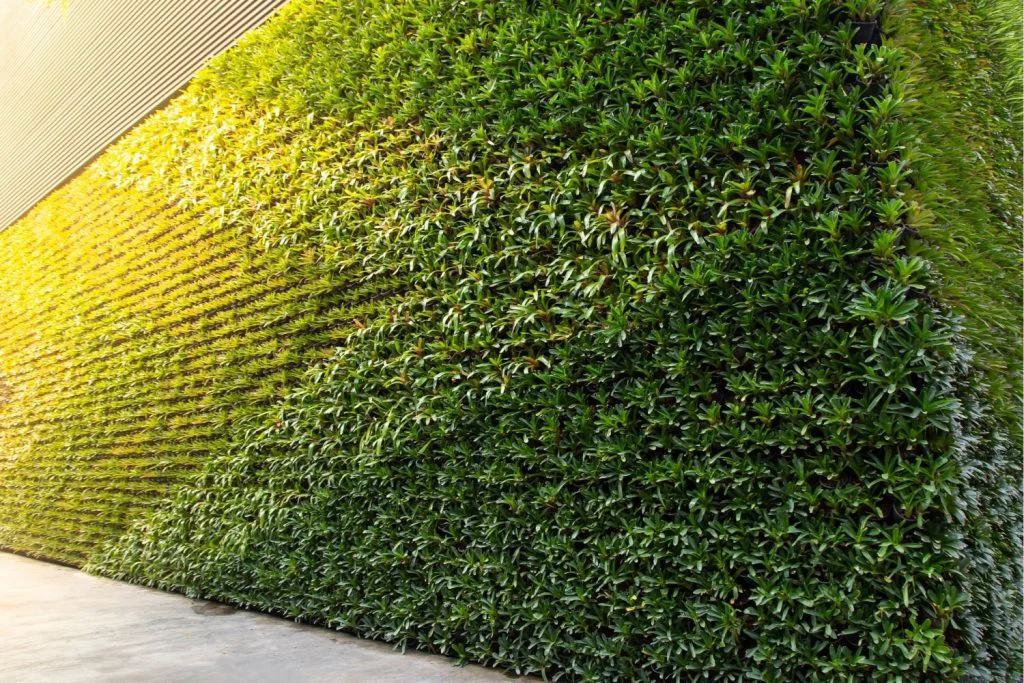
vertical-garden-irrigation

Irrigation Methods Used in Vertical Gardens

Irrigation in vertical gardens requires special solutions in terms of efficient use of space and effective distribution of water. The main irrigation methods used in such gardens are as follows:

  • Drip Irrigation: Drip irrigation is one of the most effective irrigation methods commonly used in vertical gardens. Water is delivered directly and in a controlled manner to the roots of the plants. Drip irrigation systems can be integrated into the vertical structure and a separate water line can be created for each layer.
  • Misting System: Misting systems are especially suitable for indoor vertical gardens. In this system, water is spread into the air as a fine mist and distributed to the leaves of the plants in the form of water vapor. This method helps maintain humidity and meets the water needs of the plants.
  • Hydroponic Irrigation Systems: In hydroponic systems, water and nutrients are provided by a method that ensures the roots circulate continuously in water. This method allows plants to grow without using soil and is widely used in vertical farming.
  • Soilless (Aeroponic) Irrigation: Aeroponic irrigation is the feeding of plants by spraying water so that their roots remain suspended in the air. In this system, roots take in the moisture of the water and plants are fed by the evaporation of the water. In vertical farming, this method is especially suitable for those who want to save space.
  • Closed-Loop Irrigation: In closed-loop irrigation systems, water is used by continuously returning. This method ensures the recycling of water, especially in vertical farming, and offers a sustainable irrigation solution. In this system, most of the water can be reused by filtering.

Irrigation in vertical gardens requires systems customized according to the water needs of the plants. The choice of irrigation system should be made according to local climate conditions, plant species, and the efficiency of the system. These methods support the healthy development of plants as well as providing water savings.

Vertical Garden Irrigation is Very Easy with esular Smart Irrigation Systems!

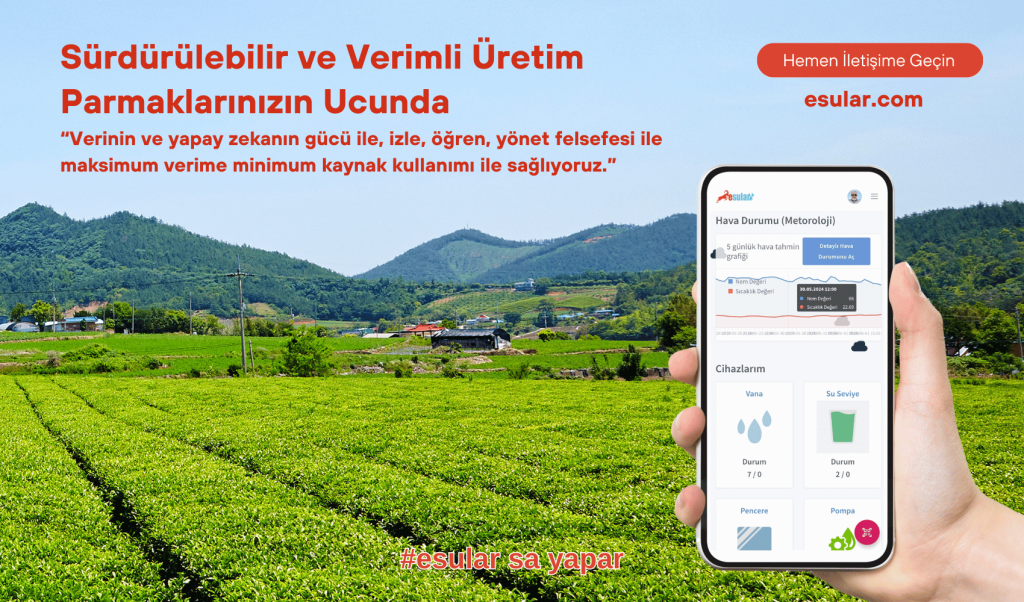
Don't worry about the maintenance of your vertical gardens anymore! esular Smart Irrigation Systems allow you to effortlessly manage irrigation and fertilization that meet the needs of your plants with solutions developed for both your indoor and outdoor gardens.

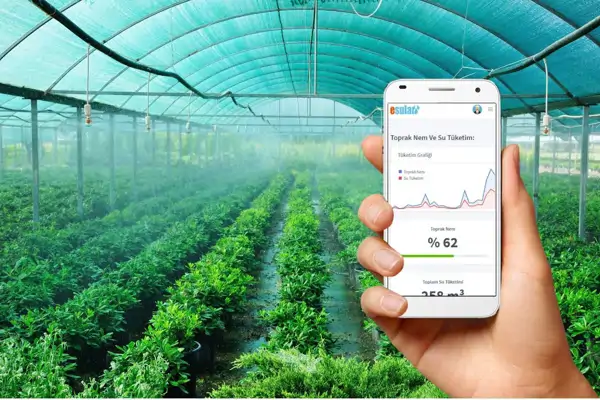
With the possibility of control via a single mobile application, you can instantly monitor and manage irrigation, fertilization, EC, and pH values. esular solutions both protect your plants and offer a sustainable experience by using resources efficiently.

🌿 Remote Management: Manage all processes of your garden with a single touch, wherever you are.
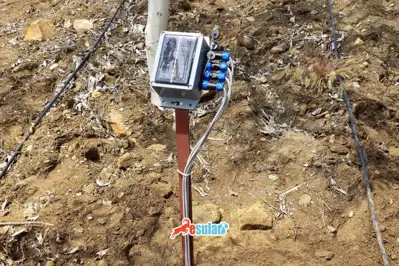
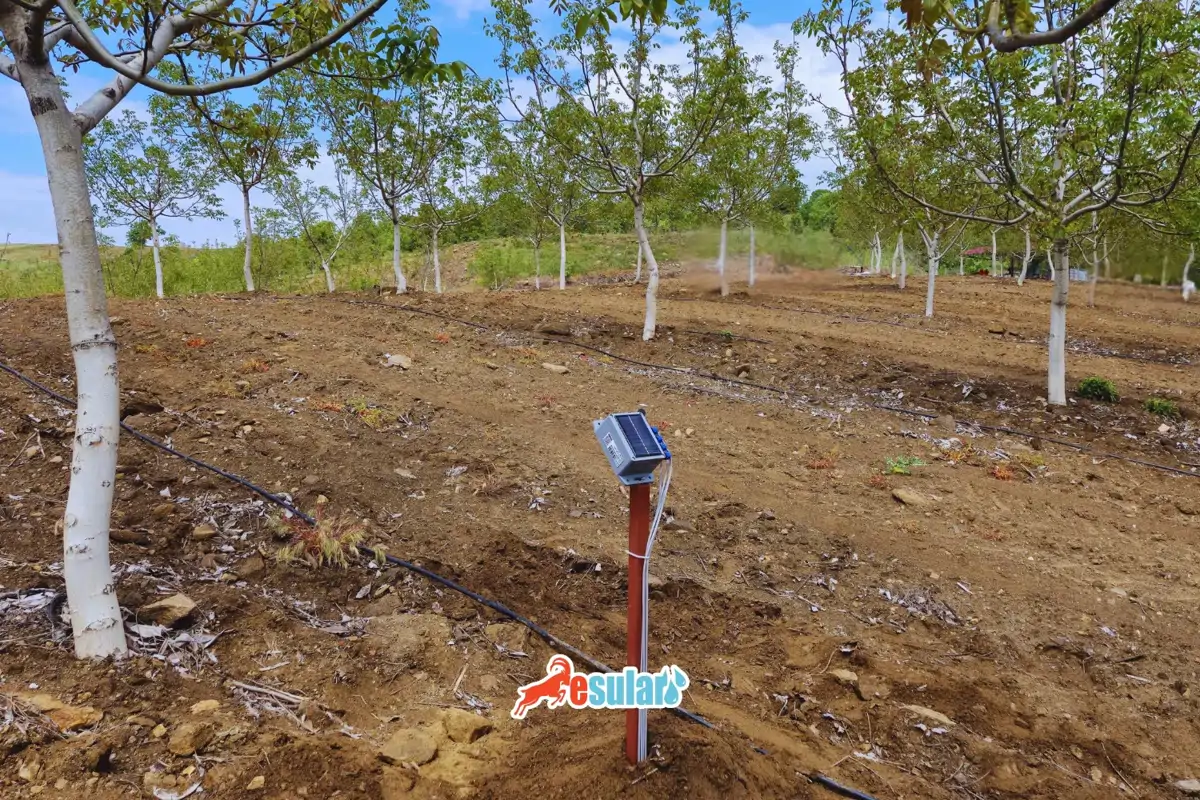
🌿 Full Automation: Everything is under control thanks to sensors that optimize EC, pH, soil moisture, ambient humidity, temperature, and more.
🌿 Indoor and Outdoor Compatible: Achieve perfect results regardless of the location where your vertical gardens are located.
🌿 Energy and Time Savings: Manage irrigation and fertilization processes in the most efficient way with our smart systems.

You are at the right place to take your system one step further with smart technologies. To meet our solutions that will add value to your green areas, contact us!

esular-sustainable-agriculture-technologies

Yorumlar

Daha Fazla İçerik İster misiniz?

Akıllı tarım hakkında en güncel içerikleri takip edin.