The Importance of Conductivity (EC) and pH Values in Fertilization
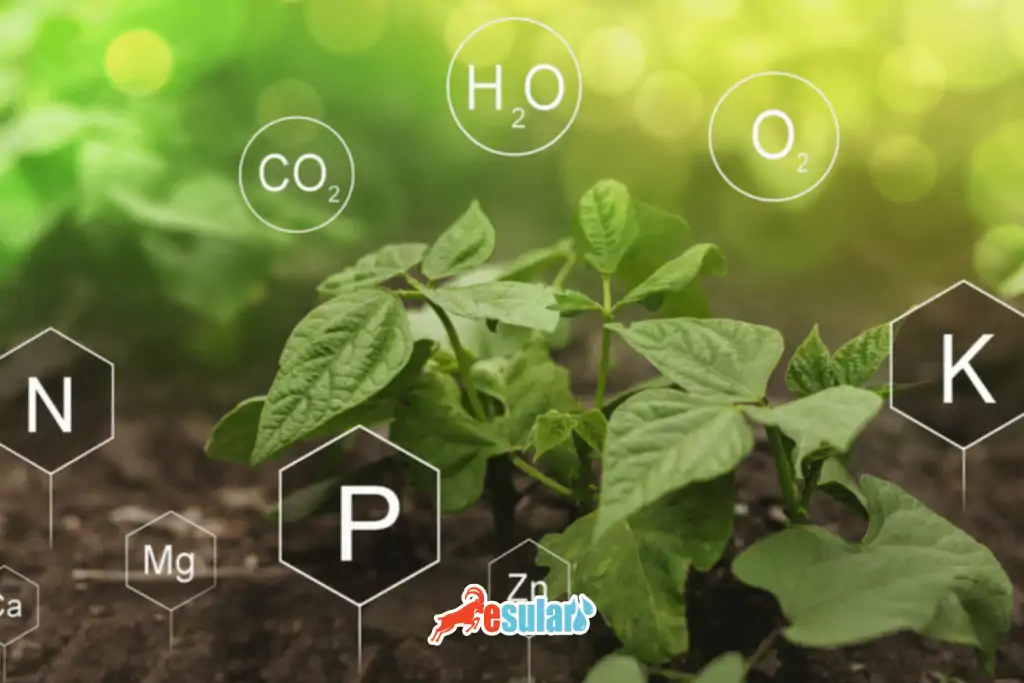
The physical and chemical properties of the soil are very important for the effective absorption of nutrients in the soil by plants. The main properties of these are the pH value of the soil and the conductivity of the soil. In light of these values, fertilization and irrigation operations are carried out more accurately. For example, if acidic soil has high EC values, plants should be fed with fertilizers that have low salt and acid-regulating properties. Similarly, if alkaline soil has low EC values, it would be more appropriate to support the plants with alkaline soil fertilizers. Therefore, the pH value and conductivity of the soil are important parameters to ensure the correct nutrition of plants. Careful evaluation of these values and the application of appropriate fertilization and irrigation strategies ensure the healthy growth of plants and a productive harvest.
What is Soil Conductivity?
Soil conductivity (EC) is a value that measures how well the salts and ions in a soil sample can conduct an electric current. The electric current is carried between ions in the soil, and the intensity of this current varies depending on the amount of salts and minerals in the soil. The EC value reflects the mobility of ions in the soil and the physical properties of the soil structure. The EC value is used to determine the salinity level in the soil. High EC values indicate a high concentration of salt in the soil, which is harmful to plants. High salinity prevents plants from taking up water and causes toxic effects. Optimal EC values indicate that the nutrients plants need are present in the soil in a balanced way. Soil conductivity can also be used as an indicator of soil structure and quality. Changes in the soil structure can cause fluctuations in the soil conductivity values. This is important for assessing soil health and developing soil improvement strategies.
You can review our article What is EC?
How to Detect Soil Salinity?
When determining the salinity level, three main factors should be considered: EC (Electrical Conductivity), SAR (Sodium Adsorption Ratio), and the accumulation of toxic substances. The first step in eliminating salinity is to correctly understand the source of this problem. Accurate identification of the factors causing salinity is crucial for developing effective solutions. Once these problems are correctly identified, short-term or long-term methods are developed.
What is Soil pH?
The pH value of the soil indicates the acidity or alkalinity of the soil. Suitable pH values for plants can change according to the plant species and needs. For example, some plants like azaleas develop better in acidic soil, while other plants, such as lavender, develop better in alkaline soil. Generally, the suitable pH range for plants is between 6 and 7.5. The pH value of the soil directly affects the ability of plants to absorb nutrients. In addition, the pH of the soil also affects the absorption of some toxic metals in the soil by plants.
Why is an EC and pH Sensor Important?
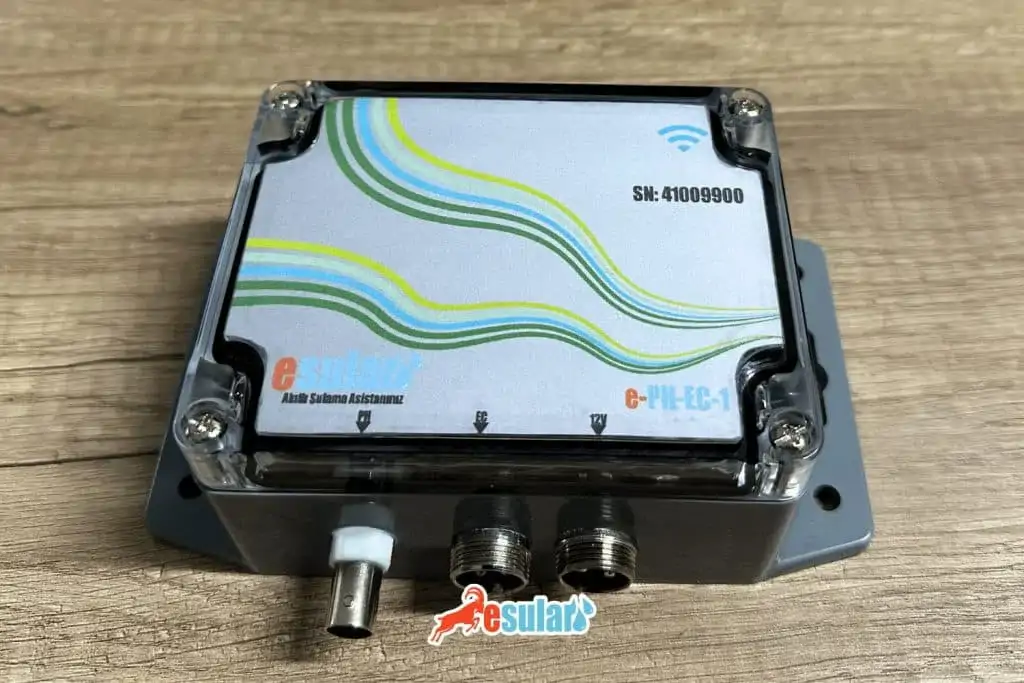
EC (Electrical Conductivity) and pH sensors are used to measure the quality of irrigation water. These sensors help to quickly and accurately determine the mineral content, salinity level, and acidity (pH) level of irrigation water. Knowing these properties of irrigation water accurately in home or professional farming practices is very important for plant health and productivity. Thanks to EC and pH sensors, you can quickly and accurately measure whether your irrigation water and fertilizer have the correct values. Depending on the nutrient levels determined in your soil analysis and your soil structure, you can determine the EC and pH values your plants need.
Correct EC values ensure that your plants do not experience salt stress and receive optimal nutrition. Similarly, correct pH levels help your plants' roots absorb nutrients more effectively. The use of these sensors allows you to constantly monitor the quality of your irrigation water and fertilizer and adjust it when necessary. This helps optimize the health, productivity, and overall growth conditions of your plants. As a result, EC and pH sensors, together with your soil analysis, ensure that your irrigation water and fertilizer have the correct values, supporting the optimal growth and development of your plants. For detailed information, you can contact us via our contact number.