Importance of Conductivity (EC) and pH Values in Fertilization

24 Ocak 2026 Çağla Altıntaş 1 görüntülenme
Tüm Yazılar

Importance of Conductivity (EC) and pH Values in Fertilization

For the nutrient elements in the soil to be effectively absorbed by plants, the physical and chemical properties of the soil are quite important. The main ones among these properties are soil pH value and soil conductivity. In light of these values, fertilization and irrigation processes are carried out more accurately. For example, if there are high EC values in an acidic soil, plants need to be fed with fertilizers that have less salinity and acid-regulating properties. Likewise, if there are low EC values in an alkaline soil, it is more appropriate to support the plants with alkaline soil fertilizers. Therefore, soil pH value and conductivity are important parameters to provide suitable nutrition for plants. Careful evaluation of these values and the application of appropriate fertilization and irrigation strategies ensure the healthy growth of plants and efficient crop yields.

What is Soil Conductivity?

Soil conductivity (EC) is a value that measures how well the salts and ions in a soil sample can conduct electric current. Electric current is carried between ions present in the soil, and the intensity of this current varies depending on the amount of salts and minerals present in the soil. The EC value reflects the mobility of ions within the soil and the physical properties of the soil structure. The EC value is used to determine the salinity level in the soil. High EC values indicate high salt concentrations in the soil, which is harmful to plants. High salinity prevents water uptake by plants and causes toxic effects. Optimum EC values show that the nutrients needed by plants are present in the soil in a balanced way. Soil conductivity can also be used as an indicator of soil structure and quality. Changes in soil structure can cause fluctuations in soil conductivity values. This is important for evaluating soil health and developing soil improvement strategies.

You can review our article What is EC

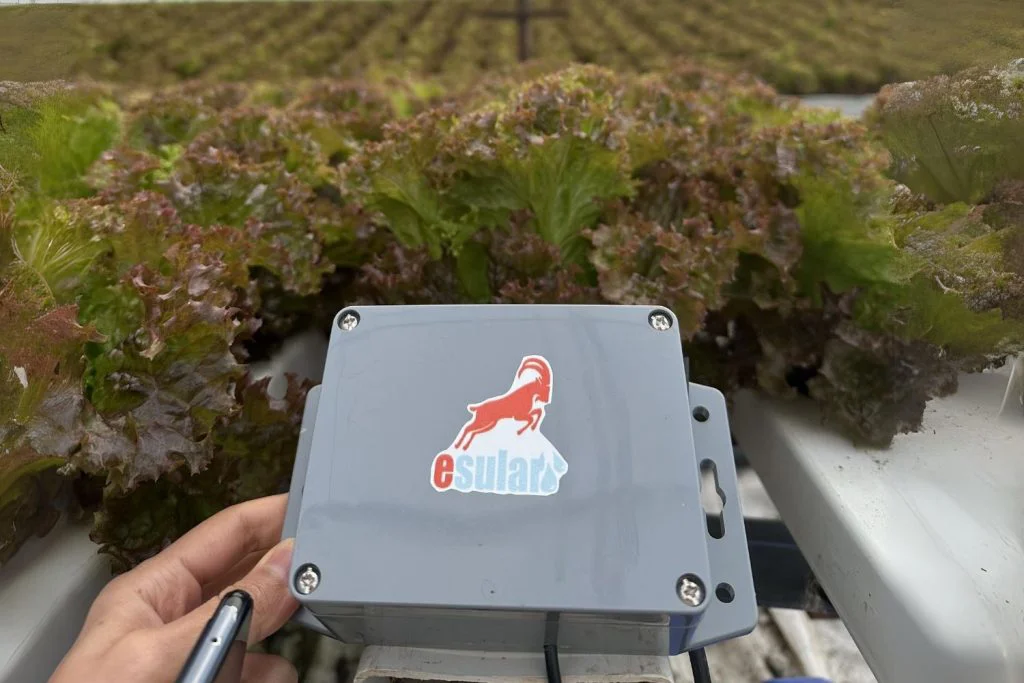
ec-sensor

How is Soil Salinity Detected?

When determining the salinity level, it is necessary to focus on three key factors: EC (Electrical Conductivity), SAR (Sodium Absorption Ratio), and toxic substance accumulation. The first step to overcoming salinity is to correctly understand the source of this problem. Correct identification of the factors causing salinity is very important for developing effective solution methods. Once these problems are correctly identified, short or long-term methods are developed. 

What is Soil pH?

The soil pH value indicates the degree of acidity or alkalinity of the soil. Suitable pH values for plants can vary depending on the plant species and its needs. For example, some plants such as azalea grow better in acidic soils, while other plants such as lavender grow better in alkaline soils. In general, the suitable pH range for plants is between 6 and 7.5. Soil pH value directly affects the capacity of plants to absorb nutrients. Additionally, soil pH also affects the absorption of some toxic metals present in the soil by plants.

Why are EC and pH Sensors Important?

EC (Electrical Conductivity) and pH sensors are used to measure the quality of irrigation water. These sensors help to quickly and precisely determine the mineral content, salinity level, and acidity (pH) level of irrigation water. Knowing these properties of irrigation water accurately in home or professional agricultural applications is very important for plant health and productivity. Thanks to EC and pH sensors, you can quickly and precisely measure whether your irrigation water and fertilizer have the correct values. Based on the nutrient levels determined in your soil analyses and your soil structure, you can determine the EC and pH values your plants need.

Correct EC values ensure that your plants do not experience salt stress and are fed in the most optimal way. Likewise, correct pH levels help your plants' roots absorb nutrients more effectively. The use of these sensors allows you to constantly check the quality of your irrigation water and fertilizer and adjust them when needed. This helps you optimize the health, productivity, and general growth conditions of your plants. As a result, EC and pH sensors, along with your soil analyses, ensure that your irrigation water and fertilizer have the correct values, supporting the best growth and development of your plants. For more detailed information, you can reach us via our contact number.

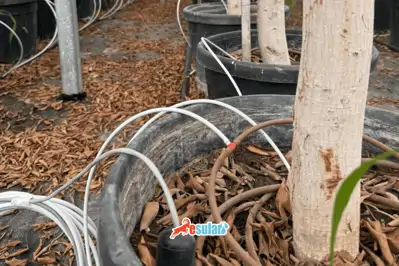
gubreleme

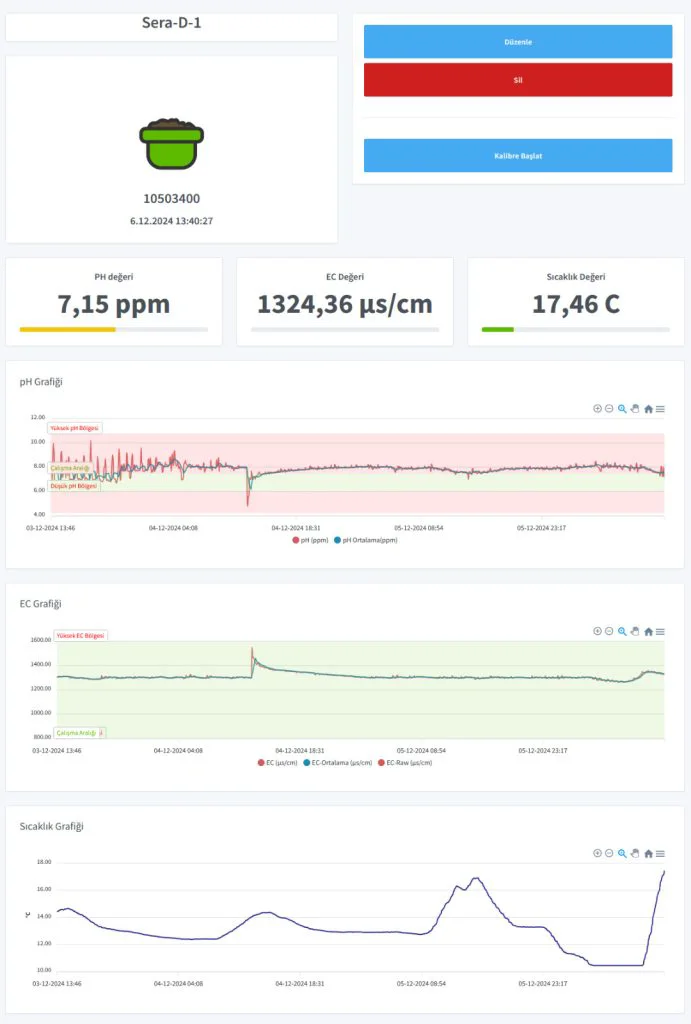
“Below, you can examine sample images of our application's interface. You can easily track and manage all sensor information through a single platform. Additionally, by defining automatic sections through our application, you can easily perform automatic fertilization processes according to the pH and EC ranges you want. 

pH-EC

Yorumlar

Daha Fazla İçerik İster misiniz?

Akıllı tarım hakkında en güncel içerikleri takip edin.