
Introduction: The Rising Role of Blowers in Agricultural Production
Modern agriculture is constantly turning to new technologies to meet the increasing food needs of the world population and protect natural resources. Leading these technologies are industrial blowers, which have revolutionized agricultural fertilization processes. The inefficiency, labor costs, and environmental impacts created by traditional fertilization methods are pushing farmers towards more precise, controllable, and sustainable solutions. At this point, blowers, which are mechanical devices that move gases or air under a certain pressure, play a critical role in agricultural fertilization.
Industrial blowers work by producing air or gas flow at pressures much higher than a simple fan can provide. Thanks to these features, it becomes possible to pneumatically transport fertilizers, distribute them homogeneously, and apply them precisely to plant root zones. Especially precision agriculture blowers increase nutrient use efficiency, minimize fertilizer waste, and reduce environmental pollution by ensuring that fertilizers are applied at the right time, in the right amount, and in the right place. This article will deeply examine how industrial blowers work in agricultural fertilization, which types are used, their importance in terms of energy efficiency, and how they can be integrated with Esular's smart agriculture solutions. Our goal is to provide a comprehensive guide for farmers and agricultural professionals in understanding and applying this innovative technology.
In today's agriculture, productivity and environmental sustainability are among the primary goals of farmers. While fertilization is vital for plant development and yield, wrong applications can cause both economic losses and harm to the environment. Industrial blowers in agricultural fertilization are powerful and precise tools designed to overcome these challenges. Blowers offer the ability to distribute fertilizer particles evenly over large areas or specific plant rows by carrying them with air current. This saves time and labor, especially for large-scale agricultural enterprises, while also encouraging more effective use of fertilizers by plants.
Working Principles of Industrial Blowers and Fertilization Mechanisms
Blowers are mechanical devices that form the basis of industrial processes and work with similar principles in agricultural fertilization. Basically, they create a pressure difference by moving air or other gases. This pressure difference allows fertilizer particles to be transported from one place to another. The blower working principle is the key to the homogeneous distribution of fertilizers.
Pneumatic Conveying: The Journey of Fertilizers with Air Flow
The most common use of blowers in agricultural fertilization is the pneumatic conveying of fertilizers in granule or powder form. In these systems, the high-speed air current produced by the blower carries fertilizer particles from a hopper or tank to the application point. This mechanism offers many advantages over traditional mechanical conveying systems:
- Homogeneous Distribution: The air current prevents fertilizer particles from sticking together or clumping, ensuring a much more homogeneous distribution. This means every plant or planting area receives an equal amount of nutrients.
- Precision and Control: The speed and pressure settings of the blower allow for precise control of the fertilization dosage and distribution pattern. This is critical, especially for precision agriculture applications like variable rate fertilization (VRT).
- Fast Access to Large Areas: Pneumatic systems can carry fertilizers over long distances and large areas quickly, saving time in large-scale fields.
- Less Mechanical Wear: Since the direct contact of fertilizers with mechanical parts is reduced, the abrasive effect of fertilizers on equipment decreases, lowering maintenance costs.
- Flexibility: Transporting fertilizer through pipelines offers flexible application possibilities even on uneven terrain or difficult access points.
Pneumatic conveying of fertilizers usually starts with a dosing unit (e.g., rotary valve or screw feeder). This unit ensures the fertilizer enters the air current created by the blower at a specific speed and amount. The air-fertilizer mixture is then directed through pipelines to distribution nozzles or outlets, from where it is applied to the field or greenhouse.
Pressure and Flow Balance
The performance of blowers in fertilization systems depends on the balance between the pressure they produce and the flow rate (air flow speed). Sufficient pressure ensures that fertilizer particles move through pipelines by overcoming friction losses, while sufficient flow guarantees the desired fertilization rate and distribution width. These two parameters are fundamental factors in the design of the fertilization system and blower selection.
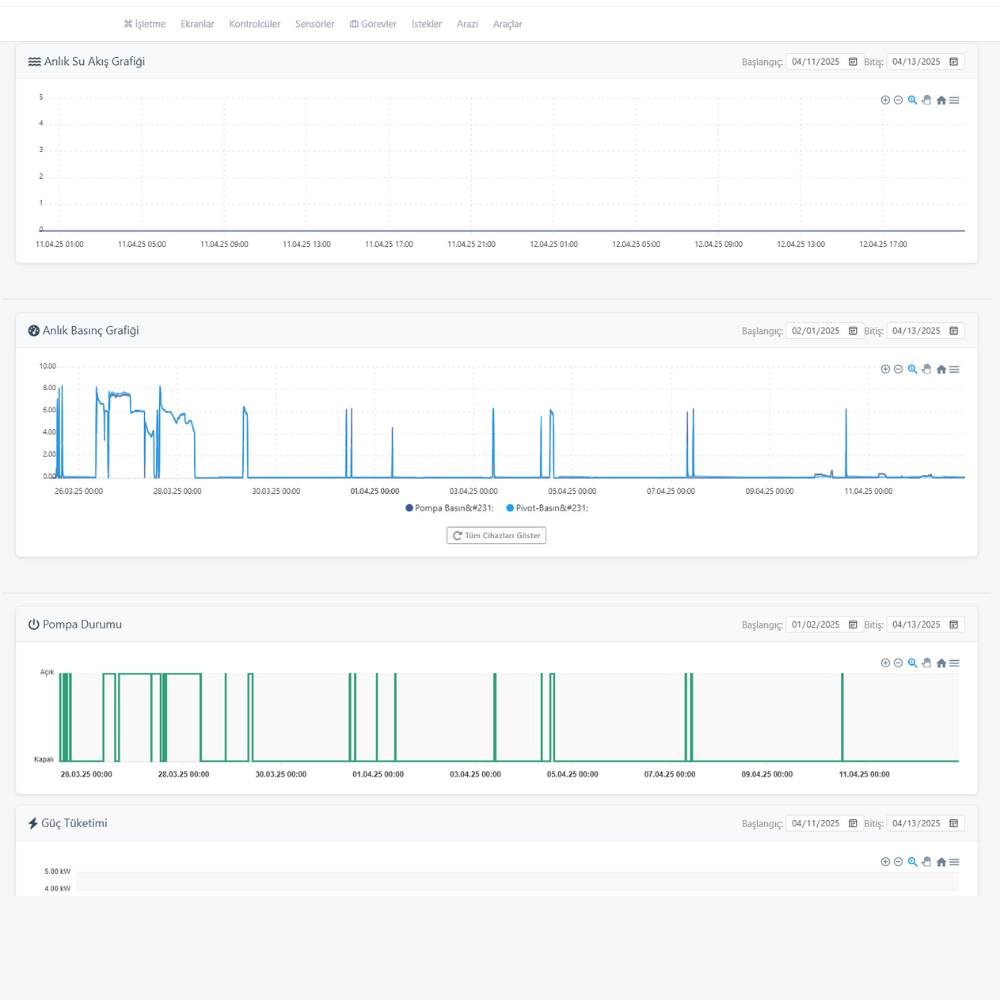
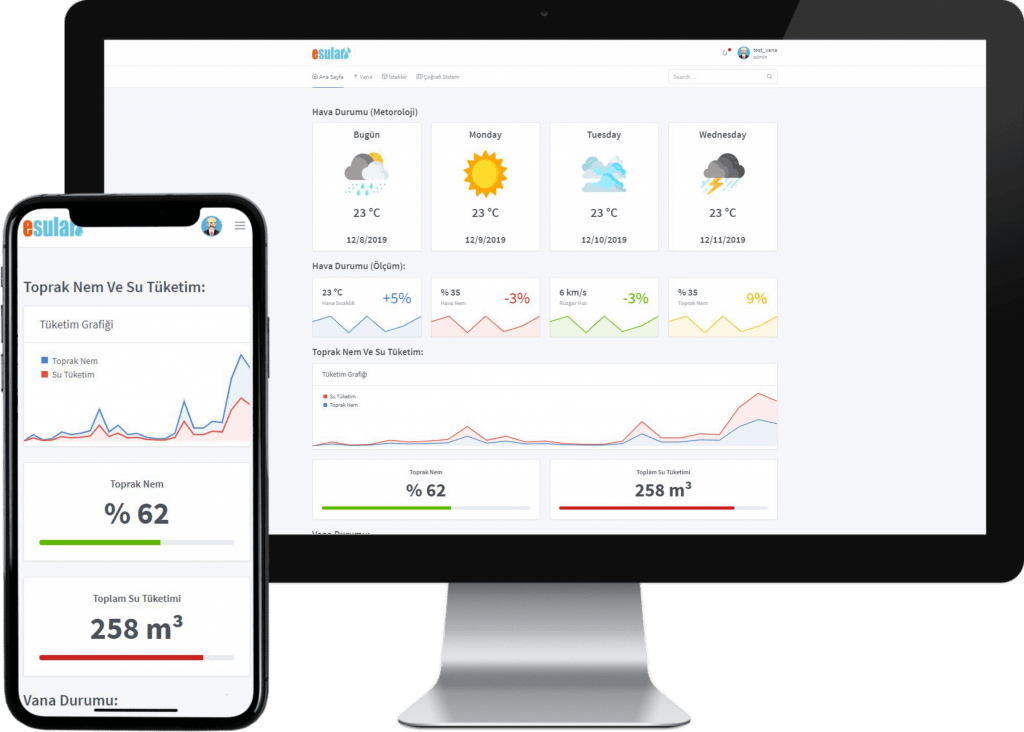
Esular's smart agriculture solutions can be integrated with sensor technologies and automation to further optimize these pneumatic fertilization systems. For example, soil moisture sensors determine when and how much fertilizer should be given, while smart control units adjust the blower's operating parameters according to this data to maximize fertilization precision.
Blower Types and Technical Specifications Used in Agricultural Fertilization
There are various types of blowers available on the market for different industrial needs, including agricultural fertilization. Each type offers different working principles and technical specifications, making it more suitable for specific fertilization scenarios. The most commonly used blower types and their roles in agricultural fertilization are as follows:
1. Centrifugal Blowers: High Flow, Large Areas
Centrifugal blowers are types that accelerate and pressurize air or gas using centrifugal force through a rotating impeller. These blowers are generally preferred in applications requiring high air flow. In agricultural fertilization, centrifugal blowers are effective especially in broadcast fertilization systems where granular fertilizers need to be distributed evenly over large areas.
2. Positive Displacement Blowers (Roots Type, etc.): High Pressure, Precise Dosage
Positive displacement blowers are blowers that transport a specific volume of air or gas by 'trapping' it from the inlet to the outlet. These blowers can produce higher pressures than centrifugal types and are generally used in processes requiring constant flow. In agricultural fertilization, positive displacement blowers are ideal especially for applications where precise dosing and direct application of fertilizer to plant root zones are required.
Side Channel Blowers can also be considered in the category of positive displacement blowers. These are more compact and quiet-running alternatives that create pressure by accelerating air flow along peripheral channels. They can be preferred especially in small-scale or specialized fertilization applications.
Importance of Technical Specifications
When comparing industrial blower prices and technical specifications, the requirements of the application must be carefully analyzed. The basic technical specifications to consider when choosing a blower are:
- Flow Rate (m³/hour or CFM): The volume of air the blower can carry per unit of time. It is critical for the size of the area to be fertilized and the desired application speed.
- Pressure (mbar, kPa, psi): The maximum pressure the blower can produce. It is directly related to fertilizer transport distance, pipeline diameter, and the density of fertilizer particles.
- Motor Power (kW, HP): The power of the motor driving the blower. It varies according to flow and pressure requirements and directly affects energy consumption.
- Efficiency: Indicates how effectively energy is converted into air flow. Higher efficiency means lower operating costs.
- Noise Level (dB): An important factor especially in facilities close to residential areas or enclosed environments like greenhouses.
- Material and Construction: It is important that it is made of materials resistant to the abrasive or corrosive properties of fertilizers.
- Certifications (ATEX): Special ATEX-certified models may be required for use in hazardous areas (e.g., environments with flammable dust).
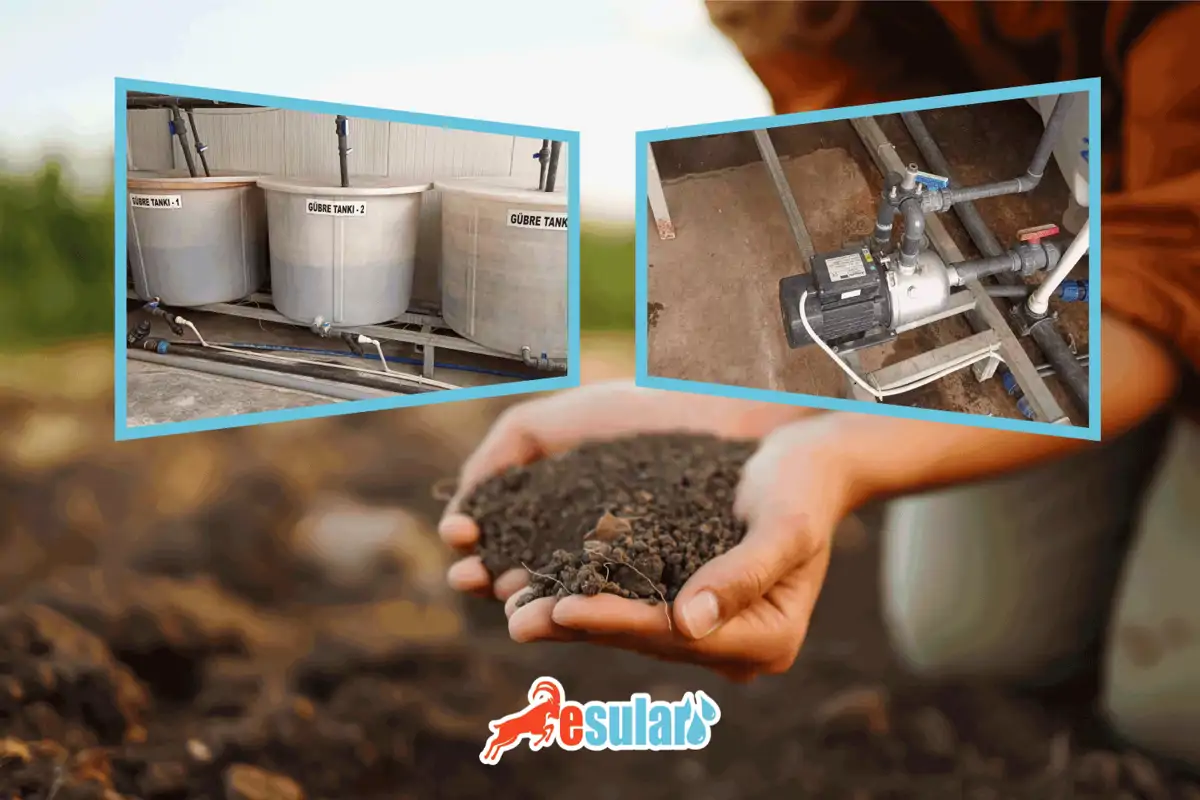
As Esular, we provide comprehensive consultancy services to offer the most efficient and durable blower solutions suitable for your agricultural enterprise's specific fertilization needs. Blower systems working integrated with our smart control units and sensors maximize your fertilization efficiency.
Application Areas and Examples of Blowers in Agricultural Fertilization
Industrial blowers offer a wide range of applications in agricultural fertilization, providing various advantages to farmers. These advantages stand out especially in modern agricultural practices requiring precision, homogeneity, and labor savings. Here are the main application areas and usage examples of blowers in agricultural fertilization:
1. Variable Rate Fertilization (VRT) Systems
Variable rate fertilization (VRT) is a precision agriculture application that allows different parts of a field to be fed with different amounts of fertilizer. According to needs determined by data such as soil analysis, satellite imagery, or soil moisture sensors, blower-controlled fertilization systems adjust the fertilizer flow instantly to make parcel-specific applications. This prevents fertilizer waste, optimizes plant nutrient uptake, and minimizes environmental impact.
- Usage Example: In large-scale corn or wheat fields, pneumatic fertilization equipment is used to apply different nitrogen dosages according to soil fertility maps. Blowers ensure the fertilizer is transported homogeneously from the dosing unit to the distribution heads.
2. Inter-row Fertilization
In some crop production systems, applying fertilizer directly to plant rows or close to root zones reduces nutrient loss and increases plant uptake. Blower-assisted systems are ideal for this type of localized fertilization.
- Usage Example: In vegetable or fruit orchards, thin pipelines and blowers are used to precisely drop fertilizers right next to young seedlings or in areas close to the root systems of fruit trees. This simultaneously increases water and fertilizer efficiency, especially when integrated with drip irrigation systems (fertilization with drip irrigation).
3. Greenhouse Fertilization and Climate Integration
In controlled environments like greenhouses, the integration of fertilization and climate control systems is of great importance. Blowers play a key role both in the distribution of fertilizers and in providing air circulation within the greenhouse.
- Usage Example: Within greenhouse automation systems, blowers can be used to evaporate liquid fertilizers or ensure powder fertilizers reach plants by mixing them with air. Additionally, blowers help distribute the air within the greenhouse homogeneously, contributing to the optimization of temperature, humidity, and CO2 levels (CO2-Humidity-Temperature Sensor). This integration directly affects plant health and yield.
4. Seedling and Sapling Fertilization
Young plants have sensitive nutritional needs. Blowers offer gentle and controlled fertilization opportunities that prevent damage to seedlings.
- Usage Example: In seedling production facilities or nurseries, specially designed blower systems are used to precisely apply fertilizers to small pots or trays. This ensures every seedling receives the necessary nutrients for optimum growth.
5. Organic Fertilizer and Compost Applications
Organic fertilizers and compost can have a more heterogeneous structure compared to traditional chemical fertilizers. Blowers can also help distribute such materials effectively.
- Usage Example: Blower-assisted systems can be used especially in the broadcast application of granular organic fertilizers or dried compost over large areas. This improves soil health by increasing soil organic matter content and reduces dependence on chemical fertilizers.

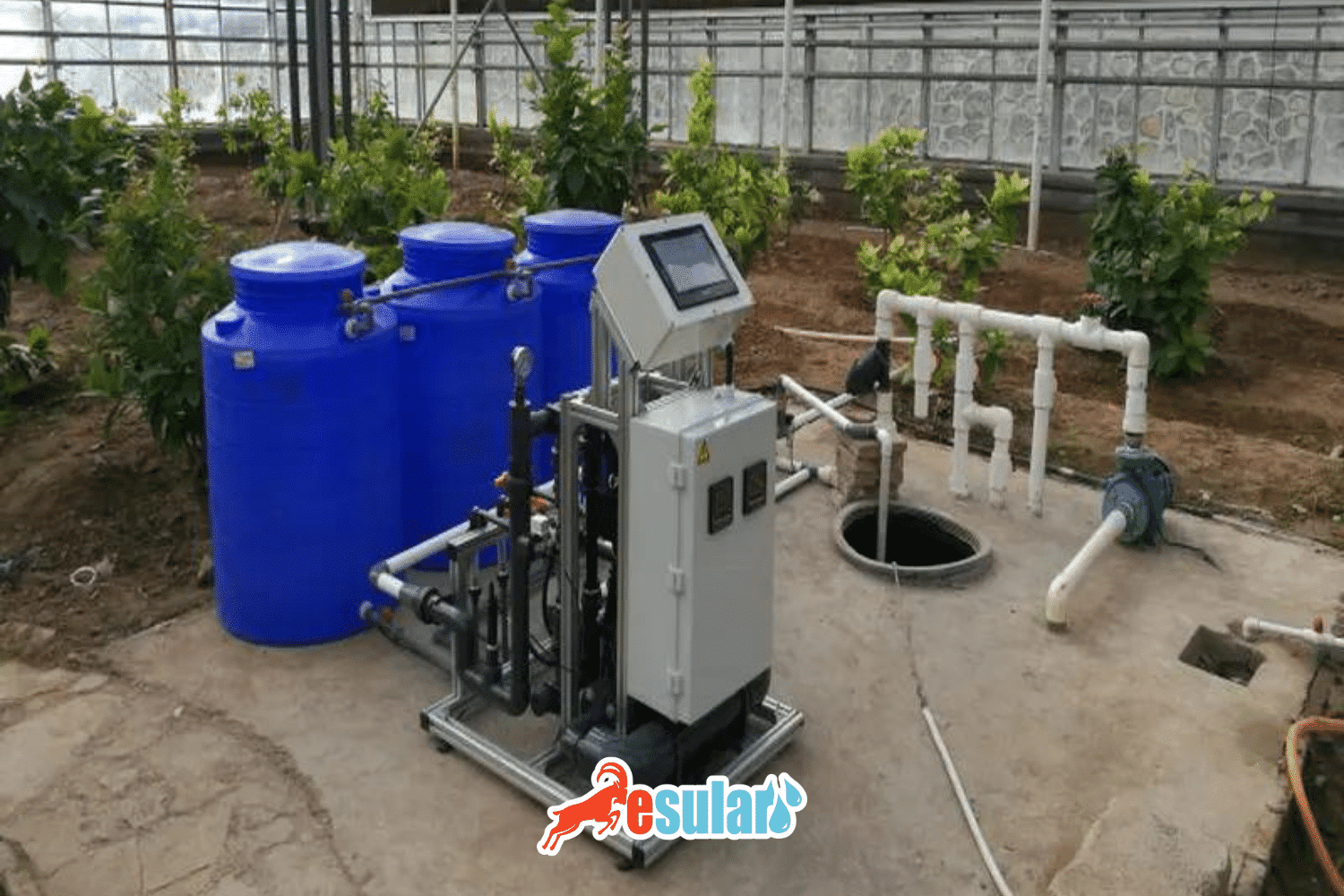
Solutions like Esular's Digital Fertilization Assistant can make blower-based fertilization systems even smarter, creating automatic fertilization recipes based on soil analysis results and optimizing blower parameters in real-time during application. This provides farmers with maximum efficiency and minimum input costs.
Blower Selection for Energy Efficiency and Sustainable Fertilization
Energy costs are a significant expense in industrial facilities, and agricultural enterprises are not exempt from this. The energy efficiency of industrial blowers is a critical factor directly affecting total operating costs. Especially in systems that run continuously or regularly like fertilization, correct blower selection and energy-saving methods can provide significant gains in the long run and play a key role in achieving sustainable agriculture goals.
Correct Blower Type and Sizing
The answer to the question of which blower type is more efficient depends on the specific requirements of the application:
- Centrifugal Blowers: Generally, they can offer higher efficiency at a specific operating point (a specific combination of flow and pressure). If your fertilization application's air flow and pressure needs are relatively constant and predictable, a centrifugal blower might be a more energy-efficient choice.
- Positive Displacement Blowers: They have the advantage of offering constant flow over a wide operating range and are less sensitive to pressure changes. In applications requiring flexibility for variable fertilization rates or different fertilizer types, positive displacement blowers might be a better choice for overall system efficiency. These types of blowers indirectly save energy and resources by reducing fertilizer waste through their precise dosing capabilities.
An incorrectly sized blower can lead to unnecessarily high energy consumption. A blower that is too large may be inefficient when operating at low load, while a blower that is too small may consume more energy by being overstrained to provide the desired performance and may shorten its lifespan. Therefore, correct sizing should be done by considering all parameters of the fertilization system such as flow, pressure, fertilizer type, and application area.
Energy-Saving Technologies and Methods
- Variable Speed Drives (VSD): VSDs, which adjust the speed of the blower motor and thus the air flow and pressure according to need, are one of the most effective ways to provide energy savings. In cases where fertilization needs change during the day or seasonally, VSDs ensure the blower always operates at optimum efficiency.
- High-Efficiency Motors: High-efficiency motors such as IE3 or IE4 class consume less energy than traditional motors and lower operating costs.
- Advanced Aerodynamic Designs: Innovations in blower impeller and housing designs allow more air flow and pressure to be produced with less energy.
- Automation and Control Systems: Blower control systems integrated with smart irrigation technologies ensure that energy is spent only when needed and as much as necessary by adjusting fertilization parameters according to real-time sensor data (soil moisture, plant nutrient needs, etc.). This optimizes energy consumption while preventing fertilizer waste. Solutions like Esular's Smart Pump Station Packages are ideal for providing this integration.
Optimizing existing systems by performing energy efficiency analysis or making the right decisions in new investments provides significant gains both economically and environmentally in the long run. Sustainable fertilization requires optimizing not only fertilizer use but also the energy spent in this process. Esular, with its expertise in this field, helps farmers both lower their costs and reduce their environmental footprint by offering the most suitable and energy-efficient blower solutions.
Maintenance, Repair, and Longevity in Blower Systems
Since industrial blowers are at the heart of agricultural fertilization systems, regular and correct maintenance is vital for their long-lasting and trouble-free operation. Neglecting maintenance can lead to unexpected failures, high repair costs, decreased energy efficiency, and most importantly, interruptions in fertilization processes. So, how is blower maintenance performed and what steps should be followed to extend the life of the system?
Regular Maintenance Steps: Protect the Health of Your Blower Systems
The basic maintenance steps that should be applied to keep blower systems operating efficiently include:
- Lubrication: Moving parts of the blower, such as bearings and gears, should be regularly lubricated with appropriate oil or grease to reduce friction and prevent wear. The lubrication schedule and oil type specified by the manufacturer must be strictly followed. Incorrect lubrication can cause premature failures.
- Filter Control and Replacement: The air inlet filter protects internal components by preventing dust, dirt, and other foreign materials from entering the blower. Clogged filters restrict air flow, cause the blower to consume more energy, and decrease its performance. Therefore, filters should be periodically checked, cleaned, or replaced with a new one when necessary. This step is much more critical, especially in dusty agricultural environments.
- Belt Tension and Condition (in Belt-Driven Models): In belt-driven blower models, the tension and condition of the belts should be checked regularly. Loose belts lead to energy loss, while over-tightened belts can damage bearings. If there are signs of cracks, wear, or fraying on the belts, they should be replaced immediately.
- Vibration and Noise Control: Abnormal vibration or noise during blower operation can be a sign of imbalance, bearing failure, or other mechanical problems. Vibration and noise levels should be monitored regularly, and the causes should be investigated and resolved when any abnormality is detected.
- General Cleaning and Air Flow Control: The area around the blower and air inlet/outlet vents should be kept clean, and any debris (dust, fertilizer residues, plant remains) that could block air flow should be cleaned regularly. A clean working environment prevents the blower from overheating and ensures efficient operation.
- Hose and Pipeline Control: Hoses and pipelines used in the fertilizer transport system should be checked for blockages, holes, or wear. Such damages can disrupt the homogeneity of fertilizer distribution and decrease system efficiency.
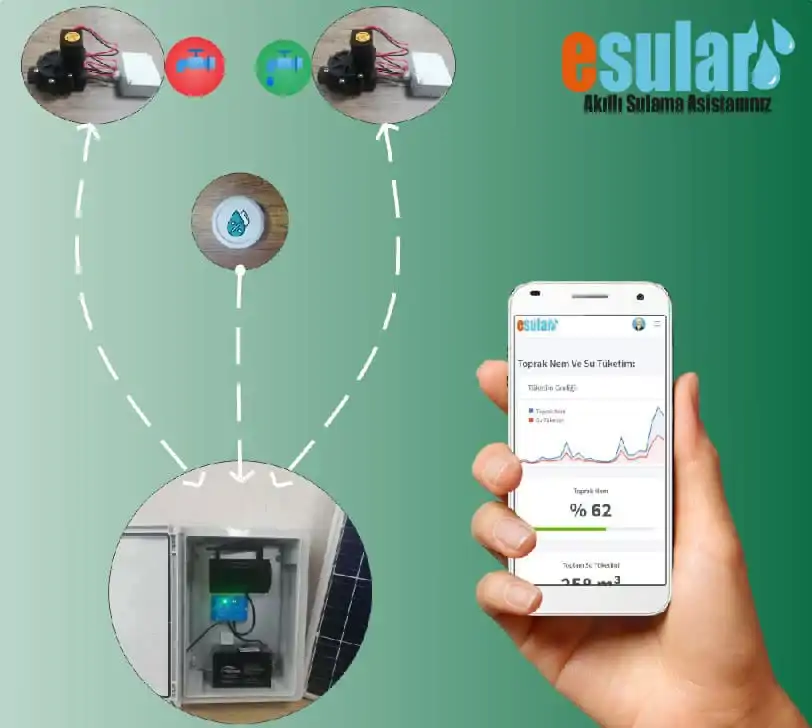
Esular's smart automation systems offer remote monitoring and predictive maintenance features to facilitate the maintenance processes of blowers. Through sensors, parameters such as the blower's operating temperature, vibration levels, and energy consumption can be continuously monitored. When an abnormal situation is detected, the system automatically gives a warning, helping to prevent potential failures. In this way, planned maintenance becomes more effective and unexpected downtimes are minimized.
Current Market Trends and Future Forecasts in Agricultural Blower Technologies
Agricultural blower technologies are undergoing a constant evolution in parallel with the dynamic needs of modern agriculture. The search for efficiency, sustainability, and operational ease triggers innovations in this field. Future agricultural fertilization blowers aim to offer smarter, more integrated, and more environmentally friendly solutions. Here are the current market trends and future forecasts:
1. Smart Blowers and IoT Integration
The Internet of Things (IoT) is one of the most important trends making agricultural blowers smarter. Thanks to IoT integration, blowers are becoming remotely monitorable, controllable, and optimizable. This provides farmers with the following advantages:
- Remote Monitoring and Control: Farmers can remotely monitor and control blower systems in the field through mobile applications or web-based platforms (Esular Digital Agriculture Solutions). This lowers labor costs and increases operational flexibility.
- Predictive Maintenance: Potential failures can be predicted in advance by continuously analyzing the blower's operating data (temperature, vibration, pressure, current, etc.). In this way, planned maintenance can be performed and unexpected downtimes are minimized.
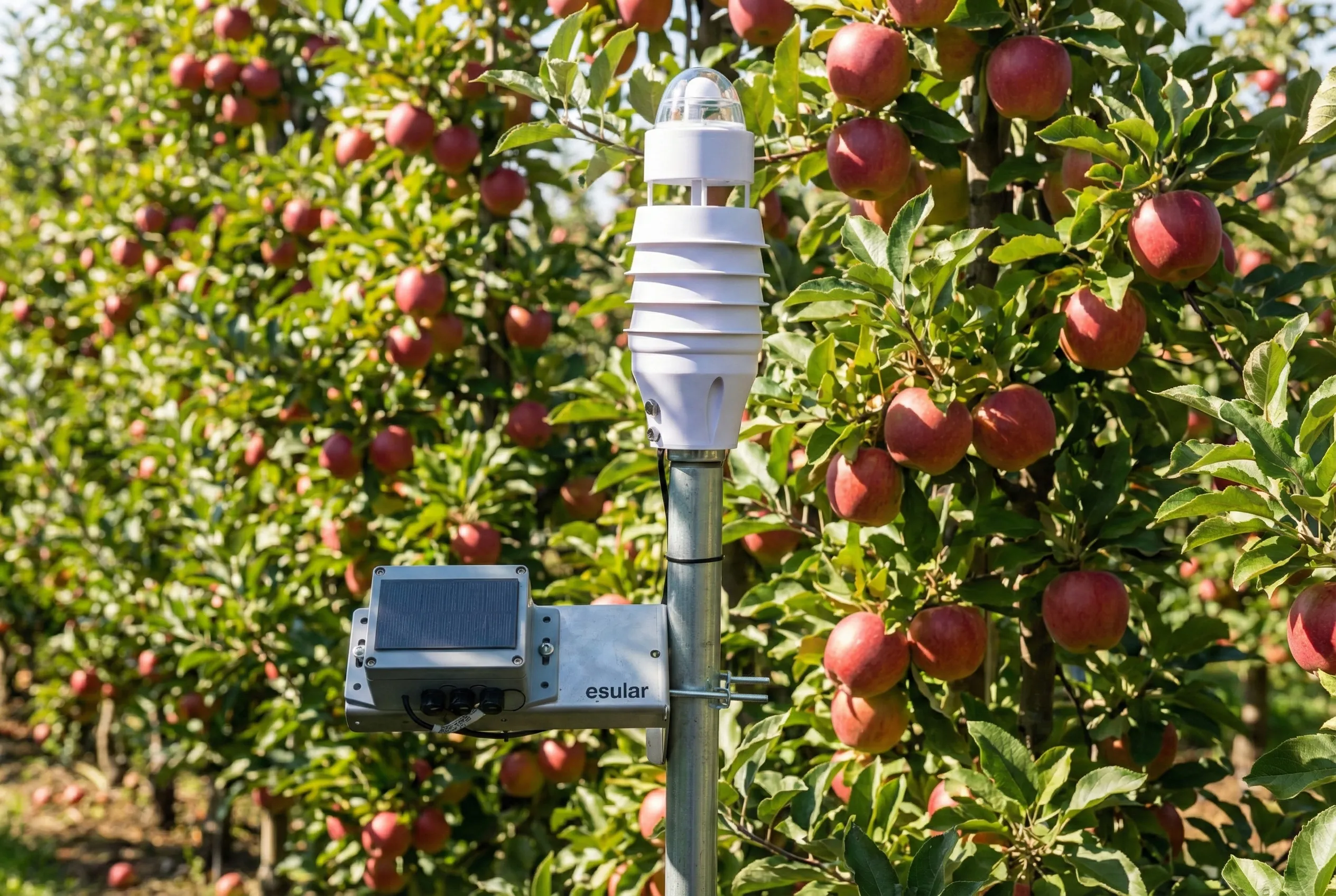
- Performance Optimization: With real-time data from sensors (Agricultural IoT Sensors), the blower's operating parameters are automatically adjusted to maximize energy efficiency and fertilization precision.
Esular's wireless sensor and control units make this smart integration of blower systems possible.
2. High Efficiency and Energy Saving
In line with increasing energy costs and sustainability goals, blower manufacturers are focusing on developing higher efficiency models:
- Advanced Aerodynamic Designs: Innovations in blower impeller and housing geometries ensure more air flow and pressure are produced with less energy.
- High-Efficiency Motor Technologies: Ultra-efficient motors such as IE5 class and variable speed drives (VSDs) significantly reduce energy consumption.
- Smart Control Algorithms: Algorithms that automatically optimize the blower's operating mode according to fertilization needs are being developed.
3. Compact and Lightweight Designs
The integration of agricultural machinery and the need for mobility bring compact and lightweight blower designs to the fore. Models that take up less space, are easier to mount, and are more portable are being developed with new materials and design approaches. This is important especially for integration into small-scale agricultural equipment or drone-based fertilization systems.
4. Low Noise Levels
Noise pollution is an important factor, especially in enclosed environments like greenhouses or agricultural enterprises close to residential areas. New generation blowers include special insulation materials, anti-vibration systems, and aerodynamic optimizations for quieter operation.
5. Oil-Free Technologies
In sensitive sectors where food safety and contamination risk must be minimized (e.g., organic farming, seed processing), oil-free blower technologies are increasingly preferred. These blowers prevent oil particles from mixing with the air that comes into contact with the fertilizer or product, increasing product quality and safety.
Future Forecasts
The blower market is expected to continue growing with increasing industrialization, tightening environmental regulations, and the increasing importance given to energy efficiency. With the acceleration of digitalization and automation in agriculture, blowers will become an integral part of fertilization processes. Blower systems supported by artificial intelligence and machine learning algorithms will transform into autonomous systems that can adapt themselves according to instantaneous conditions in the field, perform failure prediction, and offer optimum fertilization strategies. This, integrated with products like Esular's AI-Powered Climate Station, promises a smarter and more efficient future for farmers.
Conclusion: The Indispensable Place of Blowers in Smart Fertilization
Industrial blowers in agricultural fertilization play a key role in achieving the efficiency, precision, and sustainability goals of modern agriculture. Their working principles eliminate the limitations of traditional methods by ensuring the pneumatic transport and homogeneous distribution of fertilizers. Different types, such as centrifugal and positive displacement blowers, respond to needs specific to various agricultural applications, while correct selection and sizing are of vital importance for energy efficiency and operational success.
Innovative approaches such as energy efficiency analysis, variable speed drives, and smart control systems help blowers lower operating costs and reduce their environmental footprint. Regular maintenance and repair guarantee the long-lasting and trouble-free operation of these systems, while future trends like IoT integration and predictive maintenance make fertilization processes even smarter and more autonomous. Blower systems integrated with fertilizer analysis and other smart irrigation solutions offered by Esular promise farmers maximum yield and minimum resource waste.
In summary, fertilization blower systems are one of the cornerstones of modern industrial agriculture. With the numerous advantages they offer and their constantly evolving structure, they will continue to solidify their place in agricultural processes and carry significant potential in the future. As Esular, we are proud to be at the forefront of this revolution, offering our farmers state-of-the-art, energy-efficient, and smart fertilization solutions.
Meet Our Smart Fertilization Solutions Too!
Do you want to optimize your agricultural enterprise's fertilization processes, increase efficiency, and lower your energy costs? Meet Esular's innovative smart fertilization blower systems and integrated automation solutions.
- Automatic Liquid Fertilization System: Increase your fertilization efficiency with precise dosing and automatic control.
- Wireless Valve Control Units: Manage your fertilization and irrigation processes from a single platform.
- Wireless Soil Moisture Sensors: Optimize your fertilization decisions based on plant needs.
To get more information, explore our products, or receive a custom solution proposal, contact Esular now or visit our products page. Our expert team will help you determine the smart agriculture solutions best suited to your enterprise's needs.
