Irrigation systems are used, in principle, to reduce manpower and achieve water savings. In the past, the practice of sending water in a free form to the area to be irrigated was used for many years. However, it is accepted today that this has harms in terms of both the consumption of water resources and the reduction of soil productivity. Excessive irrigation lowers soil productivity. Besides, the consumption of water resources, which are already not very rich, is a serious long-term problem. For this reason, requirements have been introduced regarding irrigation systems while developing public policies. Now, instead of the free irrigation method, it is mandatory to use drip irrigation or spray irrigation systems.
How do irrigation systems work?
As we mentioned, irrigation systems can be designed in different ways according to need. Therefore, each system will have its own special working principle. In spray irrigation systems, the angle of the spray; that is, the radius the water will reach, must be calculated correctly, and correct placement must be carried out without leaving blind spots according to the water pressure ratio. Of course, since an increase in the number of heads will decrease the water pressure, a lower amount of water will reach certain points and the nozzle heads at points far from the water source will irrigate with lower intensity. For this, a pressure calculation requiring expertise must be made and the placement should be planned accordingly. The design of the pipeline is also one of the important activities at this point.
The Importance of Irrigation System
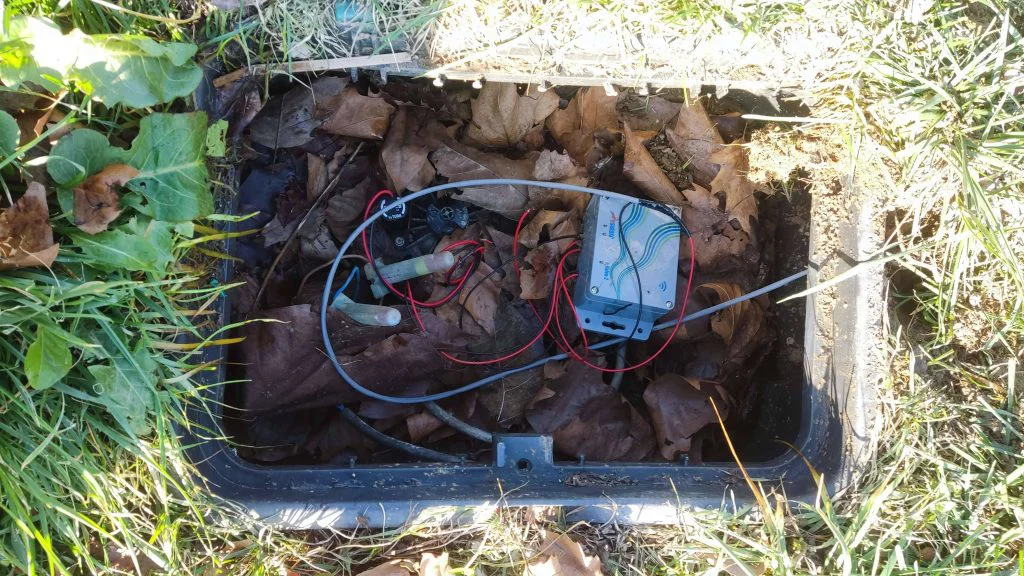
Regardless of garden irrigation or agricultural irrigation, all irrigation activities can be carried out with automatic irrigation systems. An automatic valve that will direct the water source to the irrigation system at the planned time can be used, and automatic irrigation can be done in a timed manner. With correct planning and the use of the right system, it becomes possible in this way to perform irrigation in very wide areas with almost no need for personnel. Today, the use of automatic irrigation systems in agricultural areas and landscape areas is spreading rapidly.
Irrigation System Types
All living things in nature need water regularly. Water, which is the essential element in the growth of plants, must be provided to plants by us, especially in areas organized by humans. Landscape areas and agricultural areas must be irrigated regularly. For example, while growing grass, water must be provided in appropriate periods and sufficient amounts. However, at this point, it is mostly not possible to do manual irrigation. Because, in addition to the necessity of spending labor, water expenditure beyond the need may also be in question. For this, irrigation systems in which the human factor is effective at the lowest level should be used.
Today, irrigation systems are developed in different ways depending on the quality and size of the area to be irrigated. Since each area will have its own special need, it will be beneficial to get support from landscape architects while designing irrigation systems. For example, while grass irrigation is being done, spray irrigation heads can be placed at appropriate points, and an efficient application can be realized by consuming an optimum amount of water. However, the same method may not work in agricultural irrigation. Or, instead of spray irrigation, the Drip Irrigation method can be used in the irrigation of flowers in our gardens. To be able to make this decision, a project design must be made and the appropriate method must be preferred.
Irrigation systems effectively used today
Spray irrigation system
Subsurface irrigation system
Drip Irrigation System
Sprinkler irrigation system
Are listed in this way. Surface irrigation systems; apart from these headings, express the irrigation of the area with the traditional free release method. In fact, it is not even correct to call this application a system. The most inefficient and harmful application is to irrigate with the free release method. Moreover, in many parts of our country, rivers or other water resources flowing at this flow rate are not in question. Consuming existing water resources in this way is not recommended.
Spray Irrigation Systems
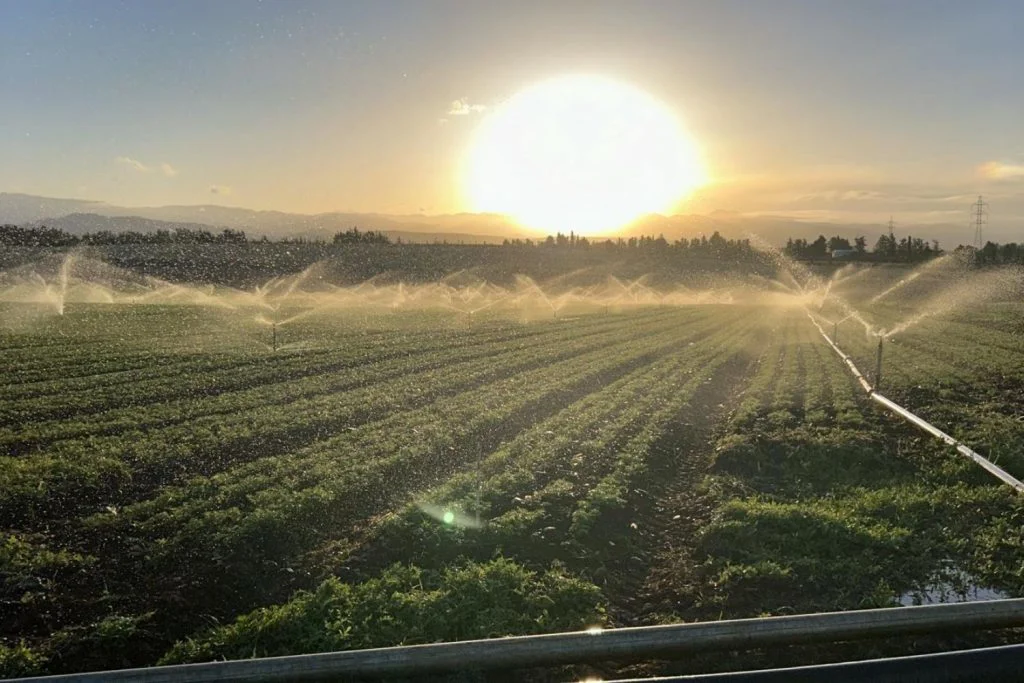
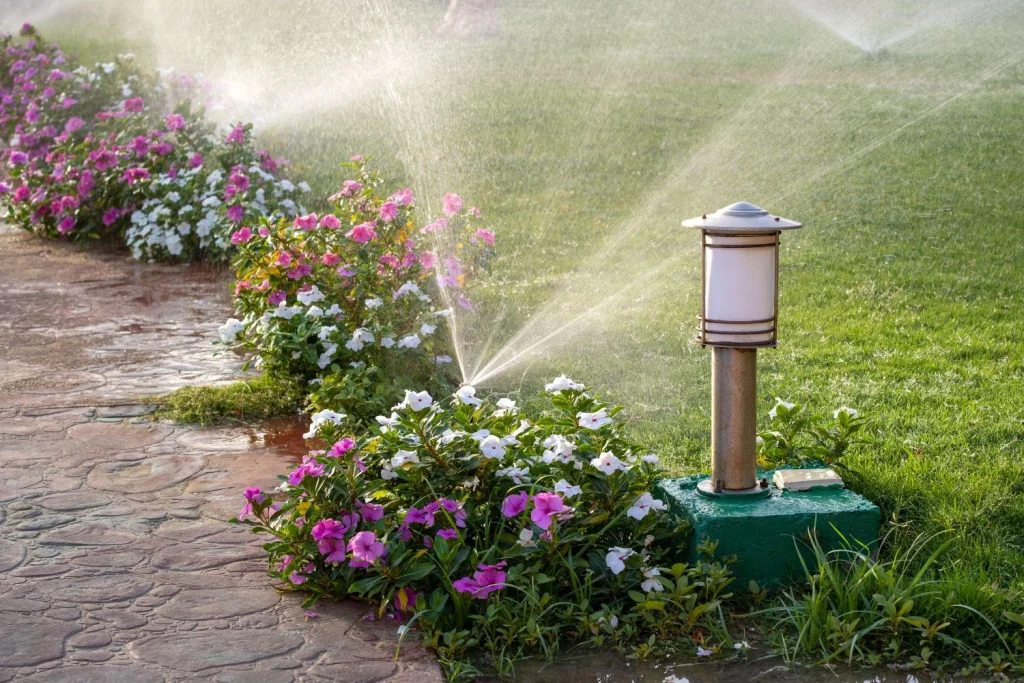
Spray irrigation systems; can be realized using mini sprinkler or spray nozzle tools according to need. These irrigation heads can perform spraying with different features, and moving or fixed irrigation can be realized according to the features of the preferred head. Spray irrigation systems are at the forefront of the systems used especially in grass irrigation.
The sprinkler method, although similar to the spray system, is the method in which heads that allow the formation of larger droplets are used. In this way, it is ensured that water drops identical to nature reach the irrigation area.
Subsurface Irrigation Systems
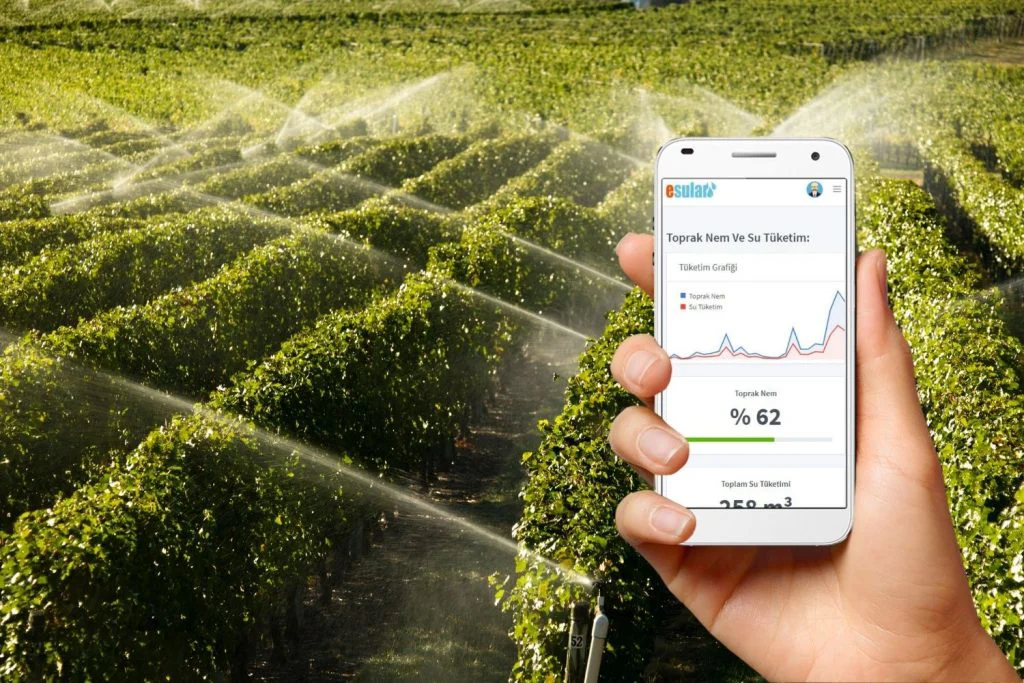
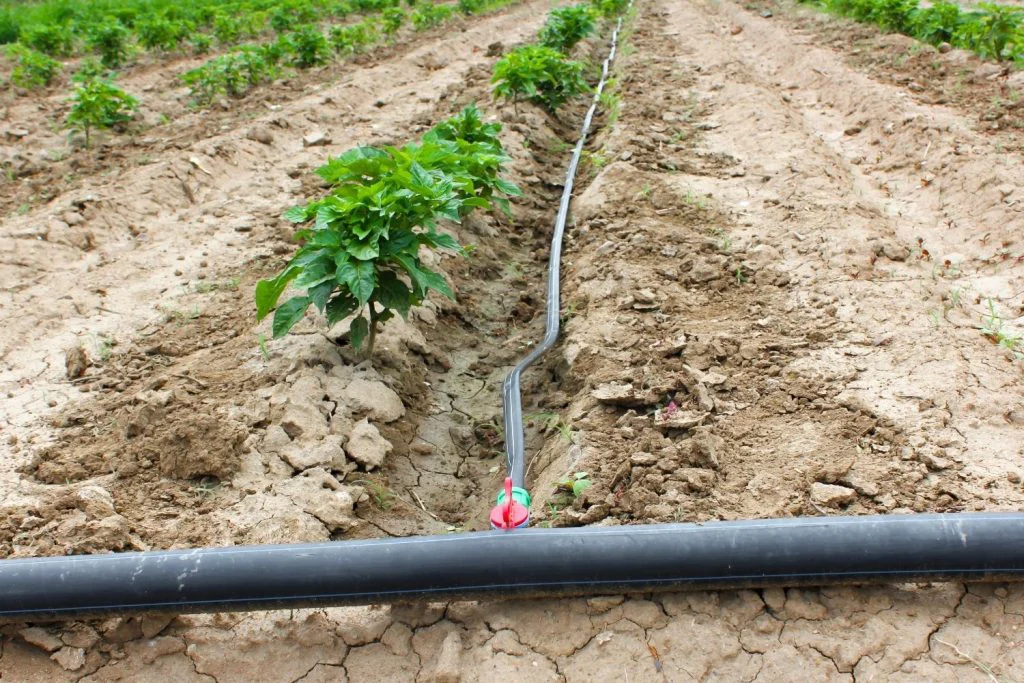
Subsurface irrigation systems, while similar to drip irrigation methods, have the irrigation network located below the ground. This method is used to keep soil moisture constantly at a certain level. Drip irrigation is generally a method of delivering low amounts of water to the soil at appropriate intervals on pipelines positioned subsurface and on the surface. While this technique is one of the most used methods in irrigation, it is the irrigation system with the highest efficiency. All equipment expressed as irrigation systems can be integrated into automatic irrigation tools. Automation tools can be placed at the point where the water source, i.e., the main valve, is located, and irrigation can be done using time counters. Apart from this, much more advanced methods, for example, automatic irrigation systems that can perform automatic irrigation by measuring moisture, can also be used.
Esular Smart Automatic System Application Areas
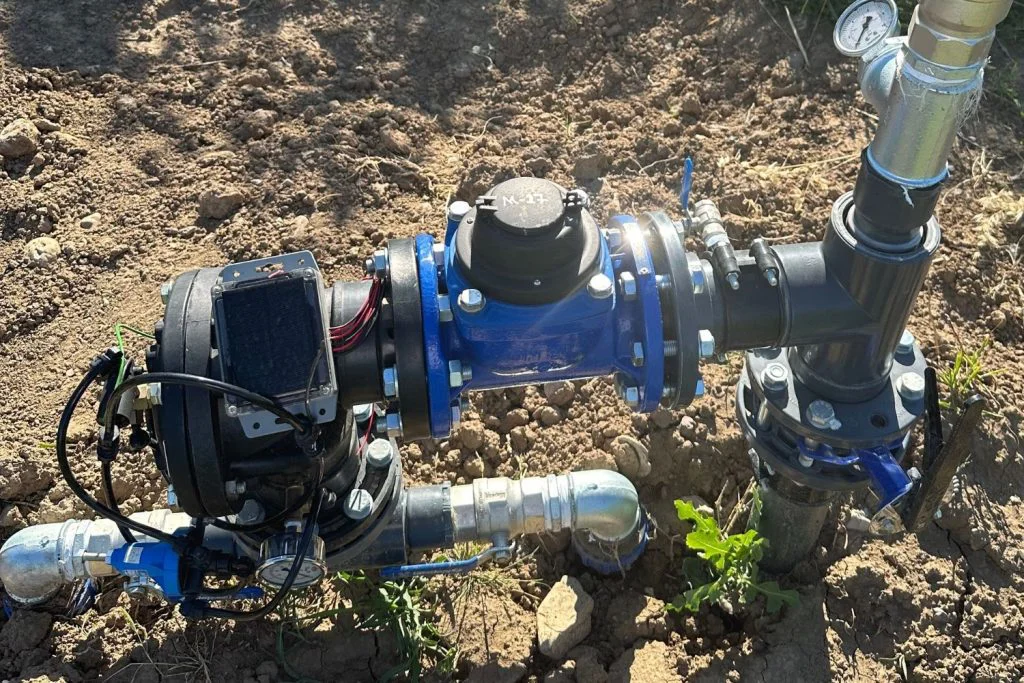
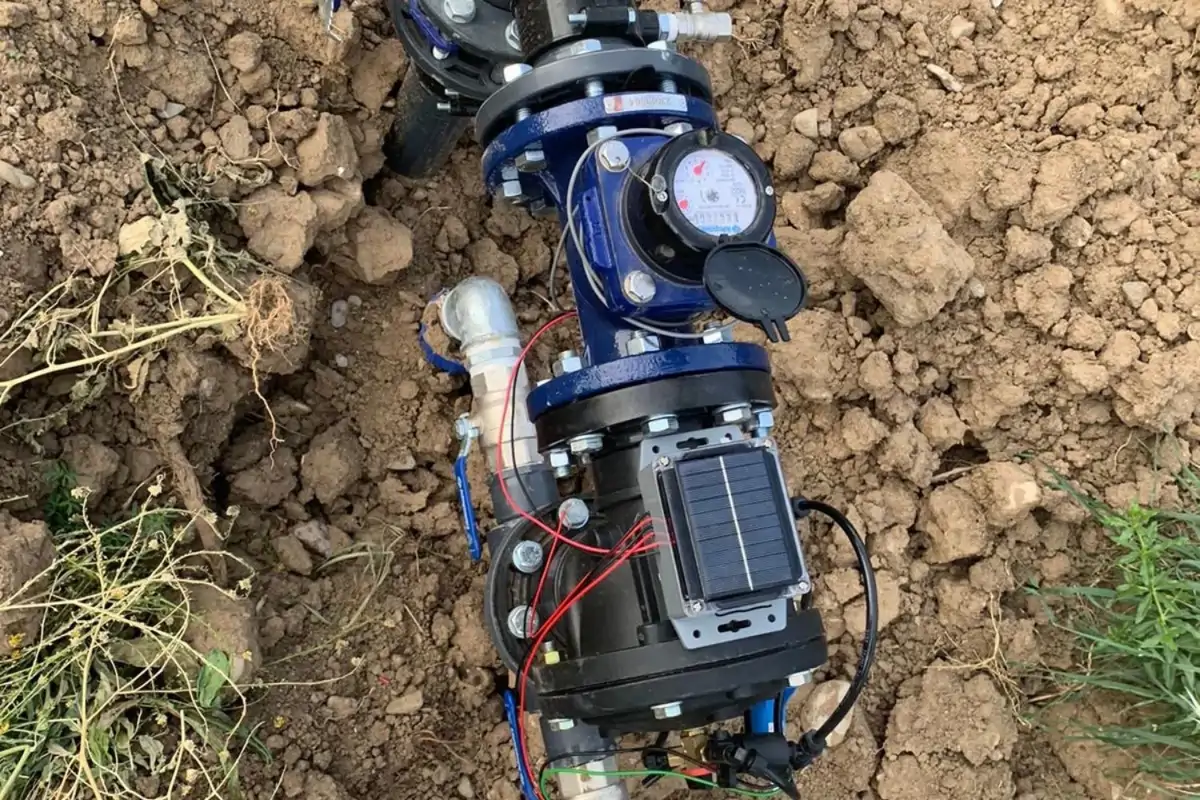
In places where water resources are scarce, we reduce your costs with drip irrigation automation. Thanks to wirelessly controllable hydraulic valves, equal water distribution is provided to every point of the field and all are controlled from a single point.
To keep greenhouse production at the desired level, improve product quality, and keep pH balance under control, we make irrigation management fully automatic in modern greenhouses.
We ensure that you use and manage the world's most valuable resource in the most efficient way in all your agricultural lands without the need for cabling and external power sources. Whether you determine your irrigation scenario or perform fully automatic irrigation.
By making valves smart in landscape irrigation, we provide more efficient and effective irrigation. Remotely controllable valves and remotely updated scenarios put all control in your hands.
In golf and football fields, homogeneous irrigation is ensured by controlling flow and pressure values. All valves and pumps can be controlled remotely without pulling cables.
Smart Cities
In smart city applications, we ensure that irrigation zones are irrigated on time and as desired with sensors that can work wirelessly and with internal batteries for over 10+ years. No more sprinklers that irrigate when it rains.