
The agricultural sector is undergoing a major transformation due to global climate change and decreasing water resources. Traditional irrigation methods lead to serious problems such as excessive water use, energy waste, and deterioration of plant health. At this point, sensor-based automatic irrigation system agriculture applications come into play and provide a lifeline to producers. At this point where technology meets agriculture, smart systems that understand the language of the soil and the plant aim to maximize efficiency while minimizing costs.
As Esular, we are by your side with IoT-based solutions we have developed to ensure sustainability in agricultural production and to lighten the workload of our farmers. In this article, we will examine in detail how sensor-based irrigation systems work, their advantages, and how Esular's innovative products will make a difference in your field.
What is a Sensor-Based Automatic Irrigation System?
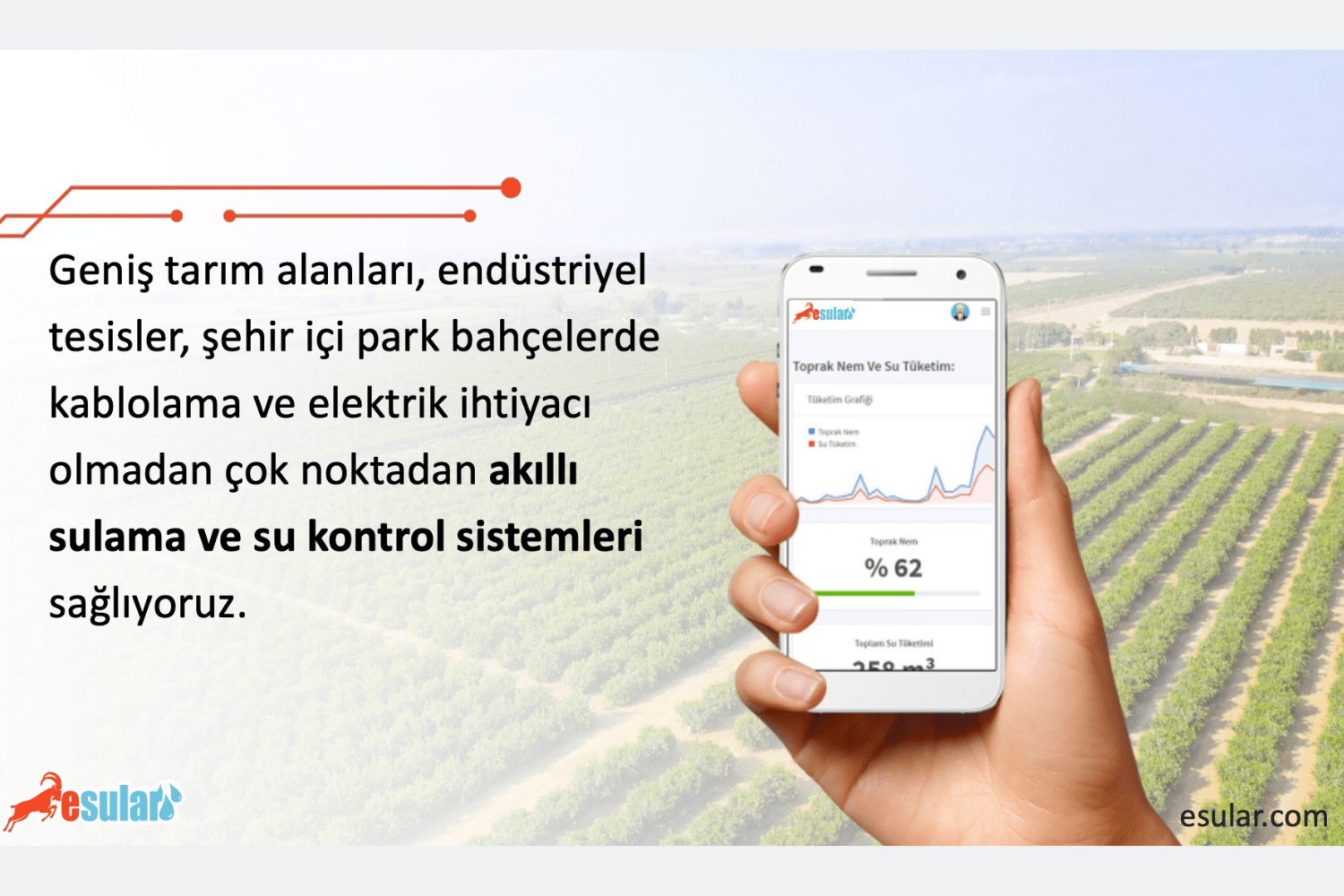
A sensor-based automatic irrigation system is a smart structure that collects environmental data through various sensors (soil moisture, temperature, EC, etc.) placed in the agricultural field and performs the irrigation process based on this data without human intervention. These systems implement the principles of "precision agriculture" by providing the exact amount of water the plant needs at the right time and in the correct proportion.
Unlike manual systems, sensor-based systems rely on real-time data, not estimates. In this way, plants do not experience water stress or face diseases such as root rot due to over-irrigation.
How Does It Work? Technology and Process
The sensor-based automatic irrigation system developed by Esular works as an integrated ecosystem. The process basically takes place in three stages:
- Data Collection: Wireless battery-powered soil moisture sensors placed at different points and depths of the field measure the soil moisture rate, temperature, and electrical conductivity (EC) instantaneously.
- Data Transmission and Analysis: Collected data is transmitted to the central control unit or cloud system using long-range and low-power wireless communication protocols such as LoRaWAN. The data processed here is compared with pre-determined parameters.
- Automatic Control: When the soil moisture falls below the determined level, the system automatically sends a signal to the wireless smart valve control units. Valves open, irrigation begins, and when the desired moisture level is reached, the system automatically shuts down.
Precision Measurement with Esular Wireless Battery-Powered Soil Moisture Sensor
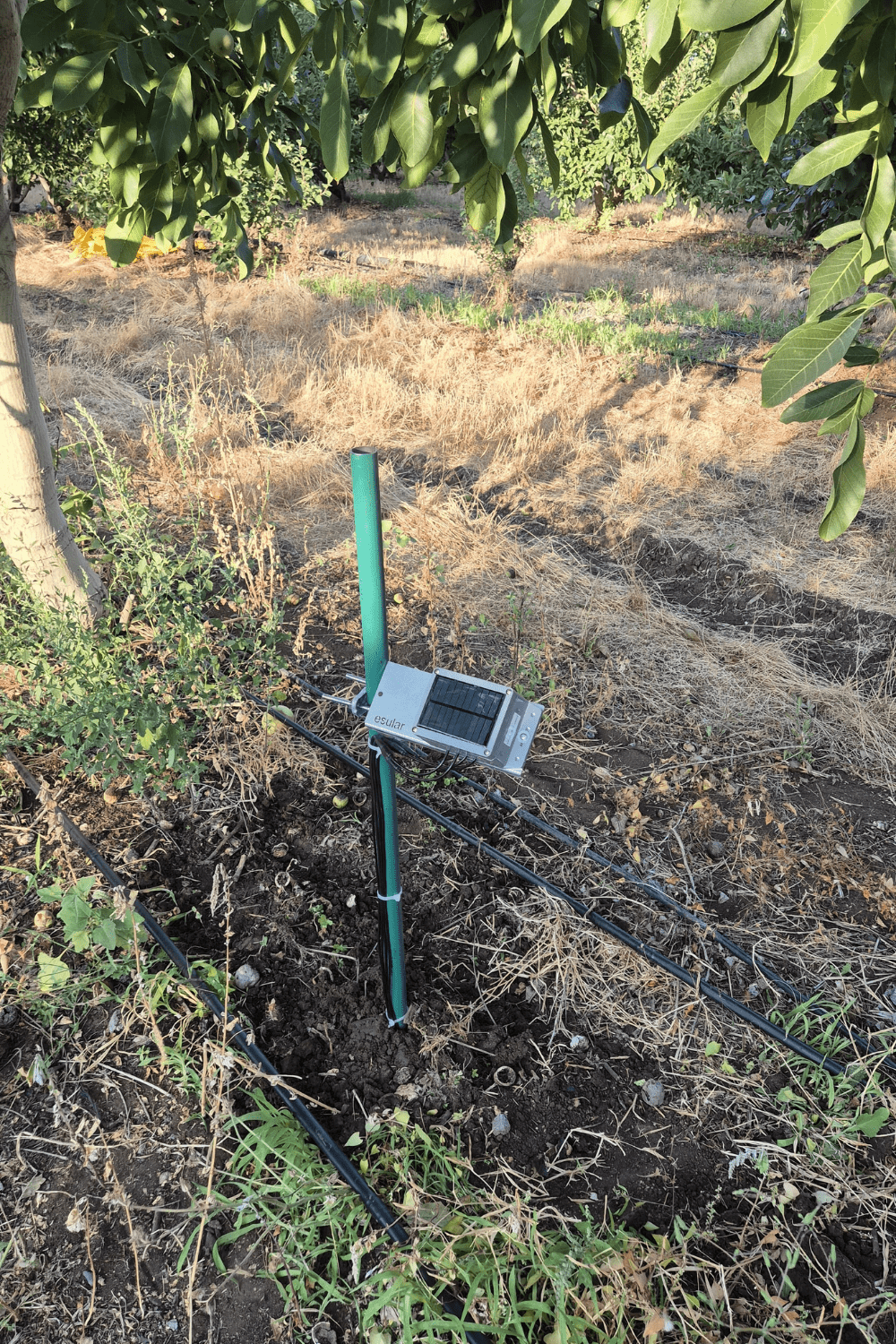
The heart of the system is the sensors that constantly monitor the state of the soil. Esular's Wireless Battery-Powered Soil Moisture Sensor is designed to eliminate energy and wiring problems in modern agriculture and professional greenhouse applications. The prominent features of this sensor are:
- Staged Measurement: By measuring soil moisture up to 4 different depths (30-60-90-120 cm), it allows you to analyze water movements in the root zone of the plant.
- Energy Independence: Thanks to its self-contained solar panel and rechargeable battery system, it does not need an external energy source. This feature guarantees uninterrupted operation even in remote fields where energy infrastructure is not available.
- Long Range: Thanks to LoRa technology, it can transmit data wirelessly up to a distance of 10 km. It provides reliable data flow even in large agricultural lands.
- Durability: With its IP68 waterproof structure, it is fully protected against harsh field conditions, rain, and irrigation water.
Full Automation with Wireless Smart Valve Control Unit
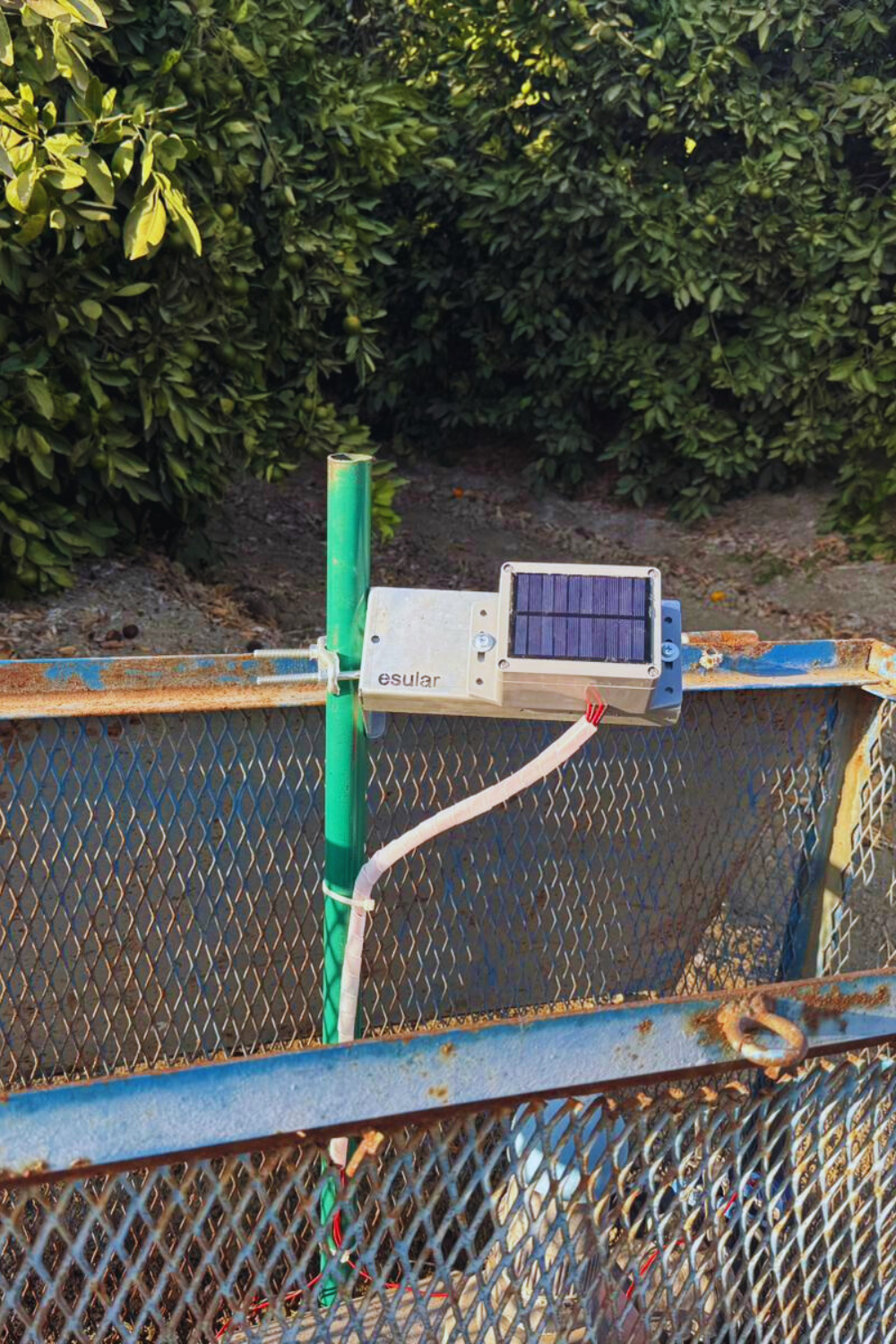
Another critical component that turns the data coming from the sensors into action is the valve control units. The Esular Wireless Smart Valve Control Unit allows you to manage your solenoid valves through a central system.
- Practical Installation: Requires no cable laying or excavation. Thanks to its plug-and-play structure, it can be integrated into your existing solenoid valves within minutes.
- Solar Powered: Just like the sensors, this unit generates its own energy with an integrated solar panel. There is no hassle of battery replacement or pulling an electrical line.
- Flexible Control: Up to 4 hydraulic solenoid valves can be connected. You can open and close your valves with a single touch via the mobile application or create fully automatic scenarios based on sensor data.
Why Should You Switch to a Sensor-Based Automatic Irrigation System?
When the sensor-based automatic irrigation system is used in agricultural activities, it provides multi-faceted gains for your business:
- Water Saving: Providing only as much water as the plant needs provides savings of up to 50% in water consumption.
- Energy and Cost Efficiency: Electricity costs are reduced by preventing unnecessary pump operation. Additionally, wireless systems eliminate wiring and labor costs.
- Yield and Quality Increase: Regular and ideal irrigation prevents plant stress, increasing product quality and yield.
- Labor Saving: The time and effort spent on manual valve opening and closing operations are eliminated. Farmers can monitor and manage their systems 24/7 from their mobile phones.
Conclusion
The agriculture of the future is being shaped by data-driven methods that use resources efficiently. Sensor-based automatic irrigation systems not only save water but also increase the profitability and sustainability of your agricultural enterprise. With Esular's wireless, solar-powered, and easy-to-install technologies, turning your land into a smart production facility is now much easier. Listen to the voice of your soil and do not leave your yield to chance.
(No price information is provided in this article. For current prices, please visit the store.esular.com address.)