Tüm Yazılar

Smart Irrigation in Peanut Cultivation
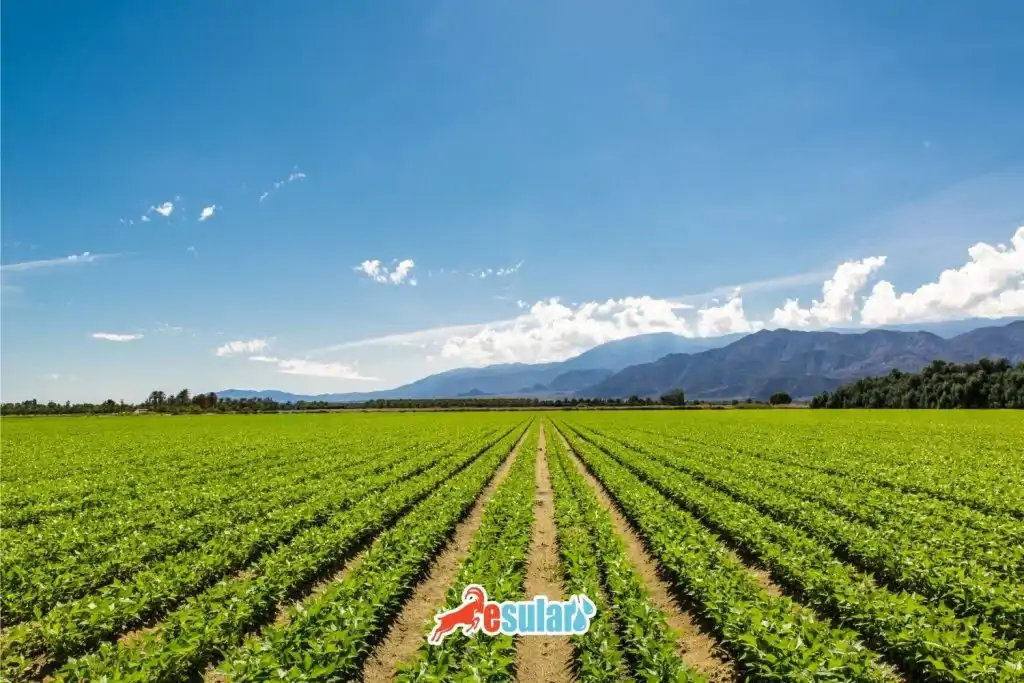
A smart irrigation system in peanut cultivation is an important part of modern agricultural practices. Smart irrigation systems meet the water and nutrient needs of the peanut plant in the most efficient way, increase production efficiency, and ensure environmental sustainability. These systems optimize irrigation timing and quantity thanks to sensors and data analysis, thus increasing plant health and productivity. Smart irrigation offers many advantages in peanut farming, such as efficient use of water resources, reducing labor costs, and preventing the spread of pests. The use of smart irrigation systems in peanut planting is one of the agricultural technologies of the future that increases the competitiveness of farmers and supports sustainable agricultural practices.
Peanut Water Needs and Smart Irrigation Solutions
Water management during peanut cultivation is very important in different development periods of the plant. Peanuts are particularly sensitive to water during the flowering and crop formation periods; a lack of water during these periods can lead to a decrease in yield and loss of quality. For example, while water deficiency during the flowering period causes flowers to drop and poor pollination, water deficiency during the crop formation period can prevent the shell from filling.
Seasonally, peanuts generally consume between 500-700 mm of water, and the part that cannot be met by rain is provided by irrigation. Irrigation timing varies depending on the soil type; irrigation can be performed more frequently (6-14 days) in clayey soils and less frequently (approximately 21 days) in clayey soils.
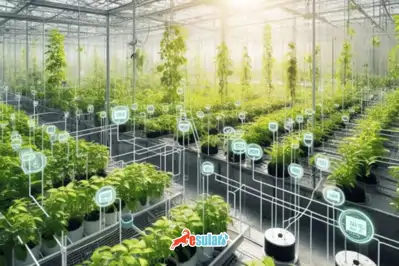
Smart irrigation systems are an essential tool for optimizing this precise water management. It measures the plant's need for water and adjusts the irrigation amount according to environmental conditions. These systems provide efficient use of water by constantly monitoring soil moisture, thereby saving water. They provide more precise and efficient irrigation than traditional methods, especially sprinkler irrigation. Water management in peanut planting helps support sustainable agriculture while increasing overall productivity. Therefore, correct irrigation planning and the use of smart irrigation systems are critical factors for increasing quality and quantity in peanut production.
Main Components of Smart Irrigation Systems
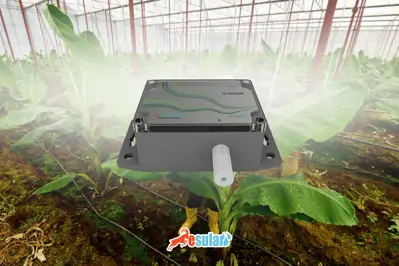
- Sensors: Soil moisture sensors and climate sensors (such as temperature, humidity, light levels) are used. These sensors constantly monitor environmental conditions to determine the amount of water the plant needs.
- Data Collection Unit: Collects and analyzes data gathered from sensors in the field. It is used to optimize the irrigation schedule by processing information such as soil moisture levels, weather conditions, and plant growth data.
- Control System: There is a control system that automatically manages the irrigation process. It adjusts the irrigation time and water amount based on sensor data. This system is usually managed via a central control unit or a mobile application.
- Valves and Pumps: Valves and pumps are used to ensure the delivery of irrigation water to plants at the right time and in the right amount. Smart control systems optimize irrigation processes by controlling these valves and pumps.
- Data Analysis and Reporting: The system analyzes collected data and generates reports. These reports are used to evaluate irrigation efficiency and make necessary improvements.
- Remote Monitoring and Management: A system that provides remote monitoring and control from outside the field. Thanks to this feature, users can observe the system from anywhere, change its settings, and intervene when necessary.
With the integration of these main components, Esular's smart irrigation system optimizes agricultural irrigation processes, saves water, and increases plant health.
Advantages of Smart Irrigation Systems
- Water saving: Smart irrigation systems accurately analyze the water needs of plants and provide only the necessary amount of water.
- High Efficiency: By providing the water plants need at the right time and in the right amount, it ensures growth and yield increase. It increases product quality and quantity.
- Energy saving: Automation of irrigation processes reduces energy consumption. It prevents unnecessary operation of pumps and other equipment.
- Reduction of labor costs: Automatic irrigation systems minimize manual intervention, resulting in significantly reduced labor costs.
- Environmental Sustainability: Contributes to environmental sustainability by saving water and energy. Efficient use of water resources helps protect groundwater levels and reduce water pollution.
- Control of diseases and pests: Excessive irrigation can cause the spread of fungal diseases and pests in plants. Smart irrigation systems prevent such diseases and pests by keeping the water amount at the optimal level.
- Data-driven decision making: Smart irrigation systems collect and analyze soil and plant data. This data allows farmers to make more informed and data-driven decisions. Irrigation strategies are optimized based on historical data and analysis.
- Remote Monitoring and Control: Farmers can remotely monitor and manage irrigation systems. Thanks to mobile applications and web-based interfaces, irrigation operations can be managed from anywhere and immediate intervention can be made if necessary.
- Flexibility and Compatibility: Smart irrigation systems offer flexibility to adapt to different plant types and farming conditions. In this way, they can be used efficiently in various agricultural applications.
Smart irrigation systems have a vital role in ensuring efficiency, sustainability, and profitability in modern agriculture. By optimizing water management, they offer both environmental and economic benefits.
Effects of Smart Irrigation Systems on Peanuts
Smart irrigation systems ensure the efficient use of water in peanut farming and support optimal growth conditions for the plant. These systems increase growth and productivity by providing the water plants need at the right time and in the right amount. In addition to preventing water waste, smart irrigation also saves energy and labor. Furthermore, by providing water only to the plant's root zone, it prevents the spread of fungi and other diseases. Thanks to data-driven decision making, irrigation strategies are optimized and contribute to environmental sustainability. By using this technology in peanut planting, you can increase productivity, protect water resources, and reduce costs. For more information and our solutions, you can contact us. 🌱💧
📞 : +90 850 399 6888
📧 : [email protected]
Kategoriler