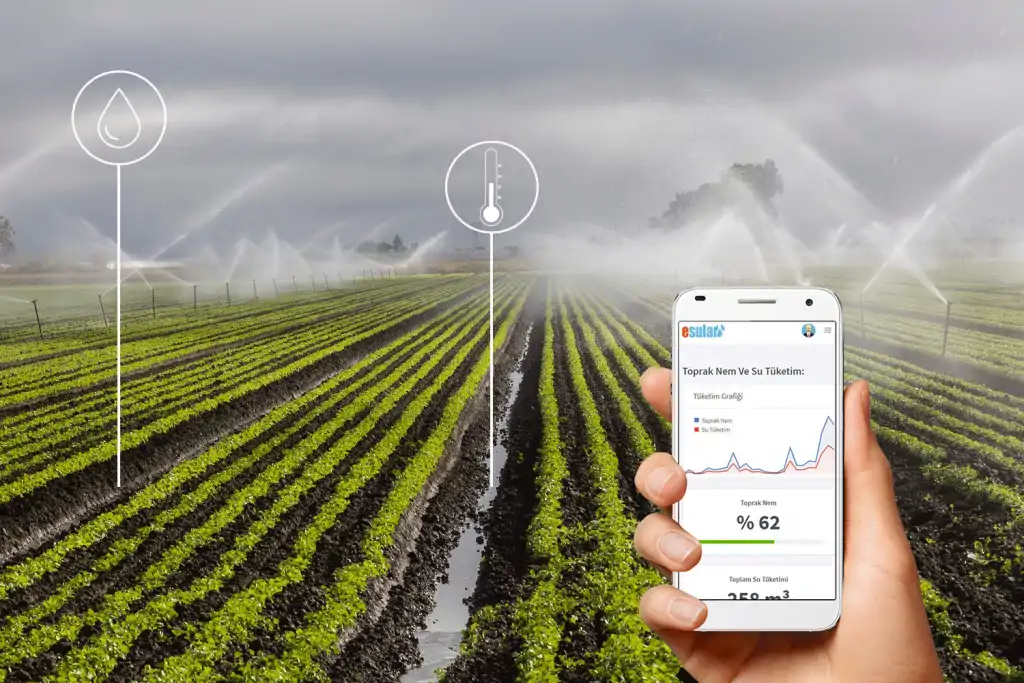
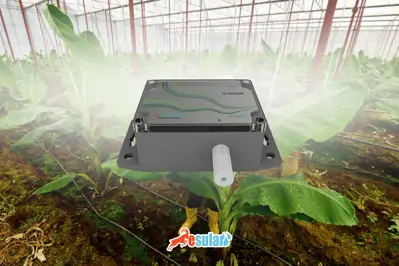
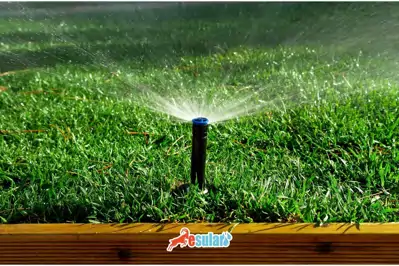
In potato cultivation, using water efficiently and providing the water needed by plants on time is very important. Smart irrigation systems are modern solutions designed to meet these requirements. Potato plants need a good water source, and yield losses can occur if the irrigation scheme is not properly adjusted. Smart irrigation systems constantly monitor soil moisture and weather conditions through sensors such as soil moisture sensors and meteorological stations. This data is used to determine irrigation needs and optimize irrigation schedules. These systems ensure efficient use of water and prevent problems such as over- or insufficient irrigation.
What is a Smart Irrigation System?
Smart irrigation systems are technologies that automatically adjust irrigation programs and operating times to meet the water needs of irrigation areas. In smart irrigation solutions, not only is irrigation carried out regularly, but also more efficient irrigation is provided according to the environment, plant type, measurement data, and climate conditions, ensuring production efficiency and maximum use of resources. In this way, it is aimed to provide precise and efficient irrigation thanks to the data obtained by measuring with sensors. Unlike traditional irrigation controllers that operate based on pre-programmed schedules and timers, smart irrigation controllers use data by monitoring weather, soil conditions, evaporation, and plant water consumption to automatically adjust the irrigation schedule based on the actual conditions of the irrigation area.
Irrigation in Potato Farming
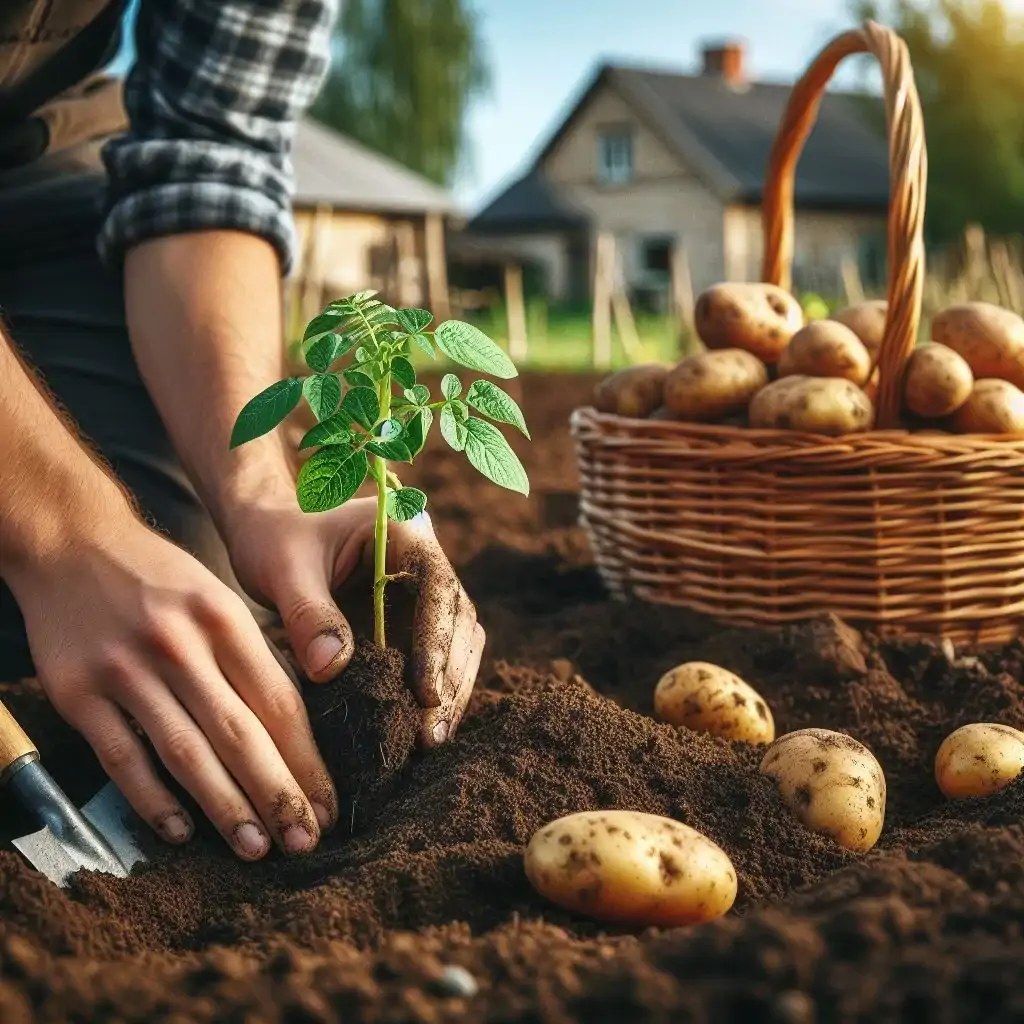
The water need of potato plants often changes at different stages of plant development. Young plants may need less water compared to the maturation and tuber development stages. However, as plants mature and tubers begin to develop, their water need increases. In winter plantings, farmers usually irrigate twice a week, but the frequency of irrigation can be increased during drought. Potato plants grown in sandy soils may require more frequent irrigation than in heavy soils. It is important for the soil to remain constantly moist or wet for the healthy growth and productive harvest of plants. However, maintaining water at an optimal level is also important; it is not recommended to consume more than 30% to 50% of the available water in the soil. Excessive irrigation can lead to erosion, increased susceptibility to diseases, water loss, additional energy costs, and decreased yield. On the other hand, plants experiencing water stress become more susceptible to diseases. Therefore, it is important to manage irrigation schedules in a balanced way and carefully monitor the water needs of plants.
What are the Advantages of Smart Irrigation in Potato Growing?
Smart irrigation systems have many advantages:
Smart irrigation systems increase agricultural productivity by ensuring the use of water at the right time and in the right amount.
Thanks to sensors and automatic control mechanisms, smart irrigation systems prevent unnecessary irrigation and save water. This reduces irrigation costs.
This saves farmers' time and effort and allows for more efficient management of irrigation operations.
By using soil moisture sensors and weather data, precise irrigation can be done according to the needs of the plants. This ensures the healthy growth and development of plants.
Smart irrigation systems constantly monitor and record data such as soil moisture levels, water pressure, pond and well levels, air temperature, and rain. This data provides valuable information to farmers so they can make better decisions.
Smart irrigation systems, along with many other advantages, contribute to the protection of natural water resources and sustainable agricultural practices.