
2026 Irrigation Season Preparation Guide: Smart Irrigation Systems Maintenance and Comprehensive Checklist
Every new agricultural season brings new hopes, new goals, and a meticulous preparation process along with it for farmers and agricultural professionals. One of the most critical elements of this preparation process is the complete maintenance of irrigation systems and making them ready for the new season. Especially as we approach the 2026 irrigation season, climate changes and the increasing value of water resources make irrigation efficiency more important than ever. Although smart irrigation systems play a key role in overcoming these challenges, even the most advanced systems cannot demonstrate their full potential without regular and correct maintenance. This comprehensive guide presents all the necessary maintenance and repair steps, along with a detailed checklist, for the best preparation of your agricultural irrigation systems, especially your drip irrigation and sprinkler systems, for the 2026 season. Our aim is to equip you with practical information that will ensure you use your water resources in the most efficient way, maximize plant health, and extend the life of your systems.
As Esular, with our leadership in agricultural technologies, we work to ensure our farmers always obtain the highest yield. This guide will detail not only general maintenance principles but also how our IoT-based smart irrigation solutions can be integrated into this process and how they can take your system performance to the next level. Remember, a well-maintained irrigation system not only provides water and energy savings but also makes significant contributions to your overall profitability by directly affecting crop quality and quantity. Start the 2026 irrigation season with confidence with this Smart Irrigation Systems Maintenance Guide.

The Importance of Regular Maintenance of Irrigation Systems: Why Should We Start Early?
Irrigation systems are an indispensable infrastructure for the healthy growth of plants and a productive harvest. However, the mere existence of these systems is not enough; they also need regular maintenance to continue working effectively and efficiently. Regular maintenance not only resolves existing problems but also protects you from high costs and time losses in the long run by preventing potential failures. The main benefits of early-starting and regular maintenance are as follows:
- Yield Increase: Clogged filters or damaged emitters prevent the even distribution of water. Maintenance increases yield by ensuring water reaches every plant in the correct amount. This situation directly affects growth homogeneity and product quality, especially in sensitive plants.
- Water Saving: Leaks lead to unnecessary water loss. Water resources are used more efficiently with leaks detected and repaired early. Globally, 30-50% of water in agricultural irrigation goes to waste due to losses. Preventing these losses is of vital importance for sustainable agriculture.
- Energy Saving: Low system pressure or blockages cause pumps to work more. Regular maintenance ensures pumps work at optimum pressure by consuming less energy. This means significant decreases in electricity bills and directly reduces operating costs.
- Extension of System Life: Wear and tear shorten the life of system components over time. Regular cleaning and part replacement guarantee your system will work without problems for years. This accelerates the return on your investment costs in the long run.
- Improvement of Crop Quality: Even water distribution prevents plants from experiencing stress and ensures higher quality, homogeneous products are obtained. Prevention of water stress has positive effects on fruit size, taste, and shelf life.
- Prevention of Sudden Failures: A failure occurring in the middle of the season can cause irreversible damage to the crop by disrupting the irrigation schedule. Proactive maintenance prevents such surprises and ensures continuous irrigation.
- Environmental Sustainability: Efficient use of water and energy resources reduces the environmental footprint and contributes to sustainable agriculture practices. This both protects natural resources and strengthens the "green" image of your business.
Step-by-Step Maintenance Guide and Comprehensive Checklist for the 2026 Irrigation Season
In order for irrigation systems to make a trouble-free start to the 2026 season, you need to carefully apply the following steps. While these steps form the basis for both manual and automatic systems, they also include additional controls for IoT-based irrigation maintenance and smart irrigation systems. This detailed Agricultural Irrigation Maintenance Guide will extend the life of each component and ensure maximum efficiency.
1. General Control and Review of Irrigation Systems
The first step before the season is to review the entire irrigation infrastructure from start to finish. This covers both drip irrigation pipes and sprinkler heads. Especially drip irrigation maintenance and sprinkler irrigation maintenance systems may experience blockages or damages over time. This general control is of critical importance for evaluating the physical integrity and performance of the system.
Review Steps:
- Visual Inspection: Carefully check all pipelines, connection points, valves, and output units (emitters, sprinklers) for signs of cracks, breaks, wear, or blockages. Especially freezing or rodent damage may have occurred during the winter months. Also observe UV damage on the parts of the pipes exposed to sunlight.
- Pressure Control: Before supplying water to the system, check the pressure gauges, if any. When water is supplied to the system, observe whether the operating pressure is at the optimum level. Low pressure may indicate a leak, while high pressure may indicate part damage. Pressure drops are usually the first signs of blockages or leaks.
- Flow Rate Control: While the system is running, check the flow rate in each irrigation zone. Lower than expected flow can indicate blockages or pump problems. Use a flow meter to verify that each line provides the expected flow rate.
- Even Water Distribution: Ensure that sprinkler heads are spraying at the correct angle and that emitters are dripping equal amounts of water. Adjust or replace nozzles or emitters if necessary. This is essential for the homogeneous irrigation of plants.
- Soil Surface Control: Observe whether there are water puddles, erosion, or dry spots on the soil surface after irrigation. This may indicate a problem in the irrigation design or system performance. Irregular wetting patterns indicate that the system needs to be readjusted.
2. Cleaning and Replacing Filters: Water Quality Is of Critical Importance
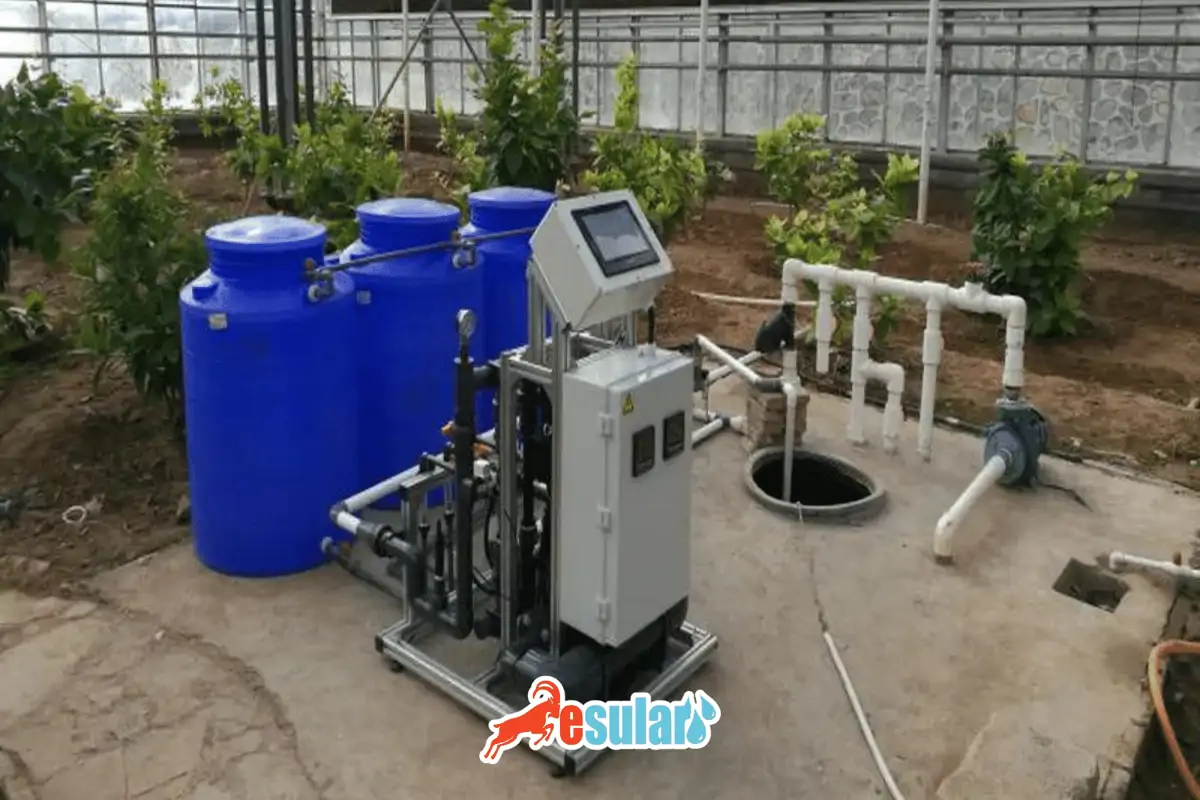
Filters extend the life of irrigation equipment, especially sensitive emitters and nozzles, by preventing particles, sediments, and organic matter in the water from entering the system. Filter maintenance is essentially the heart of the irrigation system. Dirty filters lower system pressure, reduce water flow, and increase energy consumption. This step offers a detailed guide for filter cleaning and replacement.
Filter Maintenance Steps:
- Determining the Filter Type: Determine the filter type (disc, screen, sand, or hydrocyclone) suitable for your system. Each type has different cleaning and maintenance requirements. Incorrect maintenance can shorten the life of the filter.
- Manual Cleaning: Screen and disc filters can usually be cleaned manually. Open the filter housing, remove the screen or discs, and clean with pressurized water. Use a brush if necessary. Take care not to damage filter elements during cleaning.
- Backwashing (Backwash): For automatic backwashing filter systems, ensure the backwash cycle is working correctly. Check that sensors and control units are reading correctly. Ensure that the backwash pressure is sufficient.
- Replacement: Replace excessively worn, deformed, or clogged filter elements that cannot be cleaned with new ones. Keeping spare filters prevents irrigation interruptions in emergencies.
- Pressure Differential Control: Regularly monitor the pressure difference at the inlet and outlet of the filter. If it exceeds a certain difference, it indicates that the filter is starting to clog and that it is time for cleaning. Generally, this difference should not exceed the range of 0.3-0.5 bar.
Drip Irrigation System Filter Selection Table
3. Control of Pipes and Connections: Prevent Leaks
Pipes and connection elements used in irrigation systems may wear, crack, or leak over time due to sunlight, chemicals, physical impacts, or underground movements. Leaks in the pipeline seriously affect irrigation efficiency by causing both water loss and a drop in system pressure. This situation leads to inadequate irrigation of plants and energy waste. This section provides detailed information for pipe leak control.
Control and Repair Steps:
- Visual Leak Detection: Carefully review all main and lateral pipelines, fittings, elbows, and T-connections. For underground pipes, check areas where the soil is excessively moist or muddy. Color changes on the pipe surface or moss formation can also be signs of leaks.
- Pressure Test: Supply water to the irrigation system and keep the system under pressure by closing all valves. A drop in the pressure gauge indicates a leak in the system. This test is an effective method for detecting small leaks that cannot be seen with the eye. The rate of pressure loss can give an idea about the size of the leak.
- Repair and Replacement: Replace detected cracked or broken pipe parts with appropriate repair clamps or new pipe segments. Tighten looseness in connection elements, replace worn gaskets with new ones. Fusion welding methods or mechanical connection elements can be used for HDPE pipes. For PVC pipes, special adhesives and connection parts should be used.
- Chemical Resistance: If fertilization or pesticide application is being done, ensure that pipes and connection elements resistant to the chemicals used are preferred. Chemical wear is a significant factor shortening system life.
- Underground Pipe Protection: Ensure that underground pipelines are laid at sufficient depth and marked so that they are not damaged by soil movements or agricultural tools. Pipes with insufficient depth can be easily damaged by agricultural machinery.
4. Cleaning Nozzles and Emitters: For Even Water Distribution
Clogging or damage of nozzles in sprinkler irrigation systems and emitters in drip irrigation systems is a frequently encountered problem. This situation leads to uneven distribution of water and adversely affects plant development. Uneven irrigation causes some plants to remain without water and others to be over-irrigated, leading to yield and quality loss. This step focuses on emitter nozzle cleaning and maintenance.
Cleaning and Maintenance Steps:
- Visual Control: Check all nozzles and emitters one by one. Look for signs of blockages, lime buildup, insect nests, or physical damage. Detect abnormalities by observing the water flow patterns of the emitters.
- Manual Cleaning: Carefully remove clogged nozzles and emitters. Clear the blockage with a thin wire or a special cleaning needle. You can use vinegar water or special descaling solutions for lime buildup. Ensure you reassemble the parts correctly after cleaning.
- Chemical Washing (Acid Washing): For systems with serious lime or mineral buildup, chemical washing (via the fertigation system) such as phosphoric acid or nitric acid may be required. This process should be performed under professional supervision and by taking safety precautions. It is important to rinse the system thoroughly after acid washing.
- Chlorine Washing: Chlorine washing with sodium hypochlorite (bleach) can be performed for organic blockages (moss, bacteria, biofilm). This is also a process that requires careful dosing and safety. Chlorine clears blockages by breaking down organic matter.
- Pressure Adjustment: Check the pressure settings of sprinkler heads to ensure the correct spray pattern. Each sprinkler model has an optimum operating pressure range. Incorrect pressure can cause water to evaporate unnecessarily or be dispersed by the wind.
- Emitter Type Control: Ensure that pressure compensating (PC) emitters are working correctly and providing the same flow rate even at different pressures. These types of emitters are critical for even water distribution on sloped terrains or long lines.
5. Maintenance of Timers and Control Units: The Center of Smart Irrigation
Timers, control units, and sensors used in automatic and smart irrigation systems ensure that irrigation programs are implemented correctly. Regular control and maintenance of these devices directly affect the overall performance of the system. Smart components such as Esular's wireless valve control units and soil moisture sensors are vital for precision agriculture. This section covers irrigation timer maintenance and optimization of control units.
Maintenance Steps:
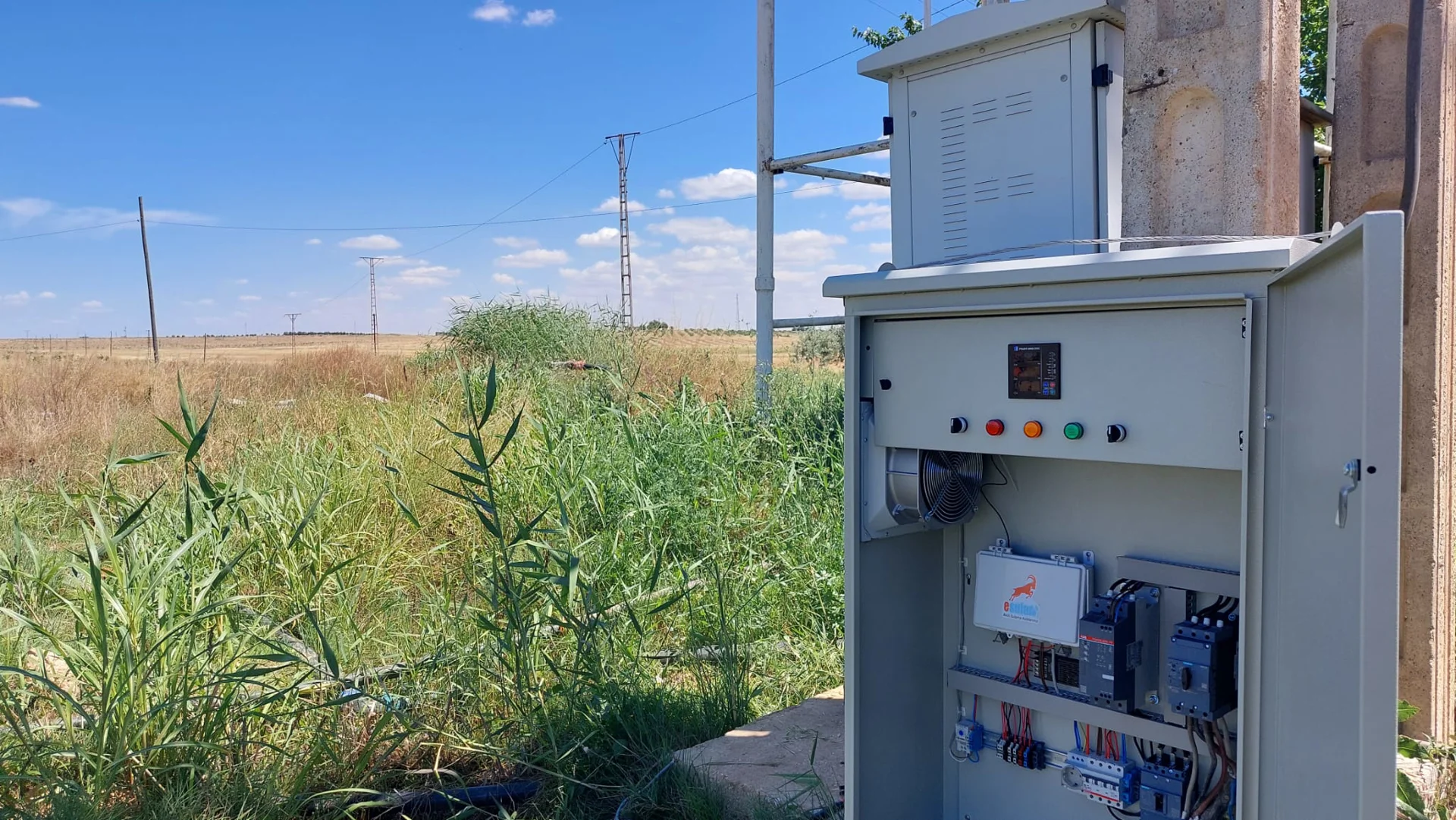
- Timer and Control Panel Control: Inspect the physical condition of the control unit. Look for damaged cables, loose connections, or signs of water leakage. Ensure the panel is free of dust and dirt and that the screen is readable.
- Software Updates: Check for and apply the latest software updates provided by the manufacturer for smart control units. These updates usually include performance improvements, bug fixes, and new features. Current software ensures the system works in the most efficient way.
- Battery Replacement: Replace batteries for battery-powered control units or wireless sensors. Use high-quality and long-lasting batteries to extend battery life. You can track battery status via the Esular application. Weak batteries can lead to data loss or system interruptions.
- Sensor Calibration: Devices such as soil moisture sensors and pH/EC sensors need to be periodically calibrated to ensure they make correct measurements. Incorrect calibration leads to faulty irrigation decisions. Calibration is important for maintaining the long-term accuracy of the sensors.
- Program Control: Ensure that irrigation programs are set correctly and are suitable for the plant type, soil type, and climate conditions. Update programs according to the seasonal plant growth cycle. Incorrect programming can cause over- or under-irrigation.
- Remote Access Control: In systems like Esular, test that remote access and control via the mobile app or web platform work smoothly. Check the internet connection and signal strength. Remote control saves time and provides flexibility for farmers.
6. Control and Optimization of Water Source
The quality and adequacy of the water source are of great importance for the efficient operation of irrigation systems. Any problem in the water source can reduce the performance of the entire system. Different sources such as well water, stream water, or stored rainwater create different maintenance requirements. This step includes critical details for water source optimization.
Control and Optimization Steps:
- Water Quality Analysis: At the beginning of the season, analyze the water in terms of pH value, EC (electrical conductivity), sediment amount, mineral content (lime, iron), and microbial contamination. These analyses help you determine filtering and chemical treatment needs. Water quality directly affects plant health and the life of irrigation equipment.
- Well and Pump Maintenance: Check the general condition of well pumps (surface or submersible). Listen for wear, leaks, or abnormal sounds. Clean pump filters. Inspect electrical connections and the panel. Esular's smart well control panels allow for remote monitoring and management of pumps. Pump efficiency directly affects energy consumption.
- Water Storage Tanks/Ponds: Check the cleanliness of storage tanks or irrigation ponds. Clean moss, sediment, or other contaminants. Ensure water level sensors are working correctly. The insulation and the sturdiness of the covers of the storage areas are also important.
- Pressure Regulators: Ensure that pressure reducing valves and regulators are working correctly and providing the desired pressure throughout the system. Incorrect pressure can unbalance water distribution.
- Flow Rate Measurement: Verify whether the system meets the water requirement by measuring the flow rate of the water source. If the flow rate is insufficient, additional water source or storage solutions should be considered. Flow tracking is important for the sustainable use of water resources.
7. Winter Preparations and Post-Season Maintenance
Preparations made in the previous winter season directly affect how the system will start the new season. If it hasn't been done yet or remains incomplete, winter preparations need to be reviewed. Winter maintenance ensures your irrigation system is protected from damage caused by freezing, cracking, or other winter conditions. This step details winter maintenance irrigation processes and extends system life.
Winter Maintenance Checklist:
- System Draining: Completely drain the water in all pipelines, valves, filters, and pumps. This prevents pipes and equipment from cracking due to freezing. Using an air compressor to push the water in the pipes is the most effective method. Ensure all water is evacuated.
- Closing Valves and Faucets: Close the main water source valve and release the pressure in the system by leaving all faucets open, if any. This prevents remaining water in the system from expanding and causing damage.
- Storing Removable Parts: Remove, clean, and store removable components such as hoses, sprinkler heads, emitters, and sensitive sensors in a closed area where there is no risk of freezing. This extends the life of these parts and ensures they are ready for the next season.
- Protection of Control Units: Remove electronic control units and timers or protect them with a waterproof cover. Extend their life by removing their batteries. It is important to protect electronic components from moisture and cold.
- Pump Protection: Remove pumps and store them in a closed area or insulate them specifically against freezing. Take necessary precautions to prevent pump motors from being damaged in winter.
- Use of Antifreeze: In some systems, special agricultural antifreeze solutions can be used to reduce the risk of freezing. The use of such products should be done in accordance with the manufacturer's instructions.
8. Replacement of Parts and Accessories and Spare Parts Management
Over time, parts and accessories used in irrigation systems can wear out and show signs of aging. Keeping spare parts ensures you can make replacements quickly when needed and that your irrigation schedule is not disrupted. Especially before the season, this step is vital for preventing possible setbacks. This section focuses on spare parts management agriculture practices.
Spare Parts Management Tips:
- Inventory of Critical Parts: Take an inventory of the parts that fail or wear out most frequently (emitters, nozzles, gaskets, filter elements, small pipe connections, valve diaphragms, springs). This helps you understand which parts are needed and how often.
- Pre-Season Control: Ensure that there are enough spares of these critical parts before the season begins. Order if necessary. Searching for parts in the middle of the season can cause valuable time losses.
- Quality Spare Parts: Always use original or equivalent, high-quality spare parts. Low-quality parts can reduce system performance and lead to more frequent failures. Esular offers original spare part support for all its products.
- Labeling and Storage: Label spare parts systematically and store them in a moisture-free place away from direct sunlight. Correct storage extends the life of the parts and ensures they are easy to find.
- Esular Spare Part Support: Esular offers fast and reliable support for the supply of original and compatible spare parts for your systems. In case of any problem, you can contact our expert team.
9. Getting Professional Support: Strengthen with Expertise
Some maintenance and repair operations, especially for large agricultural areas or complex smart irrigation systems, may require professional knowledge, special equipment, and experience. In such cases, getting support from irrigation experts ensures your system is long-lasting and works with the highest efficiency. As Esular, we are by our farmers' side with our expert team in this field. This section guides you on when you should get professional help.
Situations Requiring Professional Support:
- System Design and Optimization: It is important to get expert support when the existing system is working inefficiently or when an irrigation project for a new area is required. Correct design guarantees efficiency from the start.
- Complex Failure Detection: Professional diagnosis is required for problems whose causes cannot be determined, such as pressure drops, irregular flow, or electronic control failures. Experts can quickly detect problems with advanced technical equipment.
- Chemical Washing and Disinfection: Special chemical washing processes for clearing serious lime, moss, or biofilm blockages in pipelines require expertise. Incorrect chemical use can damage the system.
- Smart System Integration and Calibration: Integration and correct calibration of new IoT sensors or automation components require professional knowledge. The Esular team performs these integrations smoothly.
- Seasonal Maintenance Agreements: Making an agreement with companies like Esular for regular and planned maintenance services ensures your system always remains in the best condition. This is ideal for businesses that want to adopt a proactive approach.
- Water Source Optimization: Expert support in areas such as well efficiency analysis, water pump performance optimization, or installation of water treatment systems ensures water resources are used in the most efficient way.
10. Creating a Regular Maintenance Plan and Digitization
Finally, creating a maintenance plan for your irrigation systems and tracking this plan with digital tools ensures that all maintenance and repair operations are performed on time. This plan ensures the system always works with the best performance and prevents water waste. The cloud-based management platforms offered by Esular provide great convenience to farmers by digitizing maintenance processes. This step emphasizes the importance of creating a digital agricultural maintenance plan.
Maintenance Plan Creation Tips:
- Calendar Creation: Create a detailed calendar containing annual, monthly, and weekly maintenance tasks. For example, plan filter cleaning weekly, sensor calibration monthly, and general system control annually.
- Task Assignment and Tracking: Assign each task to the responsible person and regularly track the completion status. This clarifies responsibilities and ensures tasks are performed without disruption.
- Digital Record Keeping: Record all maintenance, repair, and part replacement operations in a digital environment. These records provide valuable data for future troubleshooting, system improvements, and warranty tracking.
- Mobile App Integration: You can receive maintenance reminders, manage tasks, and monitor system performance instantaneously through platforms like Esular mobile applications. This provides great convenience for field teams.
- Performance Analysis: Analyze system performance using regular maintenance records. Take proactive measures by determining which parts fail more frequently and which areas require more attention. This data helps you optimize your future maintenance strategies.
Additional Maintenance Tips for Smart Irrigation Systems and the 2026 Season: Make a Difference with Esular Solutions
IoT Sensors and Data Accuracy
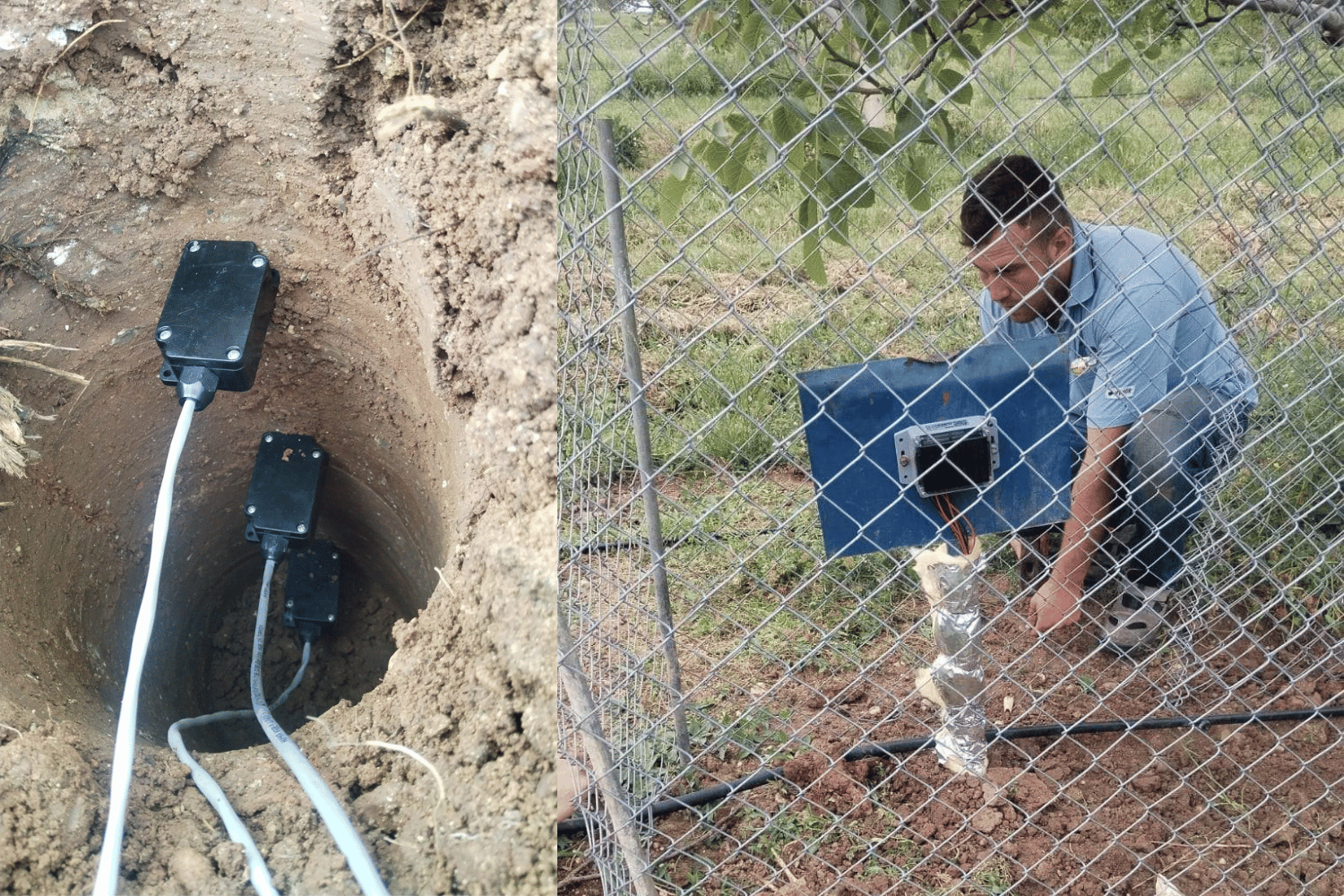
Esular's soil moisture sensors continuously monitor moisture levels in the plant root zone, accurately determining water needs. The accuracy of these sensors forms the basis of the entire smart irrigation decision mechanism.
- Physical Control: Ensure that sensors are not physically damaged, their cables are sturdy, and their contact with the soil is not interrupted. Take protective measures against rodent pests. Check for cracks or corrosion on the sensor body.
- Cleaning: Soil accumulation, lime, or moss formation on sensor tips can affect measurement accuracy. Periodically clean sensor tips gently. Especially for EC sensors, this cleaning is of vital importance.
- Calibration: Calibrations should be checked annually to ensure that sensors make correct measurements according to factory settings. Recalibration may be required especially for different soil types. Calibration kits or professional services can be used.
- Positioning: Ensure that sensors are placed in the plant root zone, at the correct depth, and in a way that provides homogeneous representation. Incorrect placement can lead to misleading data and cause faulty irrigation decisions.
- Data Analysis: Regularly analyze data coming from sensors via the Esular platform. Abnormal readings or sudden fluctuations can indicate sensor failure or incorrect calibration. This data can be used to optimize your irrigation strategy.
Wireless Valve Control Systems
Esular's wireless valve control systems offer the flexibility to manage irrigation zones remotely. Maintenance of these systems is different from traditional manual valves.
- Battery Life Control: Wireless valve control units usually run on batteries. Check battery levels regularly and replace weakening batteries in time. You can track battery status via the Esular application. Ensure you use the correct battery type during battery replacement.
- Signal Strength: Check the wireless signal strength between the control units and the central gateway. Weak signal can lead to delays or failures in valve open/close commands. Optimize the gateway position or use signal boosters if necessary.
- Physical Control: Ensure that valves are not physically damaged, do not leak, and work mechanically correctly. Test functionality by opening and closing manually. Check for corrosion or sediment accumulation.
- Software Updates: Keep the software of the control units up to date. Updates published by the manufacturer can provide performance and security improvements. This also helps protect the system in terms of cybersecurity.
- Electrical Connections (Externally Powered): If wireless valves are connected to an external power source, ensure these connections are sturdy and free of corrosion. Check cables for wear or damage.
Greenhouse Automation and Climate Control Systems
For greenhouse owners, climate control systems are as important as irrigation. Maintenance of these systems plays a critical role in maintaining optimum growth conditions inside the greenhouse. Esular's greenhouse automation solutions facilitate these processes. This section provides detailed information for the greenhouse automation maintenance guide.
- Sensor Maintenance and Calibration: Regularly clean and calibrate temperature, humidity, CO2, and light (PAR) sensors inside the greenhouse to ensure they make correct measurements. Dust, dirt, or condensation can reduce the performance of sensors. Incorrect measurements lead to incorrect air conditioning decisions.
- Ventilation Systems (Fans and Windows): Check the motors, impellers, and belts of ventilation fans. Clean and lubricate if necessary. Check the motors, gears, and rails of automatic window opening/closing mechanisms to ensure they work smoothly. Regular lubrication of moving parts extends their life.
- Heating and Cooling Systems: Clean greenhouse heating boilers, pipes, and radiators. Perform regular maintenance for cooling pads and fans. Ensure systems can provide the optimum temperature. Check fuel lines and electrical connections.
- Misting and Humidification Systems: Ensure misting nozzles are not clogged and provide even distribution. Prevent lime buildup by checking water quality. Clean the water tanks and filters of humidification systems.
- Control Panel and Software: Check the physical condition of the greenhouse automation control panel and software updates. You can monitor and manage all systems in an integrated way via Esular's central management platform. Software updates are important for new features and security patches.
- Lighting Systems: If artificial lighting is used inside the greenhouse (LED or HPS lamps), check the cleanliness and proper operation of the lamps. Replace burned-out or faulty lamps.
Conclusion: For a Productive and Smart Agriculture Ready for the 2026 Season
Preparation for the 2026 irrigation season is more than just a task list; it is a strategic investment in the future of your agricultural business. Regular maintenance and repair not only extend the life of your irrigation systems but also ensure you use water and energy resources more efficiently, increase plant yield, and contribute to environmental sustainability. Especially the smart irrigation and agricultural technologies offered by Esular lighten the burden of our farmers by making these maintenance processes easier, more accurate, and more proactive.
Remember, a well-maintained system prevents unexpected failures, lowers operational costs, and most importantly, ensures you get abundant and high-quality products that will make you smile at harvest time. To reach the highest efficiency in the 2026 season, give your irrigation systems the necessary care and carry your agriculture to the future with Esular's innovative solutions. Benefit from Esular's expertise to reach your agricultural sustainability and efficiency goals. To get more information, explore our products, or get consultancy about smart irrigation solutions special to you, contact us immediately or visit our products page.