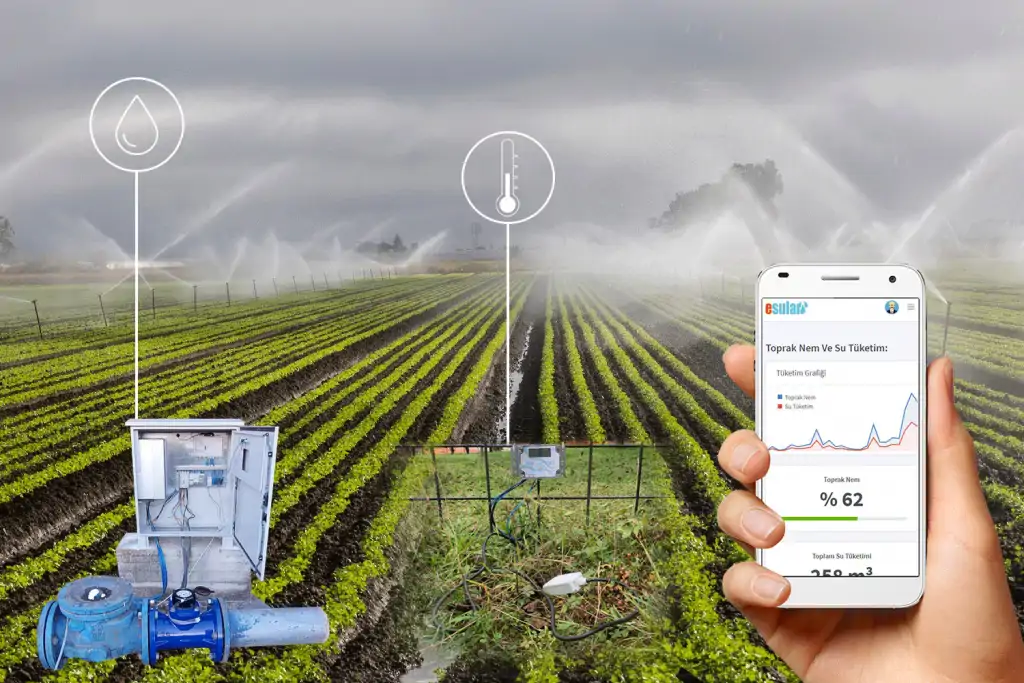
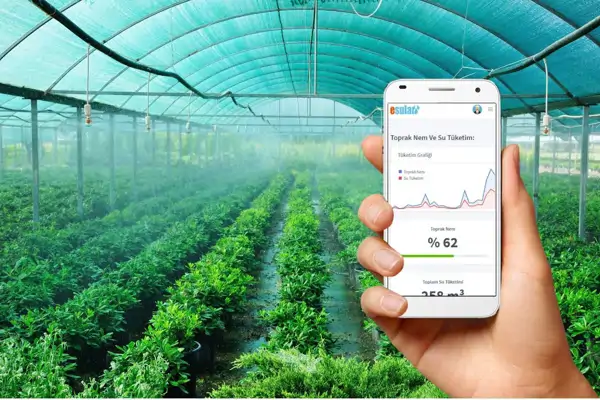
Smart water control technologies are methods used to provide more than 50% savings in irrigation and 30-40% energy savings. It includes smart valve controls, weather sensors, soil sensors, pool water level sensors, and various controllers. The sensor measures current weather conditions, pool or well water level, monitors soil moisture, and controls the opening and closing of the water valve.
Smart Water Control Technology Sensors
1. Soil moisture sensor
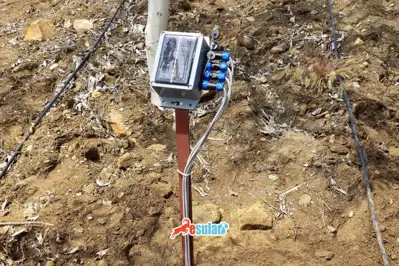
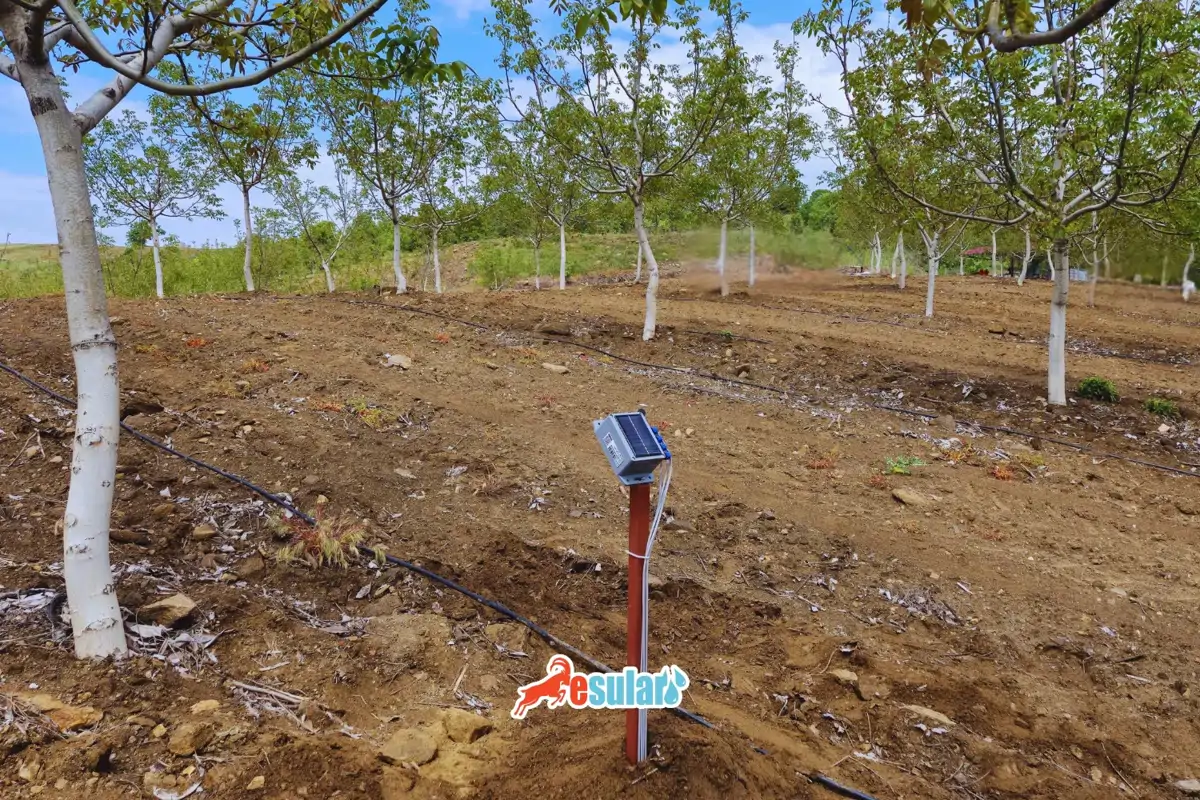
Soil moisture sensor, are devices that measure in detail and precisely whether the soil is dry. Generally, the probe is inserted at the same depth as the plant's root, and the measurement result becomes more accurate. When the soil moisture exceeds the alarm value, the controller closes the water valve, and when the soil moisture falls below the alarm value, the controller opens the water valve. Different soil moisture sensors are selected according to different soil types.
2. Evaporation sensor
Evaporation sensors are devices related to weather monitoring. Their value reflects the evaporation of the soil surface. Collecting this climate-related information can adjust the irrigation duration.
3. Rain and snow sensor
It is used to stop irrigation immediately when it rains while irrigation areas are being irrigated. Irrigation carried out when it rains causes a waste of water and money and leads to unnecessary energy flow. Smart irrigation also has such a function. The rain and snow sensor is the basis for performing this function.
4. Wind speed sensor
Irrigation during windy times can reduce the uniformity of water distribution and decrease the amount of water infiltrating the soil. It is necessary to install wind speed sensors that cut the irrigation cycle if the wind speed exceeds a certain threshold. Based on the current weather conditions in the region, it rationally organizes the irrigation cycle and duration, which can cumulatively save a lot of water resources.