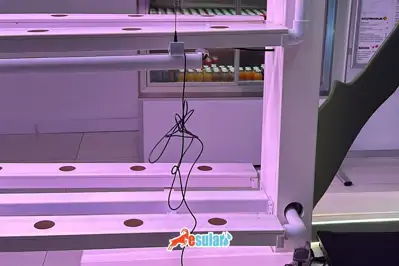
Soilless blueberry cultivation is a modern agricultural method that allows plants to be grown using various substrates instead of soil. In this method, necessary nutrients and water are presented directly to the plant roots, ensuring more controlled and healthy growth of the plants. Soilless farming offers advantages such as reducing the risk of disease and using water and nutrients more efficiently. It is an ideal growing method especially for sensitive plants like blueberries. In this article, you can find detailed information about the basic principles of soilless blueberry cultivation, substrate selection, and other important topics.
Substrate Selection in Blueberry Cultivation
One of the most critical factors in soilless blueberry cultivation is the correct choice of substrate. The substrate provides physical support to the plant roots, holds water and nutrients, and allows the roots to breathe. Here are the substrates used in blueberry cultivation and their properties:
Substrate Types
Organic Substrates:
Peat: Formed by the decomposition of plant remains that grow under water and in marshes, accumulated over a long period in anaerobic conditions. The pH range of white peat is around 3.5 and shows acidic properties.
Cocopeat: A fibrous organic substrate obtained from coconut shells. It has a high water holding capacity and maintains air balance for a long time.
Sawdust and Tree Barks: Obtained from trees such as pine, beech, and oak. Its water holding capacity is high, and its aeration properties are good.
Rice Husk and Peanut Shells: Used as natural waste products and provide good air permeability.
Inorganic Substrates:
Perlite: An aluminum silicate of volcanic origin. It is expanded by popping at high temperatures, has low water holding capacity and high aeration properties.
Pumice (Volcanic Tuff): A rock formed as a result of volcanic activities. Its water holding capacity is low, and its aeration capacity is high.
Vermiculite: A silicate mineral obtained from volcanic magma sources. It is expanded by heating and its water holding capacity is high.
Properties and Economic Life of Substrates
Properties and economic lives of substrates, which are an important component of soilless farming, play a critical role in plant cultivation. These substrates not only provide support to the root systems of plants but also have important properties such as water holding capacity and air permeability. An ideal substrate should be able to hold the nutrients necessary for plants and provide aeration in a way that allows the roots to receive oxygen. In addition, the pH level of the substrate affects plant nutrient uptake and is generally determined according to the type and needs of the plant.
The economic life of substrates is generally accepted as 5-6 years. During this period, the physical and chemical properties of the substrate may change over time and create negative effects on plant health. Therefore, it is recommended to regularly change or renew the substrates, which can increase plant cultivation efficiency and health. Soilless farming methods offer various techniques to extend the economic life of substrates, which paves the way for sustainable plant cultivation practices.
Suitable Substrate Mixtures for Blueberry
Frequently used substrate mixtures in blueberry cultivation are as follows:
100% White Peat
50% White Peat + 50% Cocopeat
65% White Peat + 25% Cocopeat + 10% Perlite
40-50% White Peat + 40-50% Cocopeat + 10-20% Perlite
40-50% White Peat + 40-50% Cocopeat + 10-20% Pumice
Properties to be Considered in Substrate Selection
The basic properties sought in blueberry substrates are as follows:
It should provide good physical support to plants.
Its porosity should be 75-80%.
Aeration and water holding capacity should be sufficient.
Its pH should be 4.5-4.8.
Salt content should be low.
Bulk density should be low.
Its properties should not change over time.
It should not be contaminated with diseases and pests.
It should be inexpensive.
Appropriate substrate selection in line with these criteria is very important for achieving successful results in blueberry cultivation.
Common Problems and Solutions in Soilless Blueberry Cultivation
Soilless blueberry cultivation, while offering many advantages over traditional farming methods, may also encounter some specific challenges. In this article, we will focus on some of these problems and the methods that can be used to solve them.
Problems:
PH Balance Issues: It is difficult to maintain ideal PH levels for blueberry plants, and this is of critical importance for the healthy development of the plant.
Nutrient Deficiencies: Access to the correct nutrients for plants in soilless environments must be ensured. Especially the deficiency of micronutrients such as iron and manganese is a common problem.
Air and Water Management: The lack of correct aeration and water holding capacity of the substrate can prevent the healthy development of plant roots.
Diseases and Pests: Soilless environments can reduce the natural resistance of plants against diseases and pests, this risk increases especially if water cannot be used correctly.
Common Problems in Soilless Blueberry Cultivation and How We Offer Solutions
Blueberry cultivation, while offering many advantages in soilless environments, can also bring specific challenges. We want to explain how we, as esular, can help you overcome these problems:
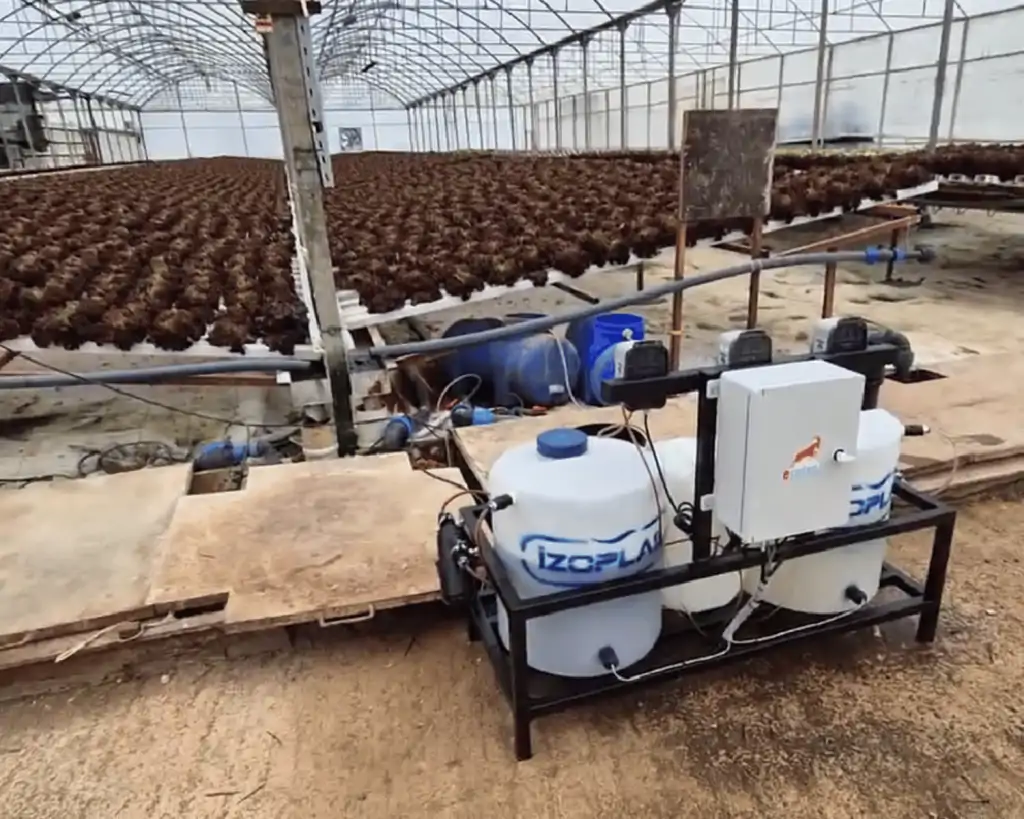
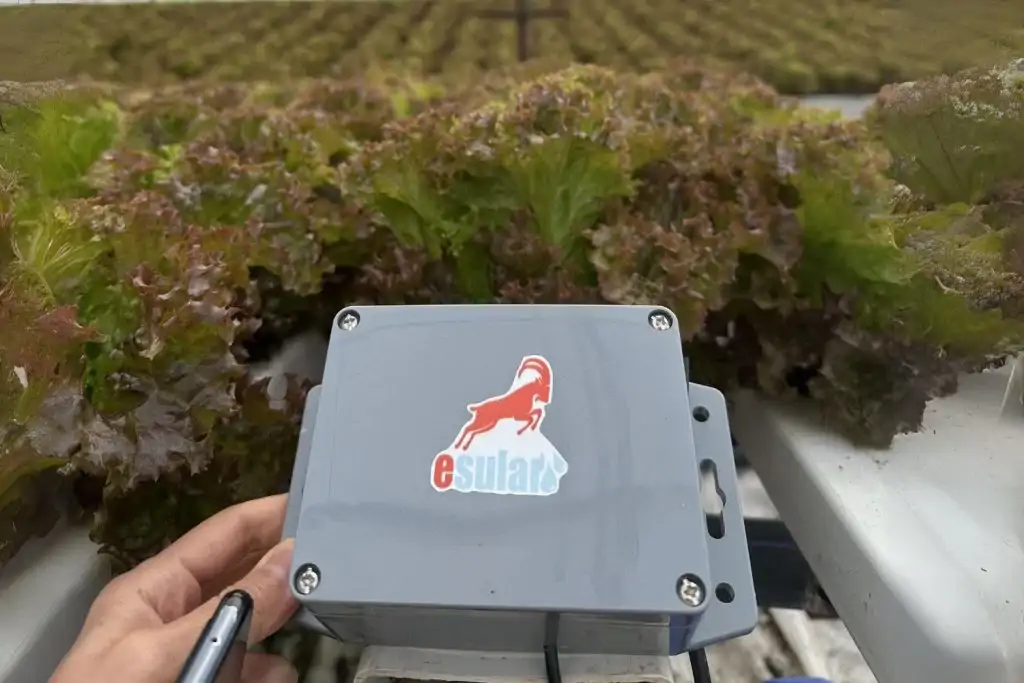
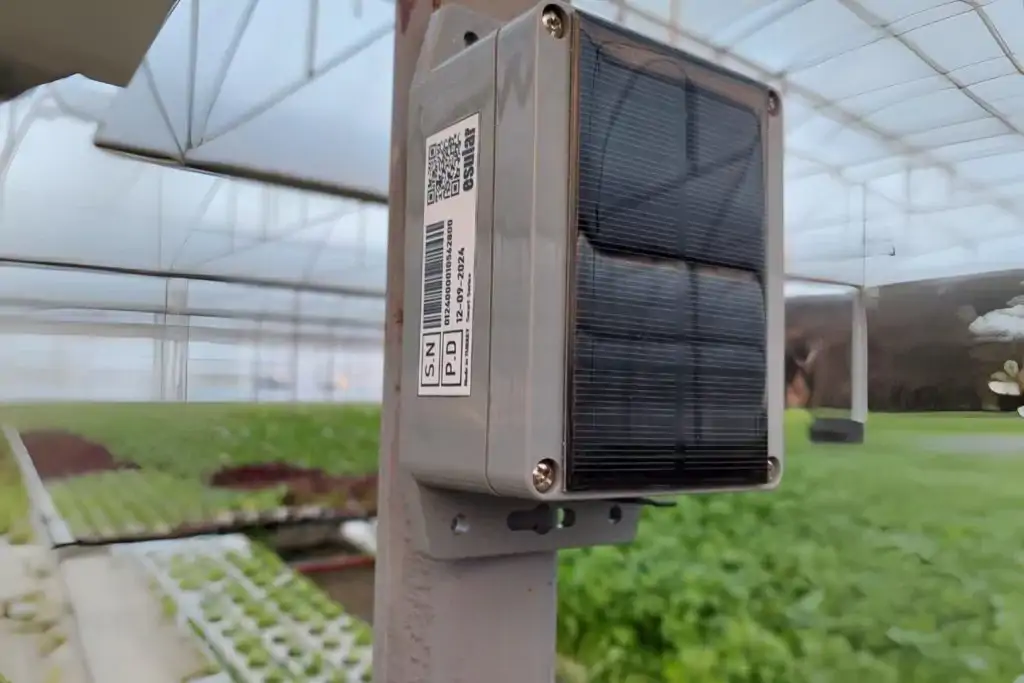
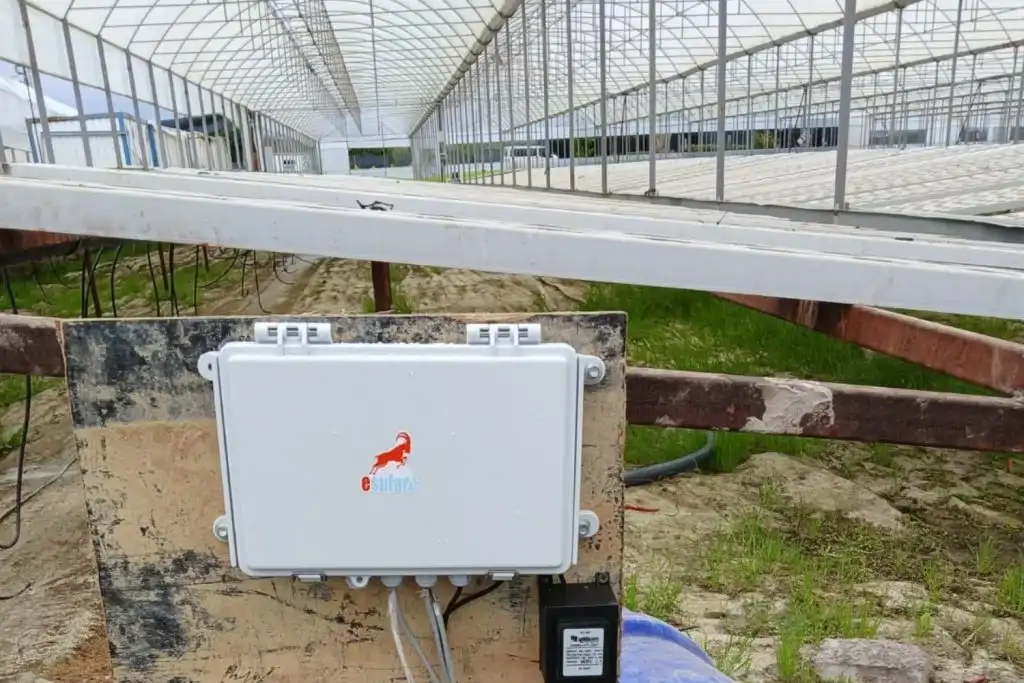
PH Balance and Nutrient Deficiencies: It is very important to correctly provide ideal PH levels and nutrients for blueberry plants. Our EC and pH sensors ensure continuous monitoring and regulation of the substrate's water and nutrient solution. Additionally, with the EC-pH based automatic fertilization system, you can easily provide the precise nutrient balance that plants need.
Air and Water Management: As esular, we offer temperature-humidity sensors and smart water management systems to increase efficiency in soilless farming. Our temperature and humidity sensors continuously monitor the environmental conditions in the greenhouse, providing the necessary environment for the optimal growth of plants. Our smart irrigation system, on the other hand, meets the water needs of plants at the right time and in the right amount, providing an efficient feeding process while saving water.
Combating Diseases and Pests: Thanks to the remote control feature of our application, automatic management of lighting, irrigation, and nutrients is ensured. This increases the natural resistance of your plants and provides strong support in combating diseases or pests.
Solutions with esular:
As esular, we offer technological solutions for all kinds of challenges you may encounter in agriculture. With our high-tech sensors and remote control system, we can instantly respond to the needs of your plants, increase efficiency, and support sustainable farming practices.
You can always reach us to solve your problems and get more information. As esular, we would be pleased to provide the support you need to achieve the best results. By clicking here you can examine our Smart blueberry irrigation system that we implemented in a sample project.