The Critical Role of Soil Moisture in Spring Planting
In the modern world of agriculture, success is no longer based only on experience but also on precise data. The spring season is a period full of both hope and uncertainty for producers. The awakening of the soil, the moment the seed meets the soil, and the management of this process are the most fundamental factors determining the yield for the rest of the year. At this point, soil moisture appears as a vital parameter in every stage from seed germination to root development. The technological solutions we offer as Esular allow farmers to eliminate this uncertainty and base strategic decisions such as 'early planting' on a scientific foundation.
Early planting extends the vegetation period, allowing the plant to complete critical development stages before the summer heat and drought. However, planting when the soil is too wet can lead to soil compaction, seed rot, and the cessation of root development due to insufficient oxygen. On the other hand, excessive drying of the soil results in the seed's inability to germinate. Using a soil moisture sensor to establish this balance offers an accuracy rate far beyond traditional methods.
Soil Moisture Dynamics: Field Capacity and Wilting Point
Understanding the water-holding capacity of the soil is the first step for smart irrigation and planting management. Soil is a complex structure consisting of solid particles, air gaps, and water. When making a planting decision, it is necessary to know these two basic concepts:
- Field Capacity: The maximum amount of water the soil can hold against gravity. Ideal conditions for planting are usually moisture levels slightly below field capacity.
- Wilting Point: The moisture level so low that the plant cannot take water from the soil. Planting in soil approaching this point means the death of the seed.
Soil moisture management covers not only the amount of water but also the movement of water within the soil. Learning more detailed information about soil moisture and water movement will make it easier for you to interpret sensor data.
Sensor Technology: TDR and Capacitive Measurement
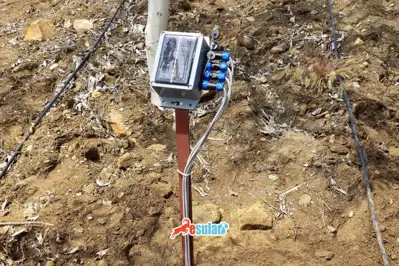
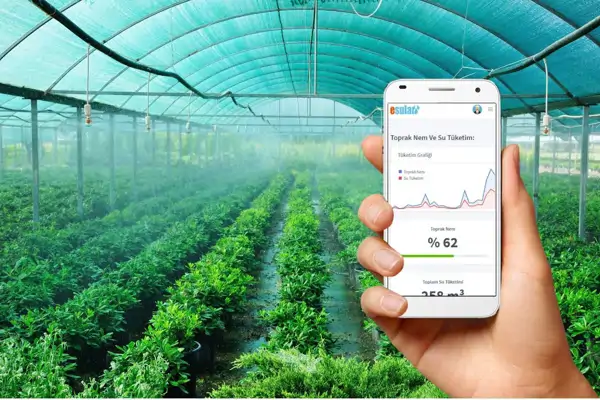
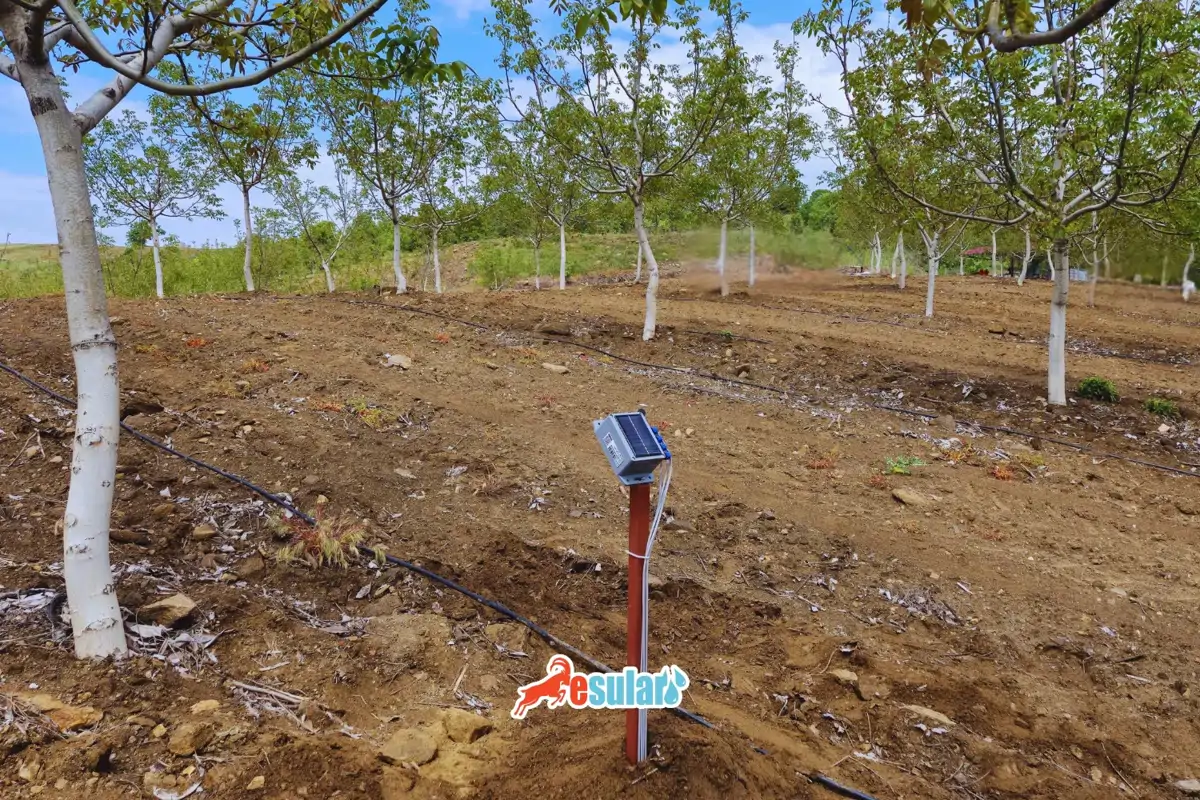
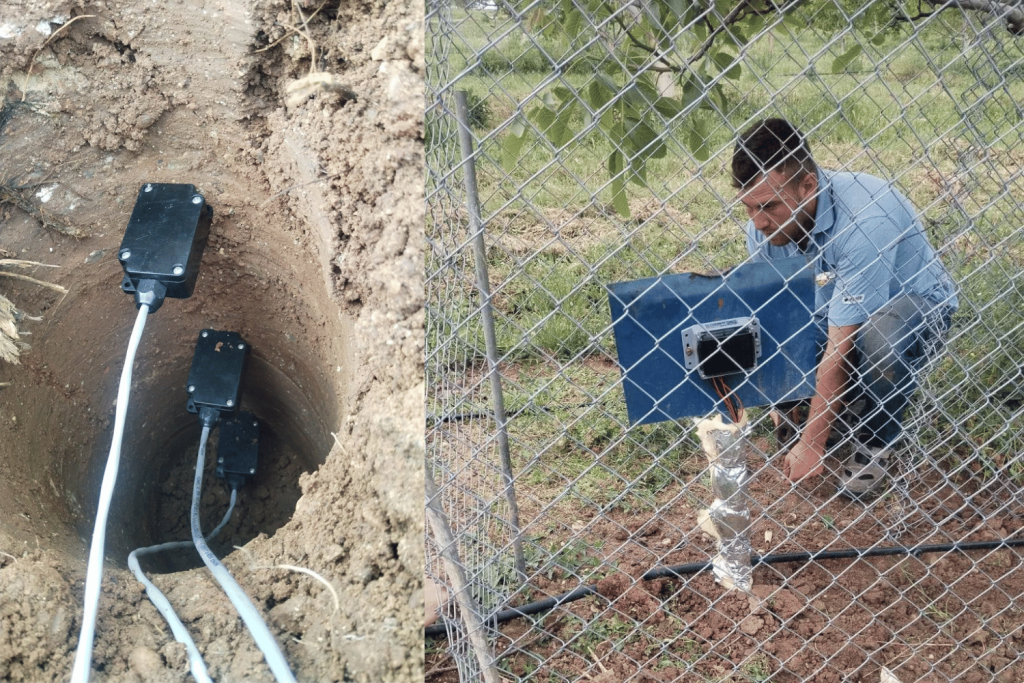
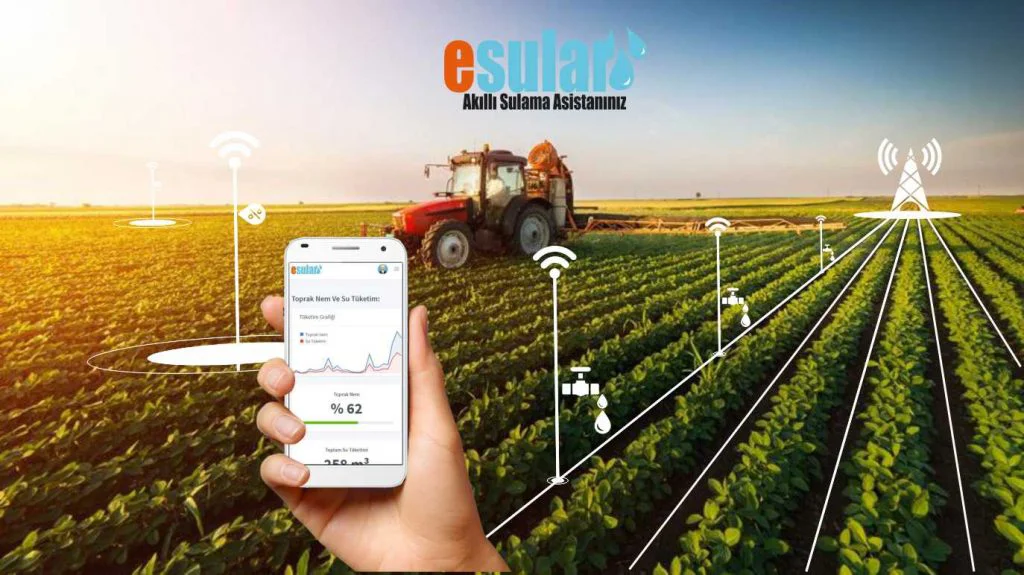
Today, soil moisture sensor technologies determine volumetric water content by measuring the dielectric constant of the soil. TDR (Time Domain Reflectometry) and capacitive sensors provide instant data without harming the soil. The wireless battery-powered soil moisture sensor developed by Esular allows the producer to monitor the soil condition from their mobile phone by transferring data from different points of the field to the cloud system.
Early Planting Decision-Making Process
Making an early planting decision just by looking at the calendar carries a great risk. In smart farming applications, this decision is made with the combination of three basic data points from sensors:
- Soil Temperature: Has the minimum temperature required for seed germination (e.g., 10°C for corn, 15°C for cotton) been provided?
- Volumetric Water Content (VWC): Is the soil moisture low enough that planting machines will not compact the soil, but high enough to burst the seed?
- Meteorological Forecast: Is there a risk of excessive precipitation or frost in the next 48 hours?
Using a system integrated with Esular climate stations for the analysis of this data reduces the margin of error to zero. If sensors show that moisture is stable in the upper 10 cm layer of the soil and the temperature is on an upward trend, the 'green light' for planting is on.
Smart Irrigation and Automatic Irrigation Integration
Maintaining the moisture level of the soil after planting is critical for a homogeneous emergence (germination). Automatic irrigation systems activate with a low moisture signal from the sensors and provide the life water the seed needs just in time. In this process, smart irrigation software minimizes plant stress while preventing water waste.
Advantages of Esular Solutions:
- Opportunity to check moisture status without going to the field
- Prevention of fungal diseases caused by over-irrigation
- Increased efficiency in fertilization (fertigation)
- Savings of up to 30% in labor and energy costs
You can plan the season by getting more information about smart irrigation systems in post-planting management. Especially in large areas, wireless valve control devices completely digitalize the irrigation operation.
Case Study: 20% Yield Increase with Sensor Data
In a corn planting study conducted in the Bursa region, while one group of farmers used the traditional calendar method, the other group planted according to Esular soil moisture sensor data. The group using the sensor identified the earliest day when the soil was at the right consistency (tilth) and carried out the planting 10 days earlier. As a result:
- A deeper root structure was formed.
- The pollination period was completed before the summer drought began.
- 20% more grain yield was obtained at harvest.
- 15% savings were achieved in irrigation water use.
Technical Calculations and Formulations
The basic formula used for moisture management in precision agriculture is to determine the water deficit in the soil. This calculation tells you when and how much irrigation you need to do:
Here, the 'Current Moisture' value is the instantaneous data from the sensor. For example, in a loamy soil, if the field capacity is 30%, the sensor data is 20%, and the root depth is 30 cm, there is a 10% water deficit for each 10 cm layer of the soil. When you combine this data with the crop water requirement calculation tool, you create a perfect irrigation program.
Risk Management in Early Planting
Early planting always carries risks. The biggest risk is the sudden cooling of the soil after planting or ponding with excessive precipitation. Esular's agricultural frost risk map and early warning systems warn the producer in such cases and allow them to take the necessary precautions. If soil moisture is high, cold air reaches the depths of the soil faster. Therefore, moisture and temperature data should be analyzed together.
Importance of Soil Analysis
Knowing the physical structure of the soil before sensor installation is essential for sensor calibration. The sensor responses of a sandy soil and a clayey soil are different. A winter soil analysis to be performed at the beginning of the season reinforces the accuracy of the yield you will get from the sensors.
Prepare for the Future of Agriculture with Esular
Digitalization in agriculture is not a luxury but a necessity for sustainability. Esular, enables the farmer to 'hear' their soil with IoT-based systems developed with local engineering power. Spring soil moisture management is the most critical stop on this digital journey. A planting decision made with the right data determines not only that day's work but the earnings of the whole year.
If you want to increase productivity and minimize risks in your field, you can contact Esular's expert team or examine our soil moisture sensor professional packages. Remember, the soil does not lie; as long as you know how to listen to it with the right technology.
Frequently Asked Questions
Can the soil moisture sensor measure at any depth?
Yes, sensors are available that measure at different levels from 10 cm to 100 cm depth depending on the root structure of the plant. At the planting stage, the first 10-20 cm is the most critical zone.
Are sensors affected by fertilization?
Quality capacitive sensors are designed to be minimally affected by the salinity rate (EC) in the soil. Esular sensors have advanced filtering algorithms for precise measurement.
Is technical knowledge required for installation?
Esular systems are designed with a 'Plug-and-Play' logic. Thanks to its wireless structure, it does not require complex wiring and is easily managed via the mobile application.
Conclusion: Data-Driven Agriculture, Guaranteed Profit
Spring soil moisture management is the strongest trump card in the hands of the modern farmer. Optimizing planting time using soil moisture data both prevents seed loss and maximizes the plant's potential. Smart farming tools are the producer's greatest shield against the uncertainties brought by climate change. Take control of your soil with Esular technologies and see the difference during the harvest period.