Sustainable Tomato Cultivation with Smart Irrigation Systems
Sustainable tomato cultivation is an activity aimed at protecting soil and water resources by reducing environmental impacts. This approach encourages the use of organic fertilizers, reduces the use of chemical pesticides, ensures the efficient use of water resources, and involves growing varieties resistant to plant diseases through diversification. Additionally, it emphasizes energy efficiency, pays attention to waste management, and reduces transportation and storage costs by focusing on local markets. In this way, sustainable tomato cultivation secures the future of agriculture by offering environmental, economic, and social benefits together.
Tomato is one of the most widely cultivated plants in the world. Both fresh and processed forms, such as tomato paste and ketchup consumed, have a significant share in the food industry. In the production of this plant, which has an extremely large market share, increasing yield is gaining importance day by day. It is necessary to develop smart irrigation solutions, which are the most important factor in increasing yield in tomato cultivation.
Irrigation in Tomatoes
You cannot obtain juicy, garden tomatoes without irrigating your tomato plants. Tomato seedlings need constantly moist soil and prefer regular deep irrigation. Drought and insufficient irrigation greatly reduce fruit quality; but no tomato plant likes excess water on its leaves. When it receives excess water, instead of bearing fruit, there is a growth in plant height; furthermore, excess moisture causes various plant diseases. Since unconscious water use will reduce the use of fresh water resources, it also has a major negative impact on sustainability.
To eliminate these negative effects caused by unconscious irrigation and to make production more sustainable, it can be stated that both the amount and stability of irrigation in tomato cultivation are of great importance. At this point, drip irrigation stands out as an extremely effective method.
The Importance of Drip Irrigation in Tomato Cultivation
Drip irrigation is one of the most effective ways to solve the negative effects that come with unconscious irrigation. It is an effective solution for keeping soil moisture ideal in tomato cultivation. Drip irrigation systems deliver water and nutrients directly to the plant root zone. Thus, the absorption of water and nutrients by the plant is facilitated, and the use of excess water and nutrients is prevented.
Considering all these benefits, it is seen that drip irrigation allows for a reduction in operating costs in tomato cultivation. This brings along an increase in profit for businesses.
Smart Irrigation Systems in Industrial Tomato Production
Smart irrigation systems ensure that you irrigate in the right amounts and in the right way, allowing fruit development without exposing tomato seedlings to stress factors. Thanks to smart irrigation systems, uniform plant development and maturation are observed in the field. The basic condition for high-income production is to carry out plant nutrition in a balanced way according to physiological periods; smart irrigation systems make this possible.
Advantages of Smart Irrigation Systems in Tomato Cultivation
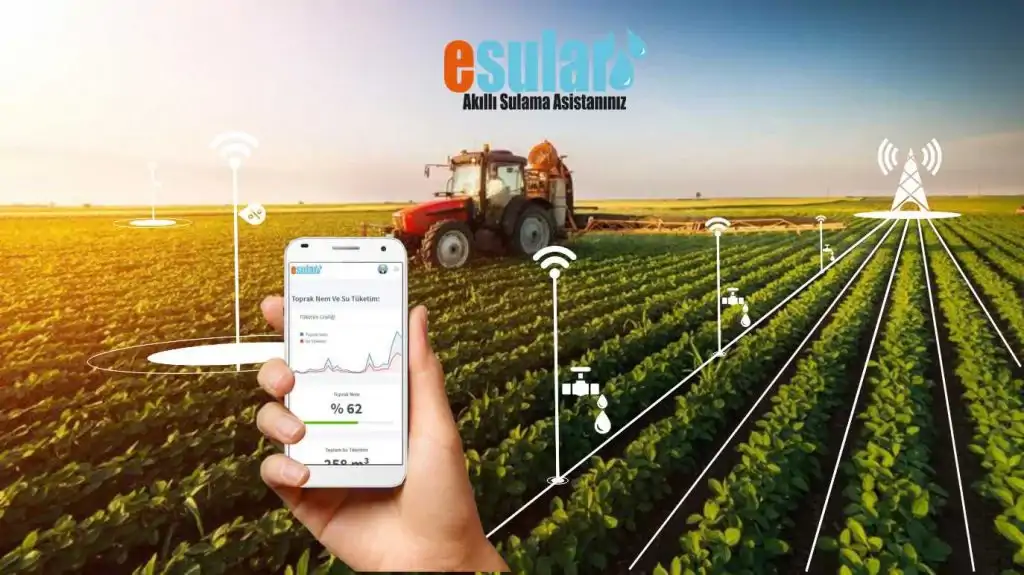
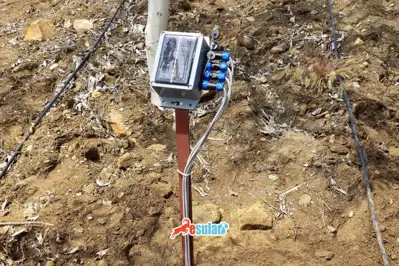
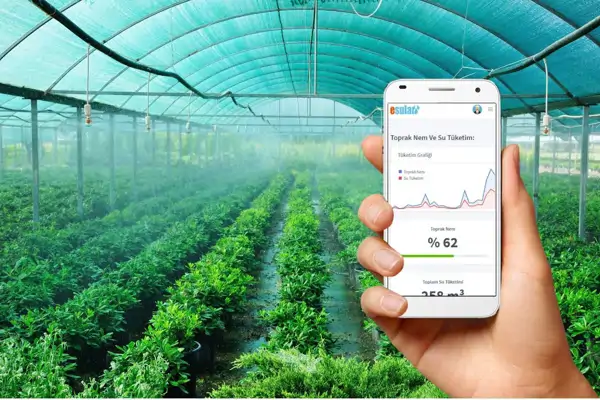
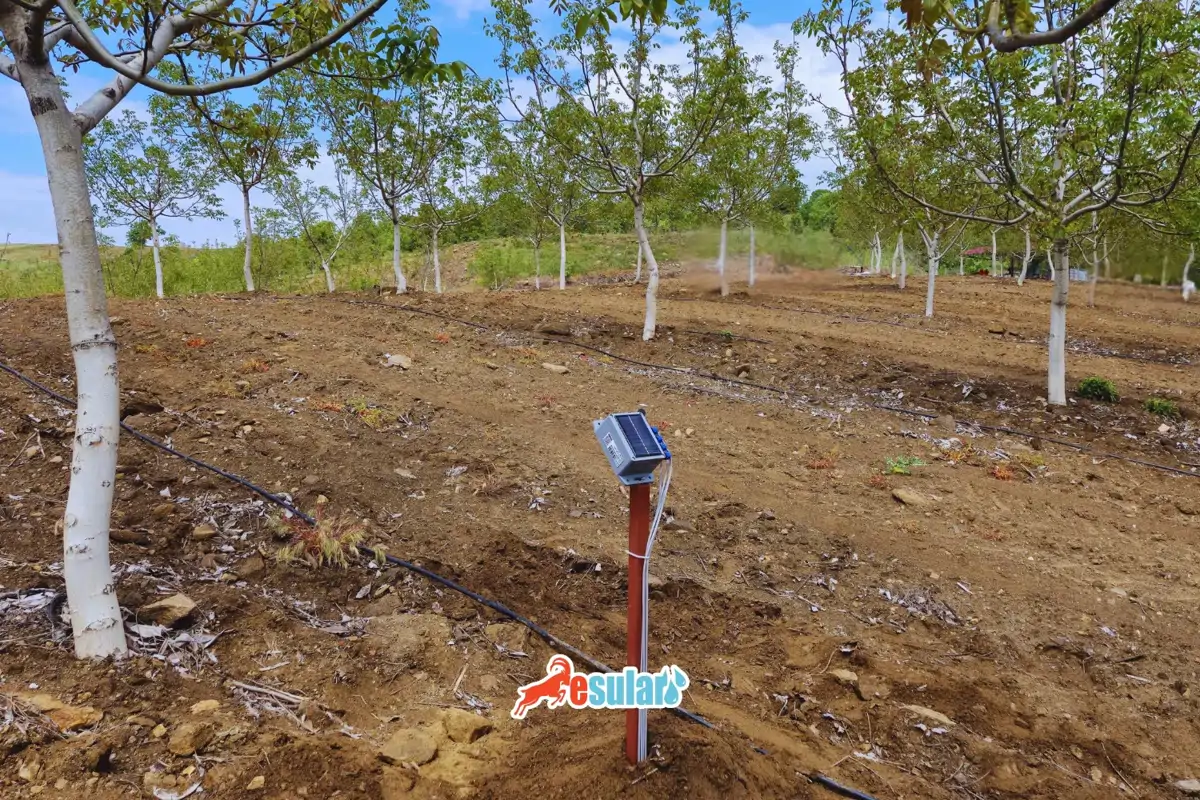
Thanks to different types of smart sensors in our smart irrigation system, which include many smart features such as soil moisture, precipitation amount, pressure, and flow, you can determine when and how to irrigate the tomato plant. With sensors and algorithm support, you can increase savings and product yield while ensuring maximum efficiency.
Thanks to energy and water savings, you can grow more sustainable tomatoes.