By using the reverse osmosis filtration method in agriculture, drainage and waste waters are treated and reused in irrigation, thus preventing water waste and ensuring efficient use of water resources. In addition, water obtained from deep wells experiencing salt problems is filtered with reverse osmosis and purified from salt, lime, and unwanted particles. In this way, while plants are irrigated with cleaner and higher quality water, blockages that may occur in irrigation systems are also prevented. Reverse osmosis technology provides the most suitable water quality used in irrigation by regulating important parameters such as the pH level, hardness, and conductivity of the water. As a result, it allows both the protection of water resources and the obtaining of higher quality products.
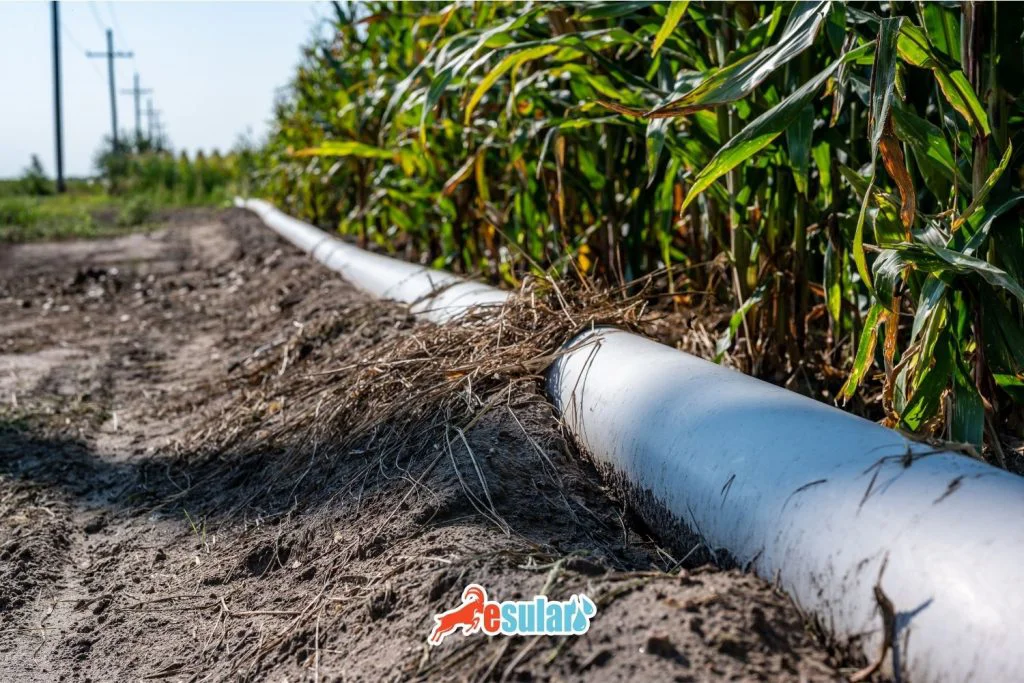
Water Filtering with Reverse Osmosis System in Agricultural Irrigation
Reverse osmosis system is a filtration method used especially in areas where water quality is not suitable. Especially in regions where water scarcity is experienced and agriculture is practiced intensively, water quality is very important. Lime, salt, bacteria, and other unwanted pollutants in water have a great impact on water quality. To minimize or eliminate these factors, the reverse osmosis system comes into play. Thanks to this system, water is filtered and made ready for use in a simple way without using heavy metals and chemicals. In this article, we will talk about the stages of the reverse osmosis system, its use in agriculture, and its advantages.
What is Reverse Osmosis and How Does It Work?
Reverse osmosis is a water treatment method in which water is passed through a semi-permeable membrane filter under high pressure to be purified from large particles, crystals, heavy metals, and microorganisms. In this process, the water is first purified from sediment, lime, particles, and microbes by passing it through filters, each with different pore diameters. This process is also done to alleviate the contamination of the filters. Afterwards, the water is pumped and reached high pressure. Under high pressure, the water passing through the filters with the cross-flow principle is purified from salt, heavy metals, sediment, bacteria, and dissolved ions. Water treatment devices working with reverse osmosis technology can be used in many areas such as homes or workplaces, industrial areas, and agriculture. The filtering system, which purifies water from all microorganisms and unwanted substances, allows you to reach healthy water in the most economical way.
Advantages Provided by Reverse Osmosis System in Agriculture
Effects of Water Filtered with Reverse Osmosis on Soil and Plant
-
Water treated with reverse osmosis prevents salt accumulation in the soil, improving the plant development process and water intake.
-
Since chemicals and heavy metals are not used in the reverse osmosis method, more natural and high-quality products are obtained.
-
Water treated with reverse osmosis ensures the healthy development of the cold. Water purified from salt and residues allows plants to take in water and nutrients more effectively.
-
Water purified from pollutants increases the power to fight diseases and pests in plants.
Water filtered with reverse osmosis has many positive effects on soil and plant health. Purifying the soil from salt and components, ensuring the healthy development of the system and increasing management management. Using this water treatment technology in agriculture allows the development of sustainable and efficient production parts.
One of the most important elements of increasing agricultural productivity and protecting systems is correct water management. As Esular ,
In an example project in the video, we implemented the Reverse Osmosis (RO) System, which is the most effective solution for a customer experiencing high salinity problems.
Thanks to the reverse osmosis system:
- Salt ratio in the soil was minimized,
- Productivity and quality increase was achieved,
- Water management was optimized.
As Esular, we work to offer the highest quality.
Meet Esular's advanced technologies.
Yorumlar