
Tüm Yazılar

What are Greenhouse Technologies?
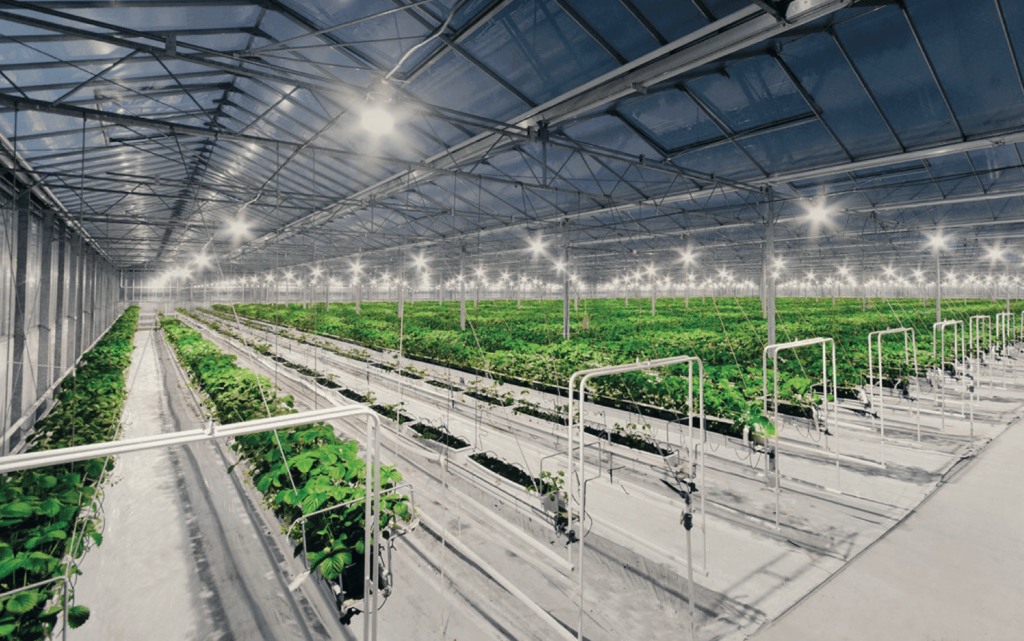
Greenhouse technologies play a crucial role in increasing the efficiency and sustainability of agriculture. These innovations offer a wide range of solutions from climate control to advanced automation systems that optimize plant growth conditions. Greenhouse technologies make agricultural products both more efficient and environmentally friendly by perfectly regulating the balance of air, heat, light, and humidity to ensure optimal development of plants. Automation and sensor technologies are indispensable elements of modern greenhouse systems. These technologies promote both economic and environmental sustainability by saving water and energy. Automatic irrigation systems ensure that the necessary amount of water is provided by constantly monitoring the plants' water needs.
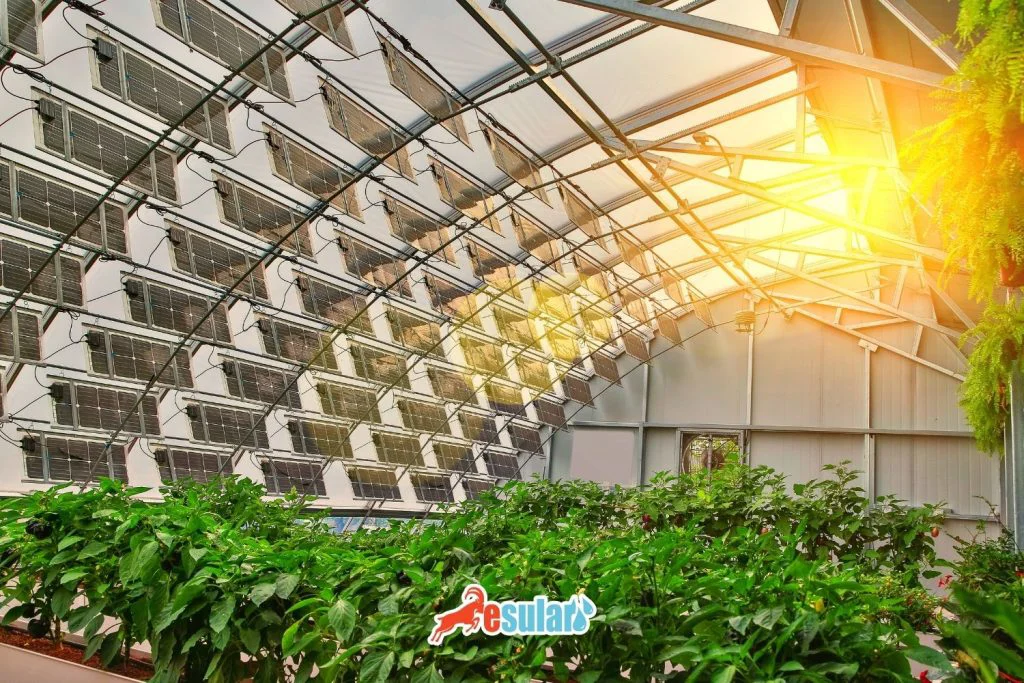
Greenhouse technologies also include innovations that increase energy efficiency. Advanced heating and cooling systems reduce the carbon footprint of greenhouses by minimizing energy consumption. In addition, the environmental impact of greenhouse systems can be further reduced by using solar energy and other renewable energy sources. Biological and integrated control methods in the fight against plant diseases and pests are also an important part of modern greenhouse technologies. These methods, developed as an alternative to chemical control, protect plants and allow for healthy products without harming the environment and human health. These innovations offered by greenhouse technologies are shaping the future of agriculture and offering producers higher efficiency and quality. In the future, with the development of greenhouse technologies, sustainability and efficiency in agriculture will increase further, and solutions will be found for the problems faced by agricultural production worldwide.
Greenhouse Climate Control Systems
A greenhouse climate control system is an advanced technology that manages temperature, humidity, carbon dioxide levels, and light amount to provide optimal growth conditions for plants grown in the greenhouse. These systems increase productivity and support sustainable agriculture by creating the climate that plants need. In modern greenhouse cultivation, environmental factors must be precisely controlled for plants to grow healthily and quickly. Greenhouse climate control systems consist of various components designed to serve this purpose, constantly monitoring and regulating the climate within the greenhouse.
Ensuring optimal levels of temperature, humidity, light, and carbon dioxide required for plant development directly affects crop yield and quality. Greenhouse climate control systems ensure stability in agricultural production by keeping these factors under control. However, environmental impacts are minimized and sustainable agricultural practices are supported thanks to the efficient use of energy and water resources. The main components of greenhouse climate control systems include heating systems, cooling systems, humidity control systems, lighting systems, and carbon dioxide control systems. These components work in harmony with each other to regulate the climate within the greenhouse. Environmental data, constantly monitored through sensors, are evaluated by automation systems, and necessary adjustments are made. Thus, the climate conditions within the greenhouse are constantly optimized according to the needs of the plants.
Greenhouse Heating Systems
Greenhouse heating systems are technologies used to create the necessary temperature conditions to ensure the healthy growth and development of plants in greenhouses. Providing the temperature ranges required by plants increases crop yield and protects plant health.
1. Hot water-based heating systems: Hot water-based heating systems are a widely used method in greenhouses. These systems are based on the principle of circulating water heated in a boiler within the greenhouse through pipes. Hot water pipes are placed at the base of the greenhouse or in the root zone of the plants. Thus, a homogeneous heat distribution is ensured in the root area of the plants and the soil temperature is increased in a controlled manner.
2. Forced-Air Heating Systems: Forced-air heating systems are systems that raise the ambient temperature by circulating hot air inside the greenhouse. In these systems, hot air obtained from a heat source (for example, natural gas or electric heaters) circulates within the greenhouse with the help of fans.
3. Solar Energy Heating Systems: Provides heating in greenhouses using sustainable energy sources. These systems collect solar energy through solar collectors and use the collected energy for internal heating.
4. Electric Heating Systems: Electric heating systems provide heating for greenhouses using electrical energy. By placing electric heaters in different parts of the greenhouse, they provide localized heating.
Modern greenhouse heating systems generally work by integrating with automation systems. These systems constantly monitor the temperature status of the greenhouse through sensors and automatically activate heating systems when necessary. Thus, ideal temperature conditions for plants are constantly maintained. Automation systems increase energy efficiency while also reducing labor.
Greenhouse Cooling Systems
Greenhouse cooling systems are important components that regulate the ambient temperature to ensure optimal growth conditions for plants grown in the greenhouse. High temperatures can negatively affect the rate of photosynthesis and the overall health of plants. Therefore, it is vital to keep the temperature inside the greenhouse under control, especially in the summer months and in hot climates.
1. Ventilation Systems: Ventilation is one of the most basic and natural methods of temperature regulation in greenhouses. Natural or mechanical ventilation systems create conditions for cool air to enter by expelling the hot air inside the greenhouse.
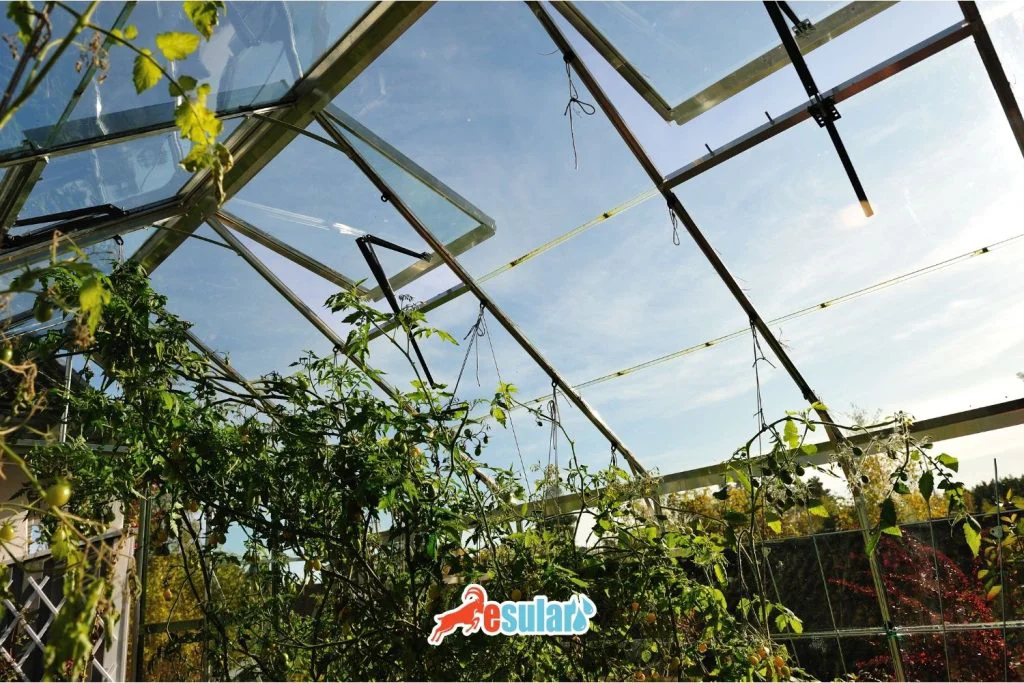
Natural ventilation: Hot air is released through windows opened on the roof and walls. The greenhouse is cooled by using wind and natural air flows.
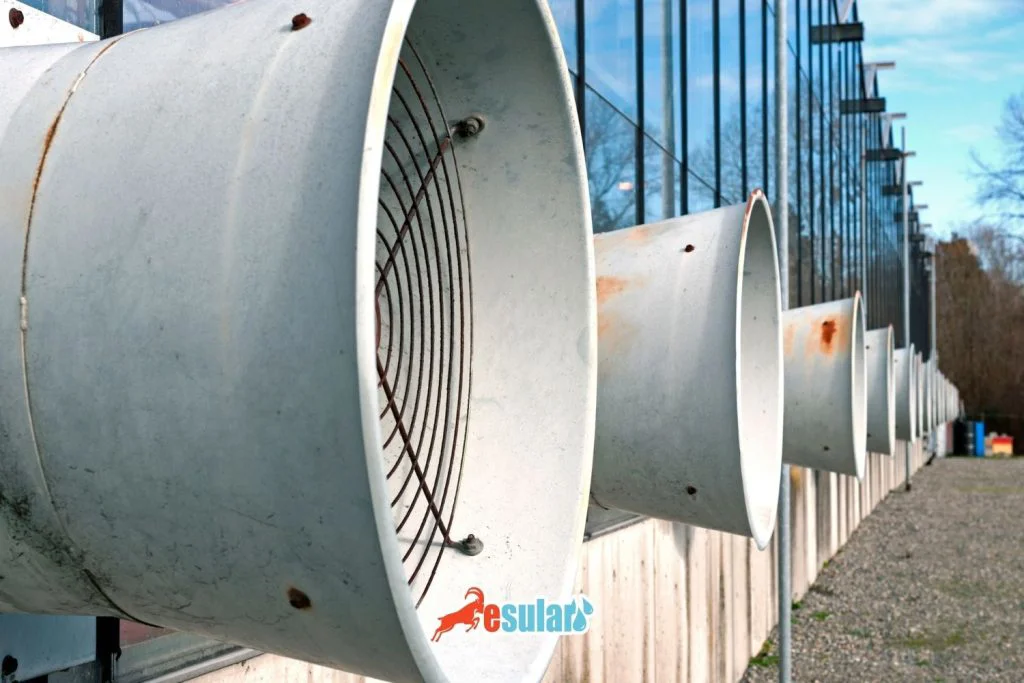
Mechanical ventilation: Hot air is expelled and cool air is drawn in with the help of fans and aspirators. It provides controlled and effective air circulation.
2. Evaporative Cooling Systems: Evaporative cooling systems are another cooling method widely used in greenhouses. These systems create cool air by evaporating water.
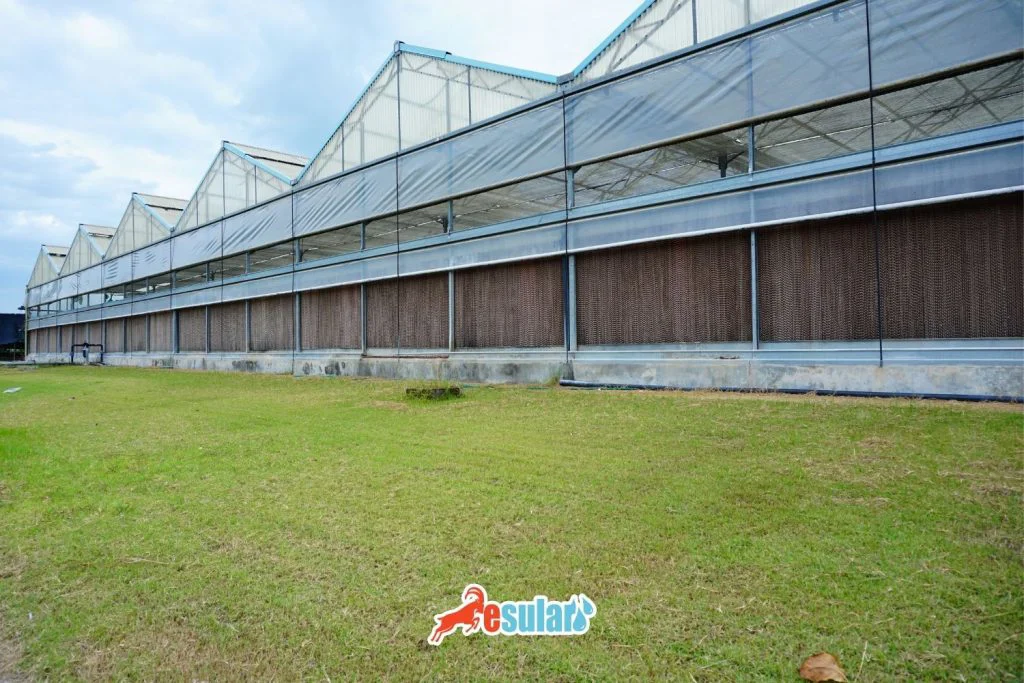
Pad and Fan Systems: Air passing through pads filled with water cools as a result of water evaporation. This cool air is distributed to the greenhouse with the help of fans.
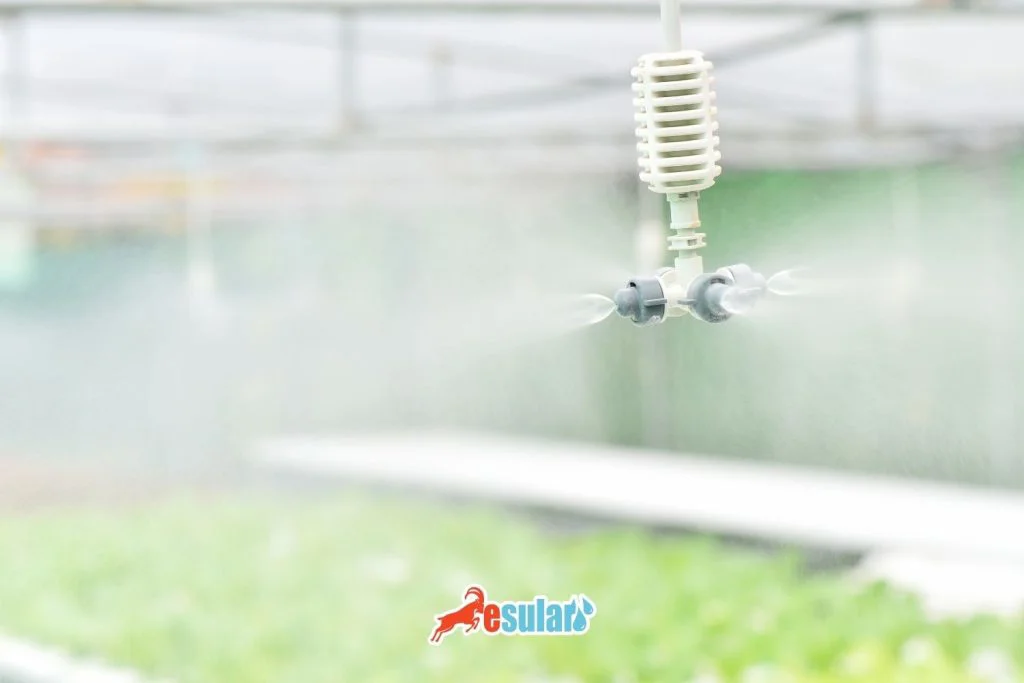
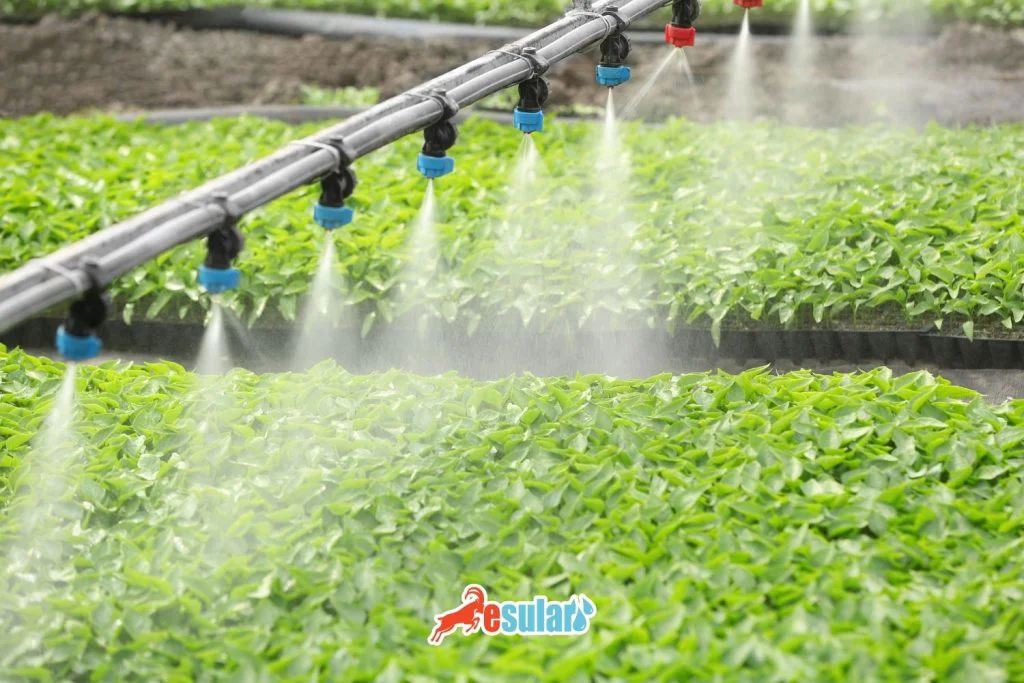
Misting Systems: Fine water droplets are sprayed into the greenhouse to cool the air. It offers a fast and effective cooling method.
3. Cooling Units
Cooling units are systems that provide more advanced and controlled cooling. These systems generally reduce the temperature inside the greenhouse with devices like air conditioners.
Air coolers: Air coolers absorb the hot air inside the greenhouse, cool it, and return it inside. It provides effective cooling in large greenhouses.
Air conditioning systems: Air conditioning devices provide targeted temperature values with precise temperature control in specific areas of the greenhouse. Energy consumption may be higher than other systems.
Seedling Cultivation Systems
Seedling cultivation systems are of great importance for obtaining healthy and productive plants. These systems constitute the first and most important stage of agricultural production by creating ideal conditions for seed germination and seedling growth. Optimal control of key components such as light, temperature, humidity, and nutrients supports the healthy development of seedlings. Natural and artificial light sources provide the energy needed for photosynthesis. Soil heating and ambient heating systems accelerate the germination process by maintaining appropriate temperature values. Humidification systems keep the water loss of plants under control. Seedling cultivation can be carried out using soil or hydroponic methods. While soil cultivation is carried out with traditional methods, hydroponic growth involves growing seedlings without soil using water-based nutrient solutions.
Innovative Solutions Provided by Esular in Greenhouses
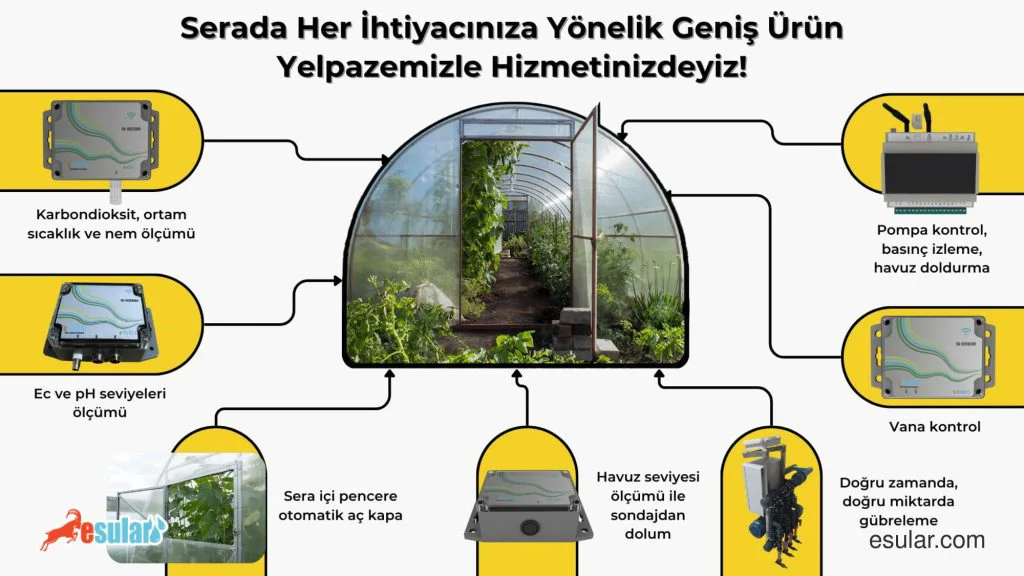
As Esular, we offer comprehensive solutions using the latest technologies to increase efficiency and sustainability in greenhouses. Our precision fertilization systems provide the nutrients plants need at the right time and in the right amount, increasing productivity and ensuring efficient use of resources. Our smart irrigation systems instantly monitor the water needs of plants and maximize water savings. By controlling the climate in the greenhouse by measuring CO2, humidity, and temperature, we ensure that plants grow in the best conditions. We constantly monitor the plant nutrient balance and keep it at an optimal level by measuring EC and pH. In addition, thanks to the automatic opening and closing of windows within the greenhouse, we automatically manage airflow and climate control.
Our pool level measurement and filling systems constantly monitor water resources and keep the water level at an optimal level. We facilitate access to water resources with our well-filling system. Thanks to our pump control and pressure monitoring solutions, we ensure the efficient and safe operation of water distribution systems. As Esular, we offer innovative and reliable solutions for high efficiency, low cost, and environmentally friendly applications in greenhouses. By contacting us, you can benefit from our latest technology solutions in your greenhouses.
Kategoriler

