Tüm Yazılar
What is an Irrigation Project? What Should Be Considered When Preparing an Irrigation Project?
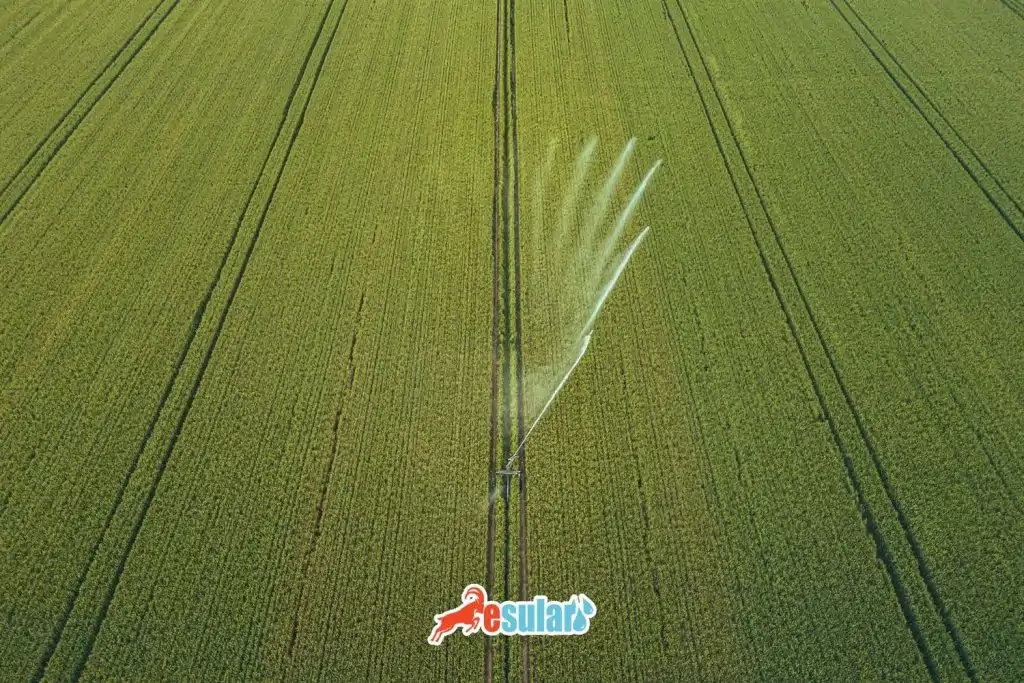
An irrigation project is a comprehensive planning designed to ensure the efficient and effective use of water in agricultural production. These projects are prepared to provide the water needed by agricultural lands in the most appropriate way, to meet the water requirements of plants, and to ensure the sustainable use of water resources. A correct irrigation project increases the efficiency of agricultural activities while minimizing water waste and reducing environmental impacts.
There are many important factors to consider when preparing an irrigation project. Elements such as knowing the boundaries of the land, parcel and road status in advance, determining correct planting information and intervals, accurately analyzing the type, location, and flow rate of water resources, performing soil and water analyses, correctly calculating the water consumption of plants, and evaluating the topographical structure of the land are of critical importance for the success of the project. Additionally, careful planning of the types of pipes to be used in irrigation systems and where they will be placed is vital for correct water management.
The successful preparation of irrigation projects ensures the quality and efficient use of water, which forms the basis of agriculture. Every detail to be considered in this process increases agricultural productivity while also securing the sustainability of water resources.
What is an Irrigation Project?
An irrigation project is a comprehensive planning and implementation process designed to ensure the effective and efficient use of water in agricultural activities. Irrigation projects aim to meet the water requirements of plants and increase agricultural production by delivering the needed water to agricultural lands using the most appropriate methods. These projects aim to minimize water waste while ensuring the sustainable use of water resources.
Irrigation projects can be applied using various methods according to the condition of the land and the type of product grown. There are different irrigation techniques such as sprinkler irrigation, drip irrigation, and surface irrigation. Each method is selected and planned according to the topographical characteristics of the land, climatic conditions, the flow rate of the water source, and the water needs of the plants.
Irrigation projects include many stages such as determining the boundaries of the land, analysis of water resources, selection of pipes to be used for transporting water, and analysis of soil and water. In addition to increasing efficiency in agricultural production, these projects minimize environmental impacts by ensuring the correct and effective use of water.
How is an Irrigation Project Prepared?
A correct irrigation project plays a critical role in the success of agricultural activities. An effective irrigation system increases productivity by meeting the water needs of plants at the right time and in the right amount. Here are the steps to follow and important points to consider when preparing a successful irrigation project:
1. Land Analysis and Mapping
Determining the Boundaries of the Land, Parcel, and Road Status: The first step of the irrigation project is to determine the boundaries of the land, the parcel, and the road status. This information is critical for preparing an accurate map and planning the irrigation system. It is necessary to collect this data with the help of map technicians or by using tools such as the parcel inquiry system of the Ministry of Agriculture and Forestry and Google Earth.
2. Preparation of Planting Information
Determining Planting Information, Intervals, and Directions: The row spacing and on-row distances of the plant to be sown, as well as the planting directions, should be determined. This information is necessary for the selection of the pipe type and irrigation system to be used. The water needs of the plants and planting planning are considered at this stage.
3. Analysis of Water Resources
Reporting the Type, Location, and Flow Rate of the Water Source: The success of the irrigation project depends on the accurate analysis of the water source. The type and flow rate of sources such as wells, canals, pools, and streams should be determined. These analyses help in correctly adjusting the quantity and diameter of the main pipe and determine the type of filters to be used. For example, it may be necessary to use different filters for water sources exposed to sunlight.
4. Soil and Water Analysis
Performing Soil and Water Analysis: Whether the nutrients necessary for the healthy growth of plants are present at sufficient levels in the soil is determined by soil analysis. Water analysis, on the other hand, shows whether the water is suitable for agricultural irrigation. These analyses ensure the selection of soil and water appropriate to the needs of the plants.
5. Plant Water Consumption
Calculating the Water Consumption of the Plant to be Grown: Plant water consumption is calculated using the plant coefficient (KC) determined by the FAO and the temperature data of the region. The water requirement of each plant is different, and these calculations ensure that the needs of the plants are correctly determined.
6. Determining the Land Slope Status
Identifying the Land Slope Status: The slope status of the land is important for the type of pipe and irrigation method to be used. Pressure-compensated pipes are preferred on sloping lands, while single-year or non-pressure-compensated pipes are preferred on flat lands. This information can be obtained through measurements made by map technicians or with programs such as AutoCAD and Netcad.
7. Selection of Pipe and Irrigation System
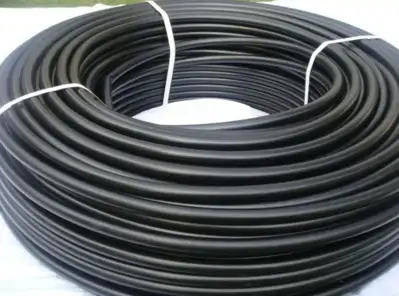
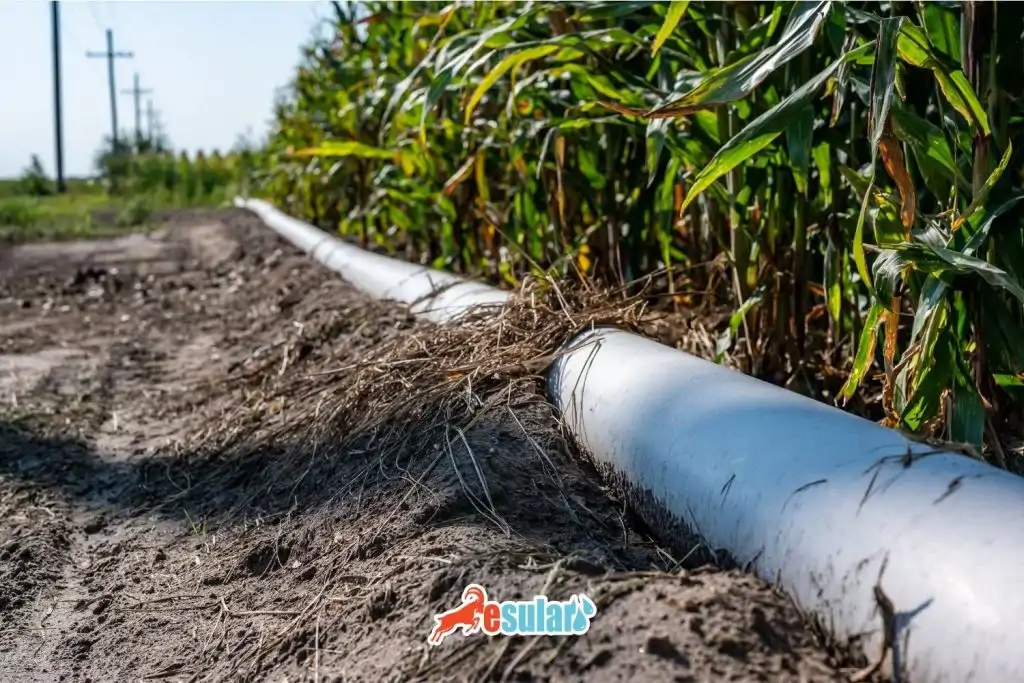
Preference for Infrastructure Pipe and Drip Irrigation Pipe: The appropriate pipe type is determined according to the topographical structure of the land and the type of plant to be grown. Among options such as Polyester, PVC, or Flexnet pipes, the most suitable one is selected. The most appropriate pipe is preferred by considering the water consumption of the plant, the flow rate of the water source, and the temperature values of the region.
8. Lateral Preference
Single/Double Lateral Preference: Single or double lateral is selected according to the product's need for water. The use of double laterals in garden agriculture contributes positively to the development of the plant. In plants that need less water, such as olives and almonds, a single row lateral can be used.
9. Daily Irrigation Duration
Planning Daily Irrigation Duration: Daily irrigation duration should be planned by considering the irrigation hours determined by irrigation unions or the DSI. Planning is made by taking into account irrigation restrictions and irrigation time slots in the region.
10. Project Drawing and Approval Process
Project Drawing and Obtaining Approval: After all data is collected, the irrigation system is projected and the necessary approvals are obtained. At this stage, it may be beneficial to receive support from expert consultants. It should be ensured that all details of the project are planned correctly.
11. Benefiting from Irrigation Supports
Grant and Support Applications: Necessary applications should be made to benefit from grants and supports provided by the state for irrigation projects. It is necessary to be registered in the Farmer Registration System and to meet the specified conditions. These supports play an important role in reducing the cost of projects.
How to Benefit from Irrigation Supports?
Real persons registered in the farmer registration system, agricultural companies, irrigation cooperatives, and agricultural development cooperatives can benefit from state supports to modernize irrigation systems in rural areas between 2021-2025. Supported investment topics are as follows:
- Installation of in-field drip irrigation systems
- Installation of in-field sprinkler irrigation systems
- Installation of in-field micro-sprinkler irrigation systems
- Installation of in-field sub-surface drip irrigation systems
- Installation of linear systems or Center Pivot irrigation systems
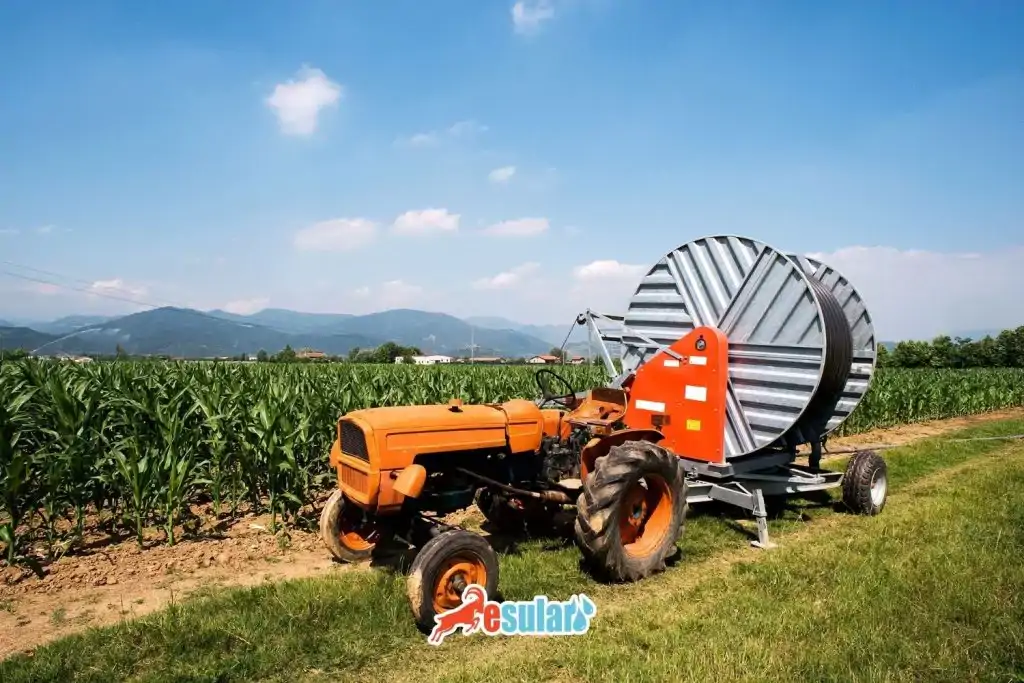
- Installation of drum irrigation systems
- Installation of solar-powered irrigation systems
- Solar energy systems for agricultural irrigation purposes
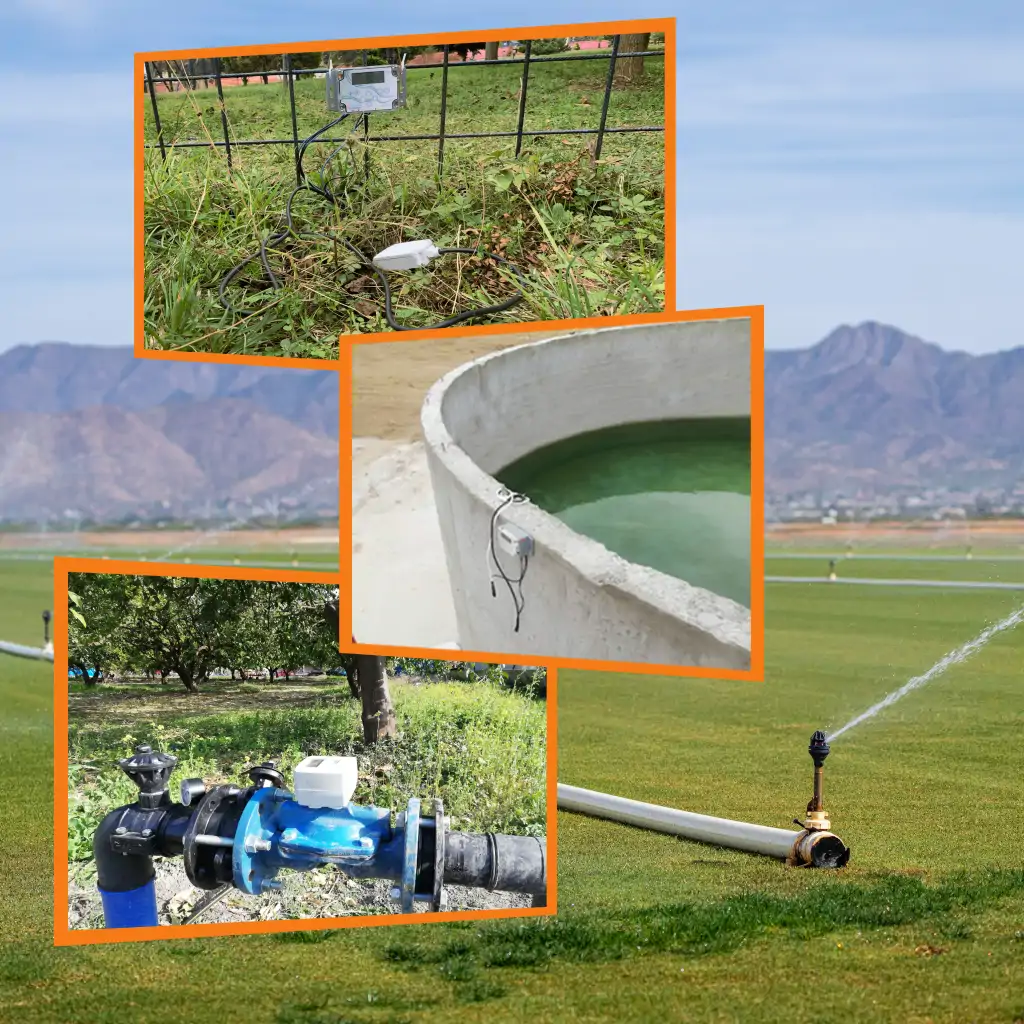
- Smart irrigation systems
Smart irrigation systems have become one of the indispensable elements of modern agriculture. These systems offer significant advantages to farmers by ensuring the efficient and effective use of water. While access to these systems is facilitated by grant supports, you can contact us to get more detailed information and learn how you can benefit from these supports. We would be pleased to provide detailed information about smart irrigation solutions and support programs suitable for you. 🌱💧🚜
What are the Conditions for Receiving Irrigation Support?
There are generally certain conditions and criteria to receive irrigation support. Farmers who want to receive irrigation support in Turkey generally need to pay attention to the following conditions:
Farmer Registration System (ÇKS) Registration
Project Suitability: The project or investment applied for for irrigation support must be suitable for one of the determined supported investment topics. For example, in-field drip irrigation system, sprinkler irrigation system, micro-sprinkler irrigation system, sub-surface drip irrigation system, linear system, or Center Pivot irrigation system.
Innovation of the Investment: Supported investments are generally expected to include a certain level of innovation and modernization. For example, there may be cases where old irrigation equipment or equipment belonging to before 2019 are not supported.
Grant Rate and Amount: Irrigation support is generally given at a certain grant rate. For example, support can be given up to a maximum certain amount with a 50% grant rate.
Cost Sharing: In some cases, a certain percentage of the total cost of the investment may need to be covered by the farmer or the cooperative. For example, for a water transmission line, it can be covered by the investor provided that it does not exceed 20% of the cost.
Process and Application Dates: There are certain processes and application dates to benefit from irrigation support. Applications should generally be made within a certain period, and application processes should be followed by obtaining information from the relevant agricultural or irrigation unions or relevant state institutions.
These conditions may vary by country and region, so it is important for farmers or cooperatives to contact the relevant local or national agricultural authorities to learn the current conditions. For more detailed information; you can follow the https://www.yatirimadestek.gov.tr/ page.
Kategoriler