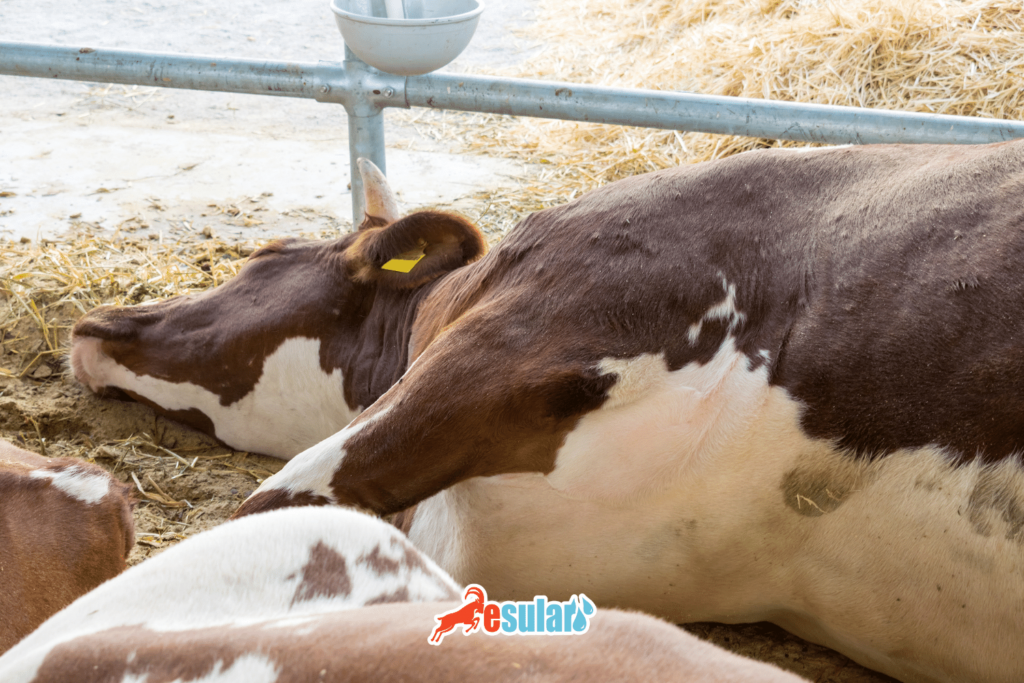
Timpani bloat disease is a health problem seen especially in ruminant animals, usually in cows, and characterized by gas accumulation in the rumen region. That is, it is defined as an abnormal gas accumulation in the rumen region in cows. This condition usually occurs as a result of the inability to expel gas normally. Cows have a stomach structure known especially as ruminant animals. This stomach consists of four sections and digestion processes take place within it. Timpani originates from the gas accumulation in the rumen region of this stomach structure. This disease usually occurs during the fermentation of swallowed feed or nutrients. In severe cases, the gas may need to be evacuated with a probe or trocar. Therefore, it is important to consult a veterinarian immediately when symptoms of the disease are seen or suspected.
What are the Symptoms of Timpani Bloat Disease?
The symptoms of this disease usually occur due to gas accumulation in the rumen region. It may not be prominent initially, but in advanced cases, the following symptoms may be seen:
Significant swelling in the animal's abdominal area,
Pains and signs of discomfort,
Weakening of the pulse,
Difficulty breathing,
Difficulty in eating and moving.
Bloat disease prevents the exit of swallowed gas in the animal and causes the rumen to expand abnormally. In this case, the general health status of the animal is seriously affected. Treatment should be carried out under the supervision of a veterinarian and usually includes the removal of gas, the application of necessary medications, and supporting the animal in a healthy way. When symptoms are seen or suspected, emergency veterinary intervention is important.
Why Do Cows' Stomachs Swell? What Causes Timpani?
Timpani usually occurs during the fermentation of swallowed feed or nutrients. Animals consuming spoiled, moldy, or frozen foods along with freshly cut feeds, excessive concentrated feed, insufficient roughage intake, excessive provision of very finely ground feeds, as well as the excessive provision of tuberous plants (potatoes, beets, apples, pears, quinces, cabbage roots, radishes) can also cause this condition.
Timpani, along with the expansion of the rumen, can cause the animal to have difficulty breathing and seriously affect its general health status. The treatment of this condition is carried out under the supervision of a veterinarian and usually includes interventions such as expelling the gas, applying necessary medications, and supporting the animal.
What is Good for Abdominal Swelling in Cows? What is the Treatment for Timpani Disease?
The veterinarian applies various treatment methods depending on the severity of the disease and the general condition of the animal. First, special tubes or trocars can be used to expel the gas accumulated in the rumen region. This can help the animal relax and improve its breathing. Additionally, medication treatment can be applied; these medications are aimed at reducing bloating by regulating the digestive system. Making the animal move also contributes to the natural expulsion of gas.
The veterinarian may recommend supportive treatments such as fluid therapies or electrolyte supplements to support the general health of the animal. Feeding control is also important during the disease process; certain types or amounts of feed can be adjusted to reduce gas accumulation. Since Timpani disease is a serious condition, it is of critical importance to consult a veterinarian immediately when symptoms are seen or suspected for correct diagnosis and effective treatment.