Greenhouse Plastic
Greenhouse plastic is a plastic material used as a cover for greenhouse structures. This plastic is generally produced from plastic materials such as polyethylene (PE) or polyvinyl chloride (PVC). There are also alternatives such as glass and fiberglass. However, its ease of transport, effective level of protection, and durability are features that make plastic stand out compared to its alternatives. Greenhouse plastic creates a suitable climate for growing plants by letting sunlight in and helps control the temperature and humidity levels inside the greenhouse. The thickness, light transmittance, durability, and insulation properties of this plastic are selected based on the climate conditions and plant species it will be used for. A good greenhouse plastic is designed to provide the optimum conditions necessary for plant growth, filter harmful UV rays, and prevent the spread of unwanted microorganisms inside the greenhouse.
Which Plastic is Used in the Greenhouse?
Greenhouse cultivation is an agricultural practice that aims to grow plants by creating and maintaining the environmental conditions they require. A greenhouse aims to make it possible to grow plants specific to certain seasons throughout the year. The use of ideal greenhouse plastic increases product quality. Greenhouse plastic, first used in early 1960s in wood-framed greenhouses, has recorded many developments over time. Most greenhouse plastic is produced through a three-layer co-extrusion process containing different polymers and additives. Each layer contributes to the film quality, increasing performance. The answer to the question of which plastic should be used in the greenhouse depends on more than one parameter. These parameters are:
Lifespan of Greenhouse Plastic:
The life and durability of greenhouse plastic are limited due to degradation caused by the effect of sunlight and heat. Copolymer polyethylene is a material known for its affordable cost and suitability for one-season use. Structures used in winter can be preferred for seasonal greenhouses and high tunnels. However, construction materials with lower strength should be avoided.
Greenhouse-grade plastic generally offers a durability guarantee of four years or more and has a higher cost compared to other plastic covers. There is approximately a two-fold difference. However, it contains ultraviolet stabilizers, which help reduce degradation. Especially if extra durability is required in high-wind areas, materials reinforced with woven plastic or nylon fabric can be considered. Along with all these, the life of greenhouse plastic varies. Greenhouse plastic lifespan is generally categorized according to the duration of use:
- 6-month greenhouse plastic
- 1-year greenhouse plastic
- 4-year greenhouse plastic
- 8-year greenhouse plastic
- 10-year greenhouse plastic
However, all these durations can change and may differ depending on usage conditions, climate conditions, and the quality of the material.
Light transmittance:
Light transmittance varies depending on the type of film additives. Ultraviolet stabilized films generally have between 88-91 percent; Infrared / anti-condensation films between 82-87 percent; and diffused infrared / anti-condensate films have between 77-88 percent Photosynthetically Active Radiation (PAR) light transmittance. Dust, smoke, and plastic degradation can reduce light transmission. Generally, it is accepted that a 1 percent increase in light equals a 1 percent increase in plant growth, especially in winter months or cloudy weather. Some growers change their plastics every year to increase plant growth in winter months or cloudy weather. Films with anti-static properties can provide a cleaner environment by preventing dust, dirt, and pollution.
Anti-condensation:
The substance, also known as anti-condensation or anti-drip, is an additive that reduces surface tension, allowing condensation to flow instead of forming droplets. This feature is usually added during plastic film production or included in the center layer and can be effective for several years. Condensation droplets can reduce light transmission and cause disease problems when they drip onto plants. Inside the greenhouse, an anti-fog additive can be used to prevent fog formation in the early morning and afternoon.

Can greenhouse plastic be made from normal plastic?
Greenhouse plastic generally has different properties than normal plastic materials and is produced according to specific requirements. This plastic is a special material specifically designed for use in plant growing environments. Therefore, there can be significant differences between ordinary plastic and greenhouse plastic. Among the features expected from this plastic are: Anti-UV properties, condensation control, light transmittance, heat retention, durability. When choosing greenhouse-grade plastic, special greenhouse plastics suitable for the needs of the plants and the environment in which they are grown should be preferred. Ordinary plastic material is generally not suitable for these special requirements and should not be used for plant growing purposes.
How Many Microns Should the Best Greenhouse Plastic Be?
Ideal plastic selection increases product quality and structural properties are generally linked to thickness. Thickness is usually measured in microns. The question of how many microns greenhouse plastic should be varies depending on various factors.
- Greenhouse cover between 100 – 150 microns is generally suitable for use for 1 year.
- Thicknesses between 200 – 400 microns are suitable for use for 2 years and longer.
- Thicknesses below 100 microns, especially those that are 70-75 microns, are generally preferred for short-term use of about 6-7 months. Thin plastics are particularly suitable for use in narrow tunnels and winter greenhouses.
Flexibility and permeability vary depending on the production material. Plastics can generally be found in different lengths such as 10, 20, 30, 40, and 50 meters depending on the size of the tent.
How many m2 is 1 kg of greenhouse plastic?
Depending on the weight of the greenhouse plastic and the properties of the material used, the area that can be covered with one kilogram of greenhouse plastic may vary. While there is no definitive standard on this subject, units indicating the coverable area specified on the product labels or technical specification information of the manufacturers are generally used. However, if we were to make a direct conversion, it is difficult to determine how many square meters one kilogram corresponds to because greenhouse plastics can be of different thicknesses and densities. Therefore, it is best to check the technical information provided for a specific product. If you have the technical specifications for a specific greenhouse plastic product, you can find the coverable area information on the label or documents of that product.
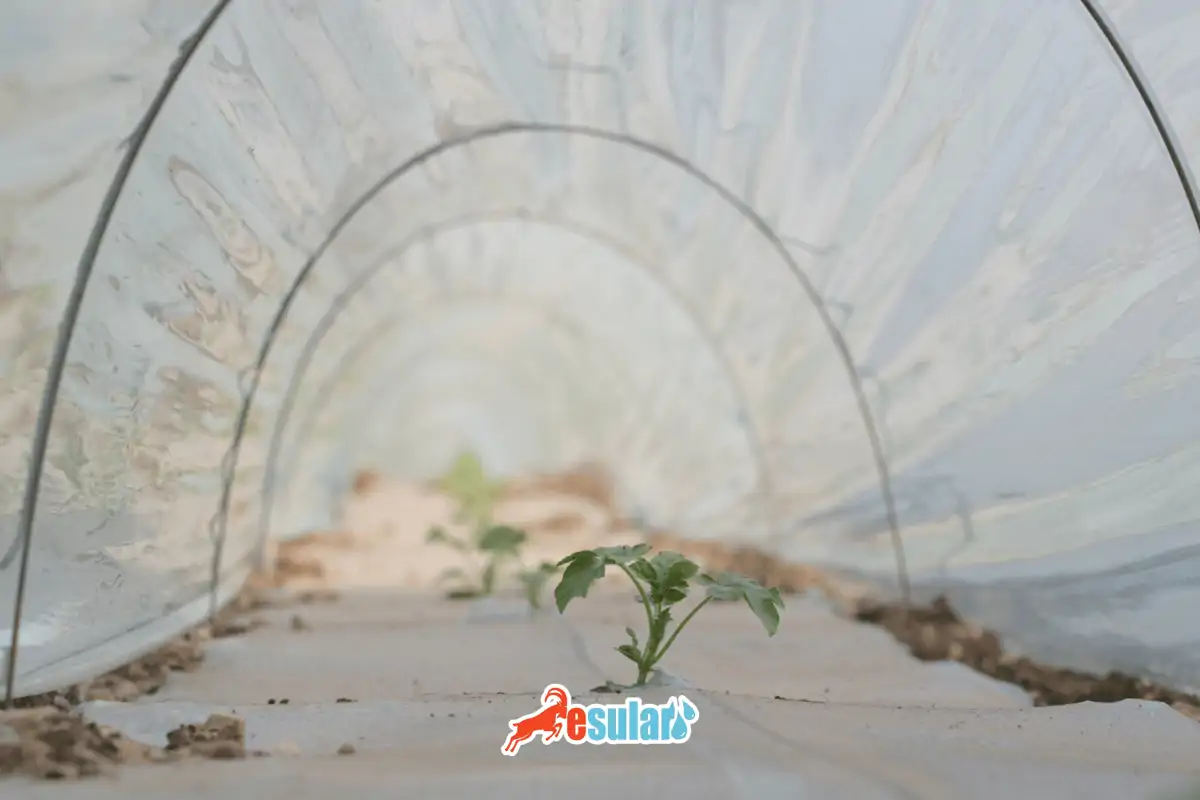
What Should Be Considered When Choosing and Using Greenhouse Plastic?
The following important points should be considered when choosing and using greenhouse plastic:
Sun Resistance Period: The sun resistance period of the greenhouse plastic should be considered beforehand.
Average Lifespan: The usage lifespan of the plastic should be suitable for the planned duration.
Plant Type Compatibility: The selected plastic should be compatible with the plant species being grown.
Plastic Dimensions: Appropriate plastic should be selected by taking greenhouse dimensions into account.
Thickness Ratio: The thickness ratio of the plastic should be evaluated and the most suitable option for the area of use should be preferred.
Anti-Condensation Properties: It should be preferred that the plastic has anti-condensation properties.
Expansion Control: Expansion should be prevented by pulling the plastic during the morning or evening cool.
Special Additives: Features such as special additives of the plastic should be evaluated depending on the purpose of use and the region.
Skeleton Maintenance: The metal skeleton should be coated with anti-rust material and painted.
Tension and Flexibility: Greenhouse plastic should not be stretched, it should be used by leaving it slightly flexible.
Suitable Usage Areas: The plastic is suitable for use in places such as seasonal greenhouses, long tunnels.
How many years does greenhouse plastic last? How long is the lifespan of greenhouse plastic?
The lifespan of greenhouse plastic varies depending on a number of factors. These factors include the quality of the material used, its thickness, the duration of exposure to sunlight, climate conditions, level of maintenance, and other environmental factors the plastic is exposed to. Generally, high-quality greenhouse plastic can last between 4 to 10 years when used under appropriate conditions and with regular maintenance. However, lower quality or thinner plastics may have a shorter lifespan. It is important to refer to the technical specifications and warranties provided by the manufacturer to reach definitive information about the lifespan of a specific greenhouse plastic product. Each manufacturer may have different features and warranties, so it is best to access information regarding a specific product.
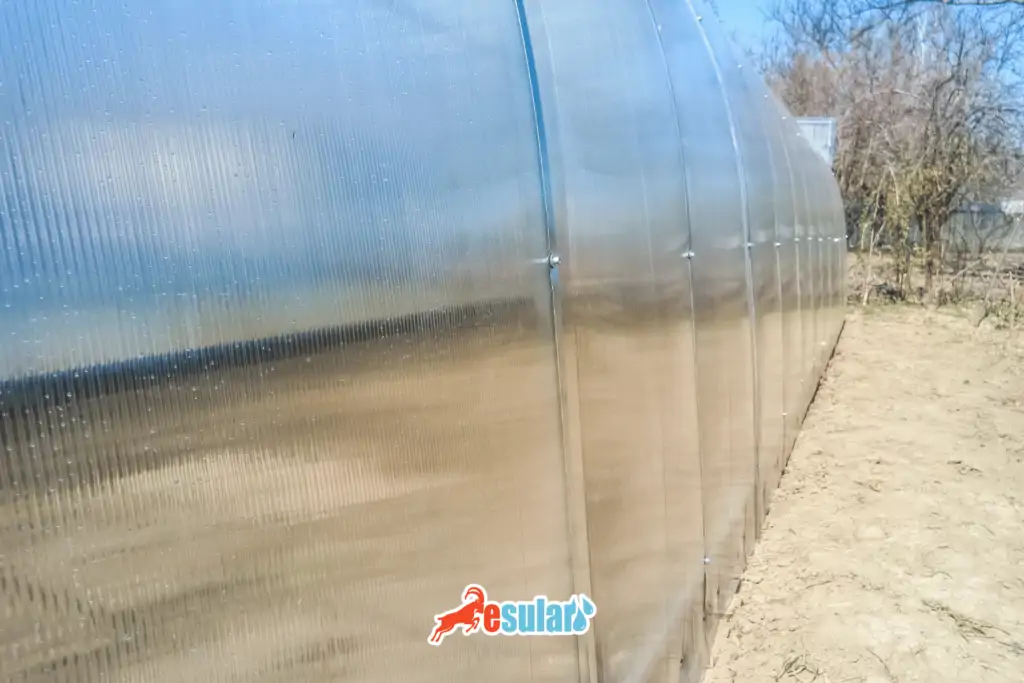
How to Install Greenhouse Plastic?
Important considerations to keep in mind when installing greenhouse plastic are:
Plastic should be installed in favorable weather conditions; it is not recommended to install it in excessively windy or cold weather conditions. First, the cut (open) side of the plastic roll should be determined and work should be started from this side. The area where the plastic will be unfolded next to the greenhouse should be cleared of materials such as stones, sharp weeds, wire, iron, assembly materials, because such elements can cause damage to the plastic. After the plastic is unfolded next to the greenhouse, it should be kept for a while (for example, 10 minutes) and the plastic should be allowed to breathe.
What should be considered when installing greenhouse plastic?
- Plastic should be installed in the early morning hours and when the weather is cool.
- It is recommended to pull a protective cover over the plastic.
- Plastic should not be excessively stretched.
- Plastic should not be damaged with cutting and piercing tools.
- Antirust should be applied to the metal/wood of the greenhouse first, and then it should be painted with white paint.
- Painted greenhouse surfaces should be smooth.
- Direct contact of the plastic with the iron should be avoided.
- Care should be taken that the greenhouse plastic is anti-condensation.
- An anti-fog additive can be used to prevent fog formation in the early morning or afternoon in the greenhouse.
Benefits of Greenhouse Plastic
The advantages provided by greenhouse plastic are:
- Greenhouse plastic types have the feature of not dripping humidity and water inside the greenhouse.
- It protects plants by blocking harmful solar rays.
- It maintains heat at night and reduces cooling, thereby increasing energy efficiency and providing energy savings.
- It ensures high-quality products are obtained by increasing the yield of the produced plants and fruits.
- It prevents plant wilting caused by the extreme heat effects of the sun.
- It supports the homogeneous lighting of plants by ensuring the regular diffusion of light.