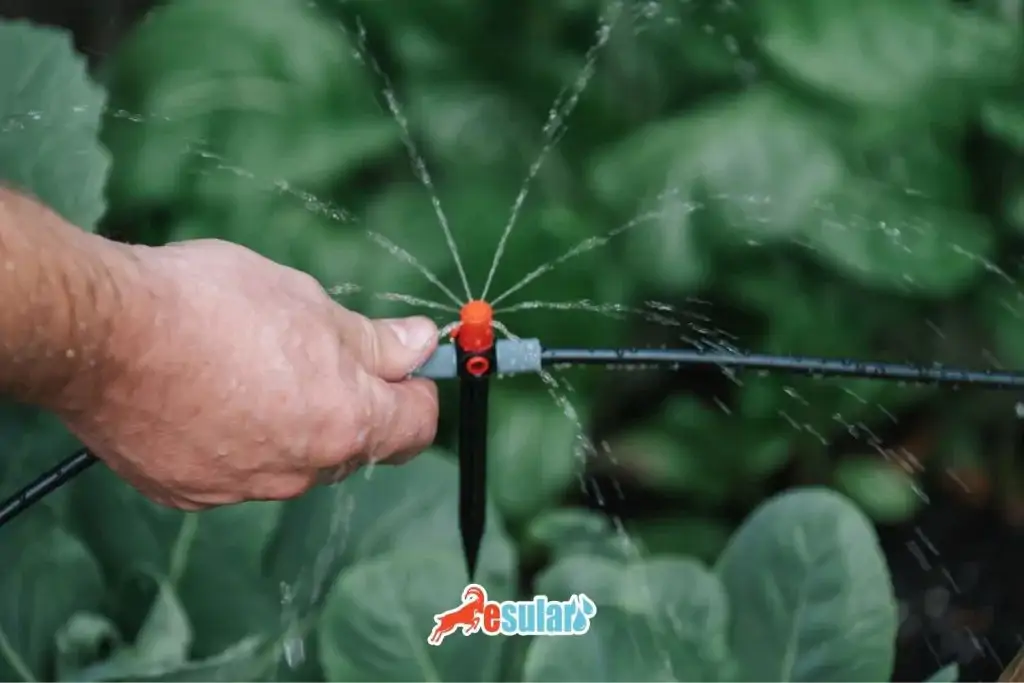
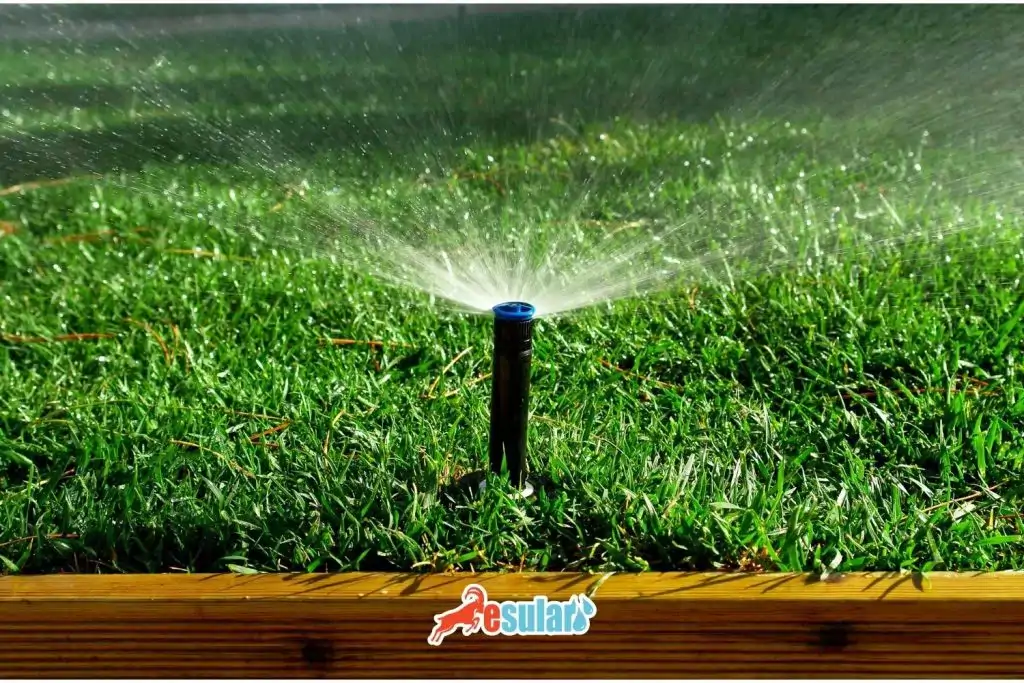
Micro-sprinkler irrigation is one of the agricultural irrigation methods and aims to manage the water needed by plants precisely. In this system, specially designed sprinkler heads and pipes are used to distribute water to the plant root zone in a low flow and regular manner. The micro-sprinkler irrigation system provides water savings similar to the drip irrigation method but is suitable for effectively irrigating larger areas. This system, frequently used in under-tree irrigation, is especially preferred in fruit orchards and various agricultural areas. Providing irrigation water at the right time and amount promotes plant growth while minimizing water loss. Micro-sprinkler irrigation is an important tool for increasing the efficiency of modern agricultural practices and using water resources effectively.
Where is Micro-Sprinkler Irrigation System Used?
This system is widely used in various agricultural applications. It is especially preferred for irrigating trees with wide canopy projections such as fruit trees, vineyards, citrus orchards, hazelnuts, olives, and walnuts. Additionally, micro-sprinkler systems are effectively used in landscape irrigation, greenhouses and nurseries, vegetable and flower cultivation. Thanks to the system's flexible structure and homogeneous distribution of water, it can also be successfully applied on sloping terrains and different soil types. In gardens and landscape areas, the micro-sprinkler irrigation system is also widely preferred because it provides the water needed by plants economically and efficiently.
Under-Tree Micro-Sprinkler System
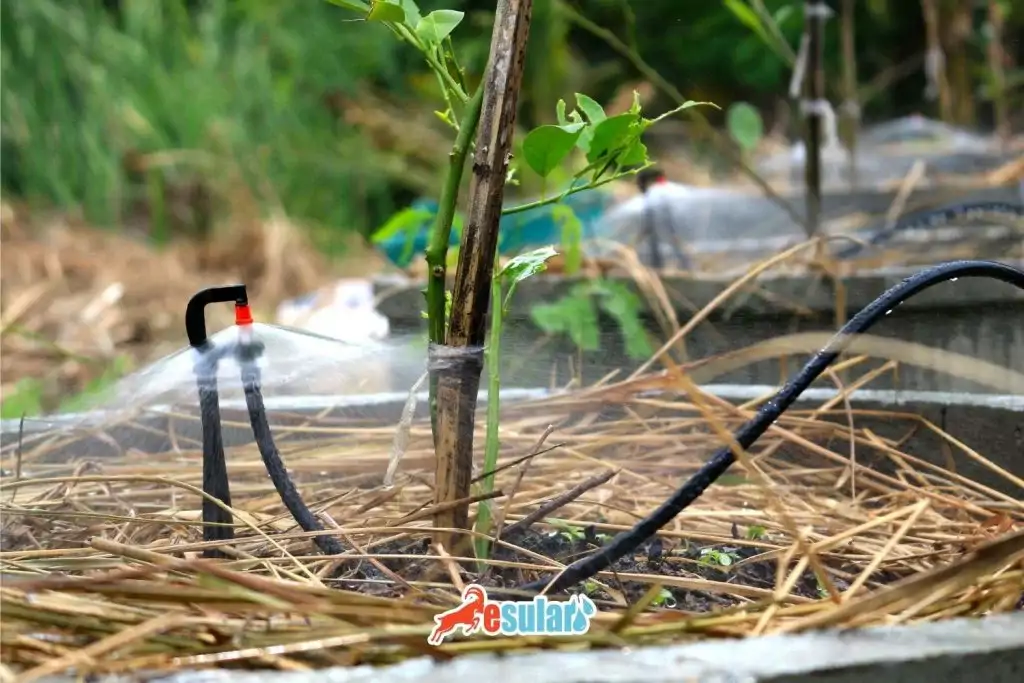
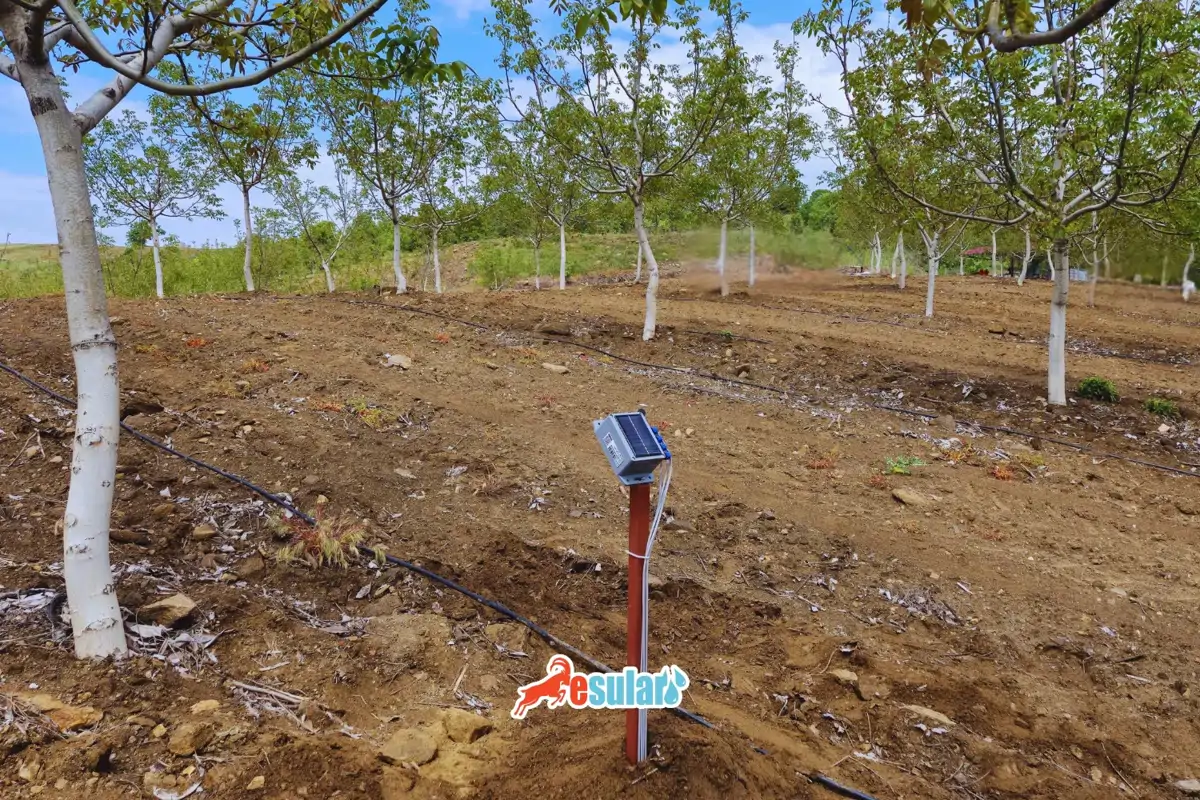
The under-tree micro-sprinkler system is an irrigation method used especially for irrigating plants with wide canopy projections, such as fruit trees, applying water directly and in a controlled manner to the plant root zone. In this system, water is applied to the plant root zone with low flow and pressure using lateral lines consisting of polyethylene (PE) pipes and small sprinkler heads (mini sprinklers) placed under each tree. This system, which has a lower initial installation cost compared to drip irrigation systems, minimizes water loss by delivering water directly to the root zone and ensures that plants develop healthier roots. Since it creates a continuously moist root zone, it optimizes plant development and supports yield increase. Furthermore, it provides energy savings thanks to low pressure requirements and reduces labor costs with its easy installation. This system contributes to environmental sustainability by ensuring the effective use of water resources and is widely preferred in modern agricultural practices.
What are the Advantages of the Micro-Sprinkler System?
The micro-sprinkler irrigation system has many advantages in terms of using water efficiently and in a controlled manner in modern agricultural practices. Here are the detailed advantages of this system:
Low Water Consumption: Micro-sprinkler systems minimize water evaporation and runoff losses by delivering water to the root zones of plants in small droplets. In this way, water savings of up to 40% can be achieved compared to traditional irrigation methods.
Equal Water Distribution: Water is distributed equally to the root zones of plants, ensuring that plants receive exactly the water they need. This optimizes plant development and ensures high yields.
Low Pressure Requirement: Micro-sprinkler systems operate under low pressure (usually 1.5-2.5 atmospheres), which saves energy.
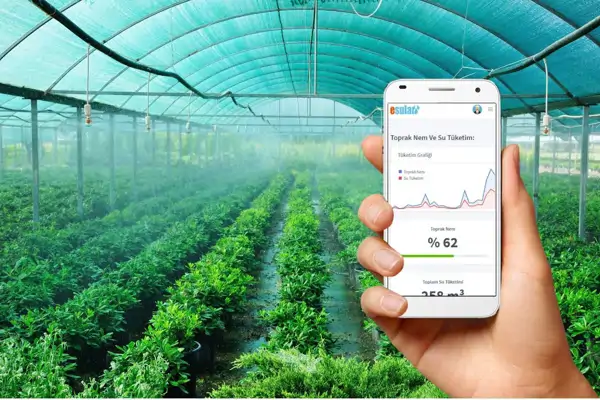
Integration with Automation: Systems can be integrated with automatic irrigation systems. Thanks to this integration, irrigation processes can be carried out automatically, which reduces labor costs and minimizes human error.
Trees with Wide Canopy Projections: It is ideal especially for trees with wide canopy projections. Thanks to the mini sprinkler heads placed under each tree, the area under the trees can be irrigated effectively.
Can be used on sloping and high terrains.
Erosion Control: Since water is delivered at low flow and pressure, the risk of soil erosion is minimized.
Anti-Clogging Features: System components are specially designed to prevent clogging. Filters and cleaning mechanisms ensure the system operates efficiently.
Disadvantages of the Micro-Sprinkler Irrigation System
Micro-irrigation systems also have some disadvantages and points to be considered. Some negative aspects of these systems, especially compared to the drip irrigation system, are as follows:
Micro-irrigation, as it spreads water over a wider area, can encourage the growth of weeds. This may require additional weed control in agricultural production.
It requires higher pressure compared to the drip irrigation system. This can increase the operating costs of the irrigation system and require the water pumping equipment to be more powerful.
Micro-irrigation systems need larger diameter lateral pipes to distribute water to wider areas. This can increase the installation costs of the system and the complexity of the pipelines.
Water can be subject to losses due to evaporation and wind. Especially in open areas, water distribution can become irregular due to the effect of wind, and irrigation efficiency can decrease.
These disadvantages are important factors to consider before using micro-irrigation systems. Considering these elements during system design, installation, and operation is important to maximize irrigation efficiency and minimize negative effects.
How Many Tons of Water Does a Mini Sprinkler Emit Per Hour?
Mini sprinkler irrigation systems are designed with various water flow rates, with head flow rates typically ranging between 20 and 120 liters/hour. These systems can be adjusted according to the irrigation needs of various plant species and provide effective irrigation in different terrain conditions. Low-flow heads (20-40 lt/hour) are ideal especially for small and delicate plants because they ensure a slow and balanced distribution of water, thus minimizing soil erosion and water loss. Medium-flow heads (40-80 lt/hour) are suitable for medium-sized plants such as fruit trees and increase irrigation efficiency while delivering sufficient water to the root zone of the plants. High-flow heads (80-120 lt/hour) are used to irrigate large areas quickly and are ideal for large trees or wide-scale agricultural areas. This flow variety demonstrates the flexibility of micro-irrigation systems and their suitability for various agricultural applications, thereby ensuring the efficient use of water resources. Correct selection of each head flow rate optimizes the performance of the irrigation system and contributes to the healthy growth of plants.