Tüm Yazılar
What is Soilless Farming? How is it Done?
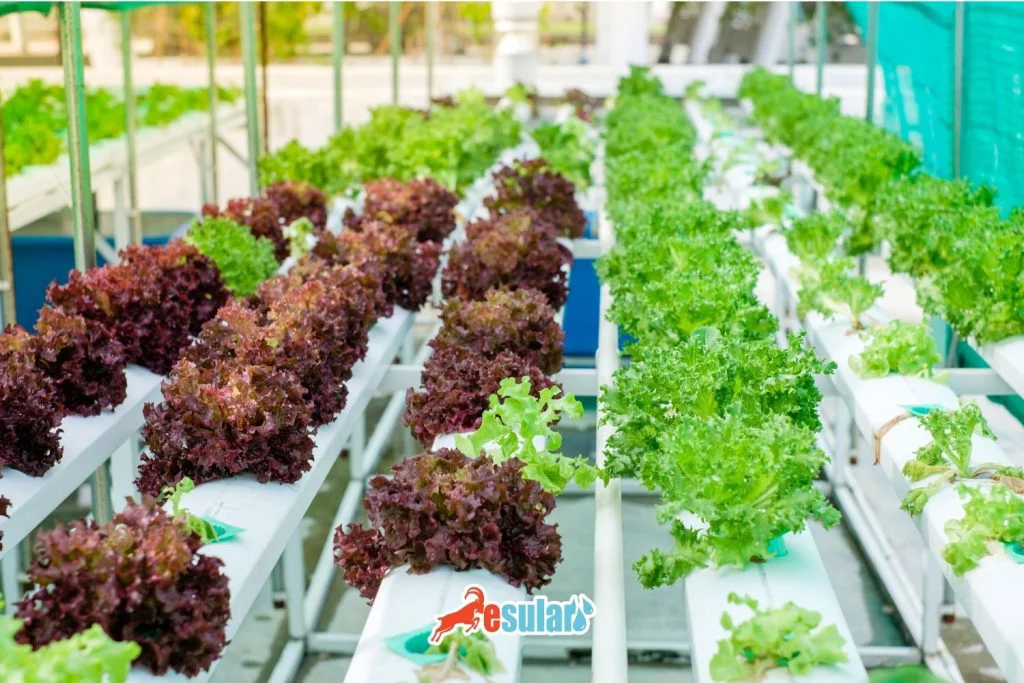
Soilless farming is a modern agricultural method where plants are grown using environments supported by nutrient solutions instead of soil. This innovative technique allows plants to directly receive the water, nutrients, and minerals they need, thus achieving faster and more efficient growth. Soilless farming offers the opportunity to farm especially in limited agricultural lands, urban areas, and climatically unsuitable regions. This system, which can be applied with various methods such as hydroponics, aeroponics, and aquaponics, is revolutionary in agriculture and provides significant advantages in terms of sustainability, productivity, and increasing product quality. Standing out with its superiorities such as water saving, less pesticide use, and continuous year-round production compared to traditional farming methods, soilless farming is solidifying its place among the agricultural methods of the future.
How to Do Soilless Farming?
Soilless farming is an agricultural method where the nutrients necessary for plant growth are provided through water or other media instead of soil. This modern farming technique allows plants to grow faster and achieve higher yields. Here are the main methods of soilless farming:
Hydroponic Systems
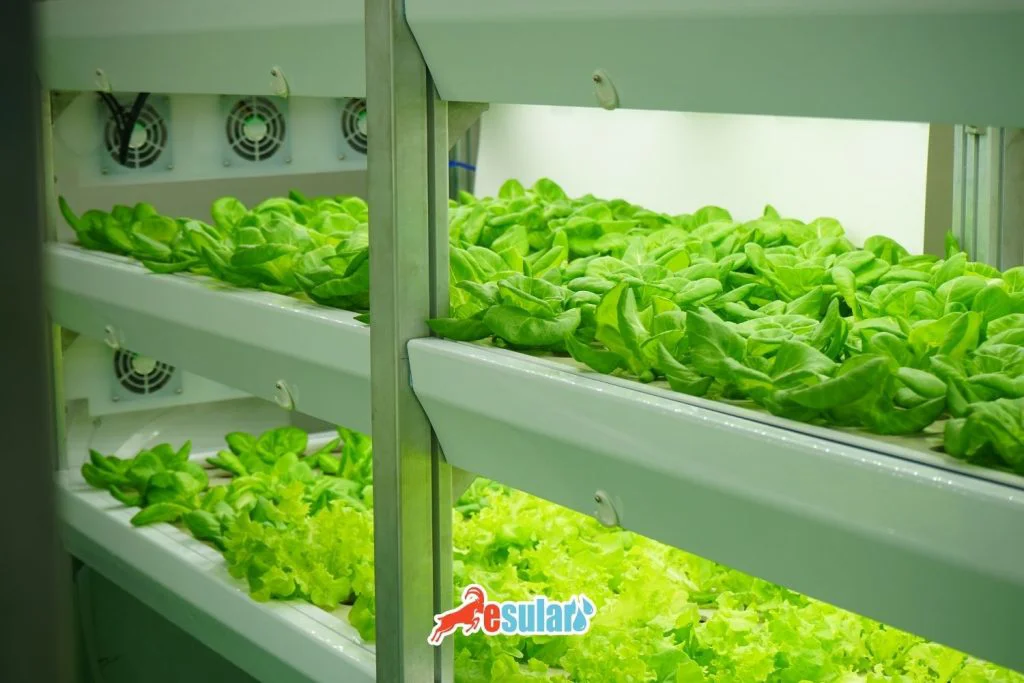
A hydroponic system is a modern agricultural method where plants are grown in a nutrient-rich water solution without using soil. In this system, plants receive the nutrients and water they need through direct contact of their roots with the water. To implement hydroponic farming, first, a water tank and PVC pipes or channels are set up to support the plant roots. A water pump is placed to ensure water circulation through these pipes, and an air pump is placed to meet the plants' oxygen needs. A solution containing the nutrients necessary for plant growth is added to the water tank. Seedlings are placed so that their roots come into contact with the water, and the roots grow by taking nutrients from this water solution. For the success of the hydroponic system, it is important to regularly check the water level, the nutrient solution, and the water pH level. This method is especially preferred in greenhouses, urban farming projects, and commercial farms. For the solutions we offer in hydroponic systems, you can review our article at https://esular.com/topraksiz-tarim-ve-hidroponik-sistemlerde-akilli-kontrol and contact us.
Aeroponic systems
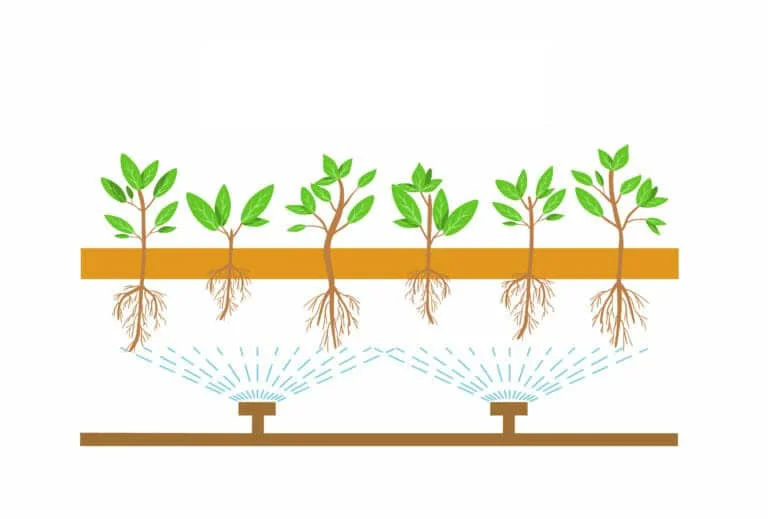
An aeroponic system is an innovative agricultural method where plant roots are suspended in the air without soil or any other growth medium, and nutrients are sprayed onto the roots in the form of mist or a fine spray. In this system, plant roots are held in specially designed containers or supports and are fed with a fine mist containing a nutrient solution at certain intervals. To set up an aeroponic system, a structure to suspend the plant roots in the air, a misting unit, and a water tank to hold the nutrient solution are required. The misting unit delivers the nutrient solution from the water tank to the roots by spraying it as a fine mist. Thanks to their roots remaining in the air, plants constantly receive oxygen, which promotes rapid growth. For the system to work properly, it is important to regularly check the humidity level, the nutrient solution, and the water pH level. The aeroponic system is widely preferred in areas such as greenhouses, research laboratories, and urban farming projects due to its high yield and water saving.
Aquaponic systems
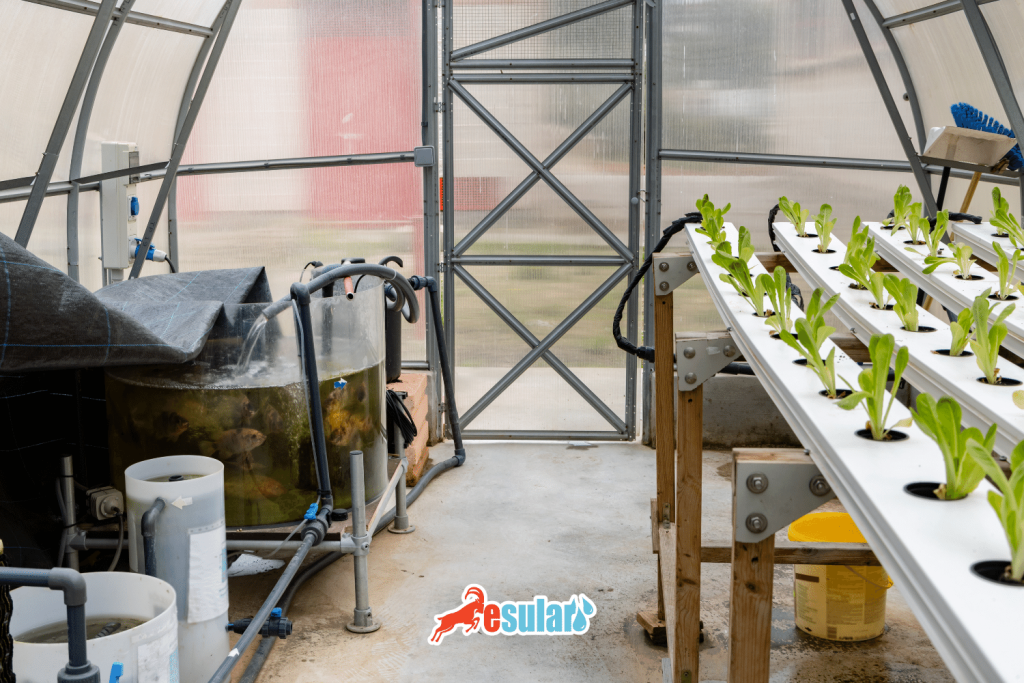
It is a sustainable agricultural method that integrates plant cultivation and fish farming. In this system, water from the tanks where the fish live is pumped to the beds where the plants grow. Fish waste mixes with the water, providing the necessary nutrients for the plants. While the plants take these nutrients through their roots, they also filter and clean the water and send it back to the fish tank. To set up an aquaponic system, a fish tank, plant beds, a water pump, and a piping system that ensures water circulation are required. The fish species raised in the fish tank are usually freshwater fish, and nutrient supplements are made regularly to keep the water's nitrate level under control. Plants are kept in the water or suspended with special supports, and their roots have direct access to the water. This method provides high yields in both fish and plant production and significantly reduces water consumption. The aquaponic system is an ideal option for regions where water resources are limited, for urban farming projects, and for those who want to do organic farming. This system, which protects the ecological balance and uses natural resources efficiently, holds an important place among the agricultural technologies of the future.
Which Products Are Grown with Soilless Farming?
A list of some products that can be grown with soilless farming:
- Pepper
- Cucumber
- Tomato
- Zucchini
- watermelon
- melon
- Peas
- Spinach
- Lettuce
- Basil
- Strawberry
What Are the Advantages and Disadvantages of Soilless Farming?
The advantages and disadvantages of soilless farming are as follows:
Advantages:
Soilless farming prevents water and soil loss compared to traditional farming, thus reducing the risk of soil erosion.
Soilless farming allows you to obtain the same amount of product using less space, which helps protect natural habitats.
Plants grown in controlled environments usually grow faster and provide higher yields. Since nutrients are given directly to the plants, nutrient uptake is more effective.
The use of water and nutrients is optimized in hydroponic systems, ensuring more efficient use of resources.
In soilless farming, the use of chemical fertilizers and pesticides used in traditional farming decreases or is not required at all, allowing you to obtain organic products.
Disadvantages:
Initial setup costs are high. Especially in large-scale commercial applications, significant investment may be required for the installation and maintenance of the systems.
The installation and operation of soilless farming systems require technical knowledge and experience. Therefore, the learning curve can be steep for beginners.
Energy is needed to operate the systems. Especially in greenhouses and closed systems, energy-intensive processes such as heating, lighting, and air circulation may be required.
Soilless farming systems can be sensitive to environmental parameters (e.g., temperature, humidity, pH level). If these parameters are not controlled or are unbalanced, plant growth and productivity can be negatively affected.
Compared to the prevalence of traditional soil-based farming, the marketing and consumer acceptance of soilless farming products may take time.
How Much is the Cost of Soilless Farming?
The cost of soilless farming varies depending on factors such as the technology used, the scale of the system, infrastructure requirements, and operating costs. For example, the installation and operation of different systems such as hydroponics, aeroponics, or aquaponics may require different costs. While the installation of large-scale commercial facilities usually comes with higher costs, costs may be lower in home or small-scale applications. Additionally, infrastructure elements such as water reservoirs, pumps, nutrient distribution systems, lighting, and ventilation are also important factors affecting the cost. However, as a general reference, the starting cost of soilless farming is usually around 65 dollars per square meter. This cost may vary depending on the technology used, the infrastructure, and the scale of the facility. While costs may be higher in large-scale commercial facilities, they may be lower in small-scale or home applications. You can contact us to get information about the solutions we offer in the field of soilless farming.
Can Soilless Farming Be Done at Home?
The equipment necessary for doing soilless farming at home is organized to allow plants to grow and be fed in water-based environments. Here is the basic equipment for soilless farming at home and the places where this equipment can be obtained:
Plant Growing Containers: Special containers that provide a suitable growth area for the root systems of plants are used. These containers are usually made of plastic or special materials and support the free growth of the root system.
Nutrient Solution and pH Control Kit: Nutrient solutions used in hydroponic or aeroponic systems contain the nutrients that plants need. Additionally, a pH meter and pH adjusting solutions are also necessary to check and adjust the pH level.
Water Pump and Air Pump: The water pump is used to distribute the nutrient solution from the containers to the plants. The air pump ensures the oxygenation of the roots and keeps the oxygen level in the water high.
Biofiltration System: Biofilters used in aquaponic systems are used to transform the waste produced by fish into a nutritional form for plants.
Light Source: It is important to provide light in the correct spectrum and duration for plants to photosynthesize. Special LED grow lights for plants perform this function.
Many of these pieces of equipment can be obtained from online stores selling hydroponic farming products or local garden markets. Additionally, stores specifically focused on hydroponic farming equipment or agricultural technology suppliers can also provide these products. Before starting soilless farming at home, it is important to choose the appropriate equipment by determining which plants you will grow and which method you will use.
Click Here for Soilless Farming Greenhouse Irrigation Climate Control Solutions.