With the arrival of the autumn months, preparations for winter begin in agricultural areas. One of the most important steps of this preparation period is the correct fertilization process. So, what is winter fertilizer and how does it increase the resistance of plants to winter conditions?
What is Winter Fertilizer?
Winter fertilizer refers to the types of fertilizers used in the autumn and winter months to meet the nutritional needs of plants, support root development, and ensure stronger growth in the spring. While these fertilizers increase the resistance of plants to winter conditions, they help them show rapid development in the spring months.
What Does Winter Fertilizer Do?
Winter fertilizers are used especially to increase root development and soil fertility. They are applied so that plants do not experience nutrient deficiency in winter and are more resistant to cold weather conditions. The main benefits of winter fertilization:
- Strengthens the root system of plants
- Supports rapid growth in the spring
- Enriches the nutrient content of the soil
- Increases resistance to disease and frost
- Ensures healthier products by increasing productivity in fruits and vegetables
Which Fertilizer is Applied in Winter?
In winter months, phosphorous and potassium fertilizers are generally preferred. This is because these elements increase the plant's root development and resistance to cold. The use of nitrogenous fertilizers in winter months should be kept limited because nitrogen cannot stay in the soil for a long time due to precipitation and is lost by leaching.
Winter Fertilizers That Can Be Used:
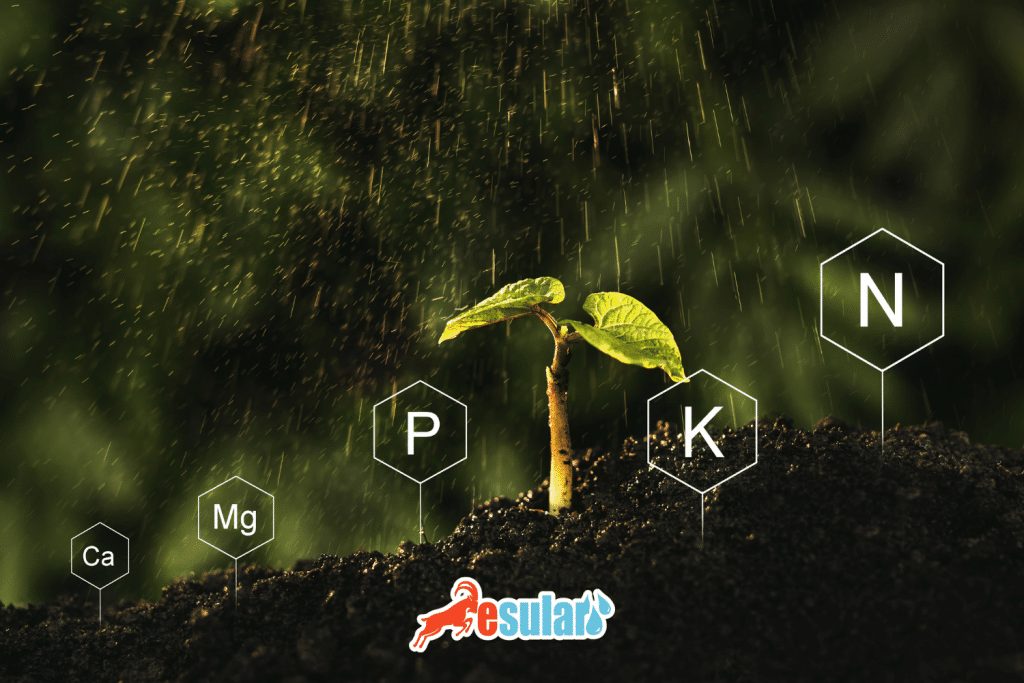
Phosphorous Fertilizers: DAP (Diammonium Phosphate), TSP (Triple Super Phosphate) – Supports root development and encourages early growth.
Potassium Fertilizers: Potassium sulfate, potassium chloride, potassium nitrate and MKP – Increases the resistance of plants to cold and diseases.
Organic Fertilizers: Farmyard manure, compost, leonardite – Improves soil structure and increases productivity in the long term.
Nitrogenous Fertilizers: Urea and ammonium sulfate – Used for growth in periods close to spring.
When is Winter Fertilizer Applied?
The timing of winter fertilizer application varies according to the type of fertilizer and the climatic conditions of the region:
October-November Months: It is the time for applying phosphorous and potassium fertilizers. Fertilizers mixed into the soil during this period ensure that plants are fed throughout the winter.
November-December: Known as the early winter period, these months are ideal for winter fertilization, especially in fruit trees such as hazelnuts and walnuts.
February-March: The late winter period is suitable for the application of nitrogenous fertilizers. Nitrogen given during this period supports the rapid growth of plants in the spring.
When is Winter Fertilizer Applied to Hazelnuts?
In hazelnut orchards, winter fertilization is usually done in November and December. The application of phosphorous and potassium fertilizers during this period supports the development of hazelnut roots, ensuring stronger shoots in the spring. Nitrogenous fertilizers should be given in February-March.
Phosphorous fertilizers should be used by being thrown into pits to be opened at a depth of 10-15 cm so as to correspond to the branch projection (under the branches) around the hearths.
What are the Benefits of Winter Fertilizer?
The use of winter fertilizer provides many advantages for the healthy development of plants:
- Increases soil nutrient content
- Raises the resistance of plants to frost
- Provides stronger and faster growth in the spring
- Reduces the risk of drought by increasing water holding capacity
- Provides quality and yield increase in fruit and vegetable production
- Facilitates nutrient uptake of plants from the soil by supporting root development
What are the Harms of Winter Fertilizer?
In case of wrong or excessive use, winter fertilizers can lead to some negative effects:
Excessive Use: Can cause salinization in the soil and negatively affects the development of plants.
Wrong Timing: Excessive use of nitrogenous fertilizers in winter leads to their loss by leaching with precipitation. Especially fertilizers in gas form applied incorrectly in the summer season are also released into the atmosphere as gas and lost.
Excessive Use of Chemical Fertilizers: Can negatively affect soil microbiology and ruins soil health in the long term.
Unbalanced Feeding: Wrong fertilizer selection can negatively affect plant development. Excessive nitrogenous fertilizer reduces the resistance of winter plants to frost.
For this reason, attention should be paid to the correct fertilizer selection and timing in winter fertilizer applications. Before fertilization, a soil analysis must be performed and the actual needs of the plants should be determined.
Smart Fertilization with Esular
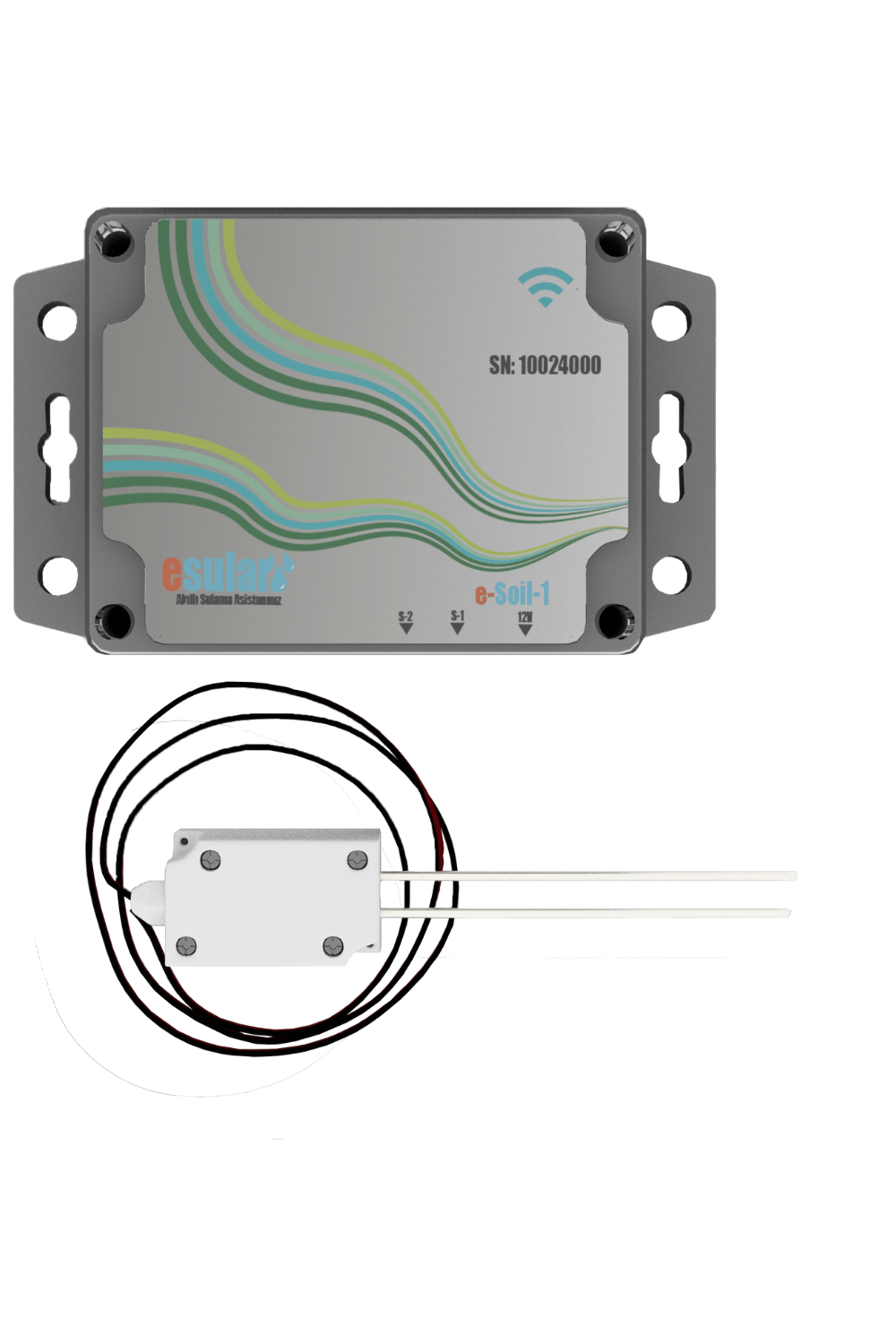
In modern agriculture, correct timing and amount control are of critical importance for efficient fertilization. Esular smart irrigation and fertilization systems monitor the nutrient status of the soil instantly with soil moisture and EC (electrical conductivity) sensors.
With Esular Soil Sensors:
- Track the fertilizer concentration in the soil (EC value) in real time
- Measure the efficiency after fertilization
- Prevent excessive or deficient fertilization
- Save water and fertilizer
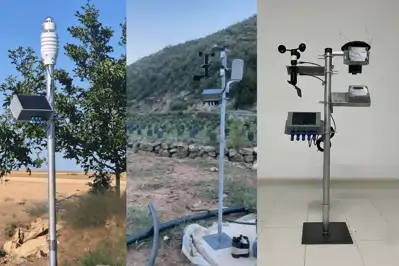
Wireless soil moisture and EC sensors monitor the nutrient status of the soil in layers by measuring at 4 different depths. In this way, you can control whether your fertilizer reaches the roots and its effectiveness.
Esular soil sensors Visit our store for detailed information about Esular soil sensors.
Efficiency with Fertilization Automation
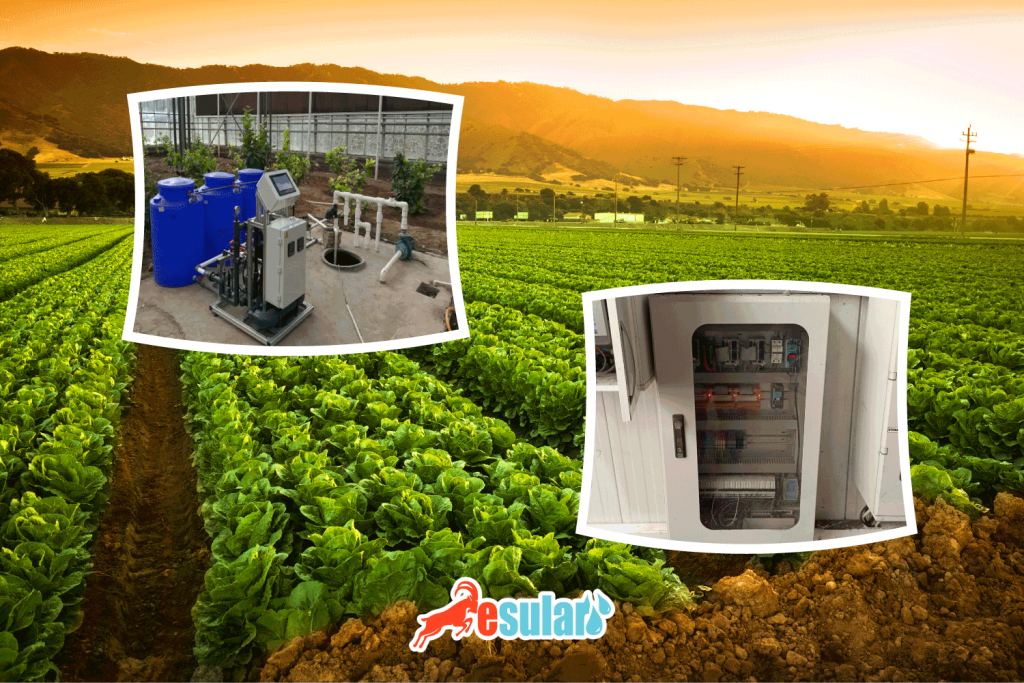
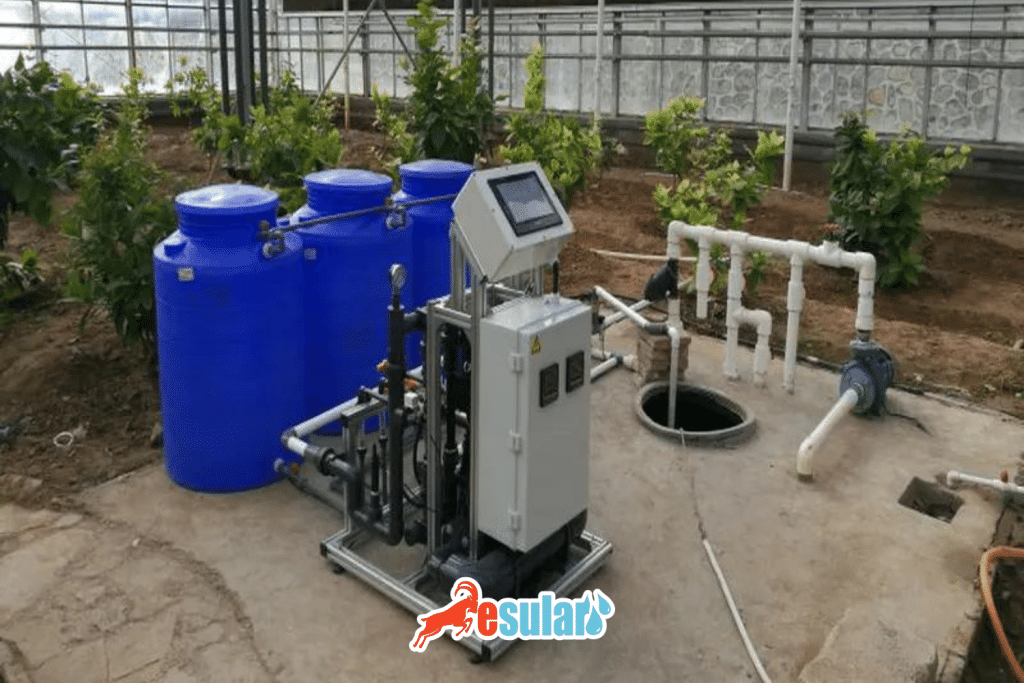
With Esular's fertilizer dosing and automation systems, you can put your winter fertilization processes into full automation. The system provides both savings and yield by automatically providing the correct amount of fertilizer according to soil analysis.
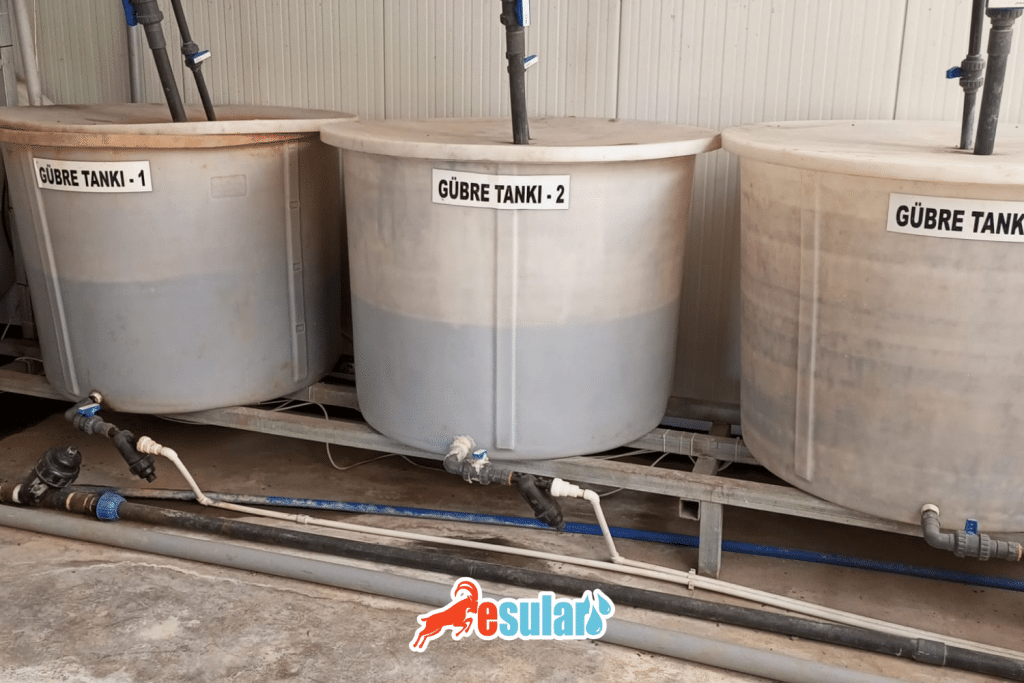
With Esular fertilization automation:
- Manage fertilizer tanks remotely
- Set how much fertilizer will be given from which tank
- Start the fertilization process with a single button
- Continuously monitor EC and pH values
Fertilization automation Visit our page for more information about fertilization automation.
Conclusion
Winter fertilizer applications are of great importance for the healthy growth of plants and a productive production period. Winter fertilization applied with the right method and timing ensures that you have strong and healthy plants in the spring.
Important Reminder: Be sure to have a soil analysis done before fertilizing. By determining the actual needs of your plant and soil, prevent both waste and protect the environment.
You can examine Esular smart irrigation systems to make your fertilization processes more efficient with modern agricultural technologies.
📞 Contact Us
Contact us to get more information about winter fertilization and smart farming systems:
- 🌐 Web:
- 🏪 Store: store.esular.com
Our professional agricultural consultants are ready to create the most suitable fertilization program for you!