Soilless Saffron Cultivation: A Method Revolutionizing Modern Agriculture

Saffron is the world's most valuable spice, with its gram competing with gold. This miraculous plant, of which only 5-6 kg is obtained from one decare using traditional methods, can now be grown much more efficiently with soilless farming techniques. Thanks to soilless saffron cultivation, the plant's growth environment and nutrition are controlled in the best way, and the products obtained are of higher quality and efficiency.
The hydroponic system offers great opportunities, especially for producers with limited space. In vertical soilless farming systems, it is possible to obtain high-quality saffron in a short period like 60-65 days. In this article, we will cover all the details, advantages, and installation stages of soilless saffron cultivation.
What is Soilless Saffron Cultivation?
Soilless saffron cultivation is carried out by keeping the roots of the plant in a constantly oxygenated static nutrient solution or an irregularly flowing nutrient solution. In this system, inert materials such as perlite, coconut peat, and rock wool are used instead of soil.
Basic Components of the Hydroponic System
A system consisting of four channels is required for hydroponic growing: microfiber sponge, collection pipe, collection tank, and four pipes supporting the inlet flow. The pipes are usually made of PVC plastic with holes placed at equal intervals.
System Elements:
- Water tanks (for nutrient solution)
- Growing trays or channels
- Pumps and air stones
- pH and EC control systems
- Lighting system (in indoor areas)
- Climate control unit
Why Should Soilless Saffron Be Preferred?
Challenges of the Traditional Method
Efficiency in saffron agriculture is very variable. There are 4 types of yield: corm yield, flower yield, fresh stigma, and dry stigma yield. It is quite difficult to control these yields in soil cultivation.
Problems Encountered in Soil-Based Production:
- Soil-borne diseases
- Dependence on climate conditions
- Weed control
- Irregular irrigation
- Large land requirement
Superiorities of the Soilless System
Thanks to hydroponic systems, the growth conditions of saffron plants can be fully controlled. All the nutrients, water, and oxygen necessary for the development of the plants are provided regularly, and efficiency increases.
Advantages:
- 70% water saving: Water recycling thanks to the closed system
- 3 times more yield: Increase in production per square meter
- Reduced disease risk: Production in a sterile environment
- Year-round production: Cultivation independent of the climate
- Space saving: Maximum production in minimum space with vertical systems
Hydroponic Saffron System Installation Stages
1. pH and Nutrient Solution Management
The ideal water pH for the growth of saffron corms is between 6 and 6.25. Continuous control of these values is of critical importance.
Ideal Nutrient Values:
- pH: 6.0-6.25
- EC (Electrical Conductivity): 1.2-1.5 mS/cm
- Temperature: 15-20°C (flowering period)
- Humidity: 60-70%
Nutrient Formula (for 1000 liters):
- Nitrogen (N): 120-150 ppm
- Phosphorus (P): 40-60 ppm
- Potassium (K): 180-220 ppm
- Calcium (Ca): 80-120 ppm
- Magnesium (Mg): 40-60 ppm
- Micro elements: Iron, Zinc, Copper, Manganese
2. Corm Preparation and Planting
Growing the saffron plant in greenhouse conditions becomes relatively easier thanks to the availability of saffron bulbs at appropriate times of the year.
Corm Selection:
- Corms with a diameter over 2.5 cm should be preferred
- Disease-free, healthy corms should be selected
- Fungicide application should be performed before planting
Planting Density:
- 50-60 corms per square meter
- 10-12 cm distance between corms
- Planting depth 5-7 cm
3. Environment Preparation
Most suitable growing media for hydroponic saffron:
Perlite-Cocopeat Mixture (Recommended):
- 60% Perlite
- 40% Coconut peat
- Good balance of aeration and water retention
Alternative Media:
- Rock wool
- Vermiculite
- Pumice stone
4. Irrigation and Drainage System
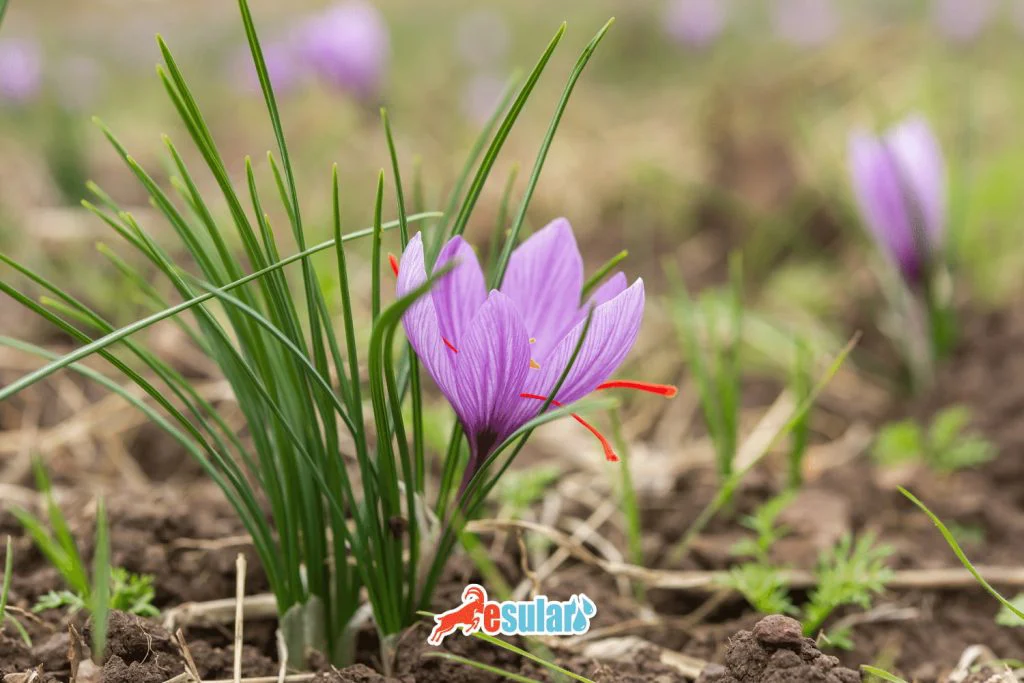
Drip irrigation system is quite suitable for saffron agriculture and is also the most common irrigation system. In a hydroponic system, this becomes even more critical.
Irrigation Schedule:
- Dormancy period: Light moistening 1-2 times a week
- Rooting period: 10 minutes twice a day
- Flowering period: 15 minutes 3 times a day
- Vegetative period: 20 minutes twice a day
Growth Periods and Maintenance
Dormancy Period (June-August)
- Minimum irrigation
- Temperature 25-30°C
- Dark environment preferred
Rooting Period (September)
- Irrigation is increased
- Phosphorus-weighted feeding
- Temperature reduced to 20-25°C
Flowering Period (October-November)
- Dry and sunny weather is a desired feature for saffron, especially during the flowering period.
- Potassium-weighted feeding
- Temperature 15-18°C
- 10-12 hours of lighting per day
Vegetative Growth (December-May)
- Balanced feeding
- Normal irrigation regime
- Maintenance until leaves turn yellow
Yield and Harvest
Corms grown hydroponically flowered only four percent of the time. When grown commercially in soil culture, the saffron corm is expected to reach a flowering rate of twelve percent. However, this rate can be increased under controlled conditions.
Yield Expectations:
- First year: 2-3 grams of dry saffron per square meter
- Second year: 4-5 grams per square meter
- Third year: 6-8 grams per square meter
Harvest Procedures:
- Flowers are collected early in the morning
- Stigmas (red threads) are separated
- Dried at 30-35°C
- Stored in glass jars
System Optimization with Esular Solutions
Precision control systems are of critical importance for success in soilless saffron cultivation. At this point, smart agricultural technologies offered by the esular brand provide great convenience.
pH and EC Control Systems
Continuous monitoring of pH and EC values is essential in hydroponic saffron production. Esular's wireless sensor systems provide:
- Instant pH and EC measurement
- Remote monitoring via mobile application
- Automatic warning systems
- Graphic and reporting features
Especially the 4-Level Moisture-EC-Temperature sensor offers an ideal solution for both environment control and nutrient solution monitoring.
Automatic Fertigation Systems
To meet the changing nutrient needs of saffron in different periods, Esular Smart Agro Series fertigation systems can be used:
- Control of 4 different fertilizer tanks
- Automatic EC and pH adjustment
- Timed and sensor-based fertilization
- Remote control and management
Thanks to these systems:
- Up to 25% fertilizer savings
- Up to 40% yield increase
- Reduction in labor costs
- Precise feeding control can be provided
Moisture Sensors and Irrigation Automation
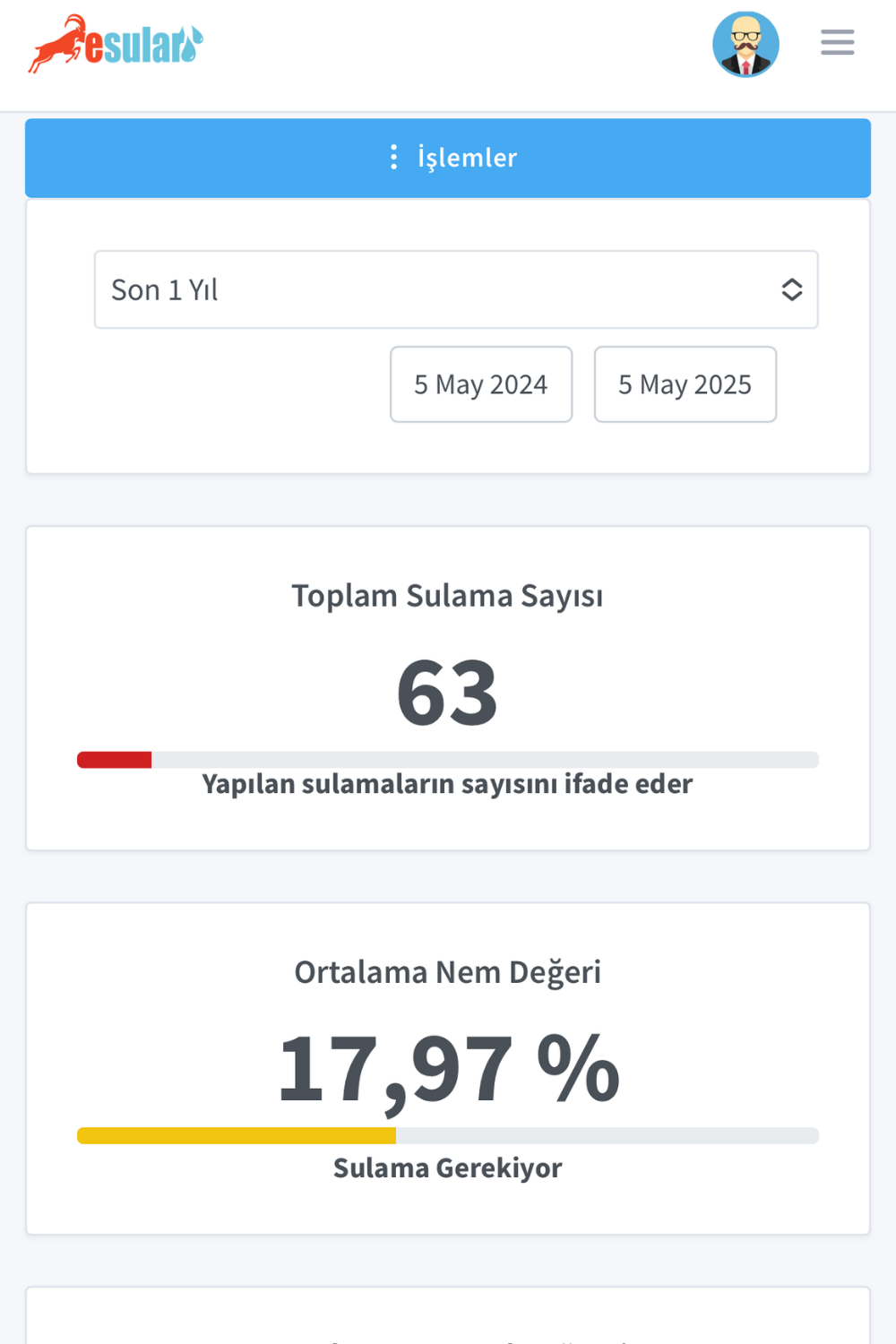
Moisture control is vital in a hydroponic environment. Esular moisture sensors feature:
- Gradual measurement at different depths
- Wireless data transmission
- Solar-powered operation
- Up to 10 years of battery life
Thanks to these sensors, the irrigation schedule is optimized, ensuring water savings and minimizing the risk of root rot.
Problems Encountered and Their Solutions
1. Low Flowering Rate
While the exact mechanisms underlying the decrease in the flowering rate of corms grown hydroponically are not known, it can be assumed that significant effects stem from the radical environmental difference between soilless cultivation and soil culture.
Solution:
- Cold treatment for corms (4-6 weeks at 10°C)
- Gibberellic acid application
- Optimal light and temperature control
2. Root Rot
Occurs in cases of over-irrigation or insufficient drainage.
Solution:
- Precise monitoring with EC and moisture sensors
- Automatic irrigation systems
- Selection of a medium that provides good drainage
3. Nutrient Imbalance
Occurs when pH and EC values go out of the optimal range.
Solution:
- Daily pH and EC control
- Automatic dosing systems
- Weekly nutrient solution renewal
Critical Points for Success
- Corm Quality: Select healthy corms with large diameters (over 3 cm)
- pH Control: Strictly maintain the 6.0-6.25 range
- Temperature Management: Provide 15-18°C during the flowering period
- Lighting: 10-12 hours of full-spectrum LED per day
- Hygiene: Sterile working environment and equipment
- Record Keeping: Record all parameters daily
Success Examples from Turkey and the World
Vertical Farming Success in Denizli
In Denizli, entrepreneurs Oğuzhan Etiler and Mehmet Köseoğlu successfully realized saffron production using the soilless vertical farming method in Turkey. The duo, who started production with 100 thousand imported saffron corms, made their first harvest in November 2024. In the harvest event, which was also attended by Denizli Provincial Director of Agriculture Şakir Çınar, the success of production using the soilless farming method under controlled conditions was observed.
Oğuzhan Etiler stated that they aim for a 5 million dollar investment to grow their projects, saying, "We intend to carry every product with high added value to the global stage with sustainable agricultural strategies." This initiative became an important step in terms of developing saffron production, which is carried out in limited quantities in the Baklan and Pamukkale districts of Denizli, with modern techniques.
World Examples
In research conducted in Italy, 2 kg of saffron production per year was achieved using a vertical system in a 70 m² area. To produce the same amount in soil, a 1000 m² area would be required.
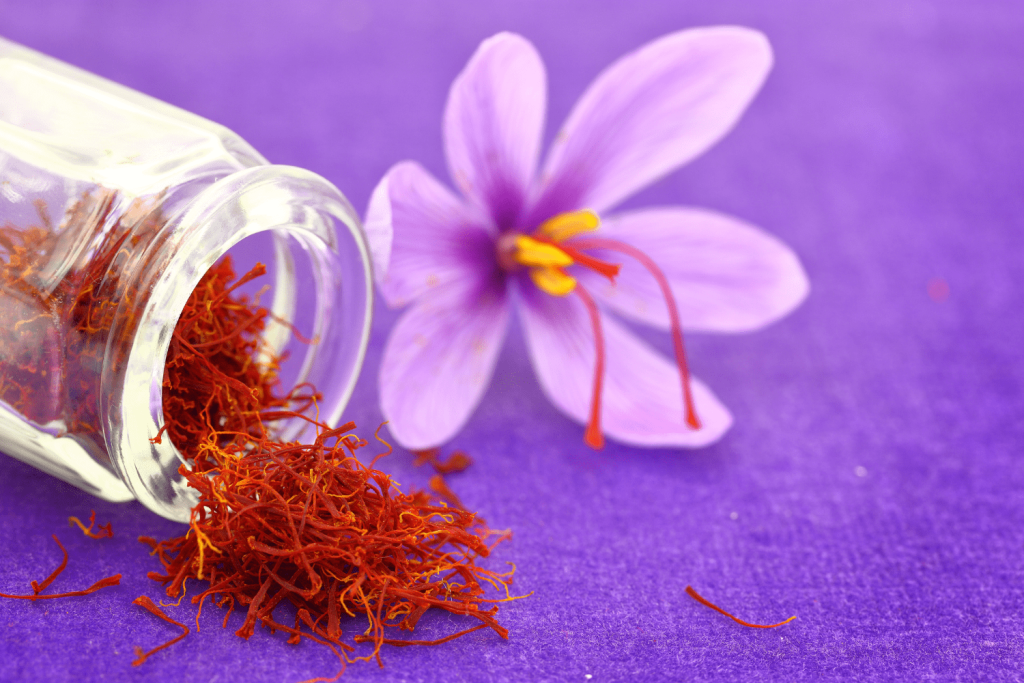
In Spain, saffron yield was increased by 300% through controlled environment agriculture. Iran is the leader in saffron production in the world, and India, Greece, and Spain are also among the important producer countries.
Future Perspective
Soilless saffron cultivation stands out as the agricultural model of the future. Especially:
- Urban farming applications
- Vertical farms
- Controlled environment agriculture
- It holds great potential for adaptation to climate change.
🌱 Do You Want to Start Hydroponic Saffron Production?
Esular technologies can support you regarding pH-EC control systems, automatic fertigation, and moisture sensors required for soilless saffron cultivation:
- 📞 WhatsApp: 0850 303 49 91
- 🌐 Web: store.esular.com
Our expert team can assist you with system installation and optimization.
Conclusion
Soilless saffron cultivation can be a highly profitable investment with correct planning and technology use. The advantages of vertical soilless farming systems in saffron cultivation include more effective use of water and nutrients, increased water savings, and reduced environmental impact.
For a successful production:
- Conduct a good feasibility study
- Use quality equipment and sensor systems
- Constantly check pH and EC values
- Strictly follow hygiene rules
- Benefit from technology
Remember, saffron production is a job that requires patience and care. However, when supported by correct methods and modern technologies, you can create both an economic and sustainable production model.
⚠️ Important Note: Prices and values mentioned in this article reflect general market conditions at the date of publication. For current prices, campaigns, and system costs, be sure to obtain a quote from expert companies. For Esular products, you can visit store.esular.com.