
What is Climatic Disease Risk Analysis?
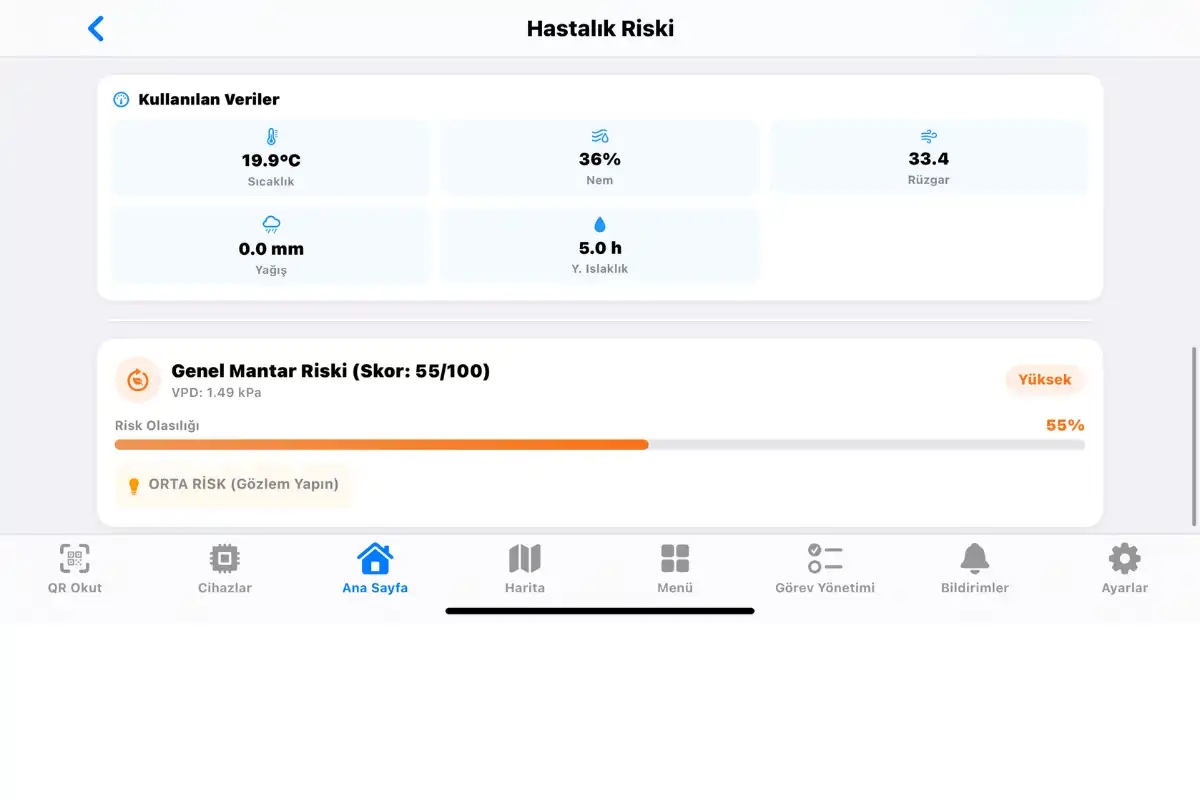
In modern agriculture, sustainability and high efficiency are possible not only with correct irrigation and fertilization but also with the proactive protection of plant health. Climatic disease risk analysis is the process of predicting potential pathogen attacks by integrating meteorological data and plant physiology. This process allows agricultural enterprises to optimize pesticide use, reduce costs, and minimize environmental damage.
In traditional farming methods, the fight against diseases usually starts after symptoms are seen. However, plant disease risk begins long before symptoms appear, when suitable environmental conditions are formed. Smart farming technologies, especially thanks to Esular climate stations and sensor networks, offer early warning systems to farmers by monitoring these conditions in real-time. In this article, we will deeply examine the effect of climatic factors on diseases, risk analysis methods, and the critical role of Esular technologies in this process.
Disease Triangle: Pathogen, Host, and Environment
A fundamental concept in plant pathology, the "Disease Triangle" states that three factors must be present simultaneously for a disease to occur: a susceptible host plant, an aggressive pathogen, and a suitable environment for the development of the disease. Climatic disease analysis focuses on the environment leg of this triangle. Parameters such as temperature, humidity, and leaf wetness directly control the sporulation, germination, and infection stages of the pathogen.
Basic environmental factors affecting disease risk:
- Temperature: Pathogens need a specific temperature range for their metabolic activities.
- Air Humidity: High relative humidity is the primary condition for the spread of fungal diseases in particular.
- Leaf Wetness: Free water on the leaf surface is necessary for spores to germinate.
- Precipitation: Enables the transport of pathogen spores from one plant to another.

Effects of Climatic Parameters on Disease Development
The development of plant diseases is extremely sensitive to microclimate conditions. There can be large differences between the general weather of a field and the microclimate within the plant canopy. Smart farming solutions make the most accurate disease risk prediction by measuring this microclimate.
Temperature and Thermal Threshold Values
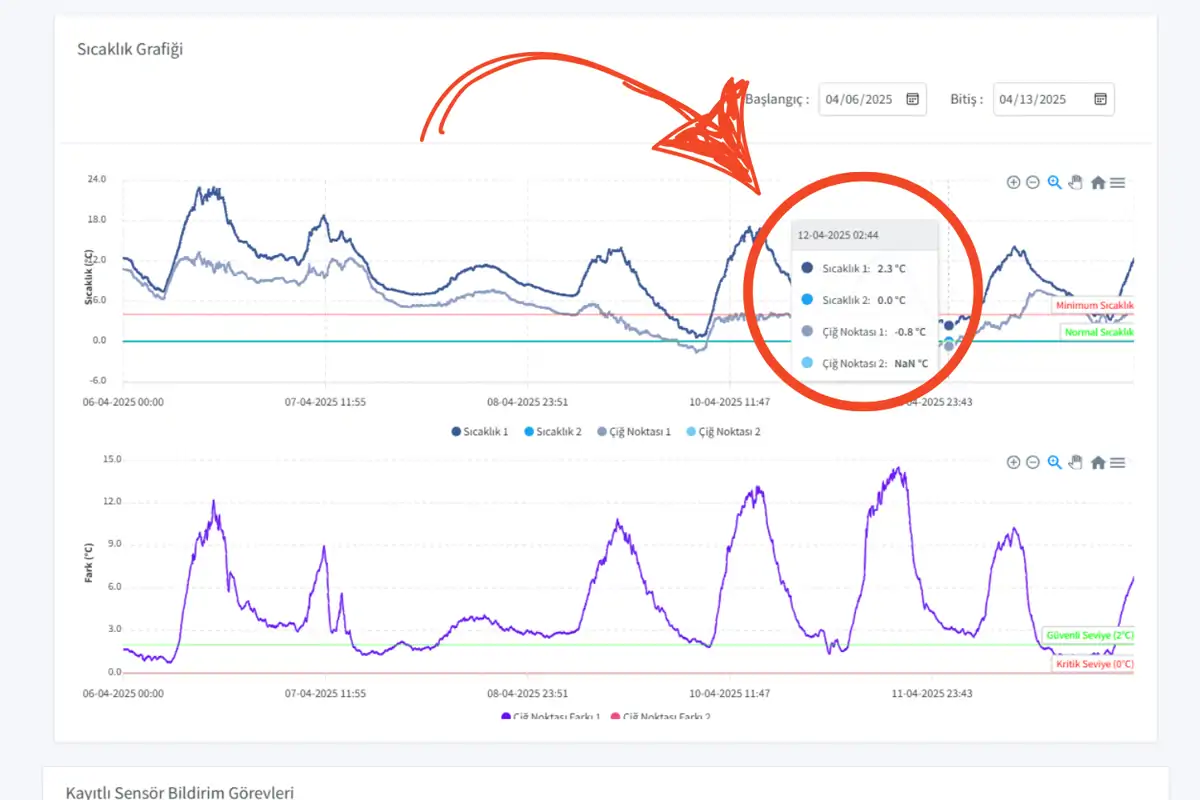
Every pathogen has a minimum, optimum, and maximum temperature threshold. For example, pathogens such as Phytophthora infestans (late blight) prefer cool and humid weather, while powdery mildew agents can be active at higher temperatures. Temperature data is used to calculate the incubation period of the pathogen. Agricultural meteorology stations model the life cycle of the pathogen by continuously recording this data.
Relative Humidity and Leaf Wetness
When the humidity in the air rises above 85-90%, an ideal environment is created for many fungal pathogens. However, even more critical is the "leaf wetness duration." The water layer formed on the leaf surface due to dew, fog, or rain determines the time required for spores to penetrate the plant tissue. Precision leaf wetness sensors developed by Esular provide input to plant disease risk models by measuring this duration on a minute basis.

Role of Airflow and Wind
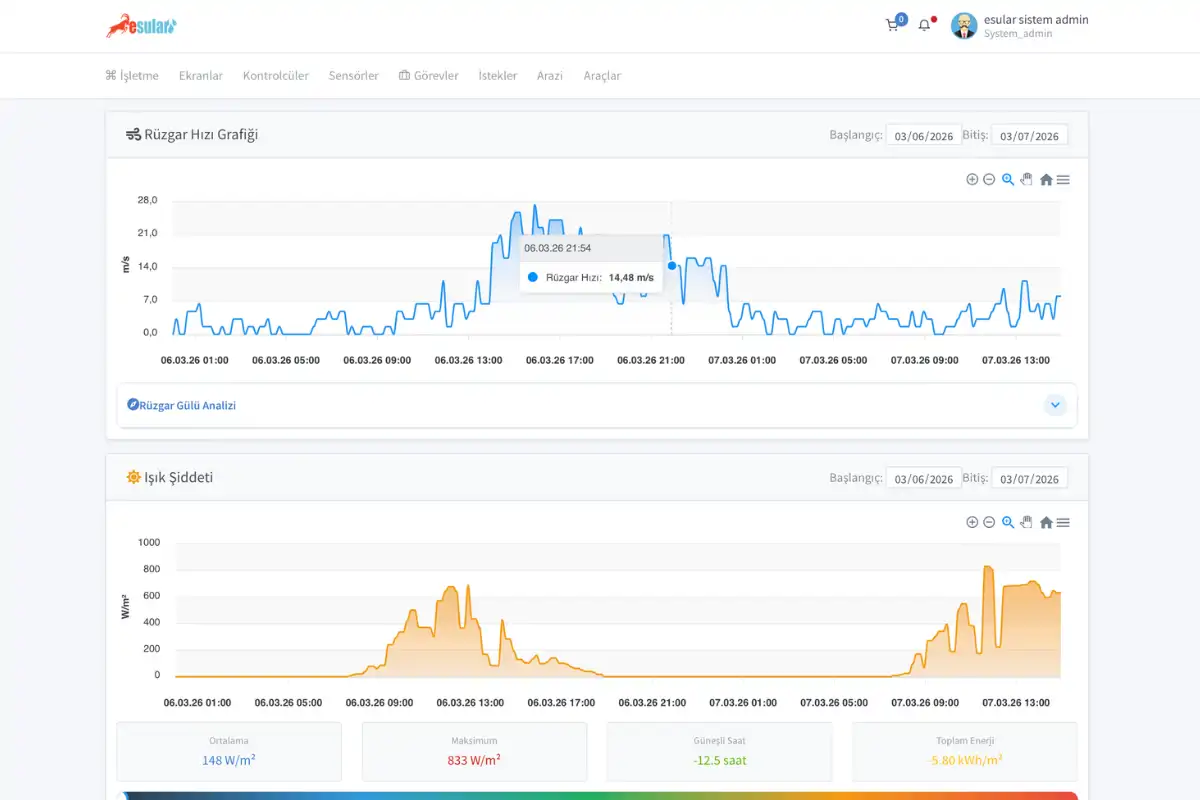
Wind plays the main role in transporting pathogen spores (conidia) over long distances. Additionally, wind speed can shorten the leaf wetness duration by affecting the evaporation rate of water on the leaf surface. Therefore, wind direction and speed data are analyzed to predict the direction of disease spread. Esular wind sensors provide this data with high accuracy.
Common Plant Diseases and Climatic Risk Models
Different plant species get different diseases under different climatic conditions. Some of the diseases that cause the most economic loss in the agriculture sector are:
- Downy Mildew: Usually develops in high humidity and cool weather conditions. It is especially seen in plants such as potatoes, tomatoes, grapes, and cucumbers. It causes yellowing on leaves and mold-like formations on the lower surface.
- Powdery Mildew: A fungal disease seen as white powder on leaves. It can spread rapidly in warm and relatively dry conditions. It is common in vineyards, vegetables, and fruit plants.
- Rust Diseases: Creates orange or brown spots on the leaf. It usually develops in humid and moderate temperature climates and can cause significant yield loss in cereals.
- Alternaria (Early Leaf Blight): Common in plants such as tomatoes and potatoes. It creates ringed spots on leaves and spreads rapidly in the combination of high temperature and humidity.
- Botrytis (Grey Mold): A disease seen especially in greenhouses and humid environments. It can cause large losses in strawberries, grapes, and vegetables.
This data represents general approaches. For a real disease risk analysis, local data and plant phenology (growth stage) should be evaluated together. For example, for more information about early blight in tomatoes, you can check this article.
Climatic Disease Management with Esular Technologies
Esular offers end-to-end solutions that allow farmers and agricultural engineers to be one step ahead in the fight against diseases. These solutions not only collect data but also transform this data into meaningful decisions.
Smart Climate Stations (Maxi and Mini Series)
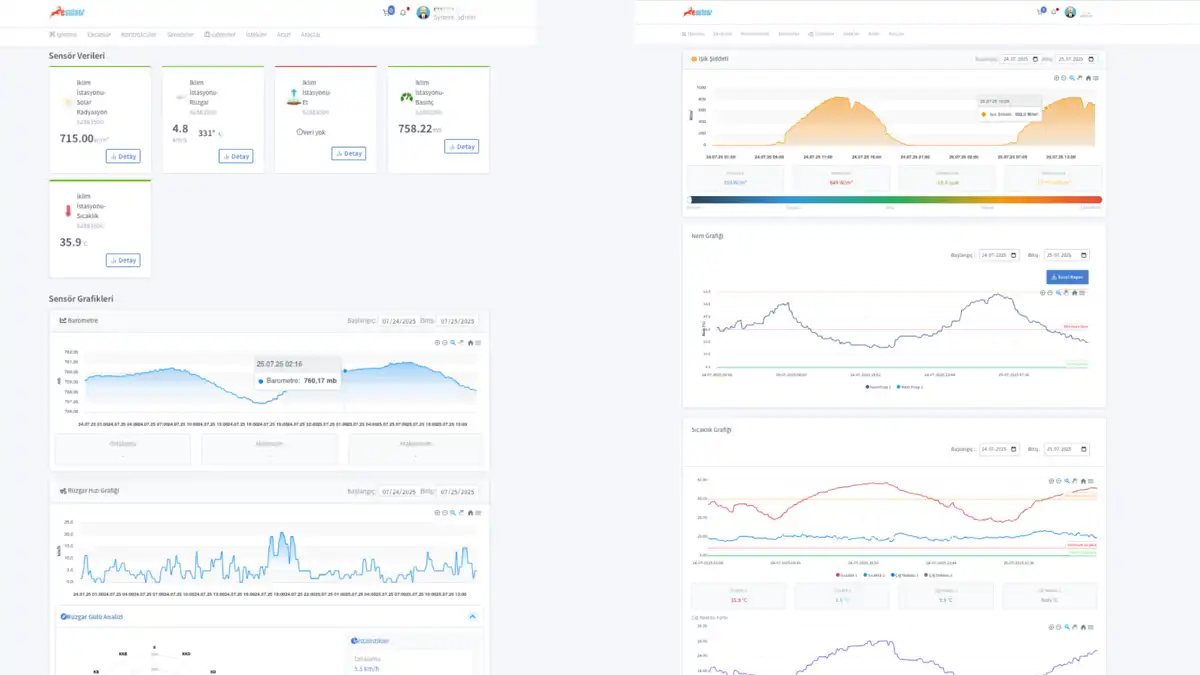
Esular's Maxi Climate Stations measure all meteorological parameters in your field. These stations transmit data such as air temperature, humidity, precipitation amount, solar radiation, wind speed, and direction to the cloud-based platform 24/7. This collected data is processed with advanced algorithms to create risk scores for specific diseases.
Wireless Sensor Networks and Microclimate Monitoring
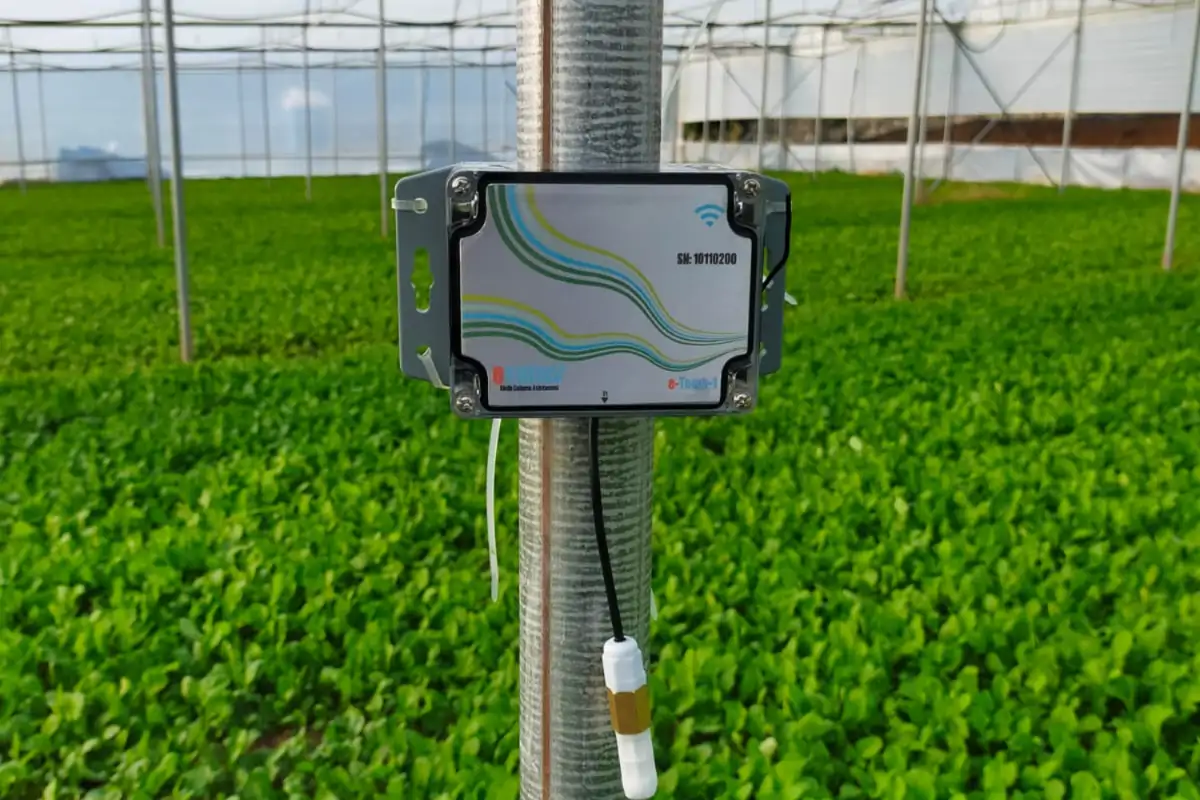
In large areas or hilly terrains, microclimate differences are very distinct. Esular's wireless sensors are placed at different points of the field to create a disease risk profile for each region. In this way, instead of spraying the entire field, only risky areas can be intervened. This approach forms the basis of smart farming principles.
Cloud-Based Decision Support Software
Data coming from sensors can be followed via Esular's mobile and web application. The software reports the plant disease risk status within the next 3-5 days by combining sensor data with meteorological forecasts. When farmers receive a "High Risk" warning, they can perform protective (preventive) spraying before the infection starts.
Economic and Environmental Benefits of Climatic Disease Analysis
Conducting disease risk analysis not only protects the plant but also directly affects business profitability. Studies conducted worldwide show that enterprises using climate-based decision support systems reduce pesticide use by between 20% and 40% (Source: FAO - Food and Agriculture Organization).
Advantages provided by analysis results:
- Pesticide Savings: Unnecessary costs are avoided by spraying only when there is a risk.
- Labor and Energy Efficiency: The operating time of spraying machines decreases, providing fuel savings.
- Product Quality: Plants that are not under disease pressure produce higher quality fruit with high market value.
- Environmental Protection: The amount of chemicals mixed into the soil and groundwater decreases, protecting the ecosystem.
- Residue Issue: Compliance with maximum residue limit (MRL) values, which is critical for exporting producers, becomes easier.
Especially in greenhouse production, climate control and disease management are intertwined. Greenhouse automation systems can lower humidity by opening ventilation windows or activating heating according to risk analysis results and physically prevent the occurrence of the disease.
Step-by-Step Climatic Disease Risk Analysis Setup
To establish a professional disease management system in your enterprise, you should follow these steps:
1. Needs Analysis and Determination of Target Pathogens
What product you grow and what the most common diseases are in your region is the first step of the system setup. For example, if you are a vineyard owner, downy mildew and powdery mildew are your priorities. Understanding the biology of these pathogens determines which sensors you will need.
2. Esular Climate Station and Sensor Selection
An Esular Agricultural Climate Station is required for a basic system. In addition to this, wireless ambient sensors to measure canopy humidity and definitely a leaf wetness sensor should be added. Since soil moisture also affects plant resistance, soil moisture sensors should be integrated into the system.
3. Strategic Placement
The station should be installed at an open point representing the field in general. Sensors, on the other hand, should be placed at critical points such as "humid hollows" or "dense leafy areas" where the disease starts earliest. Esular's technical team provides layout plan support during the installation phase.
4. Data Calibration and Monitoring
After the system is installed, threshold values are defined through the Esular application. For example; rules like "send notification when temperature is between 18-24°C and leaf wetness exceeds 6 hours" can be created. In this way, disease risk comes to your pocket in real-time.
Climate Change and Changing Disease Dynamics
Global climate change is changing the geographical distribution and severity of agricultural diseases. Tropical diseases that were not seen in certain regions before have started to be seen in northern latitudes with increasing temperatures. Additionally, extreme weather events (sudden downpours, prolonged droughts) stress the plant, making it more vulnerable to diseases.
In this variable environment, static spraying calendars no longer work. Esular like dynamic and data-driven systems minimize the producer's risk by instantly adapting to changing climate conditions. For more information about the general effects of climate change on agriculture, you can visit our Climate Change and Agriculture Report page.
Conclusion: The Future of Agriculture is Protected by Data
Climatic disease risk analysis is not only a technological innovation but also the strongest defense mechanism of the modern farmer. Knowing plant disease risk factors in advance turns agricultural production from a gamble into a manageable process. As Esular, we stand by the world's farmers with the smart meteorology solutions, sensor technologies, and AI-supported analysis tools we offer.
If you want to minimize disease risks in your field or greenhouse, guarantee your yield, and reduce your input costs, meet Esular's professional solutions. Remember, a single intervention made at the right time can save the harvest of the entire season.
Contact Us for More Information
You can talk to our expert team for detailed information about disease risk analysis solutions and smart irrigation integrations specific to your agricultural enterprise.
- Discover Esular Solutions: Agricultural Climate Stations
- Technical Support and Consultancy: Contact Form
- About Us: Esular Vision
Let's build a healthier plant and a more sustainable future by using the power of technology in agriculture. With Esular, every data turns into a profit!