“The biggest threat to farmers during seasonal transitions: Agricultural frost! Protect your crops with early detection and effective protection methods. Real-time frost alarms and solutions with Esular sensors. #ProtectYourProduct”
Agricultural Frost Threat: Early Detection, Effective Protection Methods, and Esular Technologies
While hopes sprout with the arrival of spring or the excitement of harvest is at its peak in autumn, a sneaky danger that keeps farmers awake at night may knock on the door: agricultural frost. A temperature difference of just a few degrees that drops suddenly at night can freeze sensitive plants, buds, flowers, and young fruits, jeopardizing months of labor and expected income. Being prepared against this natural disaster, which directly affects productivity and profitability in agricultural production, is an indispensable part of modern agriculture. So, what is agricultural frost, why is it so important, and most importantly, how can this risk be managed?
What is Agricultural Frost and How Does It Affect Plants?
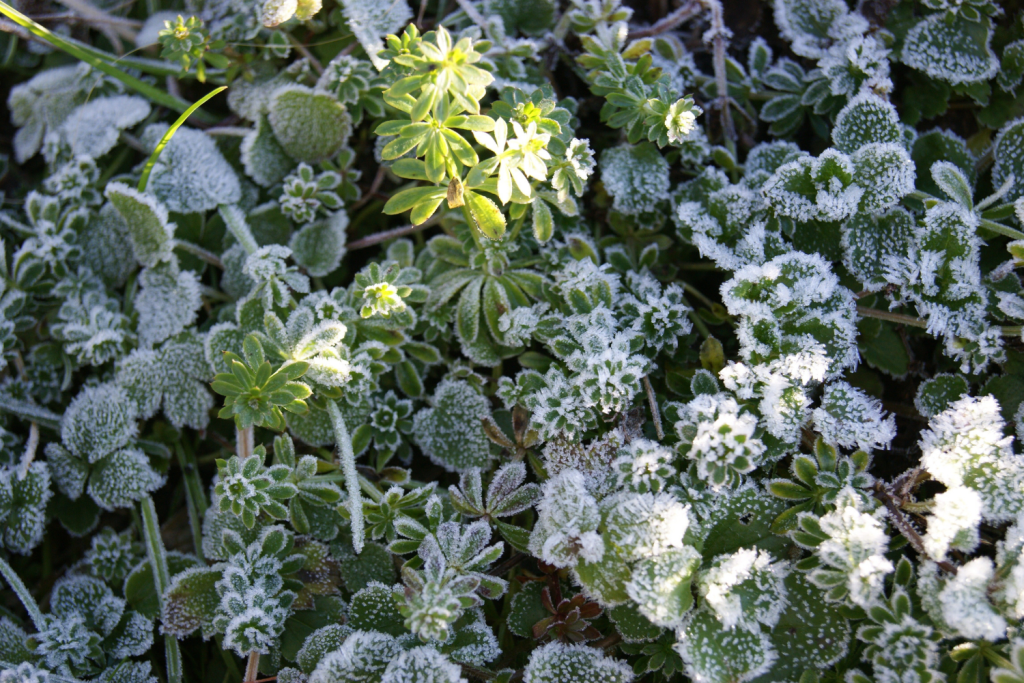
Agricultural frost, in its simplest definition, is the event where the water found in plant tissues freezes as a result of the air temperature falling below 0°C (Celsius). This freezing creates ice crystals within or between plant cells.
Intracellular Freezing: Occurs during very rapid temperature drops and usually leads to the death of the cell.
Intercellular Freezing: Seen during slower cooling. Ice crystals forming in the spaces between cells draw water from the cells, causing dehydration (water loss) and damage as the cell shrinks. Frost damage varies depending on the species of the plant, its age, the physiological period it is in (bud, flower, fruit), and the severity and duration of the frost. The most sensitive periods are usually the flowering and small fruit periods. Damage can manifest as blackening of leaves, shedding of flowers, shape deformities in fruits, or complete crop loss.
The Golden Value of Early Detection: A Race Against Time
The key to success in combating agricultural frost is early detection. Knowing the frost risk hours in advance provides the farmer with invaluable preparation time.
Proactive Intervention Opportunity: Knowing the frost danger in advance allows you to take protective measures such as operating irrigation systems, preparing frost covers, and activating wind machines in a timely and correct manner.
Efficient Use of Resources: Real-time temperature and humidity data help you understand if an intervention is truly necessary. Unnecessary irrigation or energy expenditure is prevented, and costs are reduced.
Targeted Strategies: Knowing the temperature variations in different regions of the field (e.g., frost pockets) allows for concentrating intervention on the riskiest areas.
Stress Management and Informed Decisions: Acting based on concrete data instead of uncertainty reduces the farmer's anxiety and allows for calmer, more informed decisions.
Proven Methods to Reduce Agricultural Frost Effects
Although it is difficult to completely eliminate frost risk, there are many active and passive methods to minimize its effects:
1. Active Protection Methods
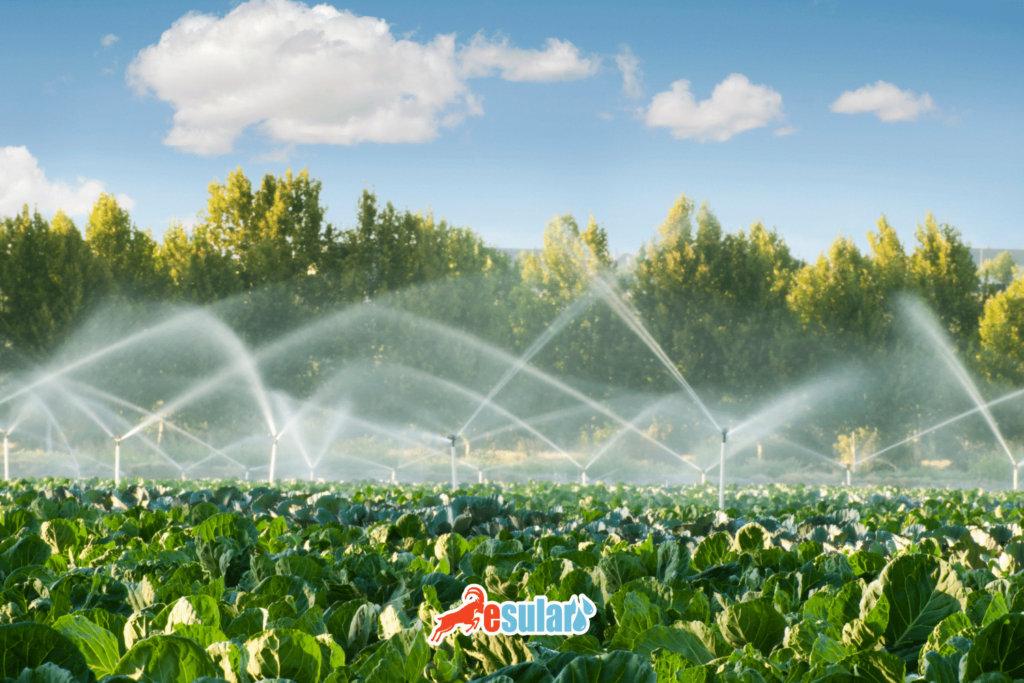
Overhead Irrigation (Sprinkling): One of the most common and effective methods. Water is continuously sprayed onto the plants when the frost risk starts (usually when the temperature drops to 1-2°C) and until the frost danger ends. The latent heat released by water as it freezes (heat of fusion) keeps the plant surface and buds around 0°C, protecting them from lower air temperatures. Important Note: Irrigation must continue until the ice is completely melted; otherwise, evaporation can cause further cooling.
Creating Airflow (Wind Machines / Fans): Particularly effective during radiation frosts (rapid cooling of the earth's surface on clear, windless nights). By mixing the cold air layer accumulating near the ground with the warmer air layer above (usually several meters), it can increase the temperature at the plant level by 2-4°C.
Heaters: Special stoves or heaters used inside gardens or greenhouses can increase the ambient temperature, but it is a high-cost method.
2. Passive Protection Methods
Use of Covers: Suitable for small areas, nurseries, or individual valuable plants. Covering plants with materials like frost blankets, plastic, straw, or mats prevents the heat reflected from the soil from escaping into space and can protect the plant by a few degrees. It is important that the covers do not touch the plant.
Soil Management and Moisture: Tilling the soil (plowing, hoeing) just before the frost risk should be avoided. Compacted, weed-free, and moist soil absorbs solar heat better during the day and heats the environment by releasing it slowly at night. Dry and loose soil loses heat rapidly.
Correct Site and Variety Selection: One of the most important long-term strategies. Frost-sensitive varieties should not be planted in low and sloping lands known as "frost pockets" where cold air accumulates. Varieties suitable for the climatic conditions of the region, frost-resistant, or late-flowering should be preferred.
Mulching: Covering the soil surface with organic or plastic mulch can help maintain soil temperature.
3. Combined Methods
Often the best result is achieved by using several methods together. For example, using sprinkler irrigation or a wind machine in conjunction with moist soil management can increase effectiveness.
After Frost Hits: Damage Management and Recovery
If frost damage has occurred despite all efforts, taking the right steps is critical for the plant's recovery:
Patient Damage Assessment: Evaluate the damage after the frost danger has completely passed and the weather has warmed up. Tissues that appear healthy at first may blacken or collapse a few days later. Do not rush for a definitive damage assessment.
Do Not Rush Pruning: Although it is tempting to immediately prune frozen or blackened branches, this can add additional stress to the plant and cause healthy tissues to be cut as well. Wait for the plant to produce new shoots (usually late spring or early summer) and only prune parts that are clearly understood to be dead.
Supportive Care: Apply an appropriate irrigation and balanced nutrient (fertilizer) program to support the recovery of damaged plants. Avoid excessive fertilization. Products such as biostimulants or seaweed can be beneficial to reduce stress.
The Power of Technology: Smart Shield Against Frost with Esular Sensor Solutions
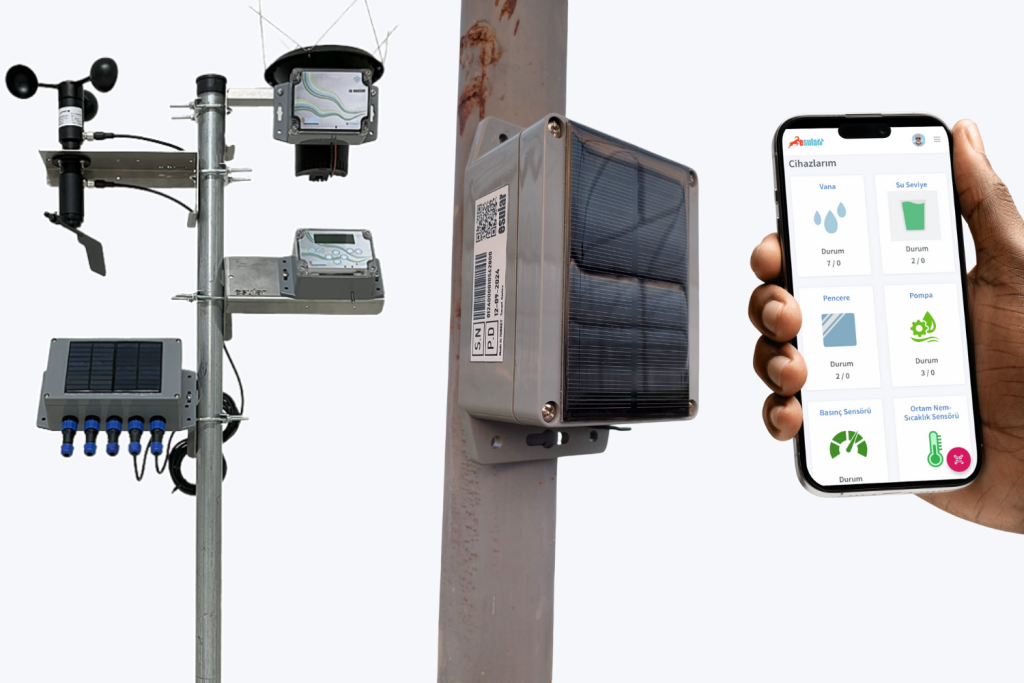
Today, technology offers powerful tools to farmers in the fight against agricultural frost. The smart agricultural sensors we have developed as Esular allow you to monitor frost risk in real-time, take data-driven decisions, and optimize your interventions.
Advantages of Esular Sensors
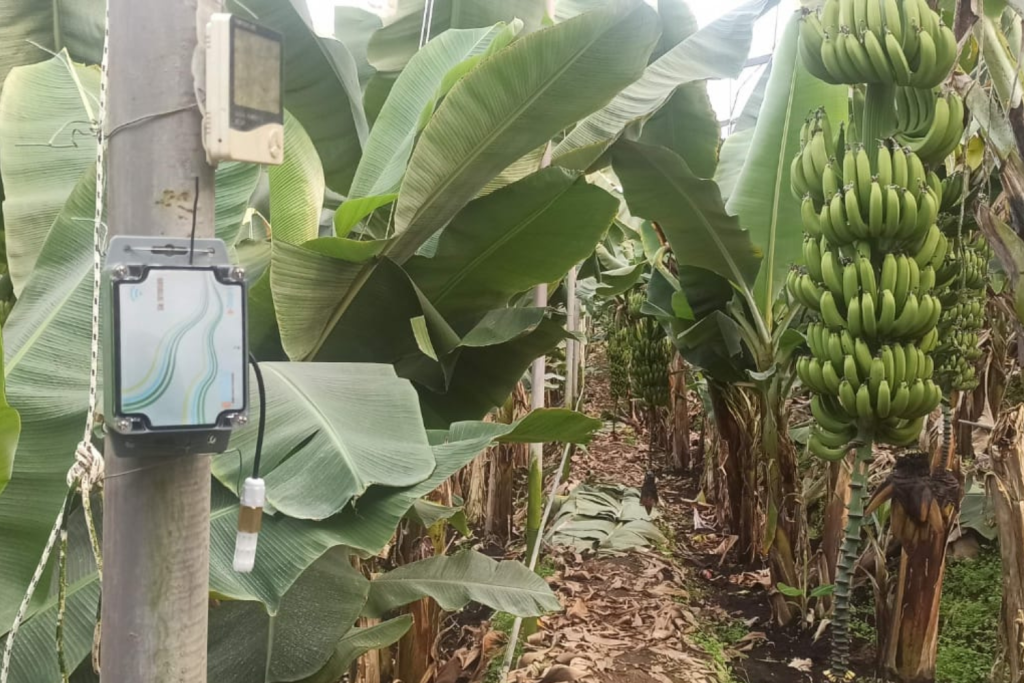
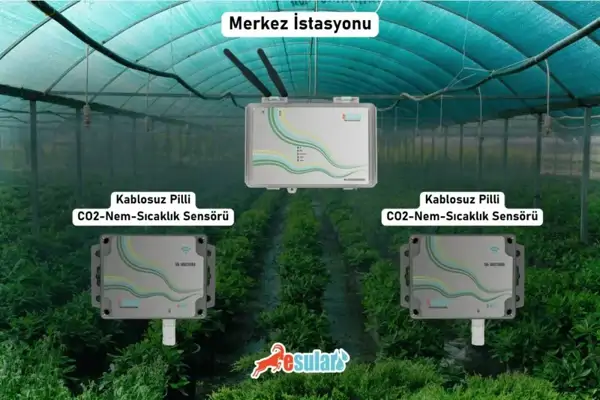
Point-based and Precise Temperature/Humidity Tracking: Esular Wireless Battery-Powered Humidity-Temperature Sensors (Smart Series), which you can place at critical points of your field or garden, measure temperatures dropping down to -40°C and relative humidity with high precision. Since these sensors usually operate with a built-in solar panel and rechargeable battery, they are easily installed without the hassle of wiring or external power sources and operate for many years.
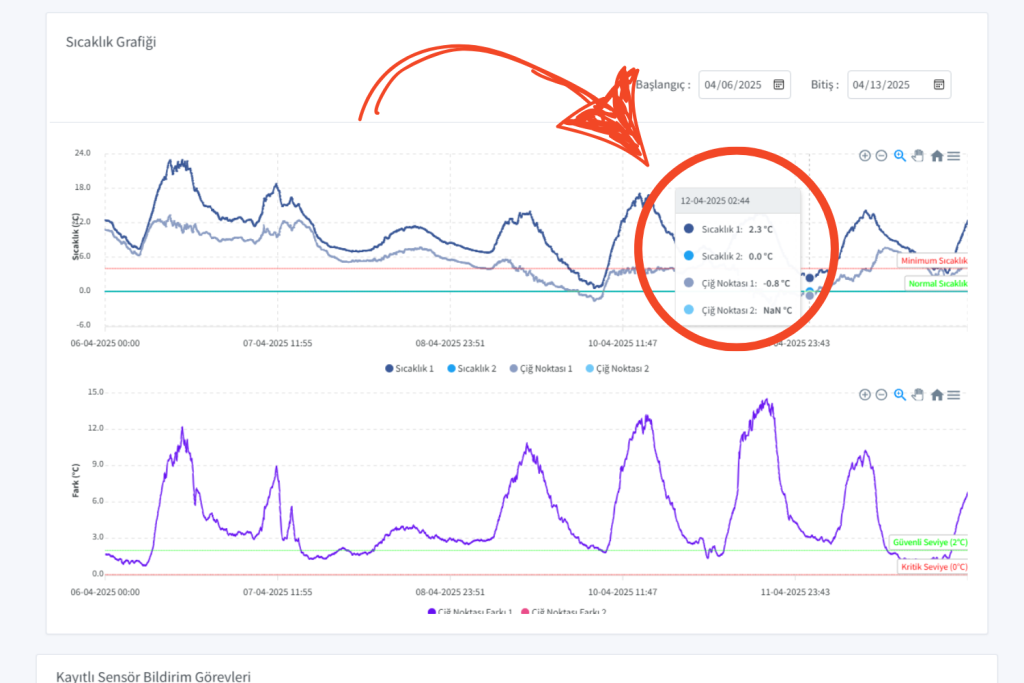
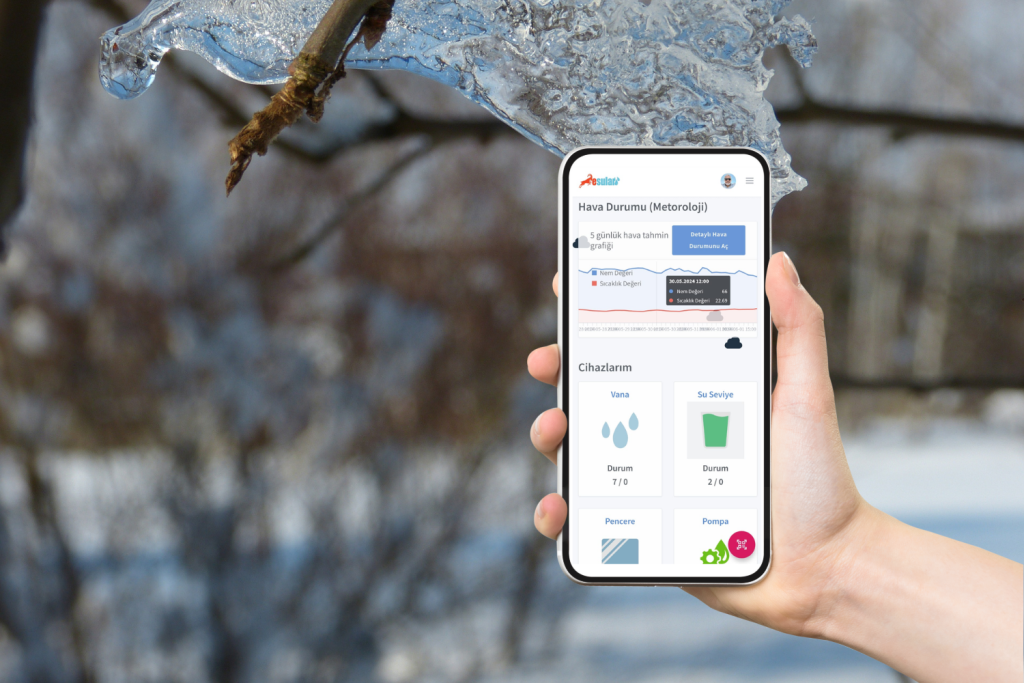
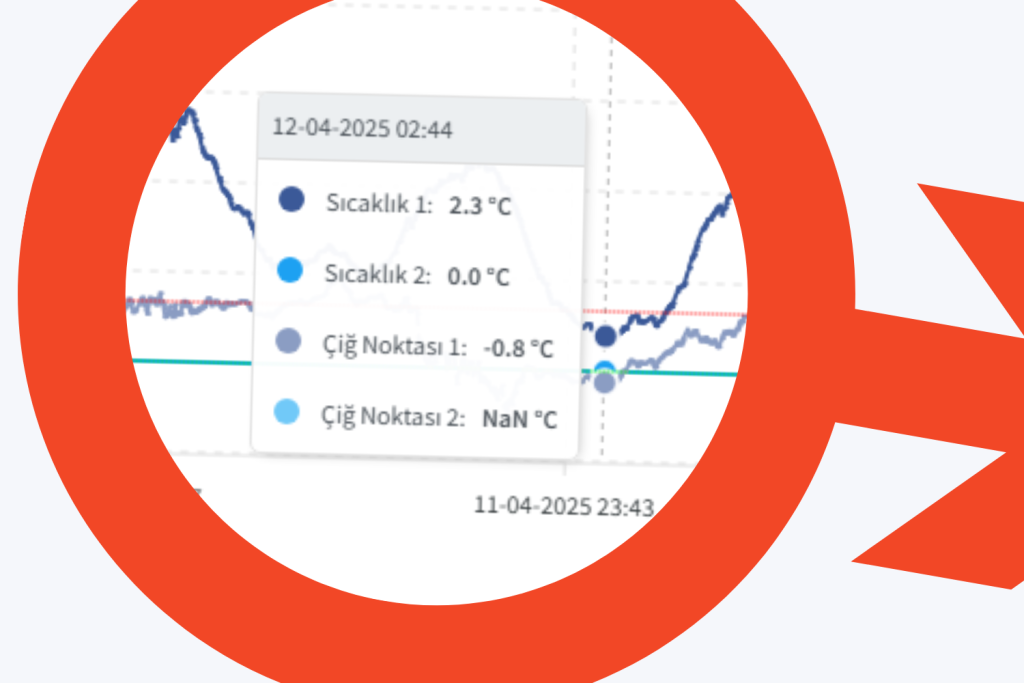
Instant Frost Alarm: When critical temperature thresholds you set via the system (e.g., 2°C or 1°C) are exceeded, an instant SMS or mobile app notification is sent to your mobile phone. This way, you are informed of the frost danger even while sleeping and do not lose valuable time.
Comprehensive Climate Data: Esular Climate-Meteorology Stations measure not only temperature and humidity but also many parameters directly affecting frost risk, such as wind speed, wind direction, rainfall amount, air pressure, and even solar radiation. This holistic data allows you to make more accurate frost predictions and risk analysis. Especially wind speed and direction are critical in distinguishing between radiation frost and advection frost (cold air transport by wind).
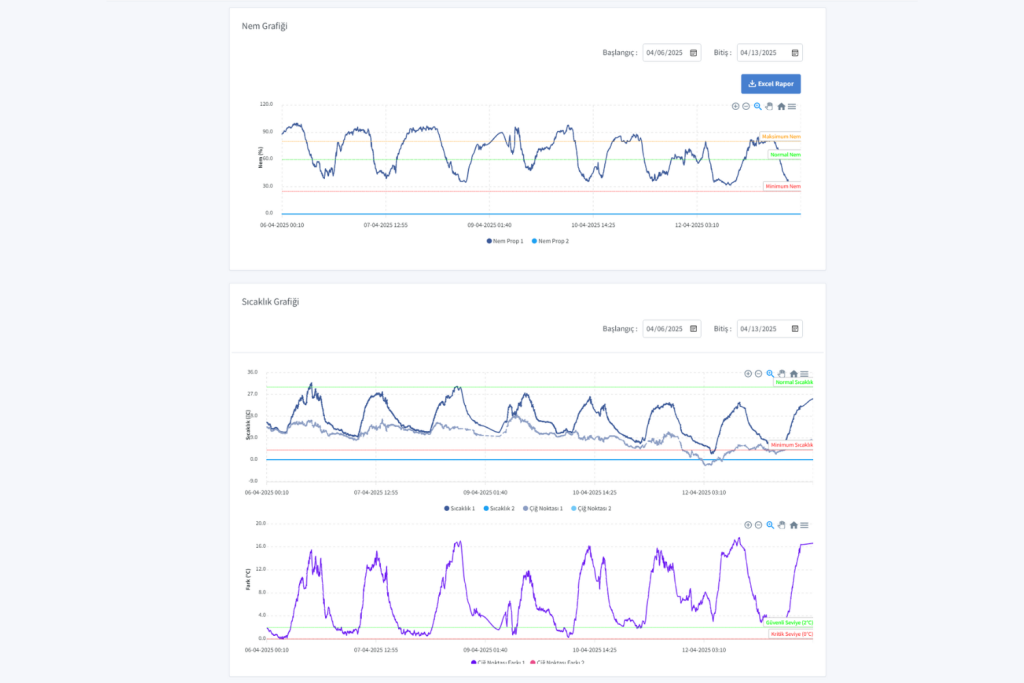
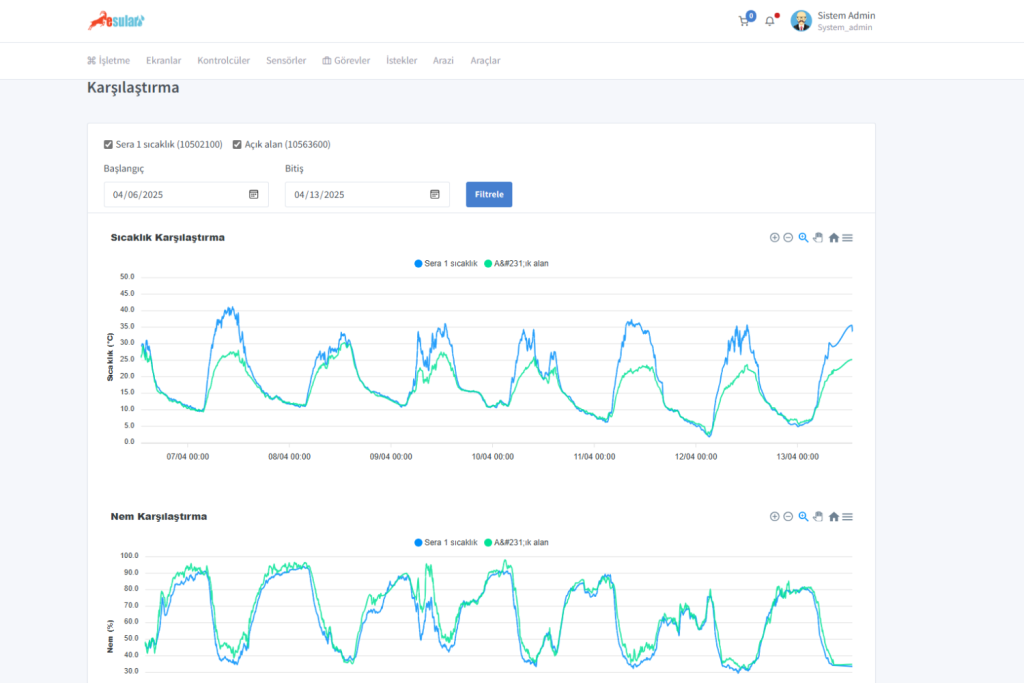
Remote Monitoring and Data Analysis: You can access data from all sensors 24/7 from any computer, tablet, or smartphone connected to the internet. You can analyze historical data on graphs, understand under which conditions frost events occurred, and shape your future strategies accordingly.
Easy Installation and Expandability: Thanks to wireless LoRaWAN technology, sensors can communicate with the main unit even from kilometers away. Installation is extremely simple, and you can easily add new sensors to the system as your needs increase.
With Esular technology, instead of predicting the frost risk, you manage it by measuring. This both ensures you protect your product and helps you use resources such as water, energy, and labor in the most efficient way.
Conclusion
Agricultural frost is one of the inevitable risks of agricultural production. However, ignorance and lack of preparation can turn this risk into a disaster. With the right information, effective passive and active protection methods, and early warning and real-time data monitoring opportunities offered by modern technologies like Esular, it is possible to greatly reduce the negative effects of agricultural frost. With a proactive approach, by making informed decisions and benefiting from technology, you can protect your labor and investment, and achieve sustainable and profitable agricultural production. Remember, your strongest weapon against frost is knowledge and preparation.
Take Action!
Do not wait any longer to strengthen the defense of your field or garden against the risk of agricultural frost! Explore Esular Smart Sensor Solutions and contact us for solutions tailored to you.