
In today's world, agricultural production has become more challenging than ever due to uncertainties brought by climate change, decreasing water resources, and increasing input costs. To overcome these challenges and build a sustainable agricultural model, it is a necessity to go beyond traditional methods. This is where the concept of "Precision Agriculture" comes into play, and at the heart of this concept lie climatic sensor solutions. As Esular, we are leading the digital transformation of agriculture with our advanced technology agricultural meteorology stations that monitor the micro-climate conditions of agricultural lands and greenhouses second by second, transform data into meaningful analyses, and offer decision support mechanisms to the farmer.
Climate sensors do not just smell the air; they convert the complex relationship between soil, plant, and atmosphere into numerical data. Having real-time meteorological data of a field or greenhouse gives the farmer answers to critical questions such as "when to irrigate?", "when does frost risk start?", "what is the most suitable humidity range for disease spraying?" with scientific certainty. In this comprehensive guide, we will examine the climate station models offered by Esular, the sensor technologies used, and the strategic importance of these technologies in agricultural production in the finest detail. Our goal is to help our farmers minimize climatic risks while maximizing resource efficiency.
Strategic Importance of Climate Data in Agricultural Production and Esular's Contributions
Agriculture is the production activity most dependent on nature conditions, carried out outdoors. However, this dependency can be turned into a manageable risk with the right technology. Esular agricultural meteorology stations collect micro-climate data formed in the fields and transfer it to farm management systems. This data provides not only the instantaneous state but also the ability to predict possible future scenarios by performing retrospective analyses. This strategic data collection and analysis capability offers farmers a competitive advantage and plays a key role in achieving sustainable agriculture goals.
Precision Agriculture and Smart Water Management
Water management is both a cost item and a key to productivity for agricultural enterprises. With the decrease in global water resources and the rise in food demand with the increasing population, the value of every drop of water is increasing even more. Our Esular climate stations precisely calculate the Evapotranspiration (ETo), i.e., plant water consumption value, using parameters such as temperature, humidity, wind speed, and solar radiation. Thanks to this calculation, it is exactly determined how much water the plant has lost through transpiration and evaporation during that day. While farmers generally irrigate based on a calendar or observation in traditional methods, with Esular technology, irrigation is done only as much as the plant needs. This approach provides up to 30% savings in water resources while preventing root diseases and the leaching of nutritional elements caused by excessive irrigation. For more information about our smart irrigation systems, you can visit our Smart Irrigation Systems page.
Frost, Heat Stress, and Extreme Climate Conditions Early Warning System
Especially in fruit growing and viticulture, a frost event means the destruction of a season's labor within hours. Esular climate stations follow temperature decrease trends and send instant notifications to the user via the mobile application when critical thresholds are approached. This frost early warning system gains the vital time needed for farmers to run frost fans, perform smoking, or activate sprinkler systems. Not only low temperatures, but the system also provides warnings in cases of extreme heat waves and low humidity, ensuring measures are taken to minimize plant stress. For detailed information about the chilling requirements of plants and protection methods, you can check our Agricultural Frost Threat article.
Plant Disease and Pest Management Optimization
Most plant diseases (fungi, bacteria, etc.) become active in certain temperature and humidity combinations. For example, diseases such as downy mildew or powdery mildew spread rapidly in high humidity and a certain temperature range. The Esular climate station feeds disease risk models by tracking leaf wetness duration and ambient humidity. In this way, it becomes possible to predict diseases before they occur and take preventive measures. This plant disease prediction capability saves unnecessary spraying costs while contributing to more sustainable agriculture by reducing chemical use. The use of climate data for integrated pest management is an indispensable part of modern agriculture. The Food and Agriculture Organization of the United Nations (FAO) also emphasizes the importance of climate data in disease management: FAO Climate Change Resources.
Role of Climate Data in Productivity and Resource Management
Climate data plays a major role not only for water and disease management but also in general agricultural productivity and resource management:
- Fertilization Optimization: Soil temperature and precipitation amount directly affect the rate at which plants take up nutrients. Data from climate stations help optimize fertilization timing and amount, reducing nutrient loss and increasing fertilizer efficiency.
- Energy Efficiency: Especially in greenhouse cultivation, operating heating, cooling, and ventilation systems at the right time and right intensity provides great energy savings. Outdoor temperature and wind data allow for the smart management of climate control systems inside the greenhouse.
- Harvest Time Prediction: Phenological stages such as growing degree days (GDD) of plants can be followed with temperature data to more accurately predict the most suitable harvest time. This increases product quality and market value.
- Work Planning: Wind, precipitation, and temperature data are of critical importance in planning in-field operations (planting, spraying, harvesting). Work carried out in unsuitable weather conditions can lead to loss of time and resources.
Esular Smart Climate Station Models: Solutions for Needs
Esular offers modular climatic solution packages suitable for different needs and budgets. Each model is designed with the principles of durability, high precision, and easy installation. All our stations are equipped with IoT agriculture monitoring capabilities.
1. Agricultural Mini Climate Station
Ideal for small and medium-sized enterprises and professionals who want to monitor basic climate data of a specific region. It is optimized to collect basic meteorological data (air temperature, humidity, precipitation). It is an entry-level model for farmers looking for economical and practical solutions. 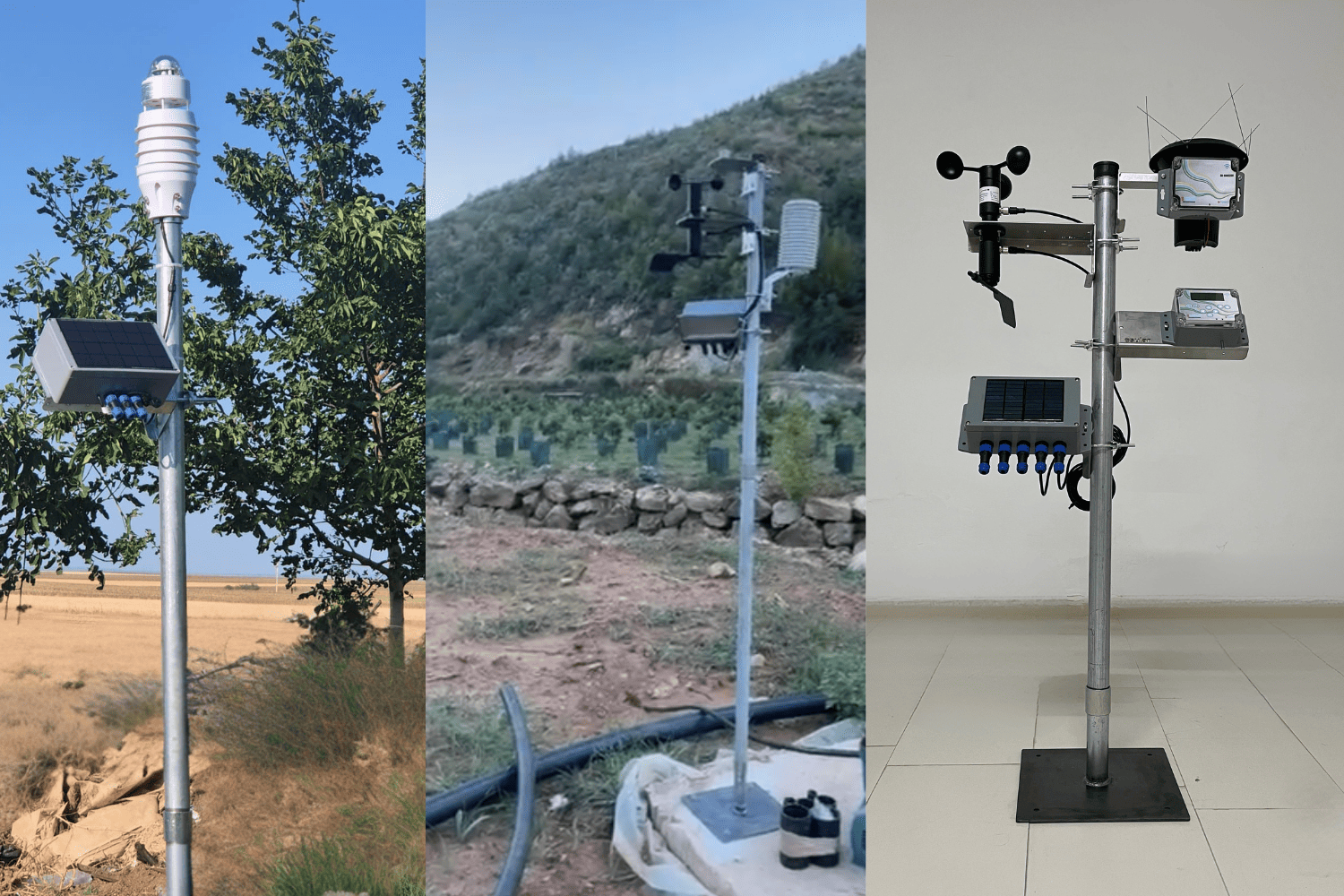
2. Agricultural Maxi Climate Station
Representing the highest level of precision agriculture, this model has the full sensor set required for the most complex analyses. It is designed for professional agricultural enterprises, research centers, and large-scale lands. It offers detailed micro-climate analysis and versatile decision support mechanisms with a wide range of sensors (solar radiation, wind, leaf wetness, soil moisture, etc.). These stations are indispensable for comprehensive precision agriculture technologies applications.
3. Independent Wind Measurement Systems
Developed for areas such as greenhouse automation and Solar Power Plants (SPP) where a complete climate station is not needed but wind parameters are critical. By independently measuring wind speed and direction, it ensures the safety of systems (for example; automatic closing of greenhouse windows in strong winds or moving SPP tracking systems to a safe position). These systems offer high accuracy in wind speed and direction measurement.
Advanced Sensor Technologies Used in Esular Climate Stations
At the heart of Esular climate stations are professional, calibrated sensors resistant to harsh outdoor conditions. Each sensor is specially selected to provide the most accurate data. These sensors form the basis of our smart climate sensor solutions.
Basic Meteorological Sensors and Technical Specifications
The main sensors used in Esular stations and their features are summarized in the table below:
Solar Radiation Sensor (Pyranometer) Details
In agricultural production, sunlight is the fuel for photosynthesis, the plant's factory. The professional pyranometers used by Esular measure not just the presence of light, but the amount of energy falling per unit area (Watt/m²). This data is critical for calculating plant development periods (GDD - Growing Degree Days) and determining irrigation needs most accurately with Evapotranspiration (ETo). High-quality pyranometers provide light intensity data critical for plant growth and development by recording total solar energy received throughout the day.
Precipitation Amount and Analysis Sensor
Working with a calibrated tipping bucket system, our precipitation sensor generates a signal every 0.2 mm of rain, recording the total amount of precipitation with millimetric precision. This data prevents unnecessary water use by ensuring irrigation programs are automatically stopped and helps determine the drainage need in the field. At the same time, it is used to evaluate the risk of soil erosion during periods of heavy rain and to take necessary measures. Precipitation data is also an important input in plant disease prediction models.
Soil Moisture Sensors: The Heart of Water Management
Soil moisture sensors working integrated with Esular agricultural meteorology stations measure the amount of water in the plant's root zone in real-time. These sensors show the movement of water within the soil and how accessible it is by the plant. Thanks to soil moisture data, exactly when and how much water the plant needs is determined, thus both water waste is prevented and optimum growth conditions are provided without the plant entering stress. To learn more about soil moisture sensors, you can look at our What is a Soil Moisture Sensor? article.
Ambient Temperature and Humidity Sensors
Air temperature and relative humidity are the most basic climate parameters that have a direct effect on plant physiology. Esular's high-precision temperature and humidity sensors instantly detect situations such as frost events, extreme heat waves, and drought risk. Additionally, they provide input to plant disease prediction models by determining whether high humidity conditions create a suitable environment for fungal diseases. In greenhouses, these sensors play a critical role in maintaining the ideal growth environment.
Leaf Wetness Sensor
The leaf wetness sensor measures the presence and duration of water on the plant surface. This data is a critical factor, especially for the development of fungal and bacterial diseases. Long-term leaf wetness increases the infection risk of many pathogens. Esular climate stations combine leaf wetness data with other climate parameters to send early warnings to farmers about disease risks and help them make precise spraying decisions.
CO2 Sensor (For Greenhouses)
Carbon dioxide (CO2) is a fundamental raw material for photosynthesis, and additional CO2 applications are common in greenhouses to accelerate plant growth. Esular's CO2 sensors continuously monitor carbon dioxide levels inside the greenhouse, ensuring optimum photosynthesis rates are maintained. By ensuring automatic CO2 supplementation at low CO2 levels or activating ventilation systems at high levels, it optimizes greenhouse climate control. In this way, plant productivity is increased while energy costs are reduced. You can learn more about the Importance of CO2 Monitoring in Greenhouses.
Revolution in Disease and Pest Management with Smart Climate Data
While disease and pest control in traditional agriculture is generally done with an observation-based and reactive approach, agricultural meteorology stations put this process on a proactive and scientific basis. Temperature, humidity, leaf wetness, and precipitation data coming from Esular climate stations feed mathematical risk models developed for specific plant diseases. These models send early warnings to farmers about potential disease outbreaks. For example:
- Downy Mildew and Powdery Mildew: High relative humidity and certain temperature ranges are ideal for the development of these fungal diseases. When sensors detect that these conditions have formed, they provide a warning, allowing the farmer to perform preventive spraying.
- Botrytis (Gray Mold): Especially in greenhouses, it is triggered by high humidity and insufficient ventilation. Climate stations can automatically activate ventilation systems when critical humidity thresholds are reached or send a notification to the farmer for manual intervention.
- Pest Insect Activity: The life cycle and reproduction rate of many pest insects depend on air temperature. Climate data helps predict when pest populations will increase, allowing for the development of targeted and timely control strategies.
This smart management minimizes chemical use while lowering spraying costs and reducing damage to the environment. Faculties of Agriculture and research institutes also support such data-driven approaches. For example, the publications of the Ministry of Agriculture and Forestry offer important information on this subject: Republic of Türkiye Ministry of Agriculture and Forestry.
Industrial Connectivity and Energy Independence: Uninterrupted Data Flow
Esular climate stations are designed to work even in the most remote agricultural lands. Our technologies, which reduce infrastructure requirements to zero, provide uninterrupted data flow and reliable performance. This forms the basis of our IoT agriculture monitoring solutions.
Wireless Communication Technologies (LoRaWAN, GSM/GPRS)
For data transmission in large areas and under difficult conditions, Esular uses reliable wireless communication technologies:
- LoRaWAN: Thanks to its low power consumption and long-range communication capability, it ensures that sensor data is transmitted to the center even from remote agricultural lands. This extends battery life and reduces maintenance costs.
- GSM/GPRS: Provides data transfer wherever cellular networks are available. It is ideal for applications requiring instantaneous and high-frequency data transmission. Remote control and notifications via the mobile application are possible thanks to this technology.
Solar Powered Operating Systems
Esular climate stations operate completely energy-independent thanks to integrated solar panels and high-capacity rechargeable batteries. This feature ensures that the stations collect uninterrupted data even in remote lands where there is no electricity infrastructure. These stations, which can work integrated with solar-powered irrigation systems, encourage sustainable energy use and significantly reduce operating costs. 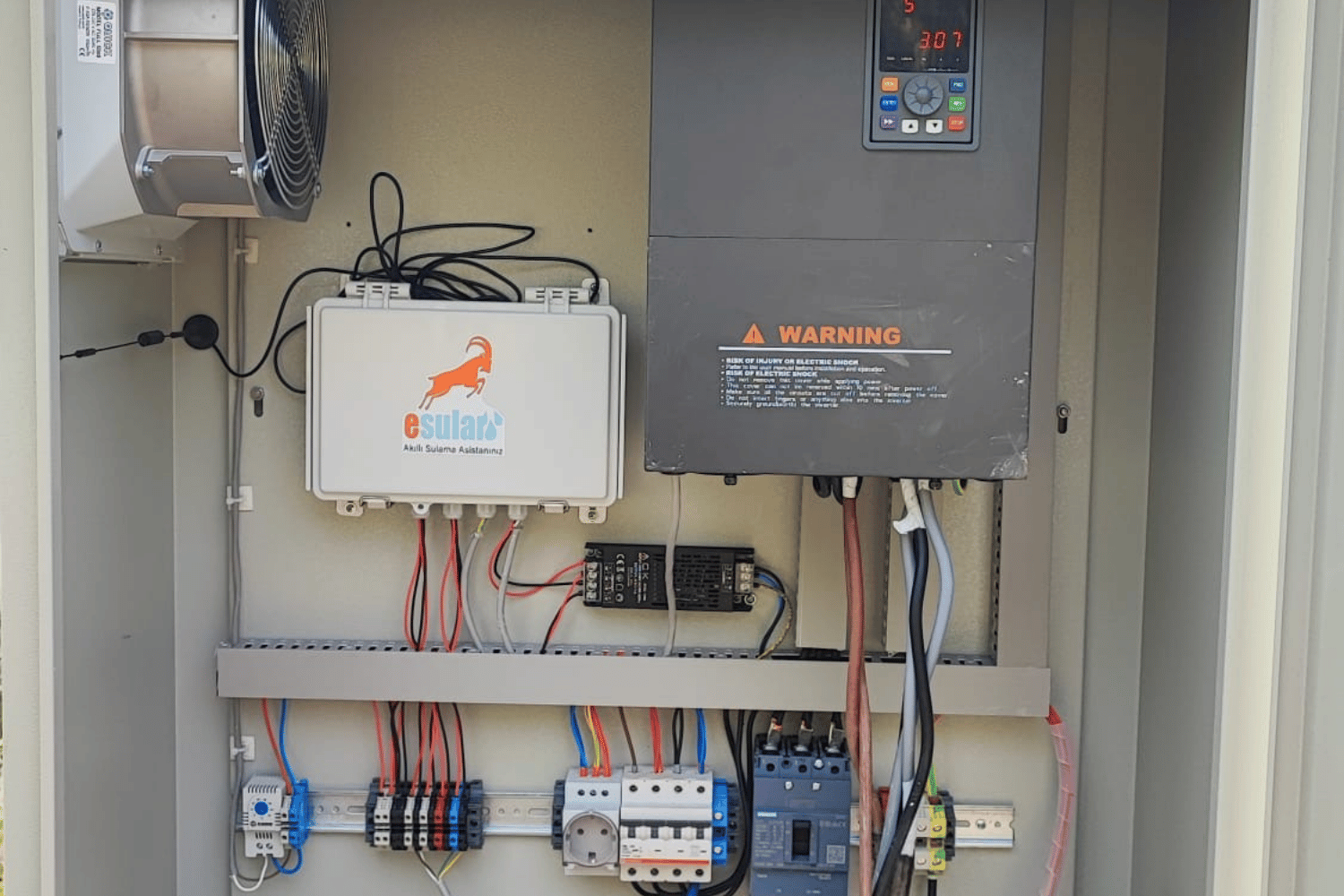
Wide Application Areas of Esular Climatic Sensor Solutions
Esular climatic sensor solutions create value not only in open fields but across a wide range and contribute to the spread of precision agriculture technologies:
Professional Greenhouse Cultivation and Greenhouse Automation
Managing the climate difference inside and outside the greenhouse is critical for plant health and lowering energy costs. Our greenhouse climate control systems can be fully automated with sensor data, such as opening and closing windows automatically according to outdoor wind speed and direction, and activating the fogging system according to the indoor humidity rate. This automation optimizes energy consumption and reduces labor costs while providing ideal growth conditions. For detailed information, you can examine our Greenhouse Automation Guide article.
Solar Power Plants (SPP) and Efficiency Tracking
Energy production performance in solar fields is directly related to solar radiation and panel temperature. Esular sensors provide the meteorological data needed to perform efficiency analysis (Performance Ratio) in SPP sites. It also prevents potential damage by ensuring tracking systems (trackers) move to a safe position in cases of excessive wind. This integration contributes to the safer and more efficient operation of SPPs.
Phenological Monitoring in Orchards and Viticulture
Temperature sum data (GDD) are used for monitoring frost risk, tracking the phenological stages of plants, and predicting harvest time according to sugar content (Brix). Esular brings this data right to the farmer's pocket. In this way, fruit quality and yield are increased while harvest losses are minimized. Especially in viticulture, accurate climate data can directly affect wine quality.
Smart Water Consumption in Landscapes and Golf Courses
Irrigating large green areas can incur high costs. Our Esular climate stations lower water bills while maintaining the aesthetic appearance by ensuring only the needed areas are irrigated in the needed amount in these areas. This offers an eco-friendly and economical solution with smart landscape irrigation applications. 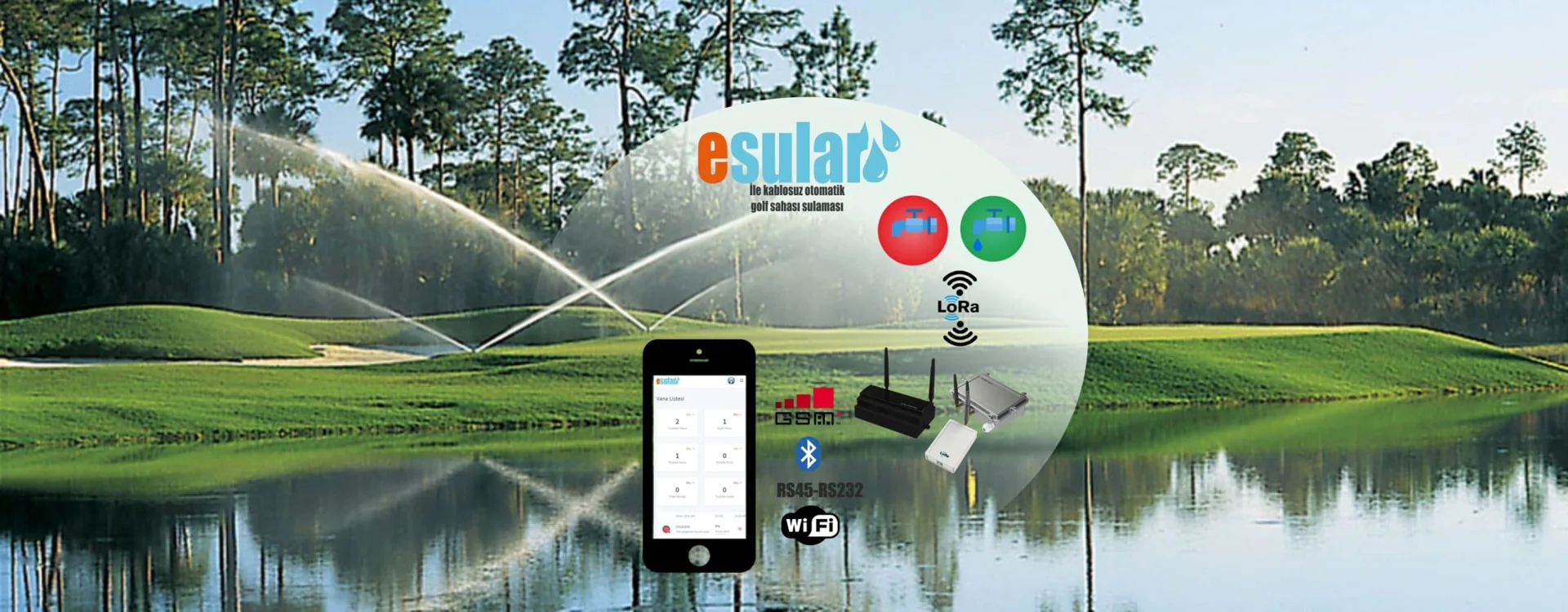
Large-Scale Agricultural Lands and Pivot Irrigation Optimization
Pivot irrigation systems used in large-scale agricultural lands can be made much more efficient with accurate climate data. Esular climate stations continuously monitor the micro-climate in the pivot area, optimizing the irrigation amount and timing. This increases water and energy savings by providing pivot irrigation optimization. For detailed information, you can visit our Pivot Irrigation Management System page.
Esular Mobile and Web Application: Data-Driven Decision Mechanisms
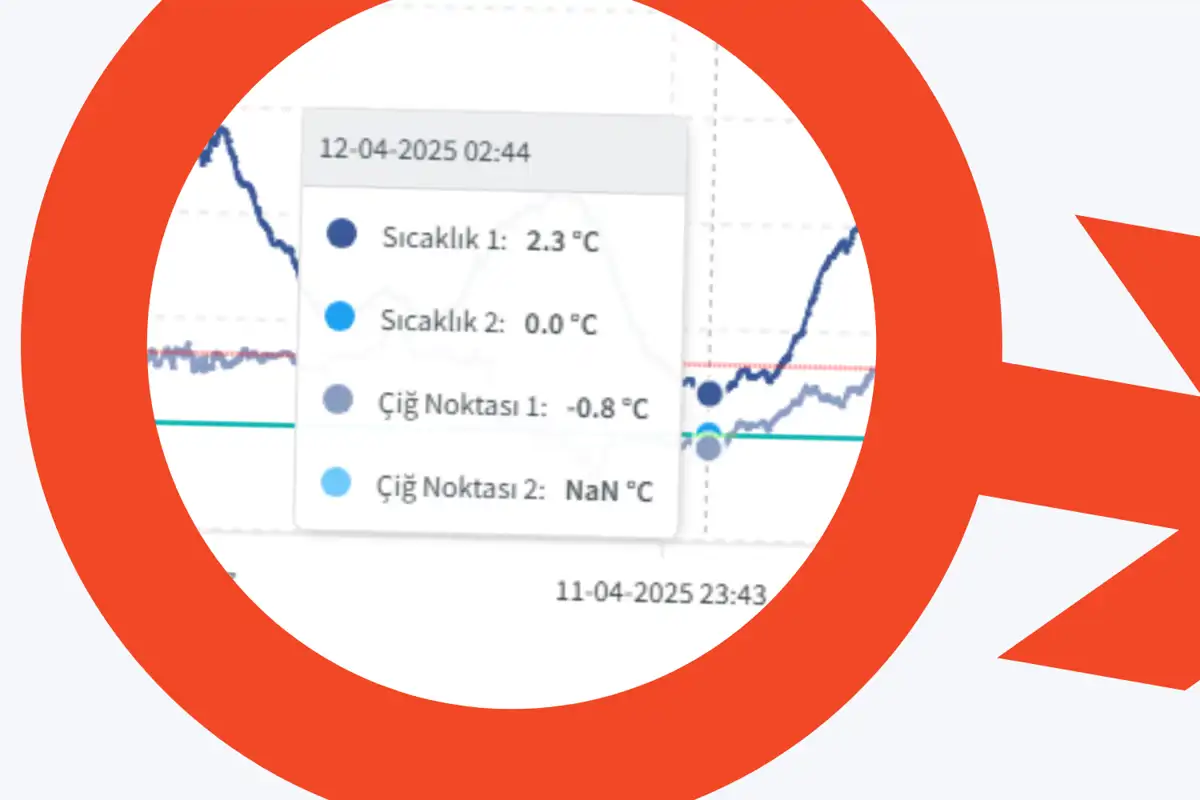
Data is valuable only when analyzed. Esular's user-friendly interfaces transform complex meteorological data into understandable graphs. Through our Android and iOS compatible applications, farmers can instantly access all data coming from their stations, perform retrospective analyses, and view forecasts for the future.
- Instant Data Access: Real-time tracking of all sensor data such as air temperature, humidity, wind speed, precipitation, soil moisture.
- Historical Data Analysis: Making long-term plans by examining climatic trends on a seasonal or annual basis.
- Customizable Notifications: Receiving instant mobile notifications when critical thresholds such as frost, extreme heat, and disease risk are reached.
- Remote Control: Remotely managing smart irrigation valves or greenhouse ventilation systems.
- Decision Support Tools: Automatic calculation of agricultural indices such as Evapotranspiration (ETo), GDD (Growing Degree Days).
Prepare for the Future of Agriculture with Esular Today: Productivity and Sustainability
Climatic sensor solutions and agricultural meteorology stations are not a luxury for modern agricultural enterprises, but a necessity to maintain competitiveness and ensure sustainability. The local and national technology solutions we offer as Esular aim to increase our farmers' earnings while reducing their risks. With our Agricultural Maxi and Mini climate stations, high-precision sensors, and cloud-based software support, we help you understand the language of your soil and crop.
Why Should You Choose Esular Climate Stations?
- High Precision: Collects the most accurate data with professionally calibrated sensors.
- Energy Independence: Works uninterruptedly with solar energy and battery support.
- Comprehensive Data Analysis: Automatically calculates critical agricultural indices such as ETo, GDD, and disease risk.
- Early Warning Systems: Offers instant notifications against frost, heat stress, and disease risks.
- Remote Management: All control is at your fingertips through the mobile and web application.
- Water and Energy Saving: Uses resources efficiently with precision irrigation and climate control.
- Local and National Technology: Reliable solutions developed by Esular engineers.
To provide water savings, be protected from frost risk, and fight diseases with scientific methods, meet Esular smart agricultural technologies. To take your place in the digitalizing world of agriculture and get detailed information about solutions special for your enterprise, you can contact us or explore our smart farming systems page.
Esular: The Power of Data in Agriculture, The Guarantee of the Future.