What Are the Agricultural Products Grown in the Aegean Region?
The Aegean Region stands out as one of the regions with the highest agricultural potential in Turkey. With its rich soils, climate, and geographical location, it plays an important role in agricultural production. The agricultural activities carried out in this region both add vitality to the local economy and constitute a significant portion of agricultural production throughout the country. The Aegean Region hosts a wide range of products. Many agricultural products such as olives, grapes, figs, citrus fruits, vegetables, and cereals are grown in this region. Agriculture in this region is in a transition process from traditional methods to modern agricultural practices. Farmers are taking steps to develop irrigation systems, improve fertilization techniques, and use digital agricultural technologies to increase efficiency. In this way, product quality and quantity are increasing, the income level of farmers is rising, and stability in agricultural production is being ensured.
Aegean Region Climate and Soil Structure
The Aegean Section is the region extending along the coast where the Mediterranean climate prevails. In this section, summers are hot and dry, while winters are mild and rainy. This climate is extremely suitable for growing Mediterranean plants such as olives, grapes, figs, and citrus fruits. Especially the provinces of Aydın, İzmir, Manisa, and Muğla are regions where such products are intensively grown. The proximity to the Aegean Sea prevents temperatures from rising or falling excessively due to the sea effect, providing a stable environment for agricultural production. In terms of soil structure, the Aegean Section has various soil types such as alluvial soils, calcareous soils, and red soils. Alluvial soils are found especially in river deltas such as Gediz, Büyük Menderes, and Küçük Menderes and are extremely fertile. These soils are suitable for cotton, corn, vegetable, and fruit production. Calcareous soils, on the other hand, are ideal for olive groves and vineyards.
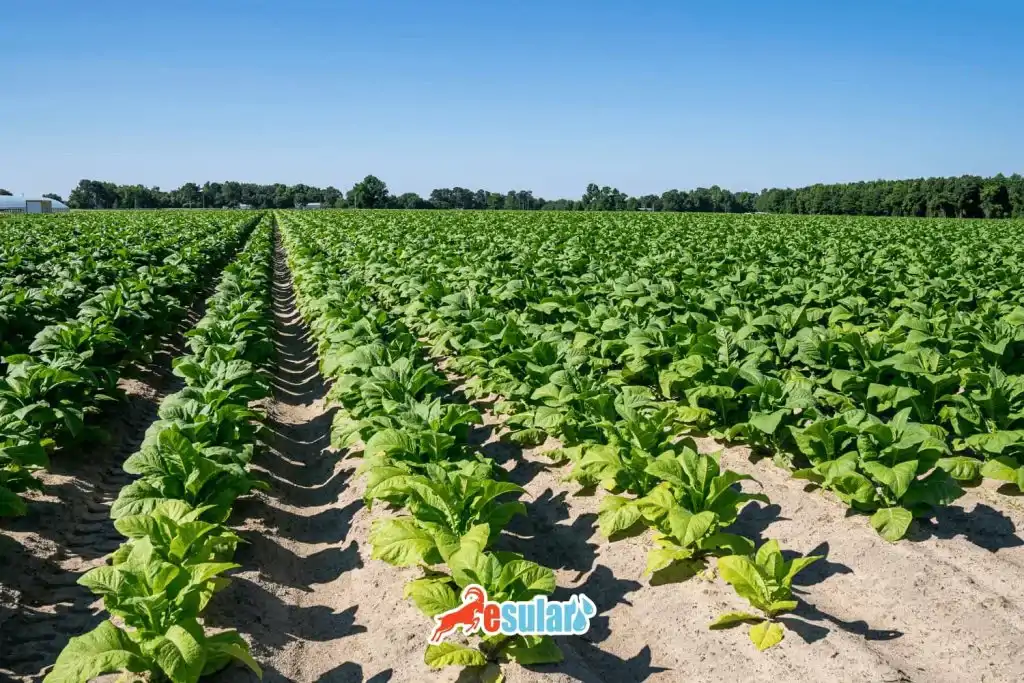
Inner West Anatolia Section: Inner West Anatolia is located in the east of the Aegean Region and has a more continental climate. Here, summers are hot and dry, while winters are cold and snowy. Since it is far from the sea effect, temperature differences are more distinct. This section includes provinces such as Afyonkarahisar, Uşak, and Kütahya. The soil structure generally consists of brown steppe soils and calcareous soils. Brown steppe soils are suitable for grain farming, and products such as wheat and barley are commonly grown in these soils. Calcareous soils are favorable for viticulture and tobacco farming.
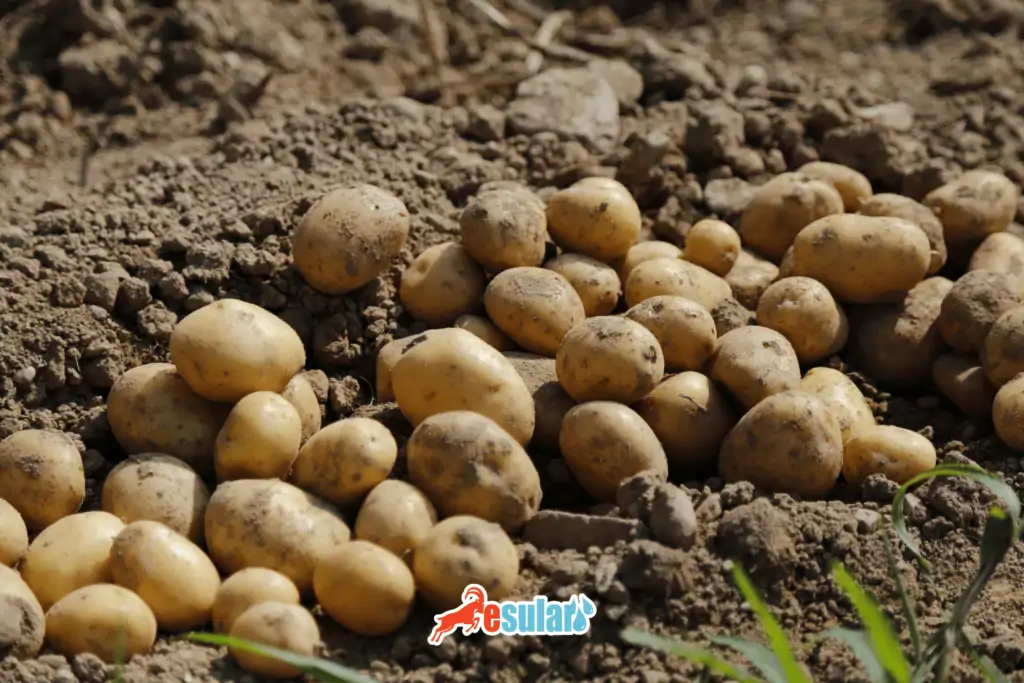
The Aegean Region is generally a very suitable region for agriculture. The diversity of climate and soil structure allows for the cultivation of a wide range of agricultural products in the region. While the mild climate and fertile soils in the coastal region enable the cultivation of products such as olives, grapes, potatoes, figs, and citrus fruits, the continental climate and steppe soils in the interior are ideal for grains, tobacco, and viticulture. This diversity ensures that the Aegean Region is an important center for Turkey's agricultural production.
Agricultural Areas Located in the Aegean Region
The Aegean Region has an important role in Turkey's agricultural production. Large and fertile agricultural lands contribute greatly to the region's economy. The areas where agriculture is intensively practiced are as follows;
Gediz Basin and Menemen Plain: The Gediz Basin, irrigated by the Gediz River, is one of the most fertile agricultural regions of the Aegean Region. The Menemen Plain is quite important in terms of agriculture with the irrigation facilities of the Gediz River. Grape cultivation is particularly common in this region. Additionally, agricultural products such as tomatoes, cotton, corn, and wheat are also grown.
Bakırçay Basin and Bergama Plain: The Bergama Plain, irrigated by the waters of the Bakırçay River, is an important area for olive and grain cultivation. In this region, grapes, cotton, figs, and vegetables are also grown.
Büyük Menderes Basin: This basin, irrigated by the waters of the Büyük Menderes River, is one of the largest agricultural basins in the Aegean Region. Agriculture is practiced intensively, especially in some districts of Aydın, Denizli, and İzmir. Many agricultural products such as cotton, wheat, corn, grapes, citrus fruits, vegetables, and olives are grown in this region. Cotton farming is particularly important, and the region is one of Turkey's significant cotton production centers.
Küçük Menderes Basin and Selçuk Plain: This basin, irrigated by the Küçük Menderes River, is one of İzmir's important regions in terms of agriculture. The Selçuk Plain has extremely fertile soil for agriculture. Grapes, cotton, olives, vegetables, fruits, and industrial crops are grown in this region. Grape cultivation is particularly noteworthy and constitutes an important source for wine production.
Edremit Plain: Located between Mount Ida (Kazdağı) and Madra Mountain, this plain has ideal conditions for olive cultivation. The Edremit Plain is one of Turkey's important centers for olive and olive oil production.
Since the agricultural areas of the Aegean Region generally have a Mediterranean climate, they have ideal conditions for growing agricultural products suitable for the Mediterranean climate such as olives, grapes, cotton, wheat, and corn. In addition, the presence of irrigation facilities contributes greatly to the development of agriculture. These regions play an important role in Turkey's agricultural production and contribute greatly to the region's economy and culture.
Vegetable Growing in the Aegean Region
The Aegean Region, as one of Turkey's most fertile agricultural regions, also plays an important role in vegetable production. Generally having a Mediterranean climate, the Aegean has suitable conditions for vegetable cultivation. Here is a general overview of vegetable growing in the Aegean Region:
1. Vegetable Growing Areas and Products: Vegetable cultivation in the Aegean Region is generally concentrated in plains and fertile soils. Especially in provinces such as İzmir, Manisa, Aydın, and Muğla, vegetable production is an important economic activity. The following vegetables are generally grown in these regions:
Tomato
Cucumber
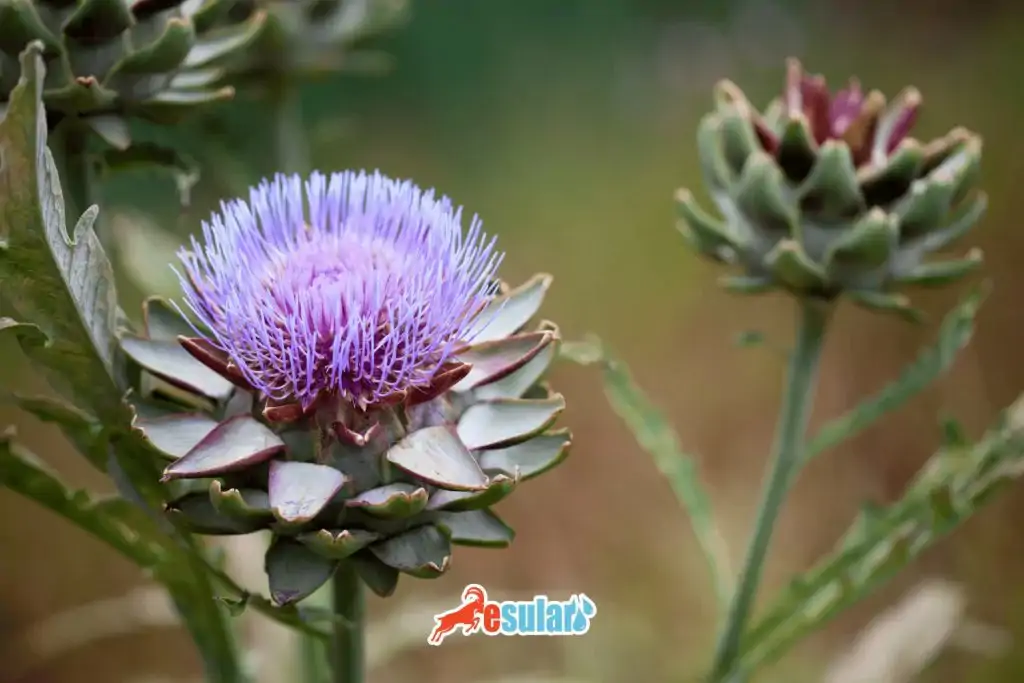
Artichoke
Pepper (pointed pepper, bell pepper, capia pepper)
Eggplant
Lettuce
Zucchini
Leek
Dill
Parsley
Beans
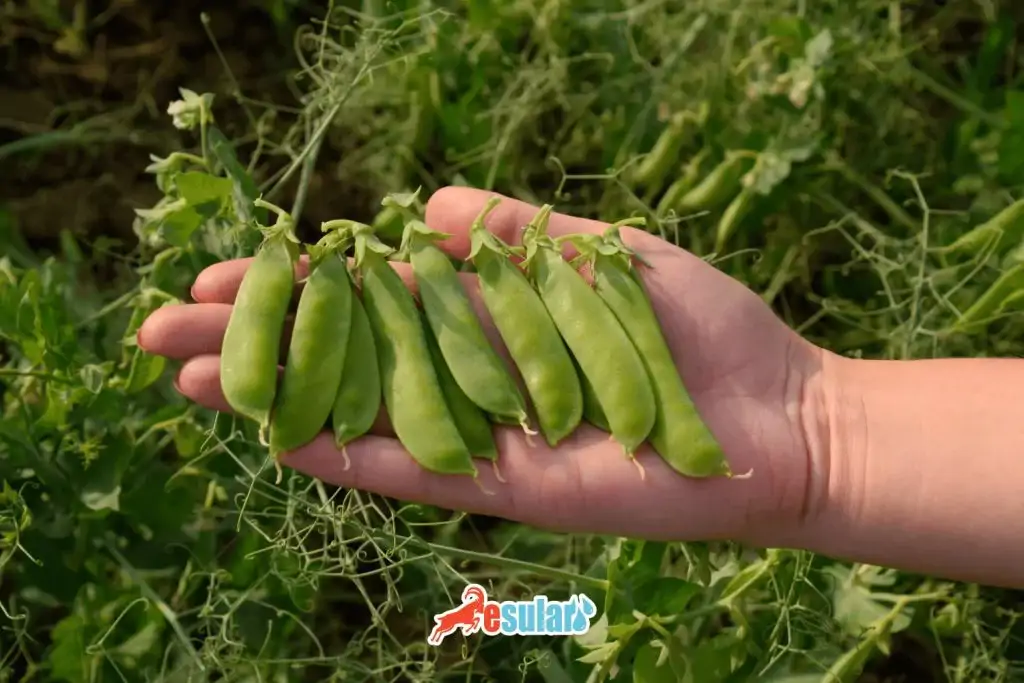
Peas
2. Cultivation Methods: Vegetable growing in the Aegean Region is generally done with open farming methods. Vegetables are usually grown in the soil or in a greenhouse environment. Especially greenhouse cultivation allows for vegetable production out of season and increases the quality of the products. Modern irrigation systems and fertilization techniques are used to increase efficiency. Organic farming is also becoming increasingly popular, and some farmers practice organic vegetable growing.
Vegetable production in the Aegean Region makes significant contributions to both the local economy and the national economy. These vegetables are both consumed in the domestic market and exported. Especially vegetables such as tomatoes, cucumbers, and peppers are products in demand in national and international markets. The agricultural products of the Aegean also contribute positively to Turkey's foreign trade balance.
Fruit Growing in the Aegean Region
The Aegean Region is one of Turkey's important agricultural regions famous for its fruit orchards. Thanks to its climate, soil structure, and geographical location, it allows for the cultivation of various fruits. These fruits are both consumed in the domestic market and contribute to the country's economy through exports. Here is a detailed explanation of fruit growing in the Aegean Region:
1. Agricultural Areas and Fruits Grown: Agriculture in the Aegean Region is generally concentrated in plains and fertile soils. Especially in provinces such as Aydın, İzmir, Manisa, Muğla, and Denizli, fruit production is an important economic activity. In these regions, the following fruits are generally grown intensively:
Olive: The olive groves of the Aegean are one of Turkey's most important olive production regions. Especially in Aydın, İzmir, and Manisa, olives are grown in abundance.
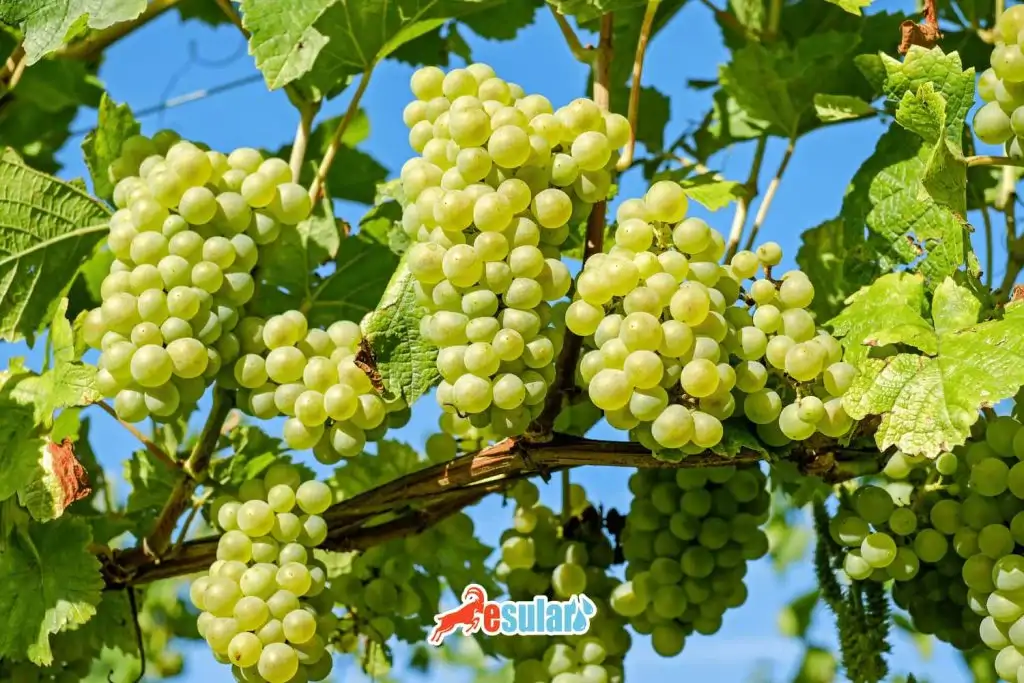
Grape (Table and Wine Grape): The Aegean Region is an important region where various grapes are grown. Both table and wine grape cultivation is carried out.
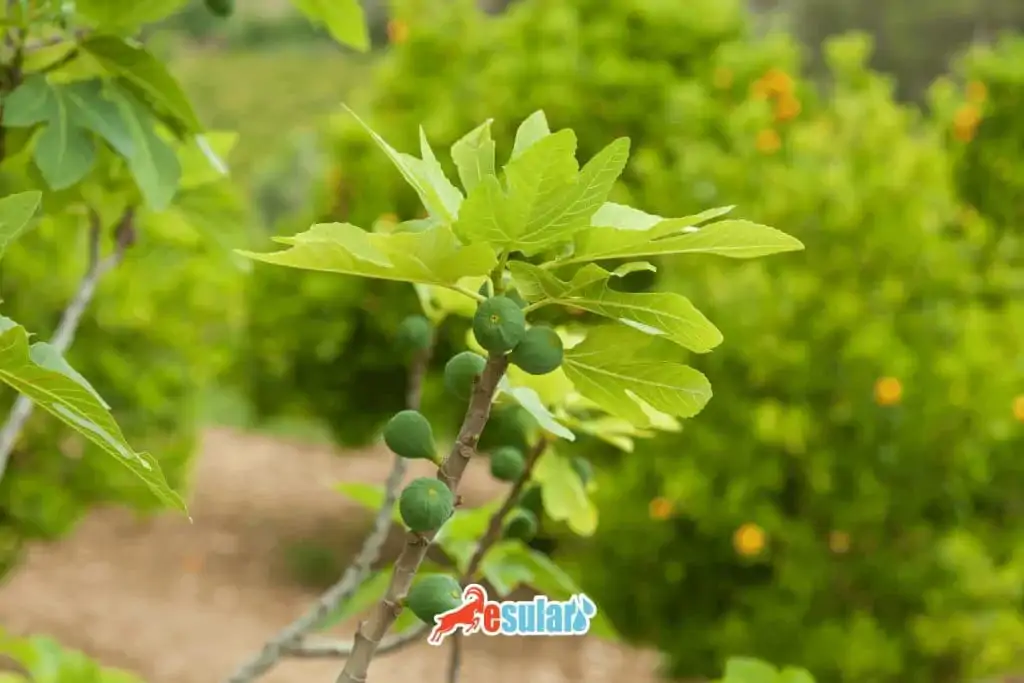
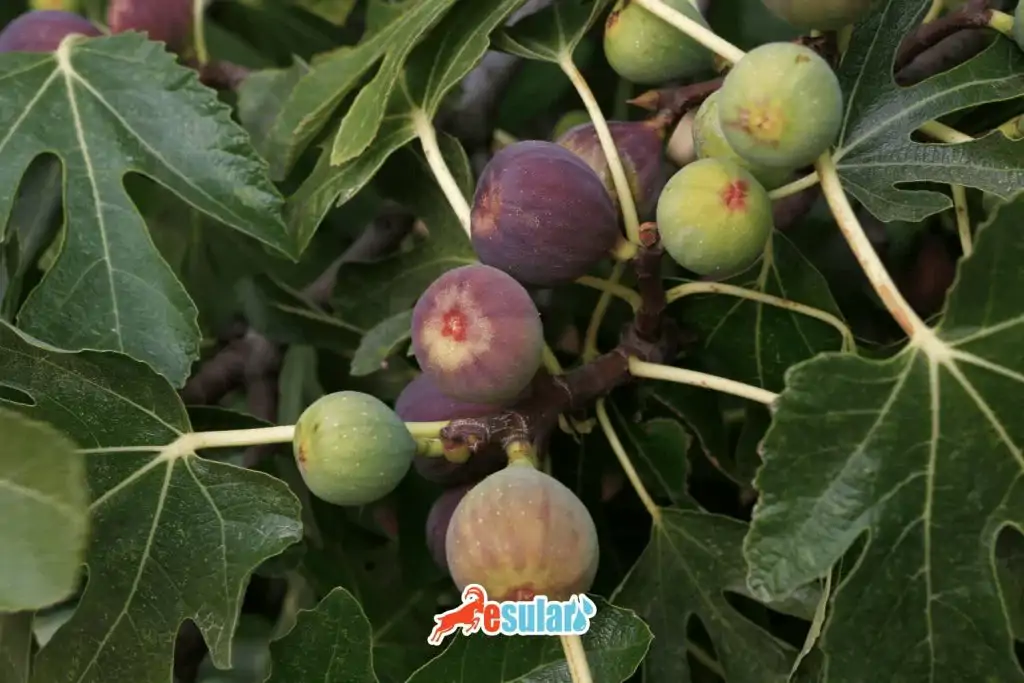
Fig: The warm climate of the Aegean allows figs to grow in abundance. Especially around Aydın and İzmir, there are fig orchards.
Pomegranate: Pomegranate production is quite common in the Aegean Region. Pomegranate is consumed both fresh and used in making products such as molasses and pomegranate sour.
Lemon and Orange: The Aegean's Mediterranean climate offers ideal conditions for lemon and orange cultivation. Especially in Aydın and Muğla, there are lemon and orange orchards.
Mandarin: The Aegean is an important region for citrus cultivation. Especially in and around İzmir, there are mandarin orchards.
Peach: Growing in abundance during the summer months, peach is one of the important fruits of the Aegean Region. There are peach orchards in İzmir, Manisa, and Aydın.
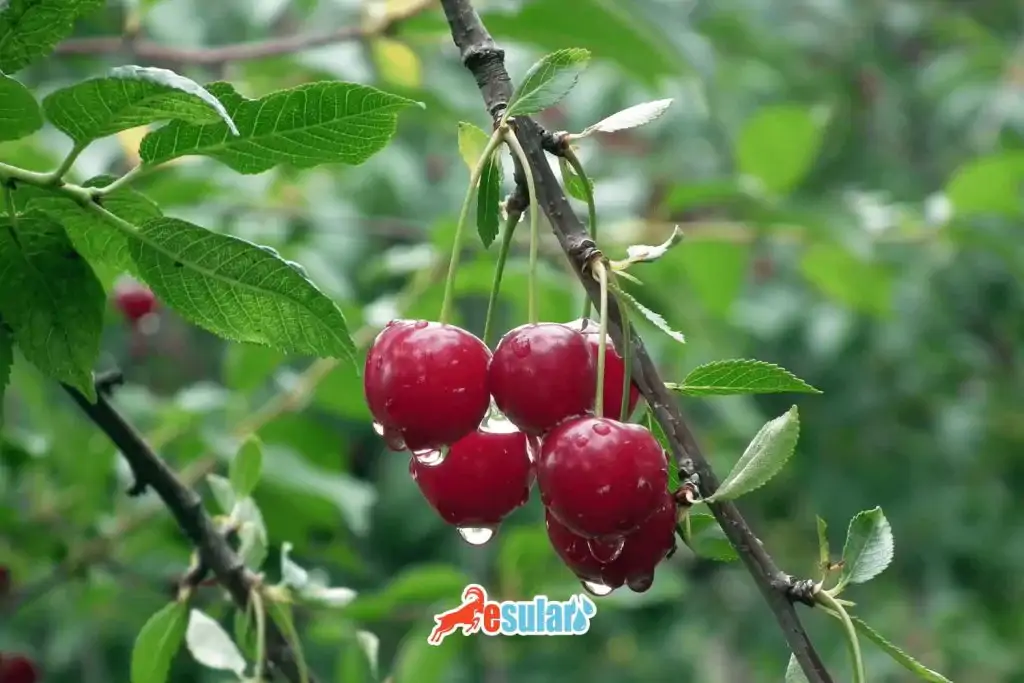
Cherry: Cherry cultivation is carried out in the mountainous regions of the Aegean. Especially Afyon and the Şehzadeler district of Manisa lead in cherry production.
Fruits grown in the Aegean Region contribute significantly to Turkey's domestic and foreign markets. These fruits are consumed fresh in the domestic market and exported. Especially products such as olives, grapes, figs, citrus fruits, and pomegranates contribute positively to Turkey's foreign trade balance. In addition, fruit production increases the employment and income-generating capacity of the agricultural sector and contributes significantly to the economic development of the region.