What are the Agricultural Products Grown in the Mediterranean Region?
The Mediterranean Region is one of Turkey’s richest regions in terms of agriculture and provides significant contributions to the country’s economy. The Mediterranean climate of the region, with its hot and dry summers and mild winters, offers an ideal environment for agriculture. These natural conditions are especially suitable for citrus cultivation, and citrus species such as lemons, oranges, and mandarins are produced in large areas in our provinces like Antalya, Mersin, and Adana. Additionally, olive and olive oil production is one of the economic cornerstones of the region. Cotton and tobacco production are also important agricultural activities in the region. Cotton cultivation is carried out in our provinces like Adana, Hatay, and Mersin, providing a significant input to the cotton industry. Tobacco is produced especially in regions like Antalya and Muğla, and this production provides raw materials for the cigarette industry.
Vegetable and fruit cultivation also forms an important part of the Mediterranean Region’s agricultural diversity. Vegetables such as tomatoes, peppers, and eggplants, as well as fruits like grapes, figs, and pomegranates, are produced in large areas. These products are both consumed in the domestic market and provide great income through exports. In addition to local farmers, large agricultural enterprises increase the productivity of these products with modern agricultural techniques, thus continuously raising the region’s agricultural production potential. This diversity and productivity in the Mediterranean Region’s agricultural production reinforce Turkey’s strategic importance in the agricultural sector. Additionally, the natural and fresh nature of agricultural products provides a great advantage in the tourism sector.
Mediterranean Region Climate and Soil Structure
The Mediterranean Region is a geographical region located in the south of Turkey and characterized by the Mediterranean climate. The region's climate generally manifests as hot and dry summers and mild and rainy winters. The number of sunny days in the summer months is quite high, which provides an ideal environment for agricultural production. In terms of soil structure, the Mediterranean Region shows wide diversity. Calcareous and fertile soils generally dominate the inner parts. These soils are extremely suitable for agricultural production, and in these regions, cereals such as wheat and barley, as well as grape, vegetable, and fruit cultivation, are carried out.
Clayey and sandy soils are more common in coastal areas. Especially coastal plains have a deep and fertile soil structure. These regions offer ideal conditions for tree cultivation like olives and fruit cultivation like citrus. Sandy and clayey soils play an important role in the development of the root system for olive trees; this also applies to citrus cultivation. The agricultural potential of the Mediterranean Region is strengthened by the suitability of its climate and soil structure. These features have ensured that the region plays an important role in the agricultural sector, forming an important production center throughout the country, especially for products like olives and citrus.
Greenhouse Farming in the Mediterranean Region
The Mediterranean Region is one of the regions that play an important role in Turkey’s agricultural production. Especially greenhouse farming has shown great development with the advantages of the region’s climate and soil structure. Greenhouse farming is widely practiced in the Mediterranean Region, especially along the coastline and in the inner parts. The region's climate, with summers full of hot and sunny days and mild and rainy winters, offers ideal conditions for greenhouse farming. In this way, it is possible to grow various vegetables and fruits in greenhouses throughout the year. Among the most commonly grown products in greenhouse farming are vegetables such as tomatoes, cucumbers, peppers, eggplants, and lettuce, as well as fruits like strawberries, grapes, and bananas. Especially high-yield and high-commercial-value products like tomatoes and cucumbers hold an important place in greenhouse farming. Additionally, strawberry cultivation is one of the successful examples in the region’s greenhouse farming area. Greenhouse farming provides significant contributions to the agricultural economy in the Mediterranean Region and is also an important source of local employment. The region's potential in this area solidifies its place in agricultural production and trade across the country.
Fruit Growing in the Mediterranean Region
The Mediterranean Region is one of Turkey’s most important regions in terms of fruit growing. The region's climate and soil structure allow for the successful cultivation of various fruit species. Especially along the coastline and in the inner parts, fruit growing is practiced intensively.
Olive: The Mediterranean Region meets a large part of Turkey’s olive production. Olive trees develop very well in the sandy and clayey soils of the region and play an important role in olive oil production.
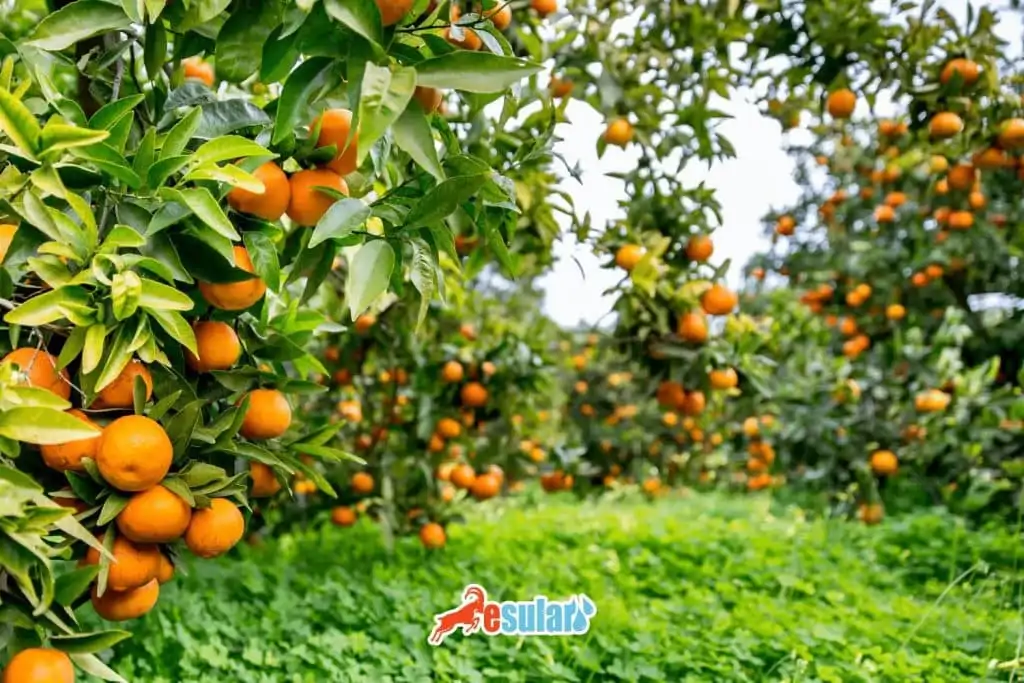
Citrus: Provinces such as Antalya, Mersin, and Adana provide a large part of Turkey’s citrus production. Citrus species such as lemons, oranges, and mandarins are successfully grown in the region's hot and humid climate.
Grape: Grape cultivation also holds an important place in the Mediterranean Region. The region's climate and soil structure are among the factors that increase grape quality.
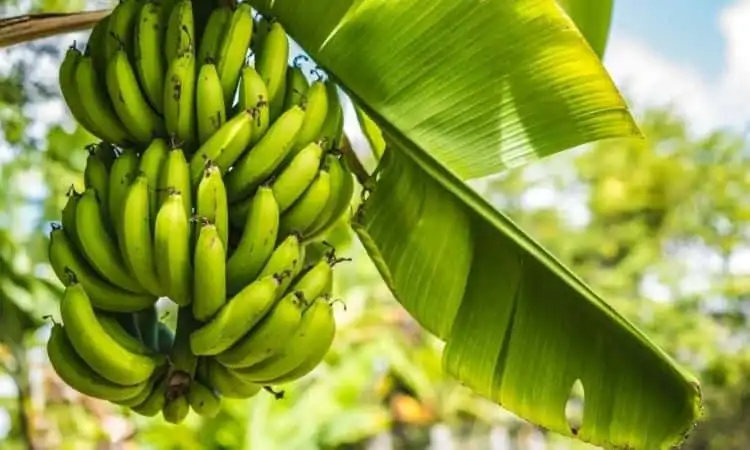
Banana: Provinces such as Antalya and Mersin are regions where banana production is intensive in Turkey. In these provinces, banana plantations are successfully operated by benefiting from hot and humid climate conditions.
Avocado: In recent years, avocado cultivation has also begun to develop in the Mediterranean Region. Avocado orchards are found especially in provinces like Antalya and Muğla.
Pineapple: Especially grown in greenhouse conditions, pineapple is one of the tropical fruits specially produced in the Mediterranean Region.
Papaya: Some greenhouse enterprises have started growing papaya in the Mediterranean Region. This fruit can be successful especially in hot and relatively humid climate conditions.
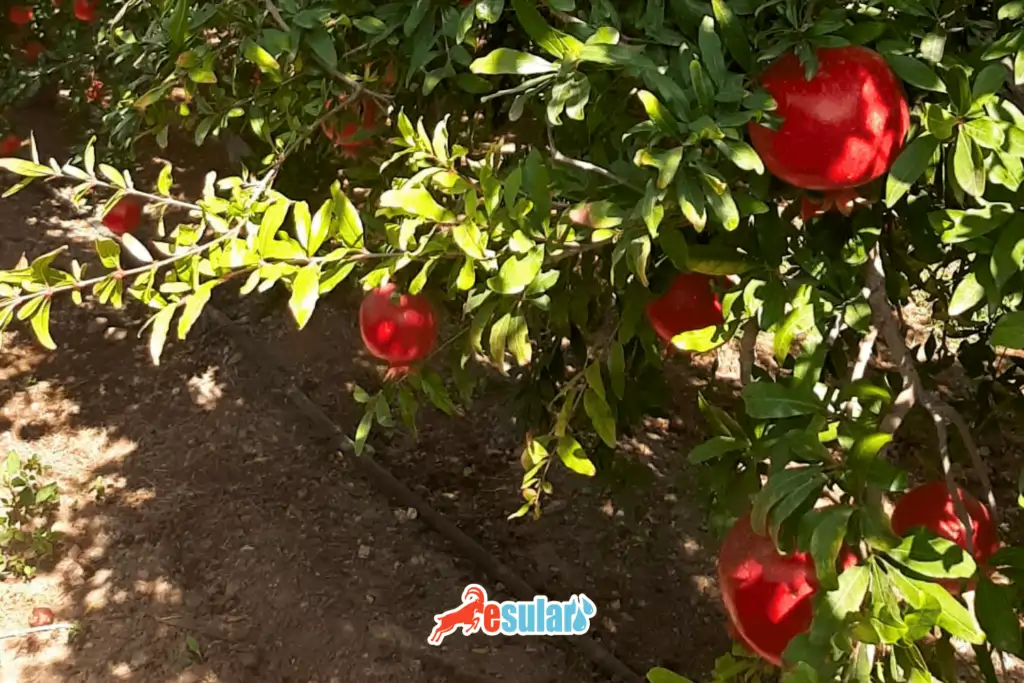
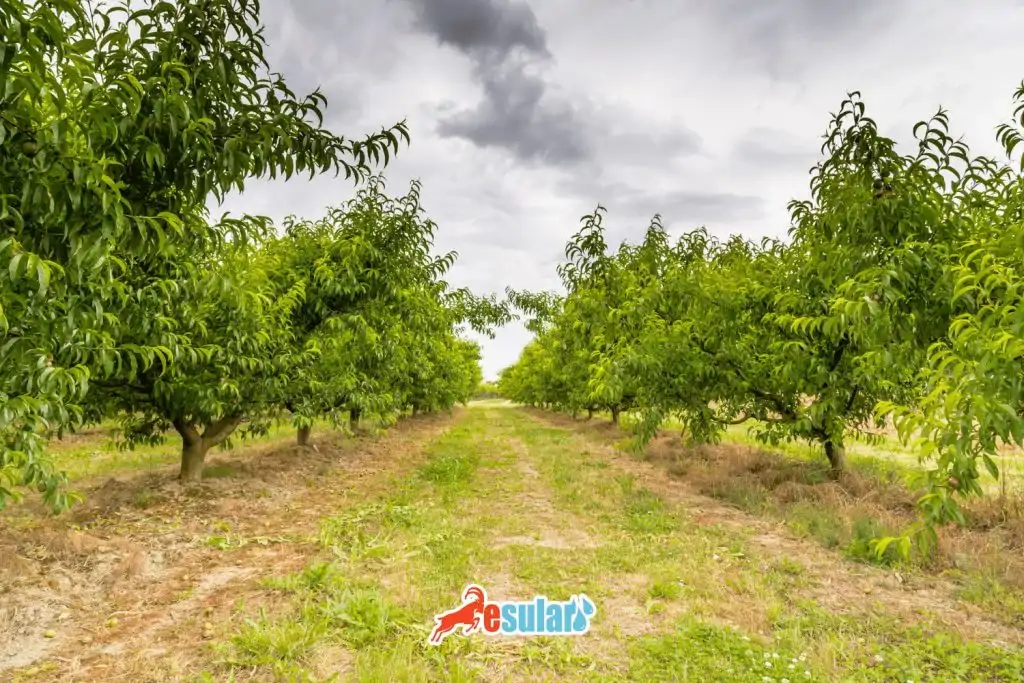
Other Fruits: Various fruits are also grown in the Mediterranean Region. Among these fruits, summer fruits such as peaches, pomegranates, figs, and melons hold an important place. These fruits are generally grown in different areas along the coastline and in the inner parts.
Fruit growing is an activity carried out by both commercial and small-scale family enterprises in the Mediterranean Region. The region's climate and soil structure are organized to provide a continuous supply of products throughout the year.
Vegetable Growing in the Mediterranean Region
The Mediterranean Region is one of Turkey’s important agricultural regions and stands out as an area where various vegetables are successfully grown. Detailed information about the general agricultural structure of the region and the vegetables grown is as follows:
Vegetables Grown:
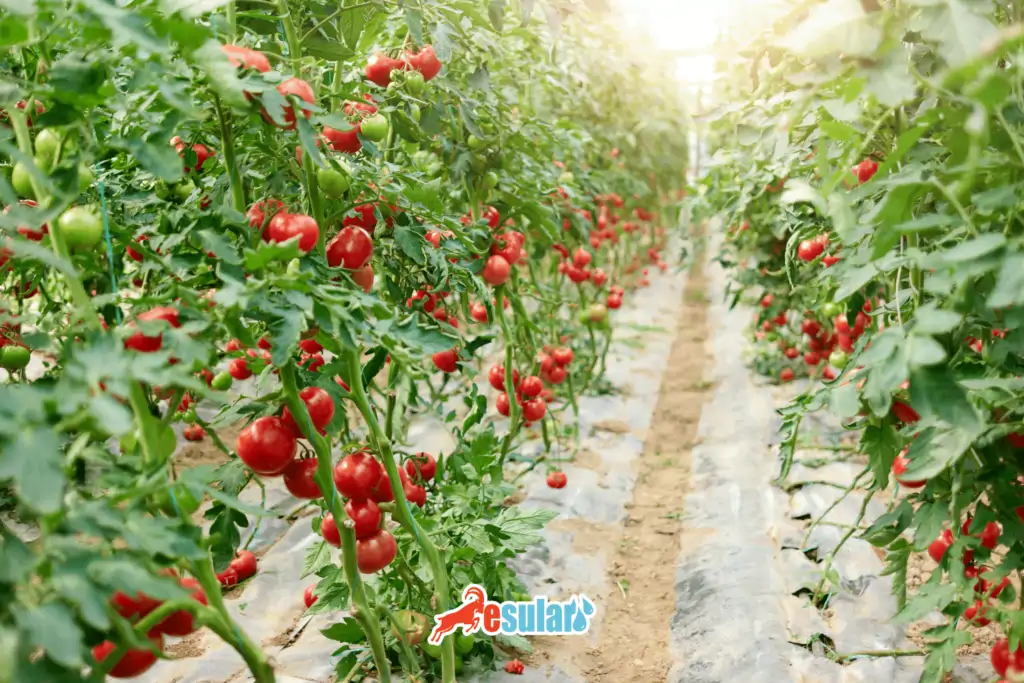
Tomato: The Mediterranean Region is one of the important tomato production centers in Turkey. It is grown in greenhouses or open fields. Soil preparation and fertilization are important factors affecting tomato yield.
Pepper: Various pepper species (pointed pepper, bell pepper, etc.) are widely grown in the region. They prefer sunny and well-drained soils.
Eggplant: Eggplants are generally grown in greenhouses or open fields. Well-drained, humic, and nutrient-rich soils are suitable for eggplant cultivation.
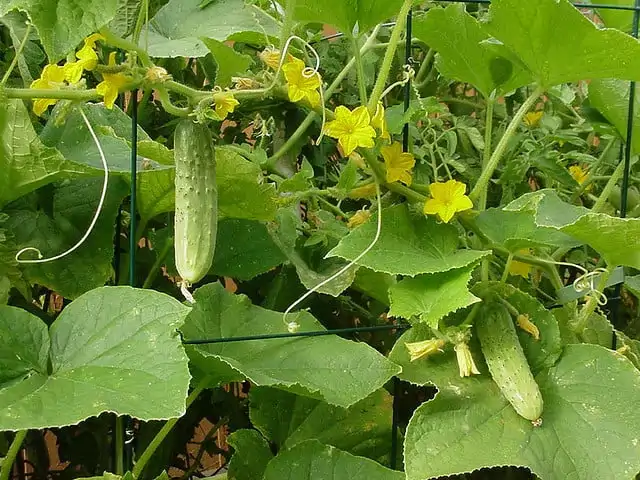
Cucumber: Cucumbers grown in greenhouses or open fields require regular irrigation and fertilization. Humid and well-drained soils are ideal.
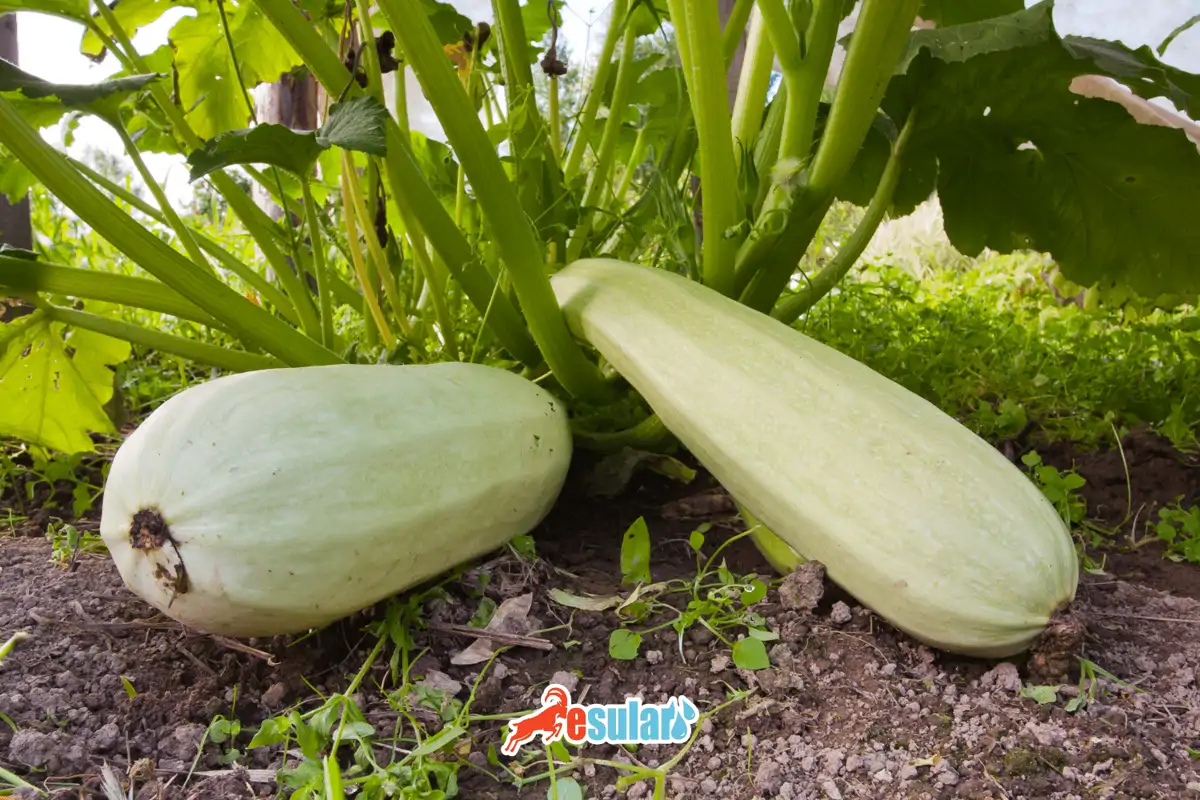
Zucchini: Zucchini are generally grown in open fields and show rapid growth. Well-drained soils rich in organic matter are important for zucchini cultivation.
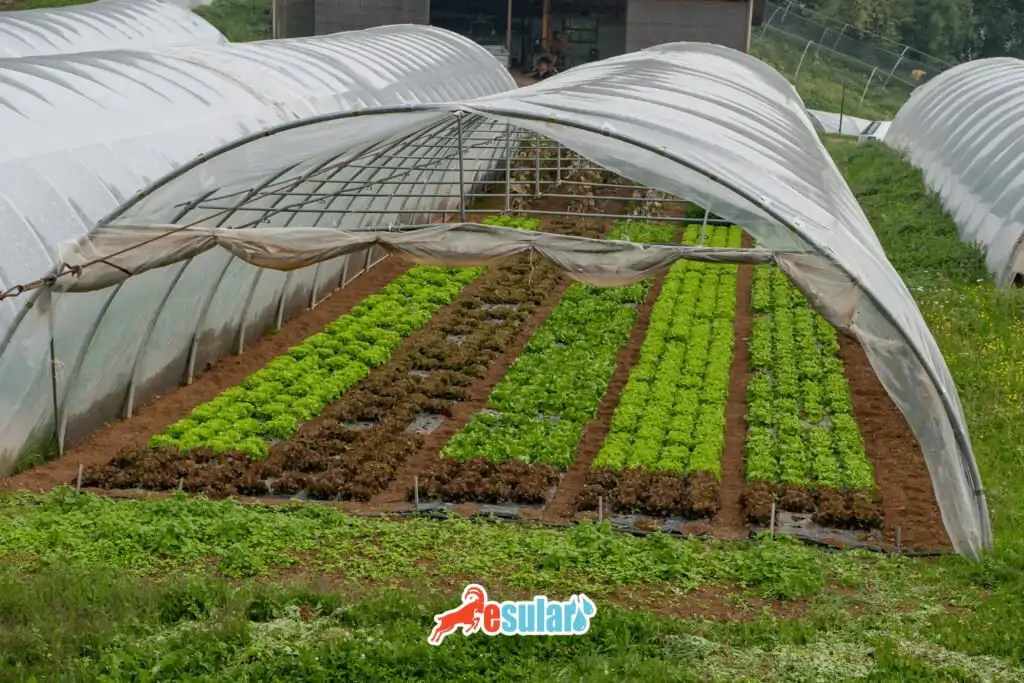
Lettuce: Like cucumbers, lettuce is also grown in greenhouses or open fields. Well-drained, humid, and nutrient-rich soils are ideal for lettuce cultivation.
Status of the Mediterranean Region in Vegetable Growing:
The Mediterranean Region is an important center for vegetable growing in Turkey. The region's hot and dry summers and mild winters provide a suitable climate for many vegetable species. Especially agriculture practiced in greenhouses enables production outside the season, which increases marketing continuity. Modern irrigation systems and the use of organic fertilizers increase productivity and ensure high-quality products. Agricultural production in the region both provides food security for local consumption and contributes significantly to the economy through exports. However, issues such as the efficient use of water resources and the sustainability of agricultural areas are important to manage. Modernizing agriculture throughout the region and providing technical support to farmers play a critical role in increasing productivity and quality in vegetable growing.