Agricultural technologies refer to various technological solutions used in the agricultural sector. These technologies aim to make agricultural processes more efficient, sustainable, and smart, and they provide more efficient production using fewer resources. While the purpose of some agricultural technologies is to simplify processes, some technologies enable more efficient production by reducing resource use. Additionally, thanks to these technologies, product loss and encountering surprises during the production process are eliminated.
As in every field, using technologies in the agricultural production process provides benefits in many aspects. The use and prevalence of agricultural technologies are increasing every day.
Some well-known and commonly used agricultural technologies;
Smart Irrigation Systems: Systems that determine irrigation needs using soil moisture sensors and weather data.
Vertical Farming: An agricultural method involving the cultivation of plants in a vertical arrangement, stacked or in tall structures.
Precision Farming: Managing agricultural areas more effectively using technologies such as GPS, drones, and sensors.
Agricultural Robots: Robots used for automated soil tillage, planting, irrigation, and harvesting.
UAVs (Unmanned Aerial Vehicles): Drones used for monitoring, mapping, and collecting data on agricultural lands.
Fertilizing and Spraying Robots: Robots that automatically apply fertilizer and pesticides.
Agricultural Data Analytics: Systems that extract meaningful information from agricultural data using big data analytics, machine learning, and artificial intelligence.
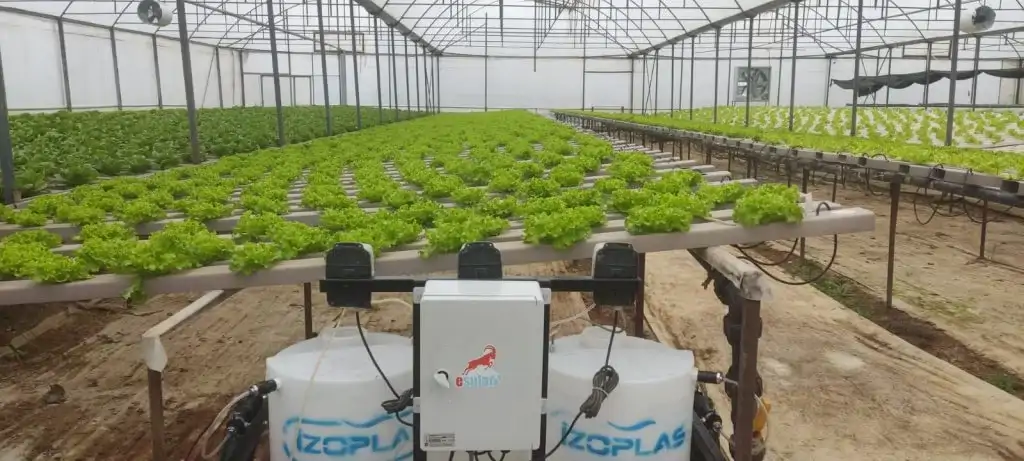
Greenhouse Technologies: Greenhouse systems supported by technologies such as smart greenhouse systems, climate control, automated irrigation, and energy management.
Agricultural Mobile Applications: Mobile applications that provide farmers with information such as weather conditions, market prices, and harvest timing.
Solar Energy: Renewable energy solutions that meet the energy needs of agricultural enterprises using solar panels.
Hybrid Seeds and Genetic Modification: Genetic modification technologies for developing high-yield and disease-resistant plants.
Smart Irrigation Systems
Smart irrigation systems are technological solutions developed to optimize water use and increase efficiency in agricultural areas. These systems include sensors and automation technologies that continuously monitor soil moisture, weather conditions, and plant water needs. Here are the key features of smart irrigation systems:
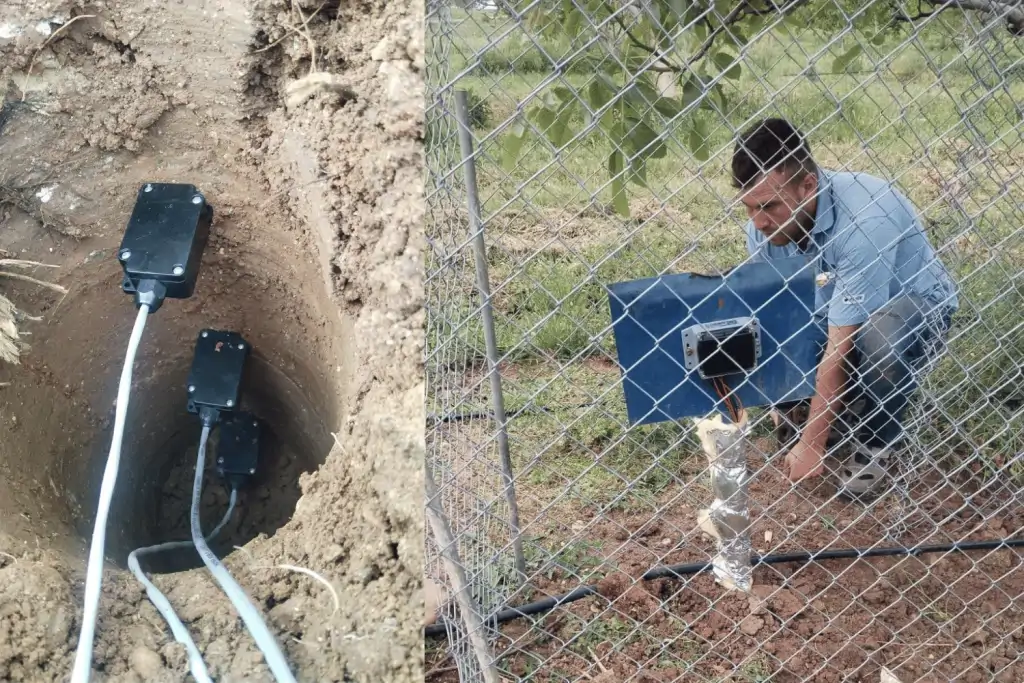
Soil Moisture Sensors: Sensors that continuously measure soil moisture levels in agricultural land. This data plays a crucial role in determining irrigation needs.
Weather Integration: Systems that evaluate factors such as precipitation forecast, temperature, and humidity using up-to-date weather data.
Automatic Irrigation Control: Automatic control of the irrigation system based on soil moisture and weather data. It provides water savings and reduces the risk of over-irrigation.
Mobile Application Integration: The ability to monitor and manage the system through mobile applications that provide farmers with remote access and control.
Drip Irrigation Systems: Integration of drip irrigation technologies that provide water directly to plants to minimize water loss.
Data Analytics: Analytical tools that analyze collected data and provide farmers with valuable information on topics such as water use, plant growth, and irrigation costs.
Energy Efficiency: The capacity to provide eco-friendly and economical solutions by optimizing the energy consumption of irrigation systems.
Security and Alarm Systems: Alarm systems that identify potential failures or water shortages in the system.
Multi-Sensor Integration: Integration of various sensors such as temperature, wind speed, and sunlight alongside soil moisture.
Smart irrigation systems help farmers manage water resources effectively, lower energy costs, and adopt more sustainable agricultural practices.
Vertical Farming
Vertical farming applications are being implemented and used in various places around the world. Vertical farming is an agricultural method involving the cultivation of plants in a vertical arrangement, stacked or in tall structures. This method offers an alternative to traditional agricultural methods by providing advantages such as limited land use, water savings, seasonal independence, and high efficiency. This allows for production with new agricultural models using this technique. As an innovative business idea, it offers opportunities for continuous and regular income through possibilities such as urban production and year-round continuous production.
You can obtain detailed information from our article below.