Asparagus cultivation is an endeavor that is receiving increasing interest in the agricultural sector. This special plant is in demand due to its rich nutritional content and positive effects on health. Asparagus grown with sustainable agricultural methods contributes to the farm ecosystem by increasing soil fertility. Offering various advantages to farmers with its high demand and economic return, asparagus cultivation can be successfully carried out with correct information, care, and management.
What is Asparagus?
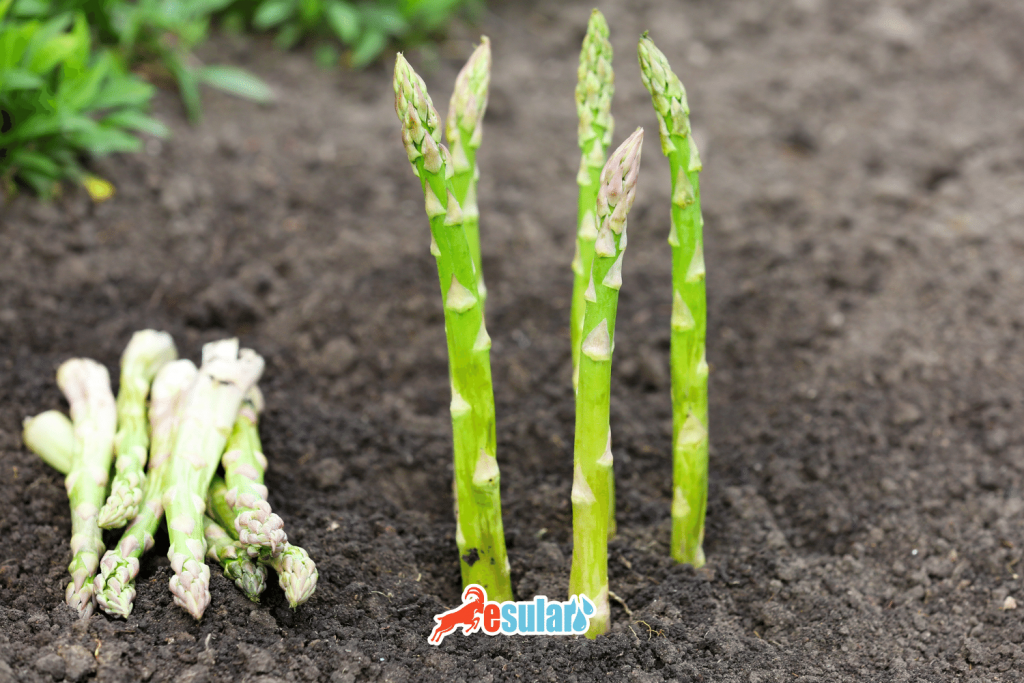
Asparagus is a low-calorie and delicious vegetable. It has a rich content in terms of fiber, antioxidants, vitamin C, and B vitamins. It supports digestive health, strengthens the immune system, and may support urinary tract health. At the same time, it can help with weight control with its low-calorie structure. The folic acid content of asparagus is especially important during pregnancy. Additionally, it contains components that support liver health. Although it is delicious and nutritious, it is recommended that individuals with different health conditions first consult with a health professional.
How to Grow Asparagus
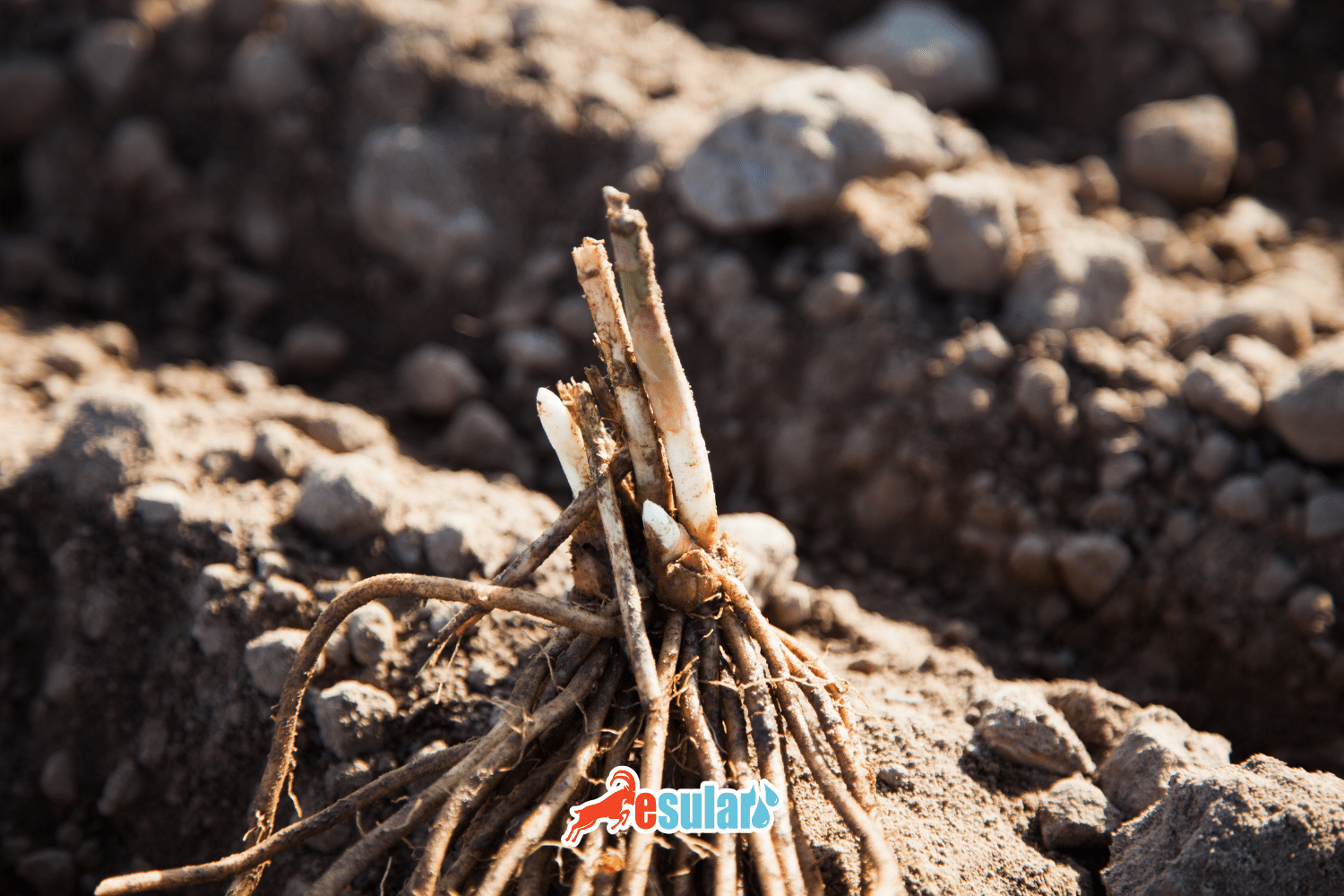
Seedlings obtained from the seeds of asparagus are named “crowns” and are grown with these seedlings. In asparagus cultivation, 50 square meters of cold frames correspond to each decare. These frames are sown in a 10x10 cm interval and in a square format. To prevent germination problems, the sowing process should be done at a depth of 2-3 cm. Asparagus seed should germinate for 3-4 weeks.
Planting trenches should be positioned by looking at the prevailing wind direction in the region. When trenches are dug in the direction of the prevailing wind, the plant will both receive enough air and be rid of excessive moisture. The planting of seedlings into the opened trenches should be carried out in the spring period when the weather starts to warm up. However, crowns that are late for planting can be taken from the roots and planted throughout the summer and even in the autumn.
Asparagus Farming (Asparagus)
Asparagus Farming is carried out in the Mediterranean, Aegean, and Marmara regions in our country. It is a perennial plant; it can be harvested for 15-20 years depending on maintenance conditions. Its consumption is increasing in the domestic and international markets. Its production is also increasing in our country.
The Importance of Soil in Asparagus Cultivation
Soil conditions are a very important factor in asparagus cultivation. The asparagus plant can easily grow in soils with a light character. The fertilization process to be applied to such soils can significantly increase the yield of the plant. However, growing it in heavy soils is riskier compared to light soils. 50 square meters of cold frames should correspond to each decare of area.
Asparagus sowing should be carried out at an average depth of 2-3 cm. The plant can easily adapt to different soil types. It can be grown in various types of soil from clayey soils to sandy soils. However, since the development, growth, and quality of the yield of the plant are determined by the surface of the soil and the subsoil structure, it is important to carefully examine the soil to be cultivated. The plant will be more productive in stoneless and relatively sandy soils.
For high-quality and productive cultivation, the soil in the production area should be permeable, 2 meters deep, and the groundwater level should not be more than 2 meters. Light-textured, sandy, sandy-loam, and slightly lime-containing soils are suitable for the asparagus plant. The asparagus plant is not tolerant of acidic soils, therefore the soil pH value must be below the level of 6.5.
Ecological Requirements of Asparagus
Asparagus cultivation is an agricultural practice that can adapt to a wide range of climates. It can be successfully produced in different geographies from Africa to Northern Europe. However, it is important that the harvest period coincides with a period of low rainfall or no rainfall in terms of preventing rot that negatively affects the plant. The asparagus plant has the ability to grow in a wide geography based on its root system located in the depth of the soil.
Soil is a critical factor in asparagus cultivation. Asparagus usually grows successfully in light-character soils where other cultivated plants do not grow. In such soils, it is possible to obtain high yield and quality products with appropriate fertilization programs. However, producing in heavy soils is difficult and risky. The risk of crown rot and plant deaths increases in heavy soils. This situation increases cost factors such as soil tillage, bed cleaning, and harvesting. In terms of pH values, the range of 5.0 to 8.0 are ideal values for suitable soil conditions.
Asparagus cultivation also allows for the economic evaluation of sandy areas that are not suitable for agriculture. For this reason, soil characteristics should not be ignored in asparagus production.
For the shoots to sprout, the temperature must be 10ᵒ C and above.
During the shoot-giving period, the temperature should be around 15-18ᵒ C.
Temperatures of 25ᵒ C and above and dry weather during the shoot development period cause shoot lengths to shorten and harden. This means a decrease in yield and quality.
Asparagus is very productive in sandy and light-textured soils.
Asparagus likes high-moisture soils.
The amount of organic matter in the soils where asparagus will be grown should be around 2-3%. Therefore, fertilization should be done regularly.
Production of Crowns with Seeds in Asparagus Cultivation
Asparagus seed sowings are done in the spring months when the soil starts to warm up. Seeds are sown at intervals of 45-50 cm and with 8-20 cm on-row distances. Germination starts after an average of 20-25 days and when they reach a height of 5 cm, thinning is done to leave 10 cm on the row. When the autumn months arrive, the seedlings reach an average height of 50 cm and form 3-4 crowns. Crowns are left in the nursery in regions where winters are mild, and in cold regions, they are removed and left in a place that is not too humid until the next spring.
Planting of Crowns in Asparagus Cultivation
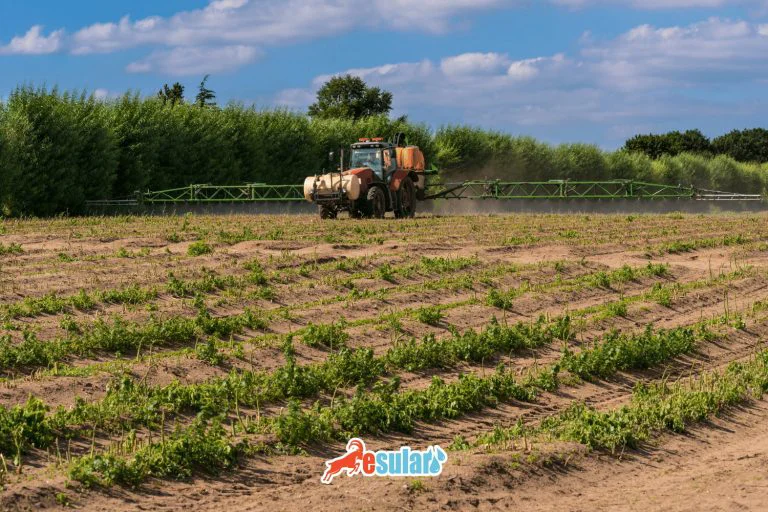
Before planting asparagus, the soil is cleared of weeds and enriched with organic matter. Then, trenches 15-30 meters long and 40 centimeters deep are opened parallel to each other. The removed soil is thrown to both sides of the trenches. The soil inside the trench is loosened every 40 – 50 centimeters. By adding fertilizer and sand to the loosened areas, mounds with a distance of 40-50 centimeters are formed. After the soil preparation is completed, the crowns are placed in the trenches and covered. No crop is harvested from asparagus in the planting year.
Irrigation in Asparagus Cultivation
During the seedling period, asparagus should be irrigated frequently, but not excessively. Because excessive irrigation paves the way for many diseases, especially fungal diseases. After the seedlings are planted in the trenches, it is recommended to irrigate asparagus with the drip irrigation method in areas where summers are dry. Again, in this period, it is more beneficial to irrigate the plant frequently but in small amounts.
Fertilization in Asparagus Cultivation
The best time to fertilize asparagus is late winter or early spring just before germination begins. For the first three years, asparagus is fertilized to ensure strong stem growth and root development. In later years, fertilizer is added to maintain the general productivity of the crowns. Especially after harvest, high-quality and efficient production can be achieved with the choice of high-phosphorus fertilizer or a fertilizer high in potassium.
Asparagus Harvest
After its second or third year, edible asparagus can be harvested. Depending on the climate, the harvest starts in March, April, or May. The harvest lasts for 15 to 20 days in the first yield year, and 2 months in later years. 8 – 10 shoots are cut from each bed. They are cut and taken without damaging the crown and the other smaller shoots next to it. And it is covered again by filling it well with the same soil.
Benefits of Asparagus
Asparagus is a vegetable that offers many health benefits in addition to being delicious. Here are some benefits of asparagus:
Asparagus is a low-calorie vegetable and is also rich in fiber. Fiber supports digestive health and can help with weight control by providing a feeling of fullness.
Asparagus is a rich source of antioxidants. Antioxidants protect the body against the harmful effects of free radicals and support general health.
Asparagus is especially rich in folic acid (vitamin B9). Folic acid is important for fetal development in pregnancy and is generally necessary for cell division and repair.
Asparagus is also rich in vitamin C. Vitamin C can strengthen the immune system, support skin health, and has antioxidant properties.
Asparagus has diuretic properties. This feature can support the health of the urinary tract and help the removal of harmful substances from the body.
Some studies show that the antioxidants contained in asparagus may play a potential role in fighting cancer. However, more research is needed on this subject.
There is some evidence that asparagus contains components that could support liver health.
Although these benefits are important, everyone's health status is different. Therefore, it is important for individuals with a chronic health condition or pregnant women to speak with a health professional before deciding to add a new food.