
Introduction: The Invisible Hero of Water Quality Dissolved Oxygen
Water is the basic source of life on earth; however, the elements that determine the quality of water are not just clarity or cleanliness visible to the naked eye. One of the most important components in the chemical structure of water that is critical for the continuity of life is dissolved oxygen (DO). A dissolved oxygen sensor allows us to monitor the health of ecosystems, the efficiency of industrial processes, and the safety of drinking water resources by measuring the amount of free oxygen in a liquid environment. In modern agricultural technologies, especially in areas such as aquaculture and soilless farming, knowing the oxygen level of the water is not just a preference, but a necessity for sustainable production.
As Esular, we use advanced sensor technologies to monitor water quality in the smart agriculture solutions we offer. Dissolved oxygen measurement devices, which fall under the water quality sensor category, provide farmers and engineers with real-time decision-making power by converting the 'breathability' of water into numerical data. In this article, we will examine every detail in depth, from the scientific foundations of dissolved oxygen to the working principles of sensors, from usage areas to ideal level tables.
What is Dissolved Oxygen? Difference from the H2O Molecule
Many people may think that water already contains oxygen by looking at H2O, the chemical symbol for water. However, the oxygen atom bonded to two hydrogen atoms that make up a water molecule is not in a form that living things can breathe. The value measured by a dissolved oxygen sensor is the oxygen gas (O2) molecules found freely between water molecules. Fish and other aquatic organisms survive by filtering this free oxygen from the water through their gills.
Under normal conditions, in a healthy lake or stream, approximately 10 oxygen molecules are dissolved for every one million water molecules. When water flows over rocks or falls from a waterfall, atmospheric contact increases and the oxygen level rises. In contrast, when water becomes stagnant or organic matter within it begins to be decomposed by bacteria, oxygen is consumed and the level drops rapidly. This situation causes aquatic creatures to be unable to breathe and the ecosystem to collapse.
Dissolved Oxygen Sensor Usage Areas
Dissolved oxygen measurement is not limited to environmental monitoring but plays a critical role in many different industries. Here are the most common areas where these sensors are used:
1. Water Quality Assessment and Environmental Monitoring
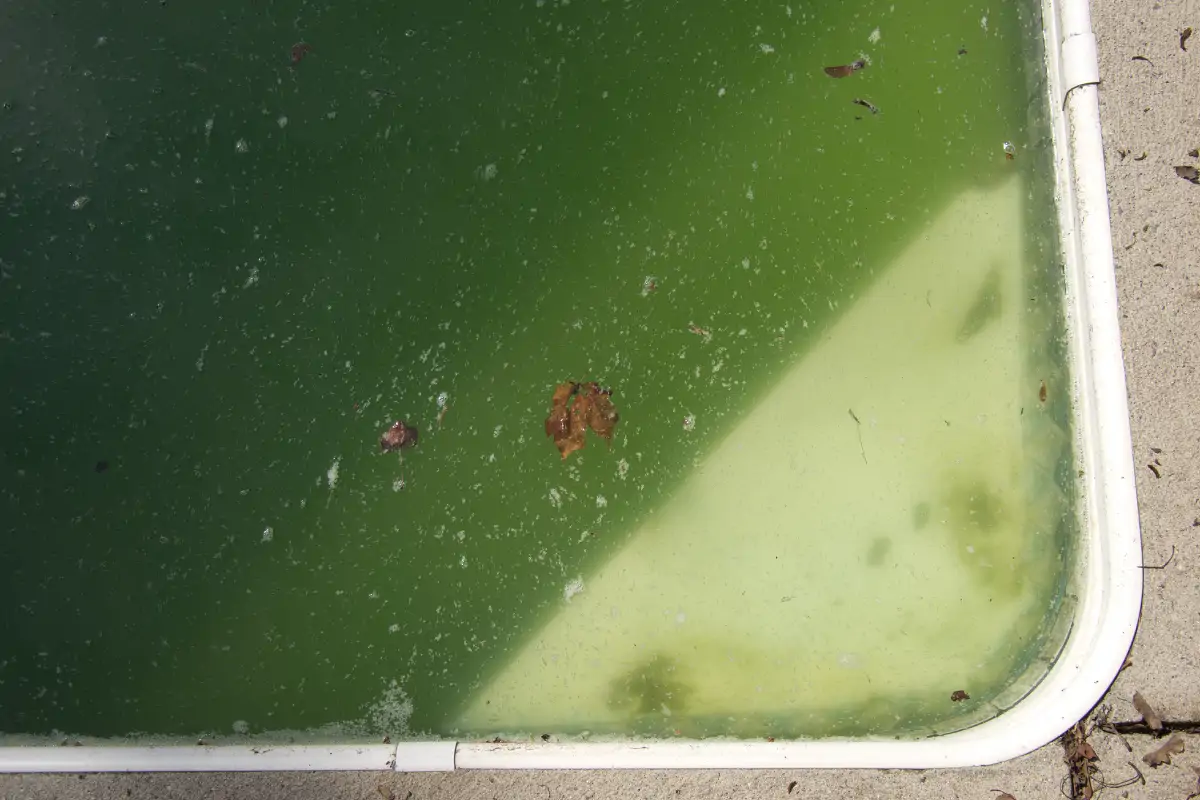
Dissolved oxygen levels in lakes, rivers, and ponds are the most important indicator of the overall health of that body of water. Factors such as pollution, excessive algae growth (eutrophication), or temperature increase can lead to oxygen depletion. Dissolved oxygen sensors allow us to detect potential dangers early by monitoring these changes in aquatic ecosystems instantaneously.
2. Aquaculture Management
In fish farms, the health and growth rate of fish are directly dependent on the oxygen level of the water. Oxygen deficiency causes stress, diseases, and mass deaths in fish. Sensors working integrated with Esular smart irrigation and monitoring systems can automatically activate ventilation systems when the oxygen level drops. This maximizes efficiency while reducing operational costs.
3. Wastewater Treatment Processes
In wastewater treatment plants, a certain level of oxygen is needed for organic matter to be decomposed by bacteria. This process is called 'aerobic treatment'. If the oxygen level is too low, bacteria die; if it is too high, it leads to energy waste. Sensors optimize treatment efficiency by establishing this balance.
4. Scientific Research and Academic Studies
Precise measurements are essential to understand the dynamics of aquatic ecosystems, examine the impact of climate change on waters, and determine the oxygen requirements of various organisms. Researchers prefer optical dissolved oxygen sensors for long-term data collection processes.
5. Drinking Water Analysis
Oxygen levels are monitored to maintain the quality and taste of drinking water resources. The oxygen level can also affect the corrosion potential in water pipelines and microbiological activity. These data are regularly inspected for safe water supply.
6. Industrial Processes and Fermentation
Fermentation processes in the food and pharmaceutical industries are sensitive to oxygen. Controlling the oxygen level in many chemical reactions, from brewing to drug production, directly determines product quality. Additionally, monitoring can be done in processes where oxygenated compounds are added to fuels such as gasoline to increase combustion efficiency.
7. Water Sports and Recreation
For divers and snorkelers, oxygen levels underwater can sometimes be monitored for safety. These data are vital to prevent the risk of hypoxia, especially in closed systems or deep dives.
Learn more about managing water quality: Agricultural Irrigation Analysis and Water Quality Guide
What are the Normal Oxygen Levels in Water?
The amount of dissolved oxygen is expressed in two main units: mg/L (milligrams/liter) or %DO (percent dissolved oxygen). Knowing what these values mean is critical for interpreting the health of the water:
- mg/L (or ppm): Shows how many milligrams of oxygen gas are dissolved in each liter of liquid in the water.
- %DO (Saturation Percentage): Indicates the ratio of oxygen to the maximum amount of oxygen the water can hold at its current temperature and pressure. 100% DO indicates that the water is in equilibrium with the atmosphere.
The oxygen-holding capacity of water depends on temperature. For example, water at 25°C can hold 8.3 mg/L of oxygen at 100% saturation; as the water cools, this capacity increases, and as it warms, it decreases.
Reference Values Table for Healthy Water:
For a healthy water ecosystem, the oxygen concentration is expected to be above 6.5 mg/L and the saturation rate to be between 80-120%.
Dissolved Oxygen Measurement Technologies: The Advantage of Optical Sensors
There are several different methods used to measure dissolved oxygen. However, today, one of the most precise and maintenance-free methods is optical sensor technology.
How Does an Optical Sensor Work?
Optical dissolved oxygen sensors are based on the principle of 'luminescence quenching'. At the tip of the sensor, there is a film layer coated with a special dye. A light source inside the sensor excites this dye (excited state). If oxygen is present in the environment, these oxygen molecules absorb the energy of the excited dye and reduce light emission (quenching). The amount of quenching is directly proportional to the oxygen concentration in the water. The more quenching recorded, the more oxygen there is in the water.
Advantages of Optical Sensors:
- High Precision: Gives accurate results even at very low oxygen levels.
- Low Maintenance: Does not require processes such as membrane replacement or electrolyte filling.
- Stability: More resistant to light source deviations or dye degradation.
- Fast Response: Senses changes instantly and transmits data.
As Esular, we offer fixed-mount sensors designed for industrial production applications, as well as handheld devices for field studies. Thanks to our IoT-based infrastructure, data from these sensors can be transferred to the cloud system and tracked remotely.

Related Product: Wireless Battery Powered Water Quality Sensor
IoT and Dissolved Oxygen Sensor Integration
In traditional methods, it was necessary to go to the field and perform manual measurements to measure the oxygen level of the water. However, with the wireless data collection units developed by Esular, this process has become completely digitalized. Data received from the sensor is transmitted to a central station using LoRa or GSM technology.
Benefits of the Smart Monitoring System:
- Instant Alerts: You receive an instant notification on your phone when the oxygen level falls below the critical limit.
- Automatic Intervention: Sensor data can trigger a relay to run a water pump or a ventilation motor (blower).
- Historical Data Analysis: You can develop long-term strategies by analyzing seasonal or daily changes in oxygen levels with graphs.
- Energy Saving: Ventilation systems only operate when needed, preventing unnecessary electricity consumption.
These systems offer vital convenience, especially for fish ponds spread over large areas or complex greenhouse automations. You can learn how to modernize your business by getting more information about Smart farming systems.
Factors Affecting Dissolved Oxygen Levels
Using just a water quality sensor is not enough; one must understand what changes the oxygen level to interpret the data correctly:
- Temperature: As water warms, its capacity to hold gases decreases. This is the main reason why fish deaths increase in the summer months.
- Salinity: Saltwater can hold less dissolved oxygen than freshwater. This factor must be taken into account in seawater aquaculture.
- Atmospheric Pressure: Since air pressure is low in high-altitude regions, the oxygen saturation capacity of water also decreases.
- Biological Activity: Plants produce oxygen by performing photosynthesis during the day, and consume oxygen by breathing at night. This situation causes daily oxygen fluctuations.
Sensor Maintenance and Calibration
No matter how advanced a dissolved oxygen sensor is, it requires regular maintenance to maintain its accuracy. Although optical sensors require much less maintenance than traditional electrochemical sensors, the following steps should be followed:
- Cleaning: The tip of the sensor (sensing cap) can become covered with algae or lime over time. It should be cleaned regularly with a soft cloth and clean water.
- Calibration: Sensors are usually calibrated using the 'air saturation' method. The sensor is kept in humid air to verify the 100% saturation point.
- Cap Replacement: The film layer on the tip of optical sensors has a service life (usually 1-2 years). At the end of this period, it is sufficient to replace only the end cap.
For more technical support: Esular Contact Page
Conclusion: Future Water Management is Possible with Esular
Dissolved oxygen is the life energy of water. Whether you operate a massive fish farm or manage a sensitive hydroponic greenhouse, measuring the oxygen level of the water accurately is the key to your success. Dissolved oxygen sensor technology eliminates inefficiency, minimizes risks, and helps protect natural resources.
As Esular, we are proud to offer the most up-to-date IoT and sensor solutions to the Turkish farmer and the world agricultural sector. Our water quality sensors, with their durable structures and cloud integrations, will be your most reliable partner in the digital transformation of your business. Do not leave the quality of your water to chance, manage it with data.
Take Action!
To optimize water quality in your business and receive a detailed offer about our dissolved oxygen sensor solutions, contact us immediately. Our expert engineers are ready to design the most suitable system for your project.
- Examine Our Products: All Smart Farming Products
- Follow Our Blog: Agricultural Technologies Blog
- Free Consultation: Contact Us
Discover the power of modern agriculture with Esular, take your yield to the top!