Drone usage in agriculture has become an indispensable part of modern agriculture. This technology, which exceeds the limits of traditional farming methods, is revolutionizing the management of agricultural lands and offering unique advantages to farmers. Thanks to high-resolution aerial imaging and sensor technologies, drones can monitor plant health, detect diseases and pests early, and increase efficiency in water management. Furthermore, by optimizing chemical usage through precision fertilization and spraying operations, they reduce environmental impact and increase the quality of agricultural products. However, for the widespread adoption of drone usage, certain challenges must also be overcome. Factors such as the cost of technology, operational complexity, and the impact of weather conditions are among the significant obstacles limiting the utilization of the full potential of drone technology. Nevertheless, drone usage in agriculture makes significant contributions to sustainable agricultural practices by increasing productivity and offers solutions for global food security.
Agricultural Spraying and Fertilization with Drones
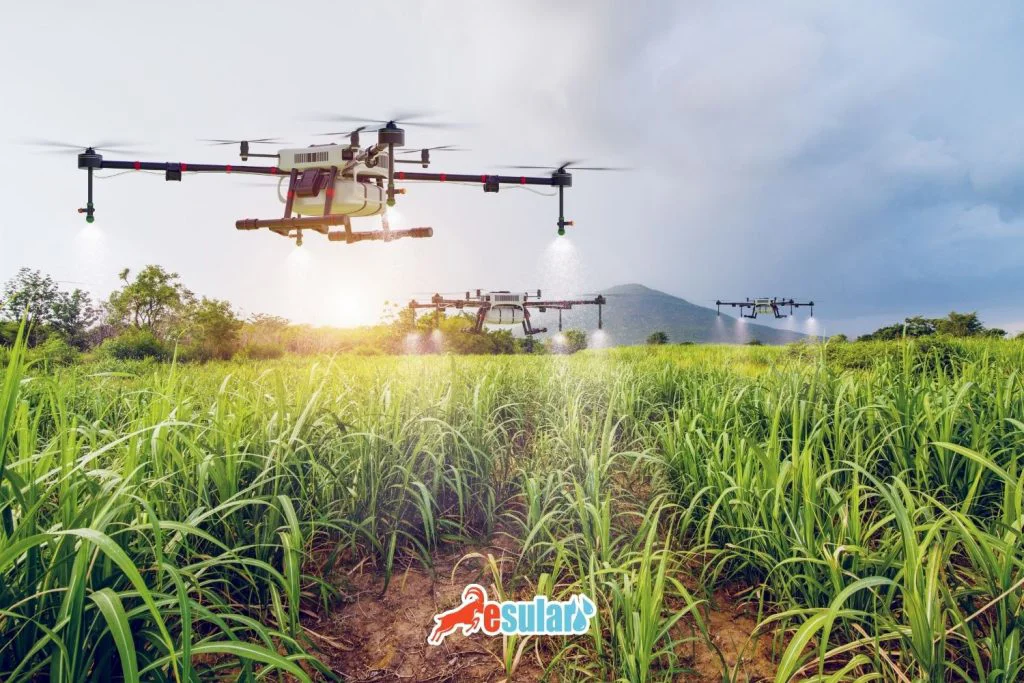
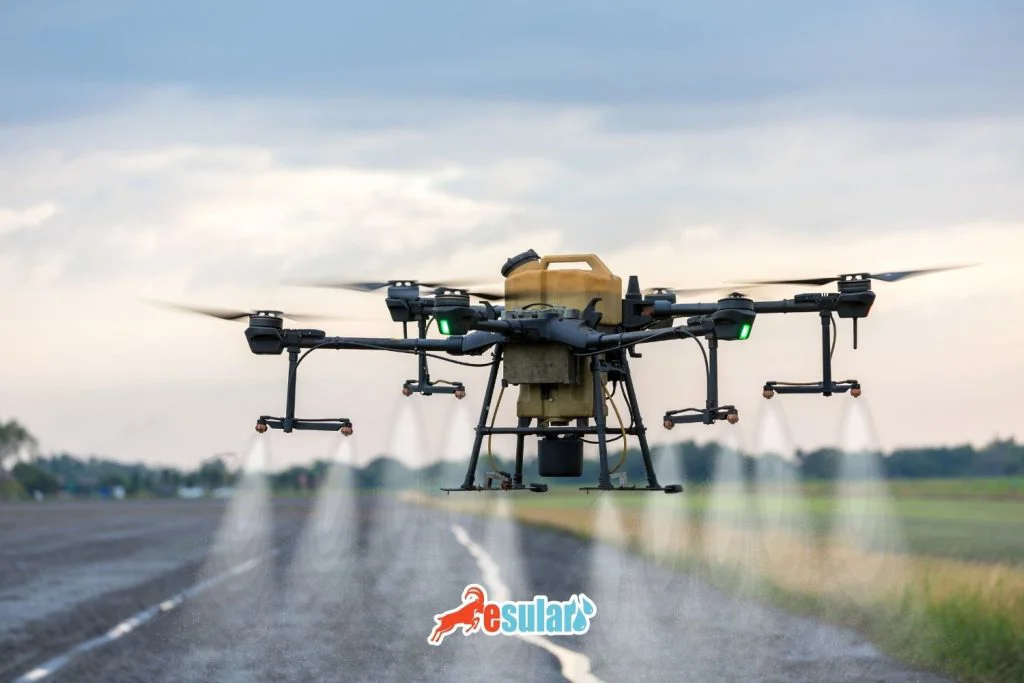
Drone technology provides a significant transformation in agricultural spraying and fertilization processes. Spraying and fertilization operations carried out with traditional methods can often be time-consuming, costly, and sometimes increase environmental impact. To solve these problems, drones offer innovative solutions to the agricultural sector. Drones can perform precision applications in agricultural lands by being equipped with specially designed pesticide and fertilizer tanks. Compared to traditional agricultural machinery, drones can process agricultural lands more quickly and efficiently. This provides farmers with savings in time and labor, increasing operational efficiency. Additionally, drones minimize environmental impact by ensuring a more precise distribution of chemicals. They contribute to the protection of natural habitats by reducing the risk of soil and water pollution.
Plant Health Monitoring with Drones
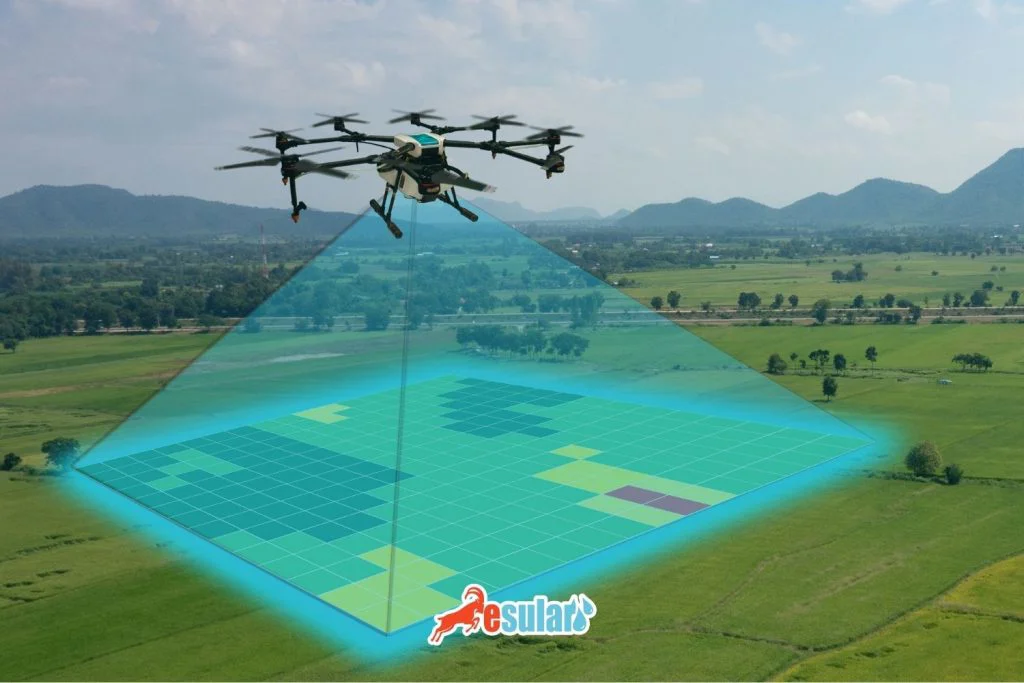
Drone technology is used as an important tool for monitoring plant health and development in the agricultural sector. Equipped with high-resolution cameras and special sensors, drones monitor the health status of plants by analyzing field conditions in detail. Thanks to this technology, farmers can observe important factors such as the water needs of plants and requirements for combating diseases and pests in real-time. Drones can scan large areas in agricultural lands quickly and present the obtained data to farmers by processing it precisely. These data are used to evaluate plant growth rate, leaf status, plant density, and yield. Drones have become an indispensable tool, especially for understanding the effects of seasonal changes and environmental factors.
Drone technology also helps in making strategic decisions to increase productivity in agricultural areas. For example, it can optimize irrigation management by determining the water needs of plants in a specific region or provide the opportunity for timely intervention by detecting symptoms of disease. In this way, it becomes possible to use resources more effectively in agricultural production and increase product quality. Considering its future potential, drone systems integrated with advanced technologies such as artificial intelligence and big data analytics will enable agriculture to be conducted in a smarter and more sustainable way. These developments will provide great benefits to farmers seeking innovative solutions in the agricultural sector, contributing to global food security and sustainability goals.
Agricultural Irrigation with Drones
While drone technology provides significant advantages in agricultural irrigation processes, it can also bring some limitations. The benefits and limiting factors of using this technology for irrigation are as follows: Drones optimize irrigation management thanks to their ability to apply water precisely in agricultural lands. Equipped with high-resolution cameras and sensors, drones monitor the water needs of plants in real-time, ensuring that water reaches the plant and is used in the right place and at the right time. This contributes to the prevention of water waste and the efficient use of water resources. However, some limitations must also be considered when irrigating with drones. For example, the amount of water drones can carry is limited, and therefore it may be difficult to irrigate effectively over large areas in large agricultural lands. Limitations regarding tank volume and carrying capacity can determine the flight time and effectiveness of drones.
In addition, in irrigation operations performed with drones, water must come into direct contact with the plant. Environmental factors such as evaporation and wind can make it difficult for drones to deliver water effectively to the plant. Furthermore, the ability of drones to adjust height precisely and adapt to weather conditions can affect irrigation efficiency. Despite the advantages of using drone technology for irrigation, it is important to correctly manage existing limitations and optimize the technology. With advancing technology and developments, it is expected that these limitations will be overcome and drones will play a more effective role in agricultural irrigation processes.
Herd Tracking with Drones
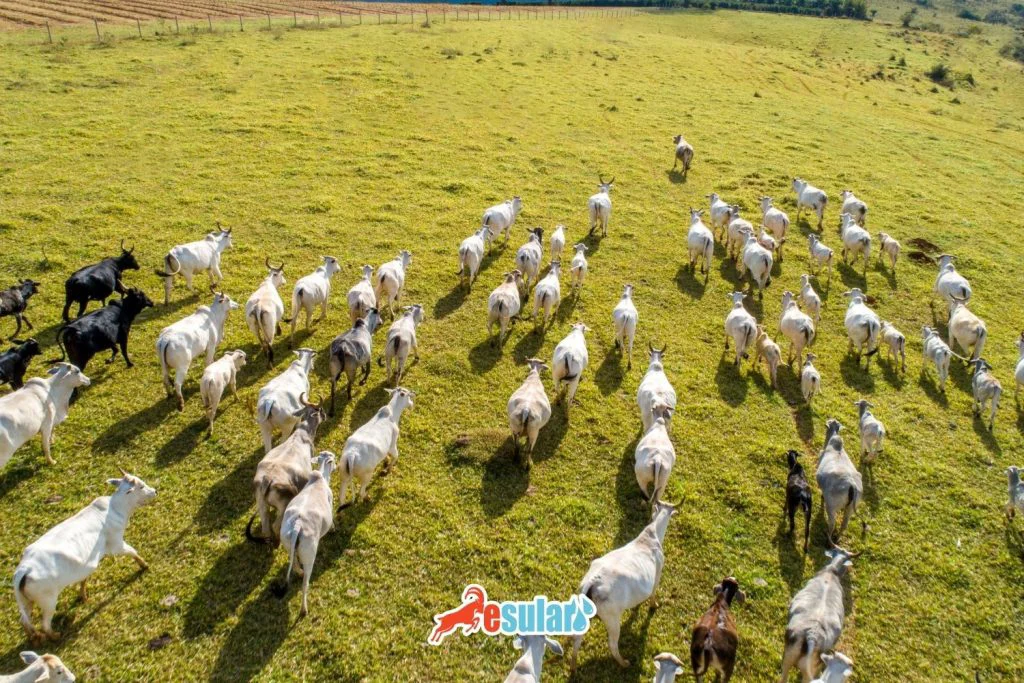
Drone technology is used in the agricultural sector not only in areas such as plant health or irrigation but also in livestock activities such as herd tracking. Especially in large farms or open lands, drones provide great convenience for the management and tracking of animal herds. Drones can easily detect and track animal herds in large areas thanks to their high-resolution cameras and thermal imaging systems. This technology offers farmers the opportunity to monitor the location, movements, and health status of herds in real-time. Thus, valuable data about the distribution and behavior of animals are obtained, and farmers can manage their herds more effectively. In the future, herd tracking processes can be further improved and automated through the integration of artificial intelligence and sensor technologies into drones. These developments point to significant potential for sustainable livestock management in the agricultural sector.
How to Get an Agricultural Drone License?
Those who want to obtain a license for drone usage should apply to the Directorate General of Civil Aviation (SHGM) or organizations approved by SHGM to start this process. Candidates whose applications are accepted must participate in the training program for specified periods and successfully complete the training. This process includes comprehensive training on topics such as technical information related to drone usage, safety protocols, air traffic management, and legislation. Individuals who obtain a license can use drones in accordance with the laws and ensure safe flights.