What is a Dissolved Oxygen Sensor? Measuring the Heartbeat of Water Quality
Water is the source of all life on earth, as well as the cornerstone of industrial processes and modern agriculture. However, not only the presence of water but also the balance of the components within it is of critical importance. At the head of these components is dissolved oxygen (DO). A dissolved oxygen sensor is a device that measures the amount of oxygen molecules present in a free state in water, playing a key role in both protecting ecological balance and increasing industrial efficiency.
As Esular, with the smart technology solutions we offer, we help you keep every drop of water under control. The dissolved oxygen level in a body of water is like the 'health report card' of that water. If the oxygen level is too low, aquatic life is endangered and treatment processes are interrupted; if it is too high, technical problems such as corrosion may occur. For this reason, sensors that make precise and real-time measurements are indispensable for a sustainable future.
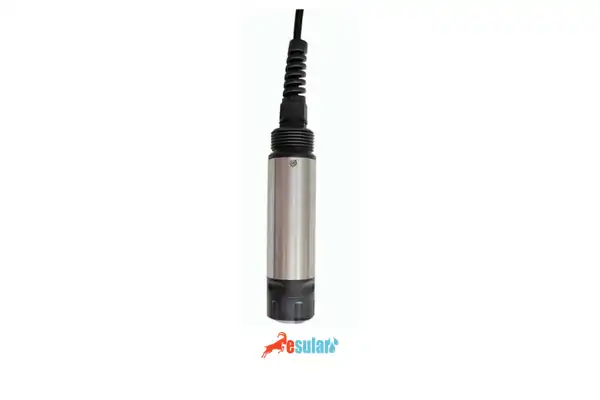
There are many physical and chemical factors affecting the amount of dissolved oxygen. At the top of these factors are temperature, atmospheric pressure, and the salinity rate of the water. A modern dissolved oxygen sensor must be able to compensate by taking these variables into account and present the most accurate data to the user. For more detailed information, you can examine our Water Quality Sensor Guide article.
Scientific Foundations of Dissolved Oxygen (DO)
Dissolved oxygen in water is not oxygen in the form of bubbles in the water, but free oxygen molecules dissolved between water molecules. This oxygen is necessary for the respiration of aquatic organisms such as fish and microorganisms. Chemically, the solubility of oxygen in water is explained by Henry's Law; according to this law, the solubility of a gas in a liquid is directly proportional to the partial pressure of that gas over the liquid.
Factors Affecting Dissolved Oxygen Levels:
- Temperature: As water temperature increases, the solubility of oxygen decreases. Cold waters have a much higher oxygen holding capacity than warm waters.
- Atmospheric Pressure: As altitude increases, air pressure drops, which reduces the oxygen absorption capacity of water.
- Salinity: As the amount of dissolved salt in water increases, the solubility of oxygen decreases. Sea waters contain less oxygen than fresh waters.
- Biological Activity: Photosynthetic plants produce oxygen during the day while consuming oxygen through respiration at night.
The fact that these variables are constantly dynamic causes manual measurements to be insufficient. At this point, Esular's IoT-based dissolved oxygen measurement systems step in to provide 7/24 uninterrupted data flow.
Dissolved Oxygen Sensor Types and Working Principles
With the development of technology, different methods have been developed for oxygen measurement. Each method has its own unique advantages and usage areas. The three main technologies most commonly used today are:
1. Optical (Luminescence) Dissolved Oxygen Sensors (RDO)
Optical sensors are the most preferred technology in modern industry. These sensors are based on the quenching property of oxygen molecules on light of a certain wavelength. When a special layer at the sensor tip is excited with blue light, it emits red light. If oxygen is present in the environment, the duration and intensity of this red light decrease. The sensor calculates the oxygen concentration by measuring this change.
Advantages of Optical Sensors:
- Calibration requirement is very low.
- It is independent of flow velocity (can measure even if the water is stagnant).
- It is not affected by polluting gases such as H2S.
- There are no maintenance hassles such as membrane replacement or electrolyte filling.
2. Polarographic Sensors (Electrochemical)
These sensors consist of an anode, a cathode, and an electrolyte solution. Oxygen diffuses into the sensor through a membrane. An electric current is generated while oxygen is reduced at the cathode. This generated current is directly proportional to the partial pressure of the dissolved oxygen.
3. Galvanic Sensors
They are similar to polarographic sensors but do not require an external voltage to be applied. The potential difference between the anode and cathode is sufficient for oxygen reduction. They are known for their fast response times but are sensitive to membrane fouling.
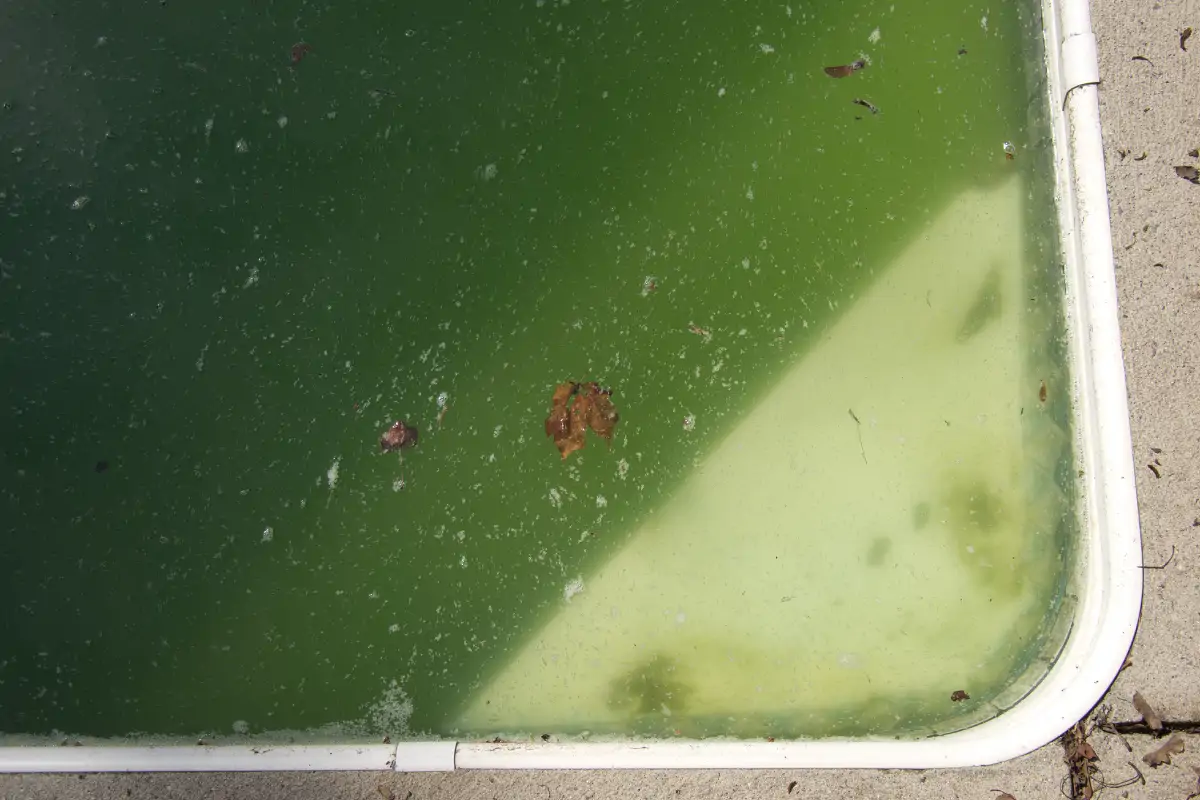
Which sensor is selected in industrial facilities should be determined according to the pollution load of the water and maintenance possibilities. Esular experts can support you in determining the most suitable sensor type for your business. For more technical details, you can examine our smart water quality sensors.
Importance of Oxygen Control in Industrial Wastewater Treatment
In wastewater treatment plants, dissolved oxygen control is critical for the management of the aeration process, which accounts for more than 50% of operating costs. Microorganisms in biological treatment tanks need a certain level of oxygen to break down waste.
Benefits of Precise Oxygen Monitoring:
- Energy Savings: Reduces electricity bills by up to 30% by preventing unnecessary operation of aeration blowers.
- Process Efficiency: Ensures optimization of nitrification and denitrification processes.
- Environmental Compliance: Guarantees that the discharged water complies with standards.
- Equipment Life: Reduces maintenance costs by preventing overloading of blowers and diffusers.
To get more information about blower systems used in agricultural fertilization and irrigation processes, you can take a look at our Industrial Blowers in Agricultural Fertilization article. Additionally, establishing an integrated system with electromagnetic flowmeters to control water flow provides full automation.
Dissolved Oxygen in Aquaculture and Hydroponic Agriculture
Not only in industry but also in modern agricultural methods, the oxygen level is a determinant. Especially in fish farms (aquaculture) and soilless agriculture (hydroponics), oxygen deficiency directly means product loss.
Oxygen Management in Fish Farms
Fish take dissolved oxygen in water through their gills. In ponds with high stocking density, oxygen is consumed rapidly. The dissolved oxygen sensor automatically activates aeration systems when the oxygen level falls below the critical limit and warns the user with SMS/Mobile notifications.
Root Health in Soilless Agriculture
In hydroponic systems, plant roots are constantly in water. If the oxygen level of the water is low, decay begins in the roots and the plant becomes unable to take nutrients. Keeping the oxygen level at 8-10 mg/L levels can increase the plant growth rate by 25%. You can reach the details of this subject in our Soilless Hydroponic Agriculture guide.
Smart Water Monitoring with Esular IoT Solutions
As Esular, we do not only provide sensors, we transform these sensors into an ecosystem that you can monitor from anywhere in the world. Our dissolved oxygen sensors connect to our LoRaWAN or GSM based stations and transmit data to the cloud platform.
Features of Esular Smart Monitoring System:
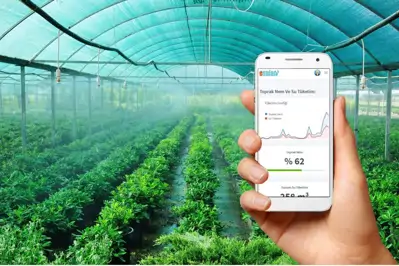
- Remote Access: Instant data tracking via mobile phone or computer.
- Alarm Management: Instant warning when the oxygen level goes outside the determined threshold values.
- Graphical Analysis: Analysis of changes in water quality with historical data.
- Automation Integration: Automatic valve or pump control when low oxygen is detected.
For more information about the installation and management of our systems, you can visit our Smart Farming System page. Additionally, with our wireless valve control solutions (Wireless Valve Control), you can make water management fully automatic.

Sensor Maintenance and Calibration: Golden Rules for Accurate Data
The maintenance performed on a sensor affects the measurement accuracy as much as the quality of the sensor itself. Dissolved oxygen sensors can be affected by the biofilm layer, algae formation, or chemical precipitation in the water.
Maintenance and Calibration Steps:
- Cleaning: Periodically clean the sensor tip with a soft cloth or brush. Care should be taken against scratches on optical sensors.
- Air Calibration: The most common method. It is the calibration of the sensor according to the 100% saturation point in humid air.
- Zero Point Check: It is tested whether the sensor reads the 0 mg/L value correctly by using an oxygen-free solution (for example, sodium sulfite solution).
- Membrane Check: In electrochemical sensors, replacement should be made in case of membrane rupture or electrolyte depletion.
Sensors working integrated with the Agricultural Weather Stations offered by Esular remind you of maintenance times, ensuring that the system always works at the highest performance.
Dissolved Oxygen Sensor Technical Comparison Table
In the table below, you can compare the basic features of different sensor technologies:
To get the most accurate yield in your industrial facilities or agricultural lands, you can contact Esular's expert engineering staff. Monitoring water quality is not just a measurement, it is an investment in the future.
Conclusion: Future Water Management is Possible with Esular
The dissolved oxygen sensor is an indispensable tool for both environmental sustainability and industrial profitability. It allows critical decisions to be made in a wide range of areas, from providing energy savings in wastewater treatment plants to preventing mass deaths in fish farms. Esular's IoT-based smart sensor technologies offer the opportunity for data-driven management by simplifying this complex process.
In our world where water resources are becoming more precious every day, establishing correct monitoring and control mechanisms is not a choice, but a necessity. As Esular, we are by your side with our high-precision and low-maintenance cost solutions that will work safely even in the most demanding field conditions.
Take Action!
To optimize the water quality in your facility and to meet Esular's smart solutions, contact us immediately. Our expert team is ready to design the system most suitable for your needs.
- Explore our products: Esular Product Catalog
- Follow our blog page: Esular Blog
- Contact us: Contact Form