What is a Garden Automatic Irrigation System?
In the busyness brought by modern life, protecting green areas and maintaining the vitality of gardens is becoming more challenging every day. Right at this point, the garden automatic irrigation system, one of technology's greatest gifts in the fields of agriculture and landscaping, comes into play. These systems are a set of mechanisms that deliver the amount of water the plant needs to the soil at pre-determined time intervals without the need for human intervention. Unlike traditional irrigation methods, they protect nature by using every drop of water efficiently and provide garden owners with great time savings.
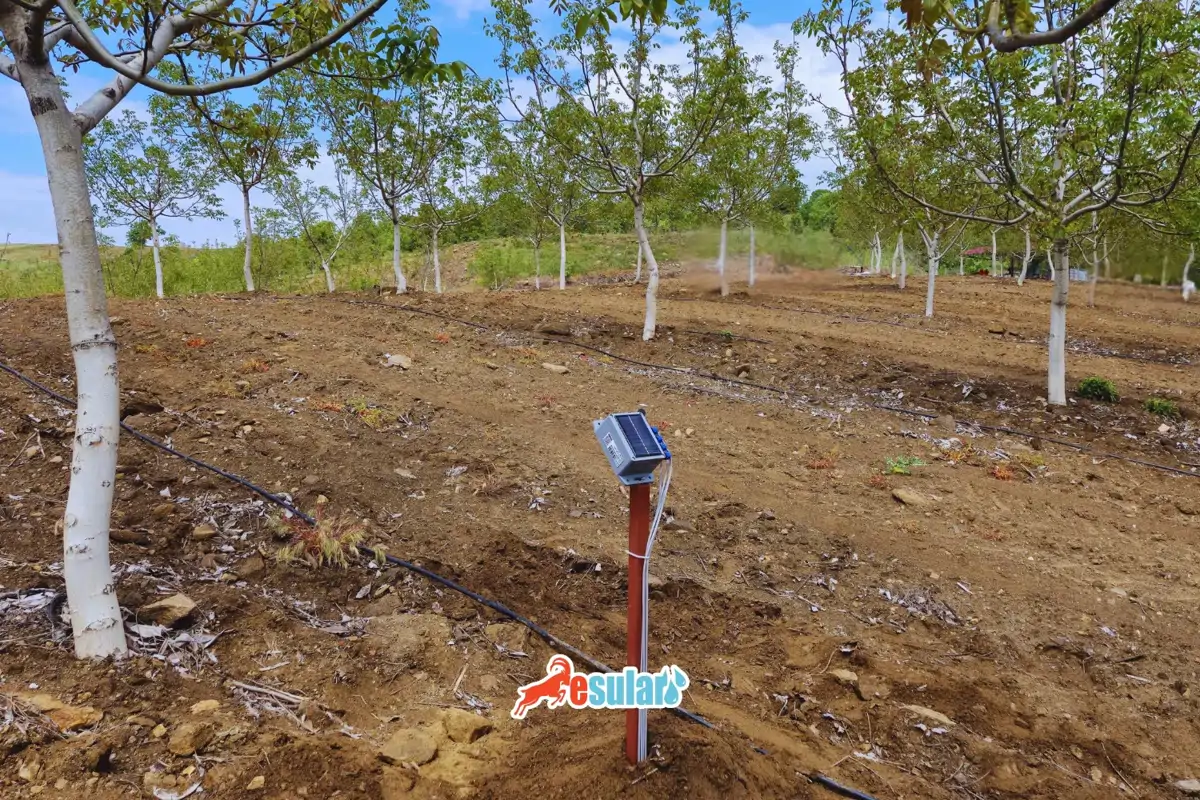
A garden automatic irrigation system is not just a pipeline; it is a smart management mechanism that prevents your plants from entering drought stress, maintains the moisture balance of the soil, and increases the aesthetic value of your landscape. Solutions like the Smart Garden series we developed at Esular take this process one step further, making it controllable via mobile devices and working integrated with climate data.
Why Should Automatic Irrigation Be Preferred?
Using a timer or an advanced control unit in your garden is not just a comfort but also a necessity. Plants are not suitable for watering at all hours of the day. Especially irrigation done during the noon hours when the sun is direct leads to water evaporation and burns on plant leaves. Automatic systems eliminate these risks by operating in the early hours of the morning or the cool of the evening when irrigation is most efficient.
Basic advantages of automatic irrigation:
- It provides water savings and reduces water bills by up to 50%.
- It accelerates the development of plants by ensuring they receive regular water.
- It grants freedom to garden owners during vacations or busy workdays.
- It prevents soil erosion and fungal diseases caused by over-watering.
- It offers a professional infrastructure that increases the value of the real estate.
Although the installation of automatic systems may seem like an investment cost at first, it quickly pays for itself with the water and labor savings it provides in the long run. Especially in today's world where drought is increasing, every drop of water must be accounted for. At this point, as we mentioned in our water timer guide article, choosing the right equipment is the key to success.
Basic Components of the System: Water Timer, Timer, and Valves
For a garden automatic irrigation system to work efficiently, there are several basic components working integrated with each other. The quality of these components directly affects the life and performance of the system.
1. Water Timer (Timer) and Control Units
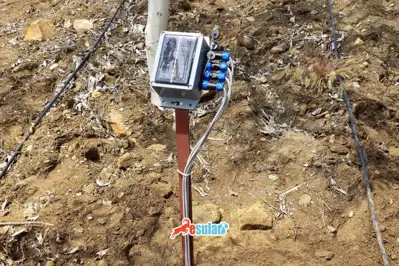
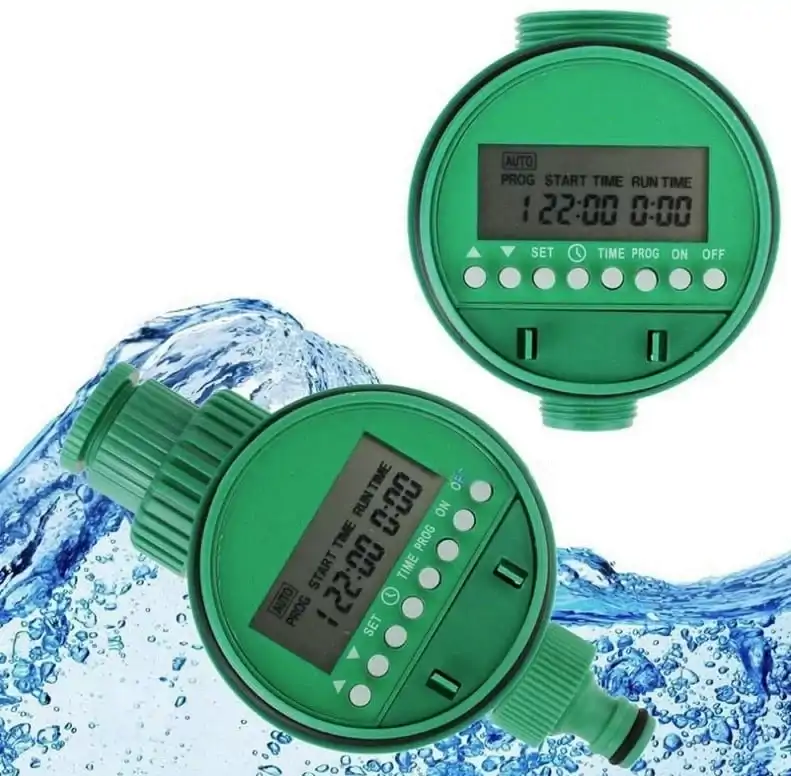
Considered the brain of the system, the water timer or timer determines when irrigation will start, how long it will last, and on which days it will repeat. A wide range is available, from simple battery-powered models to advanced control units with Wi-Fi connectivity and sensor support. The wireless smart valve control units offered by Esular provide the user with the opportunity to manage their garden from anywhere in the world.
2. Solenoid Valves
These valves, which open and close with an electrical signal coming from the control unit, manage the flow of water. They are usually hidden underground inside a valve box. The durability of these valves is critical for the tightness of the system. Models with different operating principles such as 24V AC or 9V DC (Latching) are selected according to the garden's electrical infrastructure. For detailed information, you can review our solenoid valve failures guide.
3. Soil Moisture Sensors
A truly smart system should irrigate according to need, not just time. The soil moisture sensor measures the amount of water in the soil and cancels the irrigation if the soil is already moist (for example, if it has rained). This is the ultimate point of water saving. Esular's wireless battery-powered soil moisture sensor allows you to perform this precise measurement easily.
Other parts that should be in an automatic irrigation system:
- Pipes: HDPE or LDPE pipes that carry water.
- Sprinklers: Spray or rotor heads that distribute water to the soil.
- Drippers: Micro systems that deliver water directly to the plant root.
- Pressure Regulators: Units that balance water pressure so the system is not damaged.
- Filters: Strainers that prevent valves and sprinklers from clogging.
Garden Irrigation Methods: Which One is Right for You?
There are different irrigation methods you can choose according to your garden's structure, plant diversity, and soil type. Usually, a combination of these methods is used in large gardens.
Drip Irrigation System
It is the most efficient method, especially for tree bases, hedge plants, and vegetable beds. Water is delivered directly to the plant root through perforated pipes. Evaporation is minimal and weed formation decreases. For detailed installation steps, you can take a look at our drip irrigation installation article.
Sprinkler Irrigation System
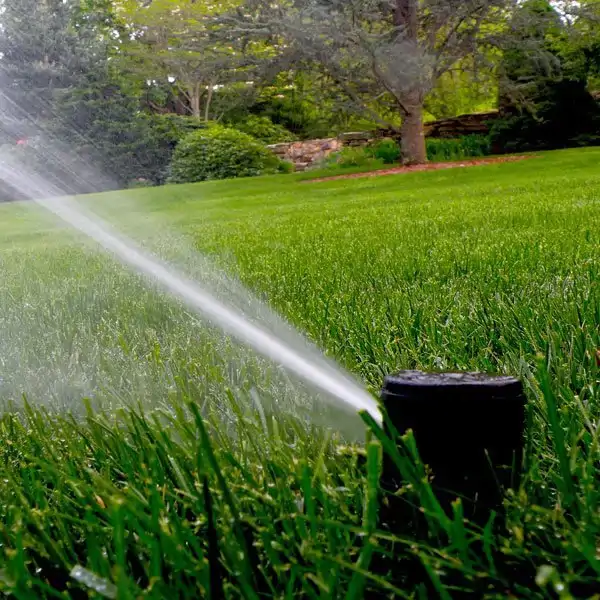
It is indispensable for lawn areas. It spreads water over wide areas in the form of raindrops. While rotor heads can rotate 360 degrees, spray heads irrigate at a fixed angle (90, 180, or 360 degrees). For lawns to stay healthy, water must penetrate at least 10-15 cm deep into the soil.
Micro-Spray and Misting
It is suitable for sensitive plants and greenhouses. It ensures that water is dispersed into the air in very small particles. This method is also used to lower the ambient temperature (cooling).
For more technical comparisons, you can visit our smart irrigation and automatic irrigation systems article.
Step-by-Step Automatic Irrigation System Installation
Installing an automatic irrigation system in your garden requires good planning. A faulty design can cause some areas of your garden to remain dry or some areas to turn into a swamp.
Step 1: Garden Plan and Hydraulic Analysis
Draw a sketch of your garden. Mark the lawn areas, trees, and flower beds. Then measure the pressure (Bar) and flow rate (Liters/Minute) of your water source. If the pressure is insufficient, you may need to add a booster or pump. Our stainless centrifugal pumps offer ideal solutions in this regard.
Step 2: Dividing into Zones
Your water source may not be enough to water the entire garden at the same time. Therefore, you should divide the garden into sections. For example; front garden lawns can be defined as the 1st zone, and the back garden drip line as the 2nd zone. Each zone is controlled by a separate solenoid valve.
Step 3: Pipeline and Valve Assembly
Place the main line and branch pipes according to the plan. Burying the pipes underground (approximately 30-40 cm deep) provides protection against the risk of freezing and physical damage. Place the valve box in an easily accessible point.
Step 4: Sprinkler and Dripper Placement
When placing sprinkler heads, follow the "head-to-head irrigation" rule. That is, the water from one sprinkler should reach the point where the other sprinkler is located. This ensures that no dry areas remain.
Step 5: Control Unit and Timer Settings
Mount your timer device and make the cable connections. Enter the irrigation duration and days for each zone. If you are using Esular Smart Garden, you can complete the installation in seconds via the mobile application. For the detailed technical documentation of the installation, review our installation guide.

The biggest mistake made during installation is choosing the wrong pipe diameters. Taking the friction loss of water into account, a pipe diameter suitable for the flow requirement (usually 25mm or 32mm) should be selected. Additionally, placing a main valve and filter at the entrance of every system is essential for the safety of the system.
Smart Garden Technologies and IoT Integration
Traditional timers are now giving way to IoT (Internet of Things) based smart systems. These technologies, pioneered by Esular, turn garden maintenance from a chore into a digital experience.
Control via Mobile Application
You can start or stop irrigation even when you are not in your garden. You can increase the irrigation duration during an unexpected heatwave, and turn off the system with a single button on a rainy day. This flexibility is priceless for both plant health and water savings.
Weather Integration
Smart control units pull local weather data over the internet. If rain is expected within the next few hours, the system automatically postpones the irrigation. This feature provides an efficiency that is not possible with a manual water timer.
Water Consumption Tracking
You can see in real-time how many liters of water are used in your system. You can receive instant notifications by noticing a leak or burst in the pipes from flow changes. Technologies like electromagnetic flowmeters ensure that every drop of water is monitored.
System Maintenance and Winter Preparation
A garden automatic irrigation system can work smoothly for 10-15 years when properly maintained. However, neglected maintenance leads to expensive valve and sprinkler replacements.
Periodic maintenance tips:
- Filter Cleaning: Be sure to clean the filters at the beginning and end of the season. Sand and sediment can prevent solenoid valves from closing.
- Head Control: Check the direction of the sprinkler heads. Over time, heads that shift can water pavements instead of plants.
- Leak Test: Check inside the valve box. If there is wetness, the seals may need to be replaced.
- Winter Preparation: In regions with a risk of frost, the water in the system must be drained before winter arrives (drainage with an air compressor is the safest way). Remove timer batteries or turn the device to the off position.
For a more comprehensive maintenance plan, you can read our 2026 irrigation season preparation guide.
Conclusion: Gardens of the Future are Being Established Today
A garden automatic irrigation system is not just a luxury, but a strategic investment to protect our limited water resources and make our green areas sustainable. A system equipped with the right water timer, quality valves, and smart sensors offers you a peaceful living space while extending the life of your garden.
As Esular, we bring our expertise in agricultural technology to home gardens and professional landscape projects. With our Smart Garden series products, you can transform your garden into a smart ecosystem and get maximum efficiency from every drop of water. Remember, a well-watered garden not only stays green but also gives life to its surroundings.
Smarten Your Garden with Esular!
To find the most suitable automatic irrigation solution for your garden, get installation support, or examine our products, you can contact us. Our expert team is ready to develop projects specific to the needs of your landscape.
Take action now:
- Explore Our Products: Esular Product Catalog
- Contact Us: Contact Form
- Read Other Articles on Our Blog: Automatic Irrigation Installation
For a greener and smarter future, have the control of water in your hands!