Introduction to Garden Irrigation Systems
Within the intense pace brought by modern life, the maintenance of our gardens, which are the most important areas where we connect with nature, requires more technology every day. Irrigation, which is one of the most critical issues for garden owners, landscape architects, and those involved in hobby gardening, is of vital importance in terms of protecting plant health and using water resources efficiently. Irrigation performed with traditional methods usually results in either excessive water consumption or the inability to fully meet the moisture needs of the plants. At this point, modern garden irrigation technologies come into play.
As Esular, we take control of every drop of water by bringing our expertise in agricultural technology to landscape and garden areas. Smart irrigation systems are not just composed of a timer; they are an integrated ecosystem that analyzes soil moisture, weather conditions, and the specific needs of the plant. In this article, we will cover the most frequently asked questions about garden irrigation systems, technical details, and strategies that increase efficiency in the most comprehensive way.
If you want to keep your garden green at all times while saving on your water bill, you should start by choosing the right system components. The success of an irrigation system depends on the harmony between the timer (irrigation timer), valve groups, and sensors used. Now, let's take a deep look at all the curious details about the world of garden irrigation.
Basic Questions About Garden Irrigation Systems
Many questions come to the minds of users before the installation of garden irrigation systems and during the usage phase. Knowing the answers to these questions both extends the life of the system and ensures maximum efficiency.
Is it Difficult to Set Up an Automatic Irrigation System?
The installation of automatic irrigation systems varies according to the size and complexity of the garden. For a small hobby garden, using a tap-type irrigation timer is quite simple. However, in large landscape areas, the integration of underground piping systems, solenoid valves, and control units requires professional planning. You can get step-by-step information about this process from our How to install an automatic irrigation system? guide.
What is the Difference Between a Smart Irrigation System and a Traditional Timer?
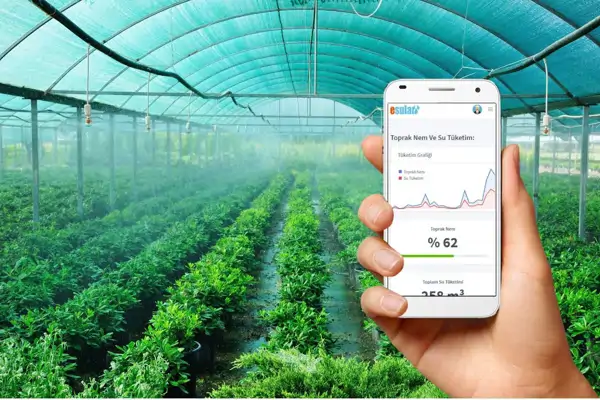
A traditional irrigation clock only opens and closes the valve at the times you specify. Even if it rains or the soil is already moist, it continues to irrigate. Smart irrigation systems, on the other hand, follow the weather conditions via the internet and optimize irrigation according to data from soil moisture sensors. In this way, water savings of up to 50% are achieved.
Advantages of Smart Irrigation Systems:
- Automatic program update according to weather conditions
- Remote control capability via mobile phone
- Determining dynamic irrigation duration according to soil moisture
- Instant notification of water leaks and valve failures
- Providing retrospective water consumption reports
Technical Components: Timer, Valve, and Sensors
The heart of a garden irrigation system is the control unit and the valves. Understanding the technical features of these components ensures you make the right investment.
What Should Be Considered When Choosing an Irrigation Timer?
There are many timer models on the market. When making a choice, you should evaluate your garden's needs according to these criteria:
- Number of Stations: Different plant groups (grass, trees, flowers) in your garden should be divided into different zones. One station is required for each zone.
- Power Source: In places where an electrical line cannot be pulled, battery-powered or solar-powered models should be preferred.
- Connection Features: Wi-Fi or LoRa-based wireless systems provide great convenience in large areas.
- Sensor Inputs: Models to which a rain sensor or soil moisture sensor can be connected are always more efficient.
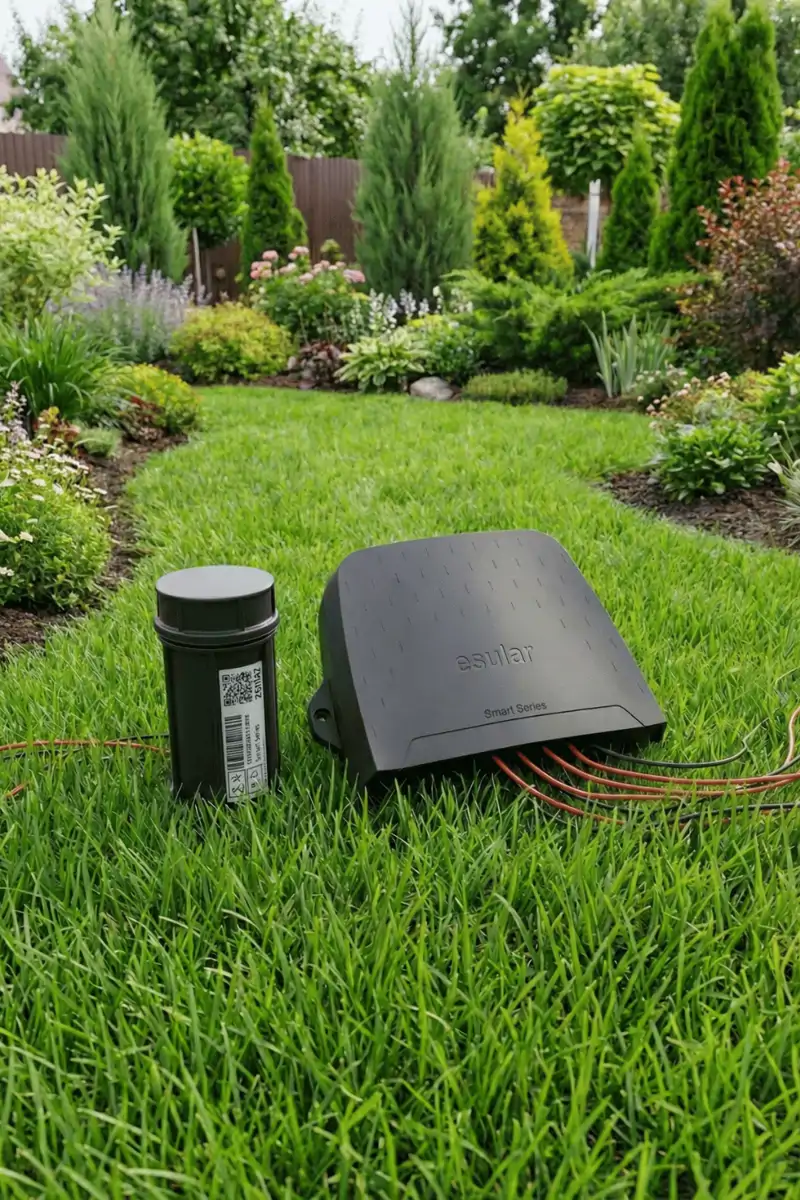
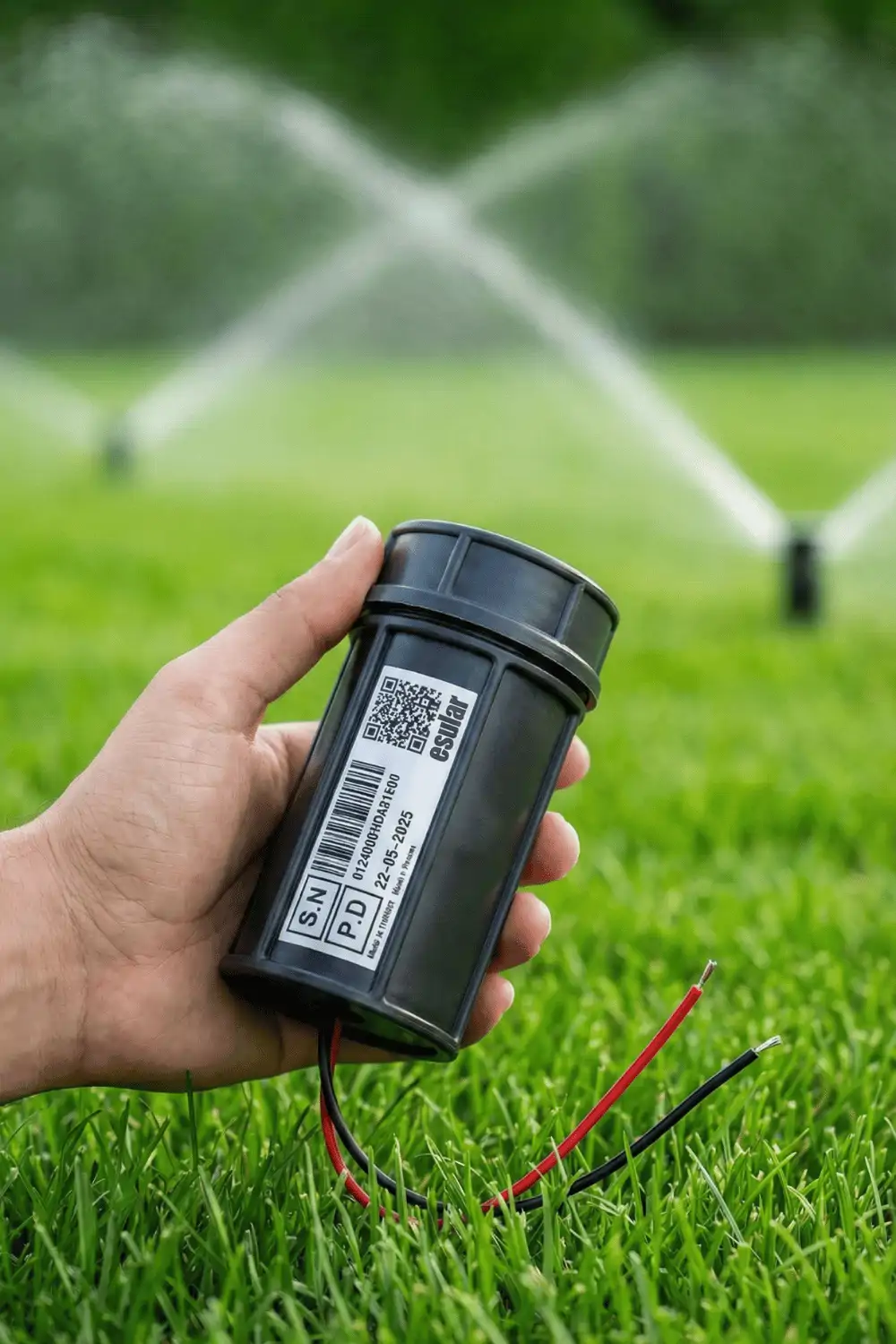
The Smart-Garden Series Wireless Smart Valve Control Unit offered by Esular was an ideal solution for professional landscape areas.
What is a Solenoid Valve and Why is it Important?
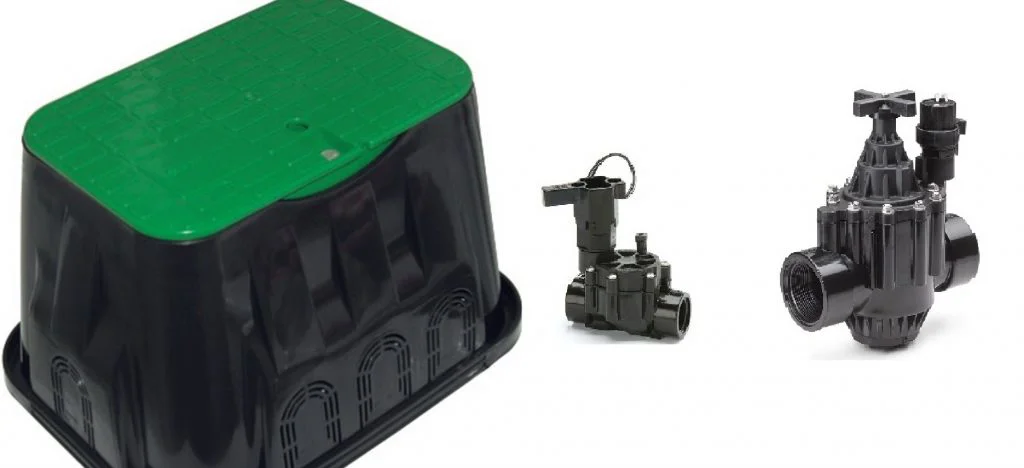
The valve serves as the tap that controls the water flow in the irrigation system. Solenoid valves open and close with a low-voltage (usually 9V or 24V) electrical signal coming from the control unit. If there is more than one zone in your garden, there should be a solenoid valve at the head of each zone. The quality of these valves is critical for the leak-tightness and longevity of the system.
Types of Solenoid Valves:
- Plastic Body Valves: Generally used in residential and small landscape projects.
- Metal/Cast Body Valves: Preferred for high pressure resistance in industrial and large agricultural areas.
- Latch (Locking) Coil Valves: A type of valve that draws current only at the moment of opening and closing to save energy in battery-powered systems.
Water Saving Strategies in Landscape Irrigation
The biggest mistake made in garden irrigation is watering more than the plants need. This situation leads to both the rotting of plant roots and water waste. According to R.T. Ministry of Agriculture and Forestry data, water consumption in gardens can be reduced by 40% with correct irrigation methods. Ministry sources emphasize the importance of conscious irrigation in this regard.
Use of Soil Moisture Sensors
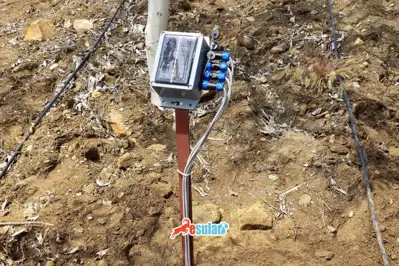
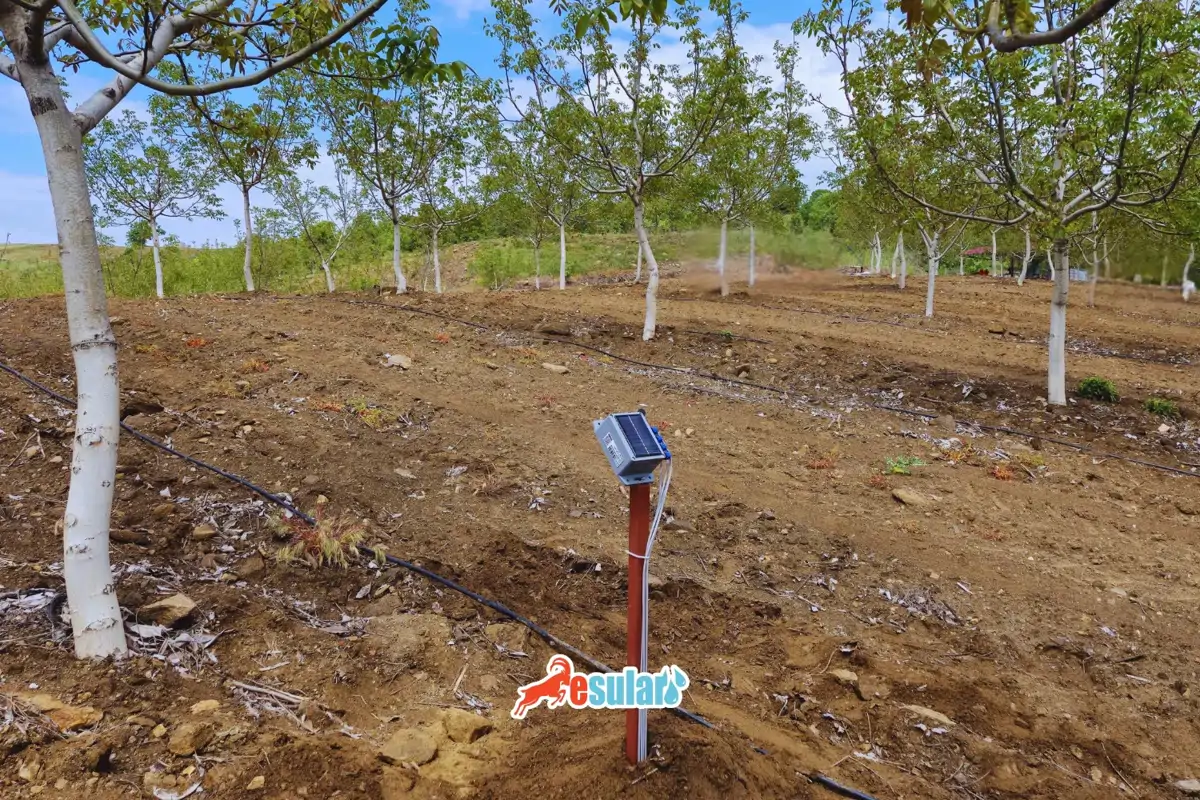
The most valuable accessory that can be added to an irrigation system is a soil moisture sensor. This sensor measures the amount of water inside the soil and blocks the opening signal sent by the irrigation clock if the plant does not really need water. Esular's wireless battery-powered soil moisture sensor allows you to receive data from every point of your garden without cable clutter.
Correct Irrigation Time
When you should water your garden directly affects the evaporation rate of the water. The most efficient irrigation time is early in the morning (between 05:00 - 08:00). During these hours, the wind is low and the sun has not yet risen high enough to evaporate the water. Night irrigation, on the other hand, can increase the risk of fungal diseases forming in a humid environment.
Tips for Irrigation Timing:
- Never irrigate during the hours when the sun is at its steepest.
- Postpone irrigation in windy weather as the distribution of water will be disrupted.
- Create different programs for different plant species (for example, grass every day, trees twice a week).
Garden Irrigation System Comprehensive FAQ (Frequently Asked Questions)
Below, you can find 20 basic questions most asked by garden owners and their technical answers.
1. At how many bars of pressure does a garden irrigation system work?
A typical garden irrigation system works most efficiently at a pressure between 2.0 bar and 4.5 bar. Drip irrigation systems generally require low pressure (1.0 - 2.0 bar), while rotor sprinklers may need 3.5 bar and above pressure. If the pressure is too high, there may be bursts in valves and pipes; if it is too low, the sprinklers will not rise.
2. How deep should irrigation pipes be buried?
In landscape areas, main pipe lines are usually buried 30-40 cm deep. This depth protects the pipes from being damaged during gardening work (hoeing, aeration) and reduces the risk of freezing.
3. Should I turn off the irrigation system in winter?
Yes, in regions with a risk of frost, the system should be completely drained in winter. If the water inside the pipes freezes, it expands and causes the pipes and valves to crack. The air in the system should be evacuated with a compressor and the batteries on the timer should be removed.
4. Should drip irrigation or sprinklers be preferred?
This depends on the plant species. Sprinkler systems are mandatory for grass areas. However, for trees, shrubs, and flower beds, drip irrigation is much more efficient. Since drip irrigation delivers water directly to the root zone, it minimizes evaporation. You can find a comparison of these two methods in our Garden automatic irrigation system article.
5. How many sprinklers can one valve operate at the same time?
This depends on the flow rate of your water source (how many liters of water it gives per hour) and the consumption of the sprinklers. For example, if your water source gives 2000 liters of water per hour and each sprinkler consumes 400 liters per hour, you can connect a maximum of 5 sprinklers to one valve. For a safety margin, it is healthier to keep this number at 4.
6. Why does the irrigation timer give a 'No AC' error?
This error usually indicates that the current coming from the transformer has been cut or the transformer has failed in units that work with electricity. In battery-powered systems, this error is generally associated with low battery levels.
7. Why aren't the sprinklers rising fully?
The most common reasons are: Low water pressure, a leak in the pipe line, clogged filters, or too many sprinklers connected to the same zone. Additionally, the valve not opening fully can also lead to this problem.
8. Is a Wi-Fi irrigation control unit safe?
Yes, modern smart irrigation devices use encrypted connections. However, if your garden is large, the Wi-Fi signal may not reach everywhere. In this case, long-range wireless systems like the LoRa technology used by Esular should be preferred.
9. How is a water meter integrated into the irrigation system?
By adding a pulse output water meter to the system, you can track the amount of water consumed instantly. Smart systems stop irrigation and send you a notification when it goes outside the expected flow rate (for example, when a pipe bursts). The wireless battery-powered meter flow sensor is designed for this job.
10. Why are my plants drying out despite being watered?
It could be wrong irrigation duration, clogged emitters, or a drainage problem in the soil. Additionally, you should check whether the water descends to the depths of the soil. Even if the surface looks moist, the root zone may remain dry.
11. Is it mandatory to use a filter in the irrigation system?
Absolutely yes. Especially if well water or tank water is used, sand and particles cause the solenoid valves and sprinkler nozzles to clog. Use of a minimum 120 mesh filter is recommended. You can read the details from our Why is a filter important in drip irrigation? article.
12. What is the cost of a garden irrigation system?
The cost can vary in a wide range between $500 and $5000 according to garden size, number of zones, quality of the material used, and the level of automation. Although smart systems seem more costly at first, they pay for themselves within 1-2 years through water savings.
13. Is well water suitable for irrigation?
Well water is generally suitable, but salinity and lime ratios should be checked. High lime shortens the life of system parts. Additionally, the flow rate of the well water must be able to meet the instantaneous water needed by the system.
14. How does a rain sensor work?
The hygroscopic disks inside the rain sensor swell when it rains, cutting the circuit. When the precipitation stops and the disks dry out, the circuit is completed again and the irrigation program continues from where it left off.
15. How long do battery-powered valve control units last?
Units that work with a quality 9V battery usually work without problems throughout one irrigation season (approximately 6-9 months). However, it is recommended to renew the batteries at the beginning of each season.
16. How can I prevent pipe bursts?
You must use a pressure regulator in the system. Additionally, slow-closing solenoid valves should be preferred to prevent the 'water hammer' effect caused by valves closing too quickly.
17. How many meters of drip irrigation pipe can be pulled?
In standard 16mm drip irrigation pipes, it is not recommended to go more than 60-80 meters on a single line due to pressure loss. For longer lines, pressure adjusted (PC) emitters should be used.
18. Is it necessary to get a permit for the irrigation system?
Generally, no additional permit is required to use well or network water on your own property. However, if a municipal network is used, a separate meter subscription for irrigation may be required in some regions.
19. How does the slope in the garden affect irrigation?
In sloped areas, water tends to flow downwards. In this case, planning should be made to give more water to the upper part of the slope and less to the lower part. Additionally, by installing check-valves under the sprinklers, the water inside the pipe should be prevented from draining from the lowest point when the system stops.
20. Can Esular systems be applied to my existing garden?
Yes, thanks to Esular's wireless solutions, you can make your system smart without doing major excavation work in your existing garden. You can get support for your project by contacting our expert team.
Smart Irrigation Technologies for Landscape and Garden
As technology develops, garden irrigation systems also become more autonomous. The gardens of the future will be areas that require minimum human intervention and use resources in the most optimized way. The irrigation management guides published by the FAO (Food and Agriculture Organization) state that technology is the greatest weapon against the water crisis.
The IoT (Internet of Things) based solutions we have developed as Esular allow you to manage your garden from anywhere in the world. Whether you are at home or on vacation, you can see the moisture status of your garden, intervene if necessary, or watch the system make decisions for you.
Parts of the Smart Garden Ecosystem:
For more detailed technical information, you can review our Irrigation Timer Guide: Smart Garden and Landscape Irrigation Systems article.
Conclusion and Evaluation
Garden irrigation systems are not just about wetting plants, but about keeping the ecosystem in balance and protecting our valuable water resources. A correctly planned system; when combined with the right timer choice, quality valve use, and smart sensor integration, saves you both time and money. As we stated in our frequently asked questions section, mastering the technical details of the system and performing regular maintenance will extend the life of your investment.
As Esular, with our agricultural technology vision spreading from Turkey to the world, we work to make your gardens smarter, greener, and more sustainable. With our product range that meets the requirements of modern landscaping, we offer solutions at every scale, from small gardens to massive park areas.
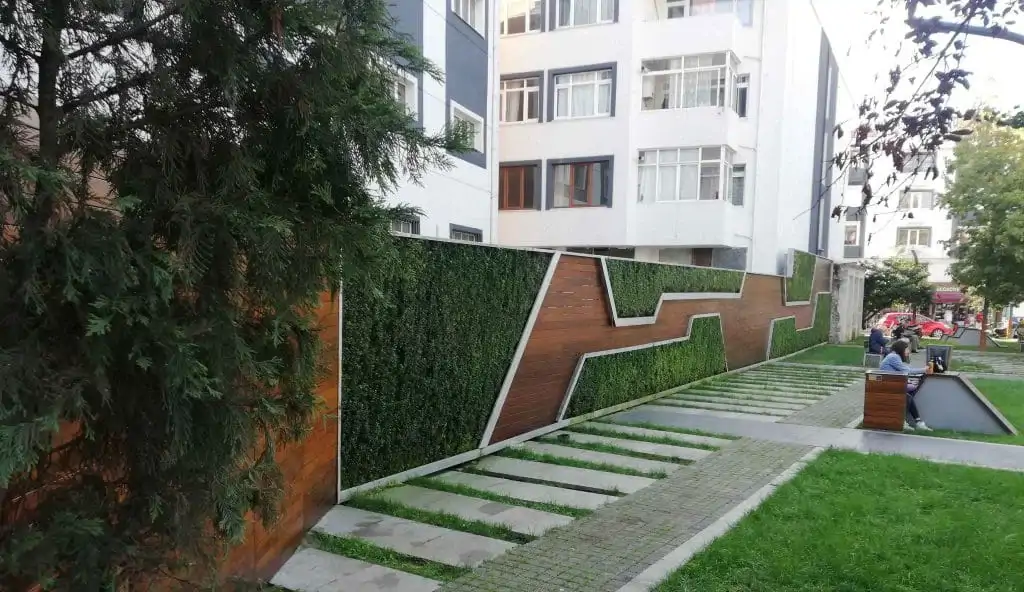
Meet the innovative solutions offered by Esular to start the digital transformation in your garden and manage your water professionally. Remember, the gardens of the future are built with today's smart technologies.
Take Action!
Contact us immediately to determine the most suitable irrigation solution for your garden and get free consultancy. Let our expert engineers project the most efficient system specific to the structure of your garden.
- Explore Esular Products: All Our Products
- Get a Free Demo and Quote: Contact Form
- Subscribe to Our Smart Farming Bulletin: Esular Blog