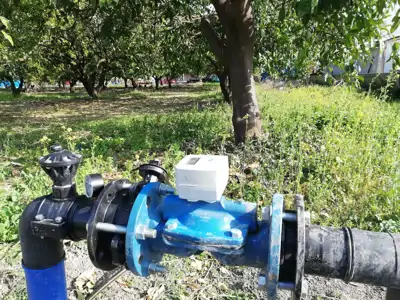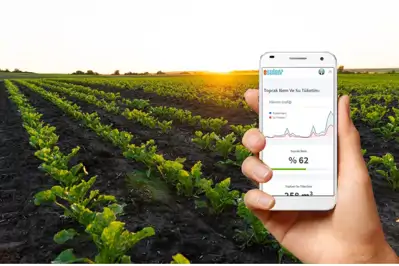
GSM Pump Control: Energy Saving and Remote Management Guide in Agriculture
Water and energy costs in agricultural production constitute a significant part of operating expenses. Especially in irrigation systems fed by well water, the control of pumps is of critical importance in terms of both efficiency and cost. Problems such as going to the field to control the pump with traditional methods, pumps operating at the wrong times, and unnecessary energy consumption are among the biggest concerns of modern farmers.
In 2025, technology offers innovative solutions to these problems. GSM remote pump control systems have now become an indispensable tool in agricultural irrigation. So, how exactly do GSM pump control systems work? Which features should be considered? Is energy saving really possible?
In this guide, we will examine GSM pump control systems in detail, scrutinize the innovative solutions offered by the esular brand, and demonstrate the benefits of the system with real usage scenarios.
What is a GSM Pump Control System?
GSM pump control systems are smart automation solutions that allow remote management of pumps via the mobile phone network. While in traditional systems you have to physically go to the wellhead to turn the pump on and off, with GSM technology you can control your pump from anywhere in the world.
Basic Working Principle
The system consists of three main components:
- Control Unit: Central electronic unit where pumps and sensors are connected
- GSM Module: Module that provides data communication over the mobile phone network
- User Interface: Mobile application or web panel
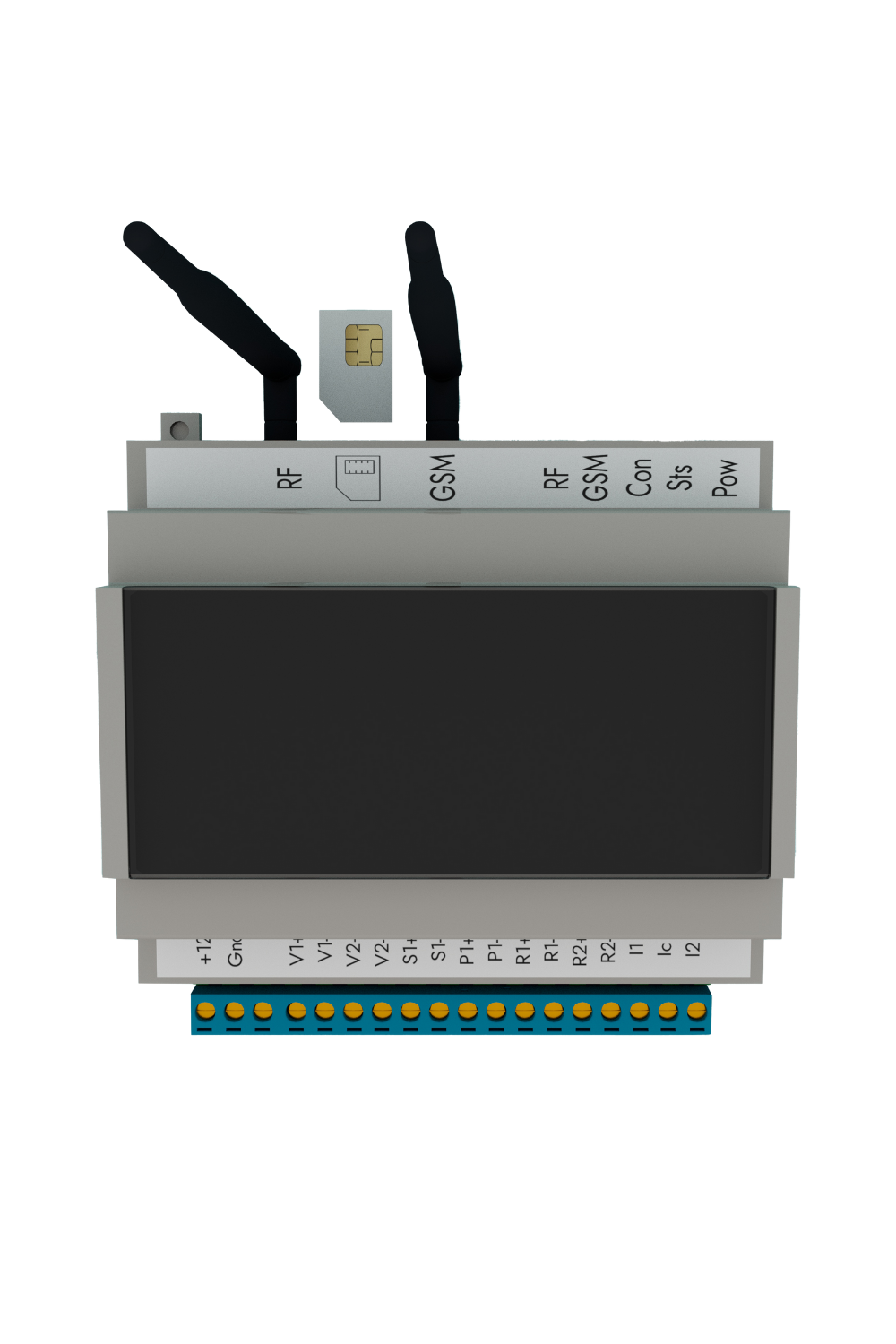
A SIM card is inserted into the pump control unit and the system connects to cloud servers via an internet connection. The user can turn the pump on and off via the mobile application, monitor sensor data, and create automatic scenarios.
GSM Pump Control Systems in the Market: Comparative Analysis
There are many GSM pump control systems with different features in the Turkish market. We can divide these systems into three main categories:
1. Basic SMS/Voice Call Systems
Features:
- SMS command or phone call pump on/off
- 4 relay outputs with multiple pump control
- Simple user manual
- Factory settings
Advantages:
- Affordable price (between 4,000-5,000 TL)
- Simple installation
- Understandable for elderly users
Disadvantages:
- No or very limited sensor support
- Control via SMS is troublesome
- No real-time monitoring
- Very simple automation features
- No data analysis and reporting
2. IVR (Interactive Voice Response) Systems
Features:
- Menu control with phone keys
- 2 relays + 2 digital outputs
- Administrator password system
- Power failure notification
Advantages:
- Easy use with phone menu
- Fault inputs available
- Mid-segment price
Disadvantages:
- No modern mobile application
- Limited sensor integration
- Lack of graphics and reporting
- Remote analysis cannot be performed
3. Smart Cloud-Based Systems
Features:
- Mobile application + web interface
- Pressure, flow, humidity sensor integration
- Real-time monitoring and notifications
- Automatic scenarios and scheduling
- Cloud-based data storage
Advantages:
- Full automation capabilities
- Energy saving optimization
- Pump protection systems
- Detailed analysis and reports
- Professional use suitable
Disadvantages:
- Higher initial investment cost
Why Are Smart Systems More Advantageous?
In modern agricultural enterprises, simple on/off control is not enough. Here are the critical advantages provided by smart cloud-based systems:
Up to 40% Savings in Energy Costs
Electricity bills are one of the largest expense items for agricultural enterprises. Especially pumps operating at the wrong times or unnecessarily increases this cost even more.
Night Tariff Optimization
Electricity tariffs in Turkey differ during day and night hours. Smart systems can halve energy costs by automatically operating the pump during the night tariff.
Example Calculation: If a 15 kW pump works 8 hours a day, monthly consumption is approximately 3,600 kWh. In the daytime tariff (approx. 3 TL/kWh), this means a cost of 10,800 TL. When you perform the same consumption in the night tariff (approx. 1.5 TL/kWh), the cost drops to 5,400 TL. Monthly savings of 5,400 TL!
Optimized Operation with Pressure Control
In automatic systems, pressure sensors continuously monitor the pressure in the irrigation line. The pump only works at the required power, preventing unnecessary loading.
Thanks to high-precision pressure sensor integration in the Esular system:
- System pressure is monitored instantly
- Pump is automatically stopped in case of excessive pressure
- Leakage warning is sent when low pressure is detected
- Operation at optimum pressure levels is ensured
Thanks to pressure control, energy savings of 15-20% can be achieved.
Consumption Tracking with Water Meter
Water meter integration in the system shows how much water you use instantly. In this way:
- You notice unnecessary water and energy consumption
- Detect leakage situations early
- Optimize your irrigation plans
- Compare energy consumption with irrigation efficiency
Dry Run Protection
When the well water level drops, the pump stops automatically. This feature both protects your pump and prevents wasted energy. In the Esular system, this protection is provided automatically with level sensors.
Esular F Series vs E Series: Which System is Right for You?
Esular offers two different product series in the field of agricultural automation. Although both series use GSM technology, there are significant differences in terms of target user base and features.
F Series: Ideal for Medium-Scale Agricultural Enterprises
The F Series is a product that combines basic and advanced features in pump control, standing out in terms of cost-performance balance.
Technical Specifications:
- 2 dry contact relay outputs – For pump control
- 2 solenoid valve outputs – 24V output
- 2 9V latch solenoid valve outputs – Low energy consumption
- 1 pressure sensor input – 0-10 bar, 4-20mA
- 1 water meter pulse input – Flow tracking
- 2 galvanic isolated signal inputs – Fault detection
- 12-36V external power input
- GSM + LoRa/LoRaWAN communication
F Series Models:
- FMin – Basic package, pump control focused
- FEx – Extended features
- FMax-Short – Fully equipped version
Who Should Use It?
- Medium-scale farms
- Single or two-pump systems
- Applications requiring pressure control
- Those looking for a budget-friendly professional solution
E Series: Professional Agricultural Enterprises and Complex Systems
The E Series is a system designed for large-scale enterprises, offering the highest level of features in agricultural automation.
Advanced Technical Specifications:
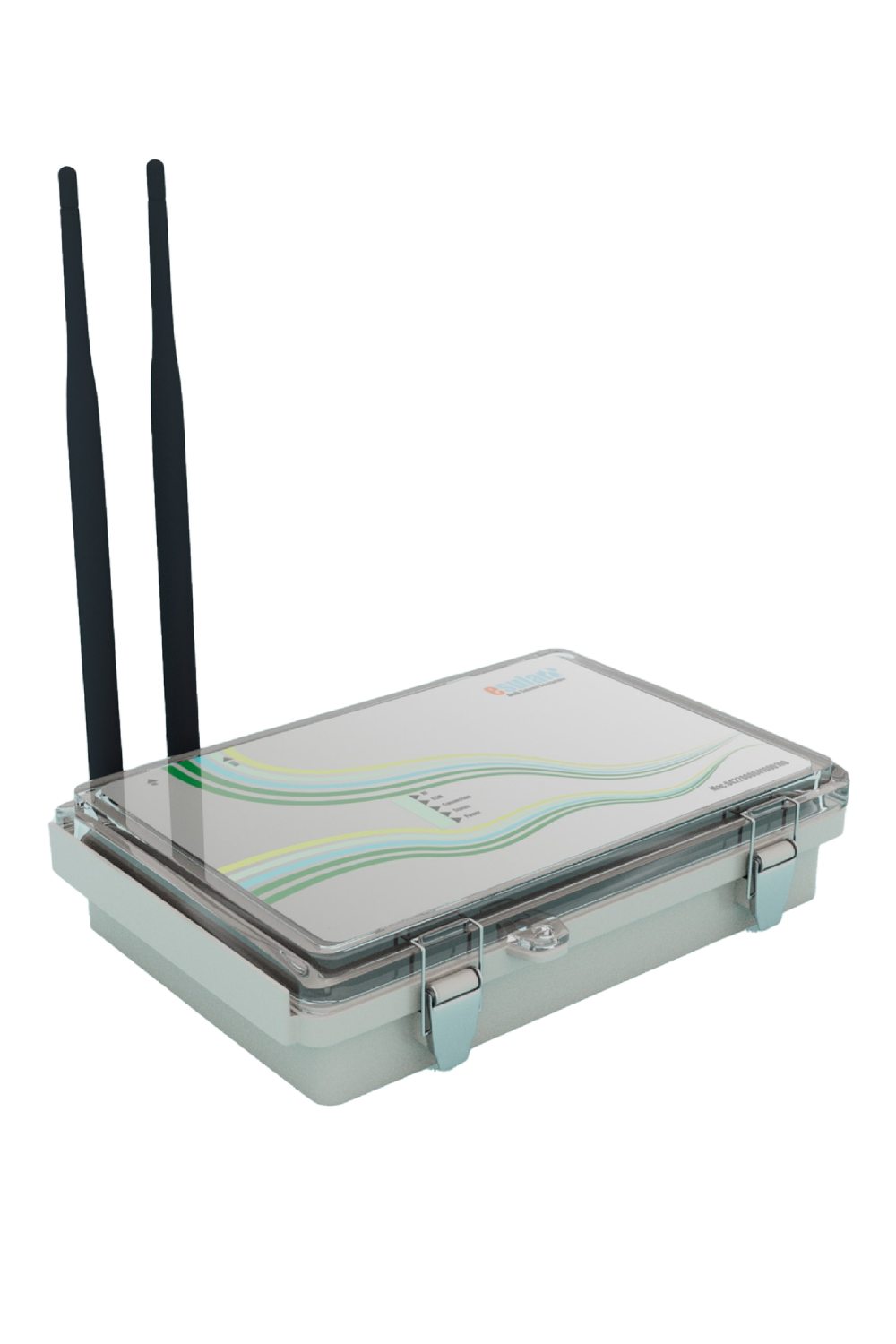
- Up to 4 pump/valve control (Relay Outputs C1-C4)
- 4 analog sensor inputs – Pressure, level, 4-20mA (A1-A4)
- 5 digital inputs – Pulse, float, status signals (I1-I5)
- Battery charging circuit – Uninterrupted operation
- RS485 and RS232 communication – Modbus RTU support
- 5 km wireless range – LoRa technology
- Uninterrupted communication up to 2 days with 14AH battery
- Solar energy support
E Series Key Features:
- Energy Analyzer Integration – Real-time power consumption analysis
- Inverter Control – Maximum efficiency with pump speed control
- Pivot Irrigation Support – Large-scale irrigation systems
- Wireless Sensor Network – Sensor reading up to 5 km
- Advanced Scenario Automation – Complex irrigation strategies
Who Should Use It?
- Large agricultural enterprises
- Irrigation cooperatives
- Multi-pump systems
- Projects prioritizing energy optimization
- Lands using pivot irrigation
F Series vs E Series: Quick Comparison
| Feature | F Series | E Series |
|---|---|---|
| Number of Pumps | 2 pumps | 4 pumps |
| Sensor Inputs | 2 units (pressure + water meter) | 9 units (analog + digital) |
| Wireless Range | 5 km | 1 or 5 km range options |
| Energy Analyzer | ❌ | ✅ |
| Inverter Control | ❌ | ✅ |
| Battery Charging System | ❌ | ✅ (14AH) |
| RS485/Modbus | ❌ | ✅ |
| Suitable Enterprise | Medium scale | Large scale |
| Price Segment | Economic | Premium |
How to Install a GSM Pump Control System?
The installation of the Esular system is quite simple and fast. Here is the step-by-step installation process:
1. Placement of the Central Unit
The GSM control unit is mounted next to your pump or at a suitable point. Thanks to the wireless structure, it does not require complex wiring.
Installation Point Selection:
- Close to the pump contactor
- Area with good GSM signal
- Protected from humidity, not in a hot place
- Easily accessible
2. Sensor Connections
Pressure sensor and water meter (optional) are integrated into the system. Since these sensors also work wirelessly, installation is very practical.
Connection Diagram:
- Pressure sensor: 4-20mA output, direct terminal connection
- Water meter: Pulse output, no external energy required
- Pump contactor: Dry contact relay connection
3. GSM Antenna and SIM Card Insertion
- GSM antenna is connected to the SMA connector
- Large size SIM card is inserted (PIN code must be removed)
- SIM cards with M2M lines should be preferred
4. Mobile Application Setup
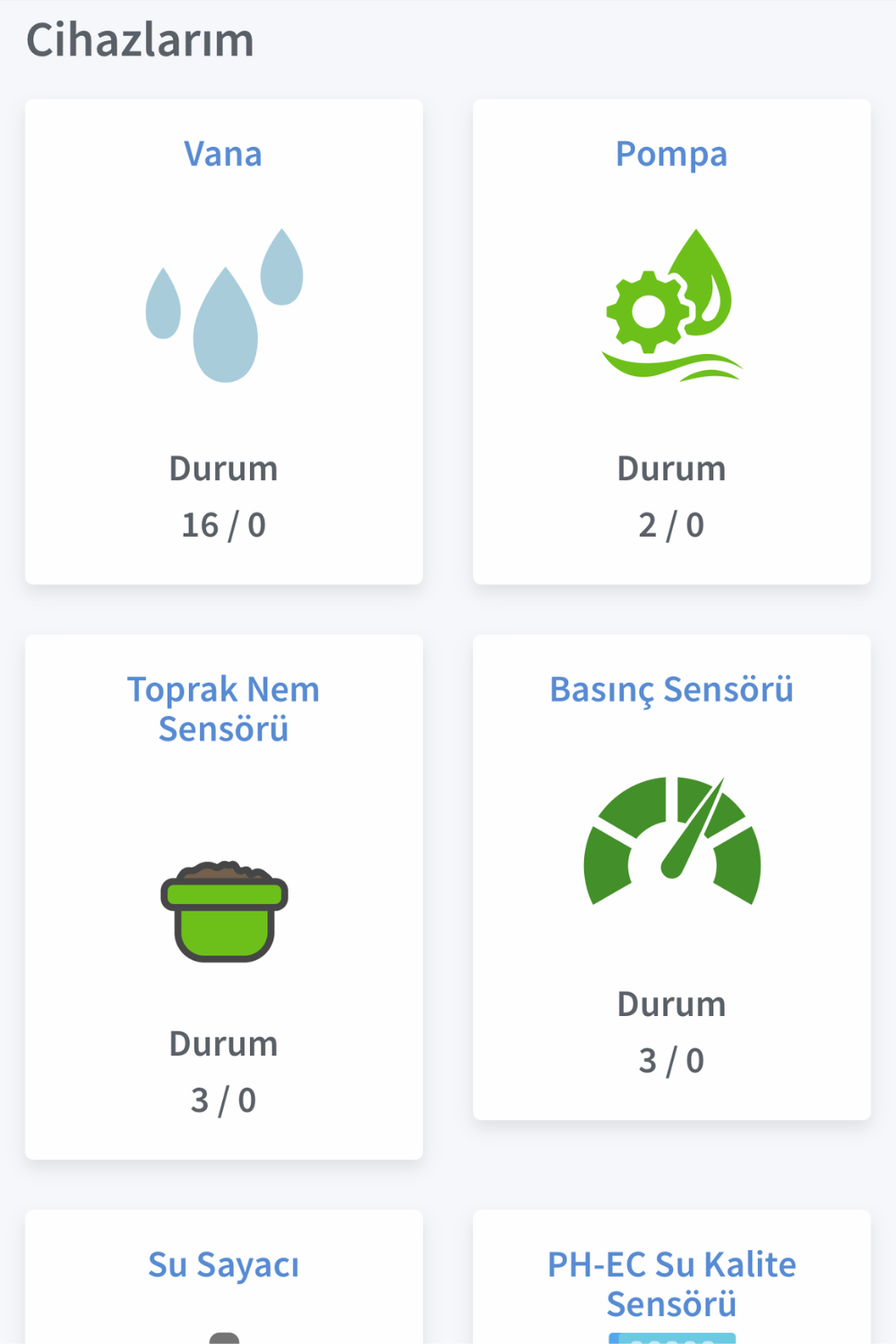
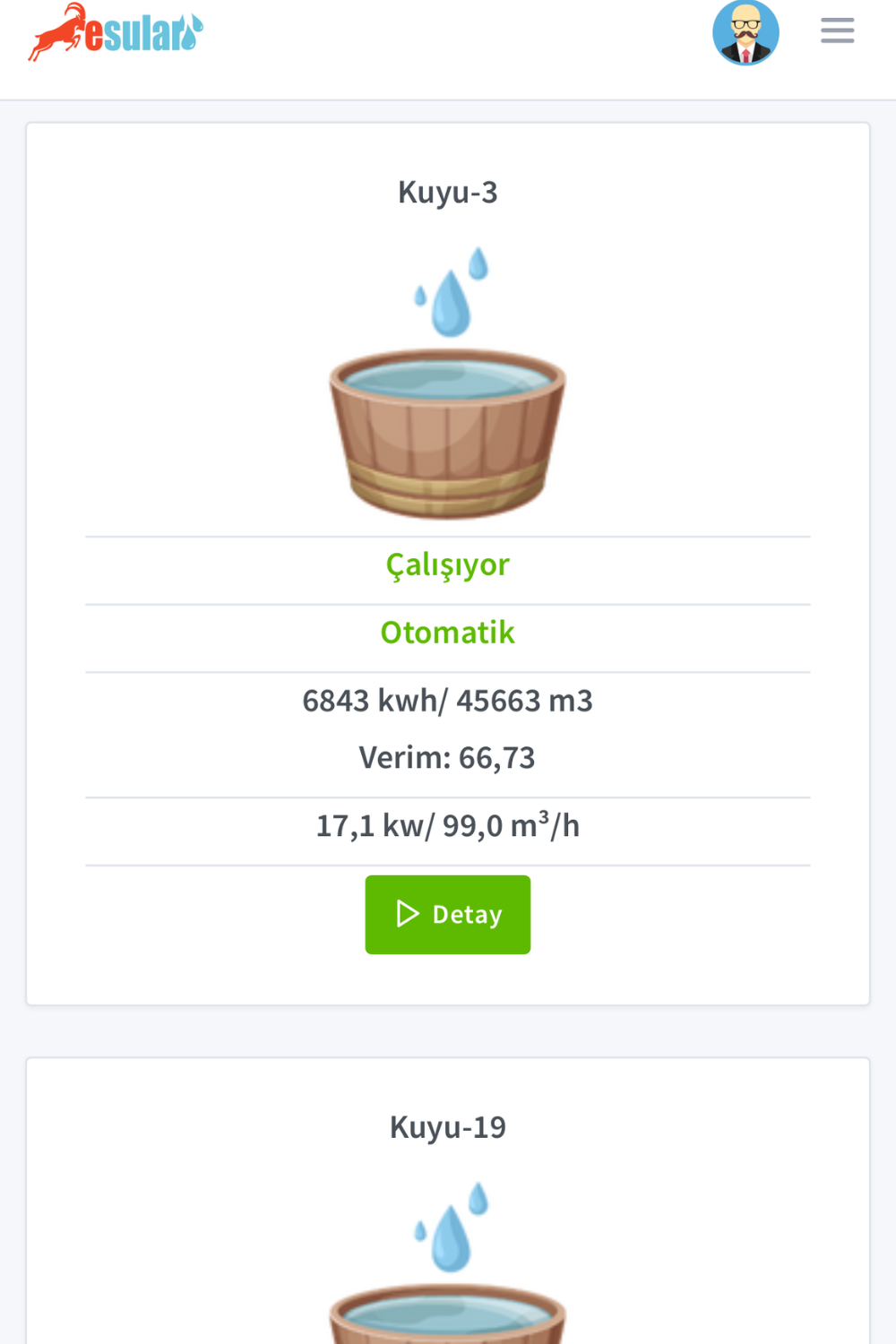
You download the esular mobile application and register your system. You can start controlling your pump remotely within a few minutes.
Application Features:
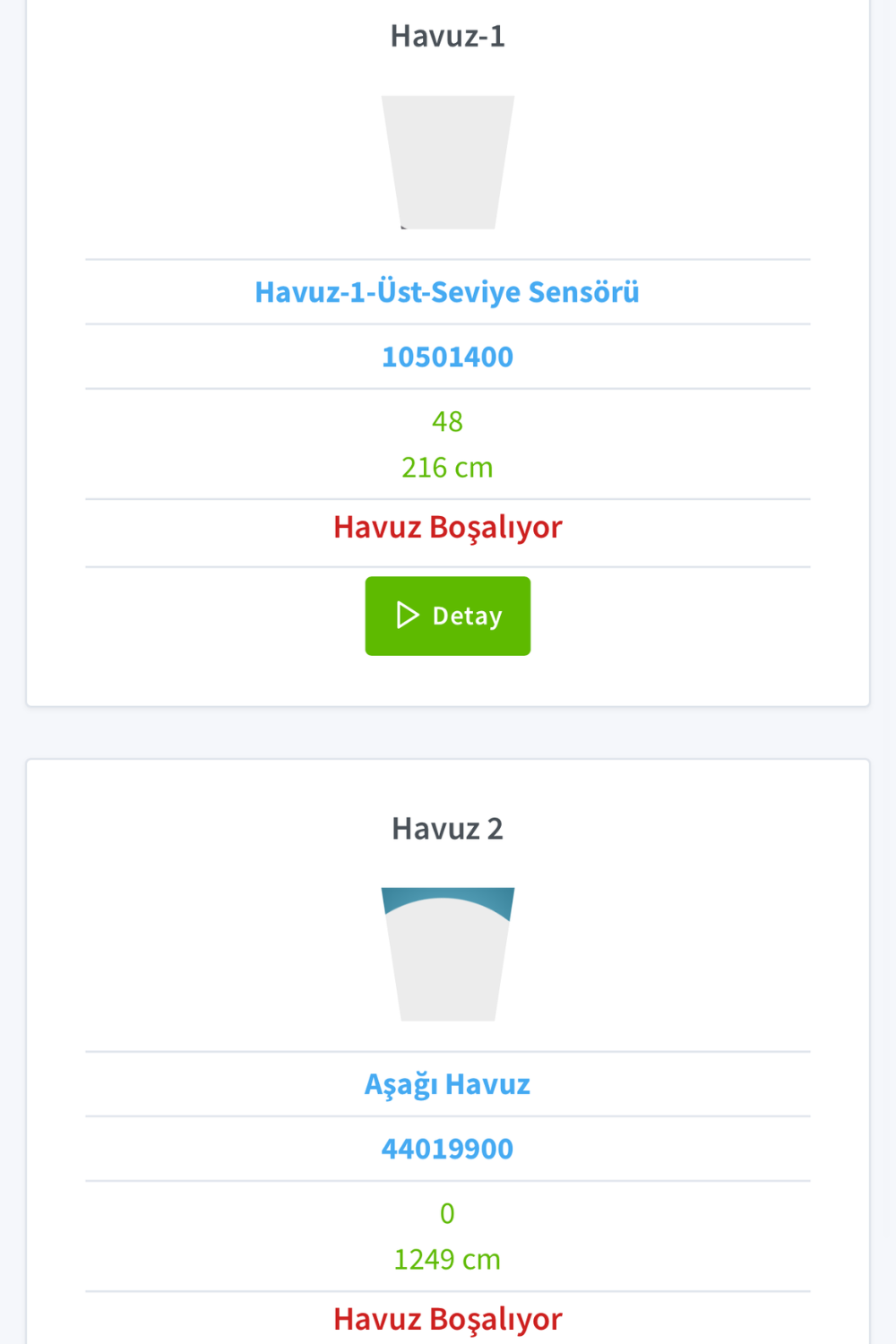
- Instant pump status
- Pressure and flow tracking
- Scheduling settings
- Alarm notifications
- History reports
5. Scheduling and Scenarios
You can easily set your irrigation hours, night tariff usage, and other automations via the application.
Scenario Examples:
- Open pump at 22:00 every day, close at 06:00 (night tariff)
- Stop pump if pressure falls below 4 bar (leakage protection)
- Close pump when water meter reaches 100 m³ (limit control)
Which Problems are Solved with GSM Pump Control?
1. Obligation to Go to the Pump
Problem: In traditional systems, it is necessary to go to the field to turn the pump on or off. This is a great loss of time, especially in distant lands.
Solution: Pump control from anywhere in the world with the GSM system. You can manage your pump even while on vacation.
2. Unnecessary Energy Consumption
Problem: The pump works more than necessary or stays on at the wrong hours.
Solution: Up to 40% energy savings with automatic scheduling and night tariff optimization.
3. Pump Malfunctions
Problem: Situations such as dry running, excessive pressure, power failure damage the pump.
Solution: Malfunctions are prevented with sensor-based protection systems and instant notifications.
4. Water Waste
Problem: The pump draws more water than necessary or leaks are not noticed.
Solution: Water usage is optimized with water meter integration and pressure tracking.
5. Insufficient Data and Analysis
Problem: No detailed information about energy and water consumption.
Solution: All data is presented with graphics and tables with cloud-based reporting.
Frequently Asked Questions
Does the system work in areas with weak GSM signal?
Yes, esular systems can work even in low signal conditions. Also, signal quality can be increased by using an external GSM antenna. In E Series models, the system continues to work even during temporary interruptions thanks to the 14AH battery.
Can the system be used without internet?
No, GSM pump control systems require an internet connection. However, very low-cost internet access can be provided with M2M (machine-to-machine) SIM cards.
How much is the electricity consumption of the system?
Control units work at very low power (12-24V, 1A). Daily electricity consumption is at a negligible level, approximately 0.3 kWh/day.
Can I control more than one pump with a single system?
Yes, F Series can control 2 pumps, and E Series can control 4 pumps. Multiple units can be used for more pumps.
Can I install the system myself?
Users with basic electrical knowledge can install it themselves. Our technical team provides remote installation support service.
Conclusion: The Future of Smart Agriculture
GSM pump control has become an indispensable part of modern agriculture. It provides significant added value to agricultural enterprises with advantages such as energy saving, efficiency increase, pump protection, and ease of use.
The Esular brand offers both economic solutions to medium-sized enterprises with the F Series and answers the professional needs of large enterprises with the E Series. Standing out from its competitors with wireless infrastructure, sensor integration, mobile application, and cloud-based analysis features, these systems are the pioneers of digital transformation in Turkish agriculture.
In 2025, enterprises that do not invest in smart irrigation systems run the risk of falling behind in terms of both cost and efficiency. Technology is no longer a luxury, it has become a necessity.
Examine Products
Other Related Products:
⚠️ Important Warning: The prices stated in this content are the list prices on the date of publication. For current prices and campaigns, please visit the store pages or contact us.