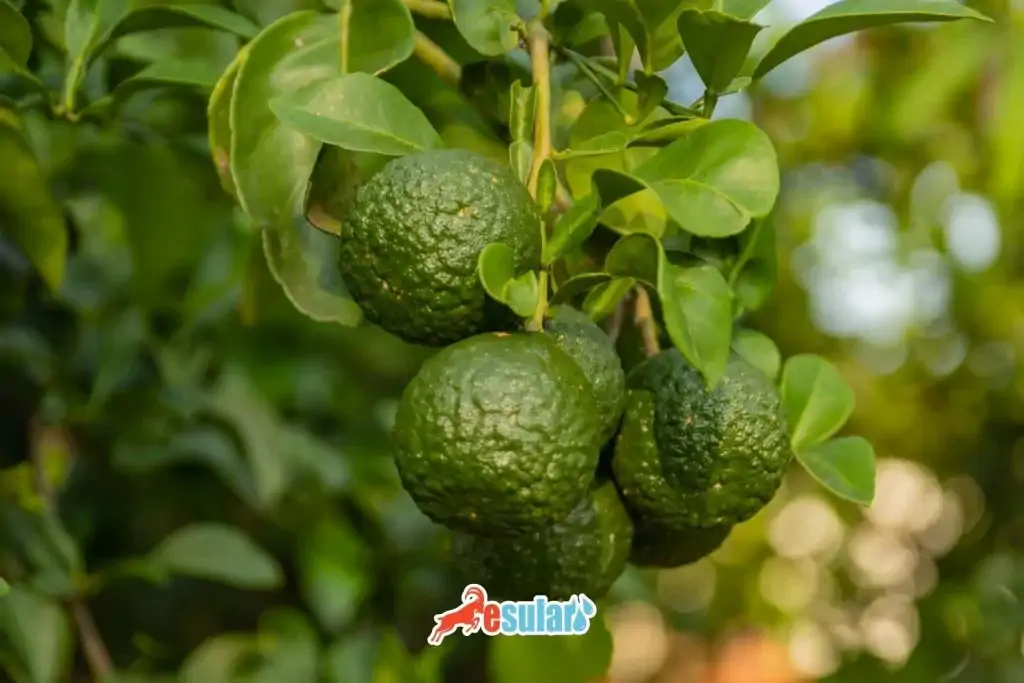
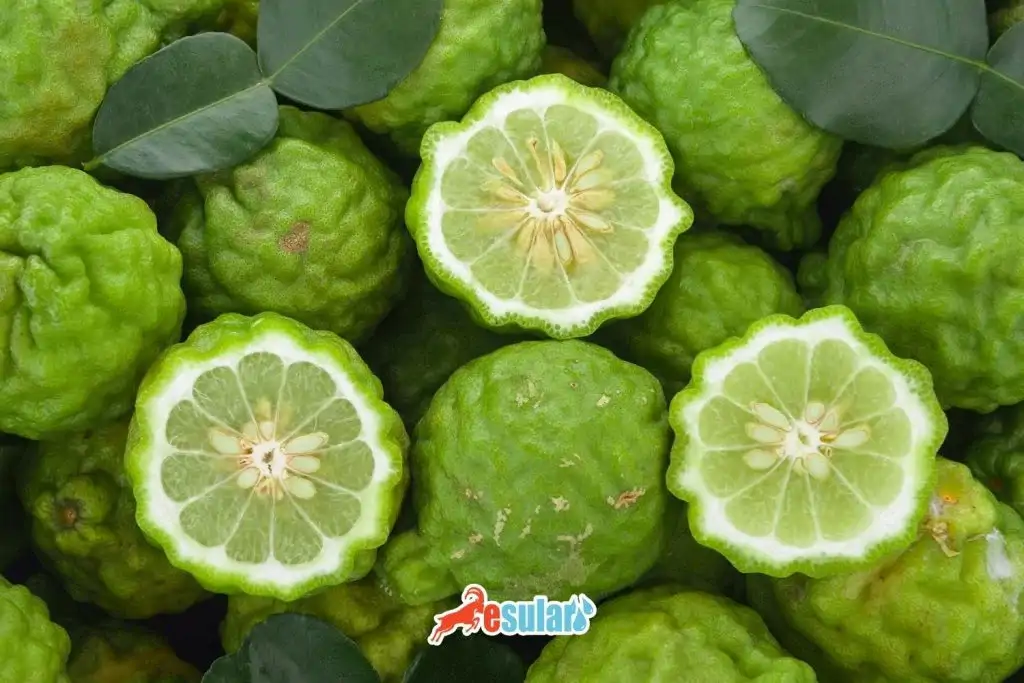
Bergamot cultivation is an art practiced to obtain the elegant aroma and health benefits of this special citrus fruit in the best way. The bergamot tree, which loves the hot and sunny conditions of the Mediterranean climate, adds both an aesthetic touch to gardens and provides many benefits to health. Bergamot's fruit, peel, and essential oils offer valuable components for use in many areas. In this article, we will provide a comprehensive guide to bergamot cultivation. First, we will examine the climate and soil conditions necessary for the successful growth of the bergamot tree. Then, we will touch upon tips for sapling planting and maintenance. By detailing irrigation and fertilization methods, we will explain how to grow a healthy bergamot tree. Additionally, we will provide information about the timing of fruit harvest and the health benefits of bergamot. By learning these various aspects of bergamot, we will share all the information that will help you become a successful grower.
Suitable Climate and Soil Conditions for Bergamot
Bergamot grows best in hot and temperate climates, and the hot summers and mild winters of the Mediterranean climate are ideal for the healthy development of this tree. The most suitable temperature range is between 15°C and 30°C; therefore, it is sensitive to cold weather conditions and must be protected from frost events. In terms of soil, bergamot prefers slightly acidic and well-drained soils. It provides the best yield in soils with a pH value between 5.5 and 6.5, and heavy soils that cause water accumulation should be avoided. Soils rich in organic matter, regularly irrigated, and well-drained allow bergamot trees to grow in a healthy and productive manner.
Bergamot Irrigation and Fertilization Needs
Regular irrigation and fertilization are of great importance for the healthy growth and high yield of bergamot trees. In terms of irrigation, bergamot trees need regular and sufficient water, especially during hot summer periods. Irrigation should be done several times a week to prevent the top surface of the soil from drying out; however, the soil should not remain completely dry. Water should be given directly to the roots of the trees, and well-drained soil should be preferred to prevent water from accumulating around the roots. Regarding fertilization, bergamot trees should be fed regularly during growth periods. In spring and summer, a balanced fertilizer should be used to provide the nutrients trees need, such as nitrogen, phosphorus, and potassium. Fertilization supports the fruit production and general health of the trees. Organic fertilizers, compost, or balanced liquid fertilizers can be preferred. Additionally, fertilizers containing micronutrients can also be used several times a year. Determining deficient nutrients by performing soil analysis and fertilizing accordingly increases the optimum growth and yield of the trees.
Bergamot Harvest
The harvest time for bergamot fruits is generally the period when the fruits turn from green to a yellowish-green color and their aromas become distinct. This is generally known as late summer or early autumn. Ripened fruits reach the best quality in terms of flavor and aroma by waiting for full maturation on the tree for several weeks. During the harvesting process, fruits should be carefully picked by hand. By gently cutting or twisting from the fruit stem, it should be separated from the fruit tree. Using a sharp knife or garden shears prevents the fruits from being damaged and the tree from being harmed. Collected fruits should be processed or stored immediately. Bergamot fruits are generally stored in cold storage or in cool, dry places to preserve their freshness. After harvest, the fruits can be used for essence and oil production or utilized in various ways such as fresh consumption and jam making.
Economic Value and Usage Areas of Bergamot Cultivation
Bergamot cultivation has great value from both economic and industrial perspectives. This citrus species has wide usage areas, especially in the health and cosmetics sectors, and this situation increases the economic value of bergamot cultivation. Bergamot fruit is used as an important component, especially in the perfumery and aromatherapy industries. Bergamot oil is widely found in perfumes, soaps, and skincare products. Additionally, its use as a tea and sweetener reveals bergamot's role in the food sector as well. Bergamot aroma in tea is prominently featured, especially in Earl Grey tea. The health benefits of bergamot are another factor that increases its agricultural value. The fruit offers many health benefits such as helping with digestive problems, strengthening the immune system, and reducing stress. These features ensure that bergamot products are in demand in the health and wellness market.
Does Bergamot Grow in Turkey?
Economically, bergamot cultivation is quite valuable, especially in regions with a Mediterranean climate. In regions of Turkey such as Antalya and Muğla, bergamot cultivation contributes to the agricultural economy and offers additional income opportunities to local producers. Cultivation also creates employment and supports economic development in rural areas.