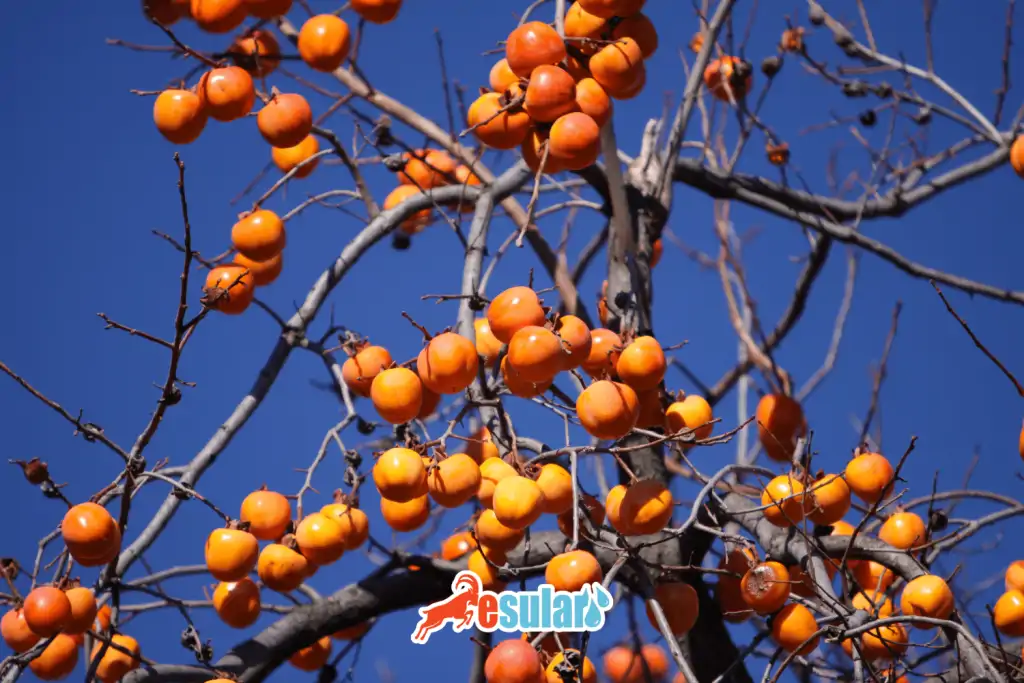
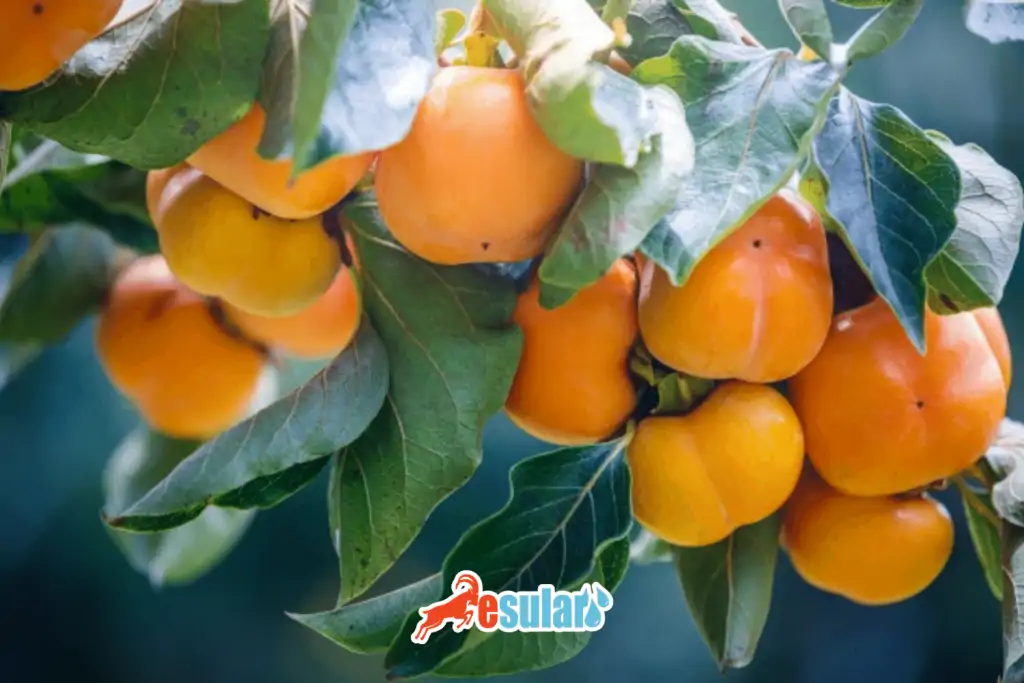
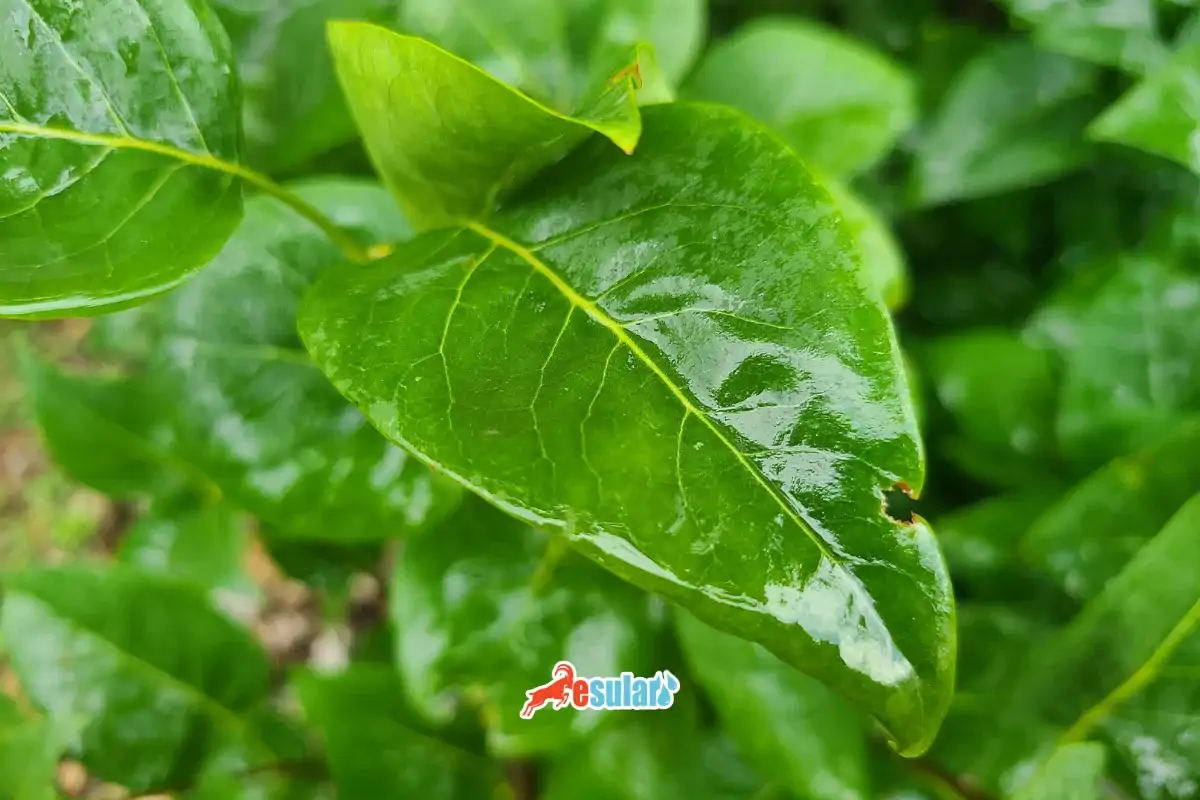
If you want to cultivate persimmons, you can find the step-by-step instructions you should follow below:
Climate and Soil Assessment: Persimmons prefer humid and temperate climate conditions. Therefore, growing them in a region with suitable climate conditions will be more successful. Soil quality is also important; well-drained soil rich in organic matter is ideal.
Selection of Suitable Variety: Among persimmon varieties, there are different growth habits and fruit characteristics. It is important to choose the variety most suitable for your needs and the conditions of your region. You can get advice on variety selection from local nurseries or agricultural experts.
Garden Preparation: Prepare the area where you will grow persimmons well. Plow the soil, add organic matter, and ensure good drainage. Also, choose a location that can receive sun.
Sapling Planting: Before planting the saplings in your garden, arrange them at appropriate intervals. Dig the planting holes and place the saplings carefully. Ensure the roots make good contact with the soil. Cutting or pruning sapling roots before planting is generally not recommended.
Irrigation: Persimmons need regular and sufficient irrigation. Especially when saplings are newly planted and during drought periods, giving water is important. For irrigation, you can use drip irrigation or similar effective irrigation methods.
Fertilization: To support plant growth and increase yield, you should fertilize regularly. You can use organic fertilizers or fertilizers specifically for fruit trees. Apply according to the fertilization instructions.
Disease and Pest Control: Persimmons can be sensitive to some diseases and pests. Check the plants regularly and take appropriate measures if necessary. Consult an expert before using chemical control methods.
Pruning: Prune regularly to bring your plants into a certain shape and to control the unnecessary growth of branches. Be careful during pruning and try not to injure the plant while removing excess branches.
Harvest: Wait for the persimmons to reach proper maturity for harvesting. Ripe fruits have a soft and sweet texture. They are harvested by gently plucking them from their branches.
Storage and Marketing: Clean the harvested persimmons and store them under suitable storage conditions. Afterwards, you can market your fruits in local markets or through direct sales.
Persimmon cultivation is a process that requires patience and regular care. By understanding the climate and soil conditions well and by providing regular care to your plants, you can successfully grow these fruits.