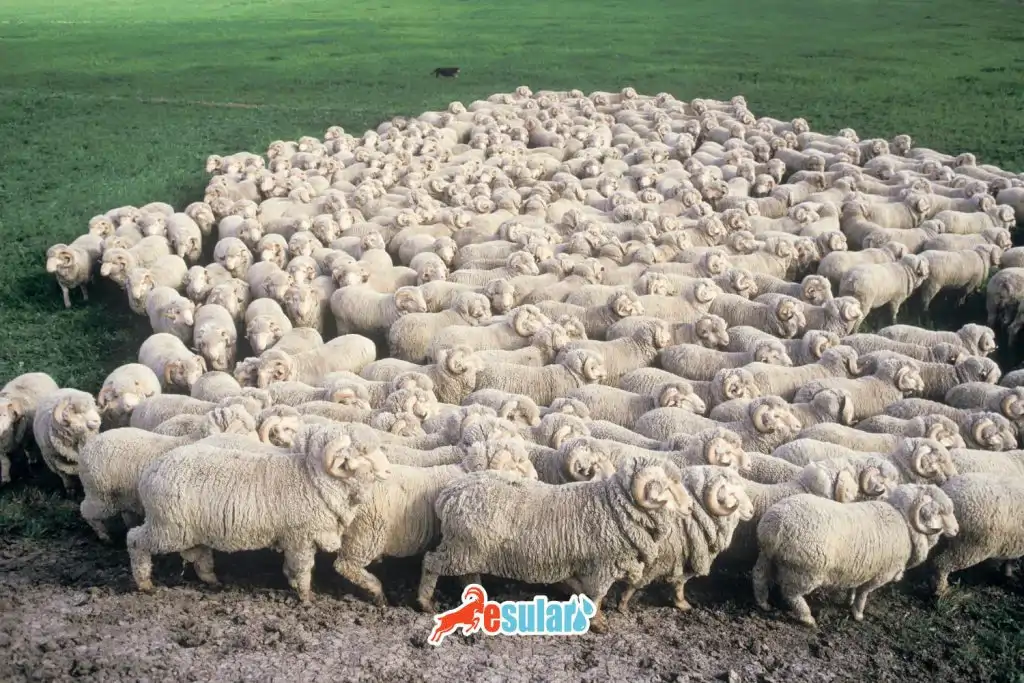
How is Breeding Selection Done in Sheep?

24 Ocak 2026 Çağla Altıntaş 14 görüntülenme
Tüm Yazılar

How is Breeding Selection Done in Sheep?

Breeding selection in sheep is a process carried out to increase the genetic quality in the flock and the productivity of the desired products. In this process, it is essential to select sheep according to their product purposes. For example, in meat-oriented breeding, sheep with high meat yield are preferred, while in milk-oriented breeding, those with high milk yield are selected. The genetic characteristics and physical structure of breeding sheep are also taken into account. While healthy, symmetrical, and durable sheep are preferred, physical characteristics such as fertility, wool quality, body size, and leg structure are also important. In addition, past performance records are evaluated in breeding selection and future productivity is estimated. Breeding selection aims to improve the genetic quality in the flock and increase the productivity of the desired products by creating a healthy and productive sheep flock.

Why is Breeding Selection Important?

Breeding selection is one of the most important steps in an animal breeding enterprise because it directly affects the productivity and quality of the flock. With a good breeding selection, more meat, milk, and wool production can be achieved. Additionally, adding animals with desired genetic traits to the flock helps to strengthen the desired traits and reduce undesired traits in future generations. Quality breeding selection can increase the overall health of the flock, and the health status of the flock can be improved by selecting genotypes resistant to diseases. Correctly selected breeding animals show high reproductive success, which increases the overall growth and population of the flock. Quality breeding selection can lower business costs in the long run and improve the cost-yield balance. Finally, breeding selection helps the enterprise achieve its long-term goals and ensures the future success and sustainability of the enterprise.

damizlik-koyun

What Should Be Considered in the Selection of Breeding Sheep?

There are several important points to consider in the selection of breeding sheep. Here are those points:

  • Genetic Quality: The genetic potential of breeding sheep should be evaluated. Selection should be made towards carrying the desired traits by examining the genetic history of the ewes and rams.

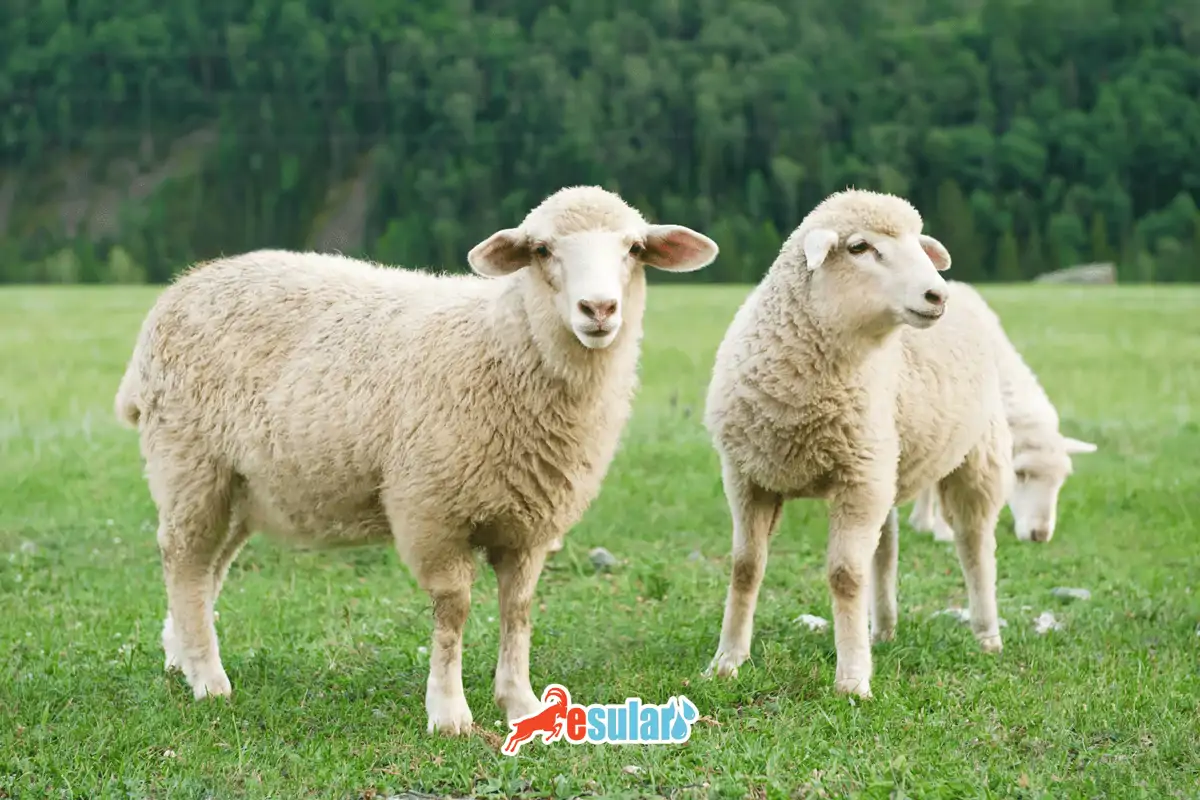
  • Physical Structure: It is important for the sheep to be healthy, symmetrical, and durable. It is preferred that they have a proper body structure, sturdy legs, and a smooth coat.

  • Productivity: The fertility and productivity of breeding sheep should be evaluated. An idea about their productivity should be gained by examining performance records such as previous births and milk yield.

  • Freedom from Diseases: It is important that the selected breeding sheep are healthy and genetically resistant to diseases. Therefore, health history and vaccination status should be checked.

  • Feed Utilization Ability: The feed utilization ability of breeding sheep should be taken into consideration. Sheep that are well-nourished and consume feed effectively should be preferred.

  • Rearing Conditions: It is important that the selected breeding sheep are suitable for the rearing conditions. Factors such as climate, altitude, and feed resources in the flock should be considered.

These factors are important for achieving success in breeding sheep selection and ensure that correct decisions are made.

damizlik-koc-secimi

At What Age are Breeding Sheep Selected?

The age of the animals is also an important factor in breeding selection. Specifically, it is not recommended to select animals younger than 6 months as breeding stock. Since the breed characteristics of animals in this age group are not fully evident, their future performance may not be predictable. Therefore, breeding selection should be avoided while waiting for them to complete their maturation process. Additionally, it is known that the yield characteristics of rams decrease after 5-6 years and ewes after 7 years. Therefore, old animals should not be selected as breeding stock. As age progresses, a decrease in productivity can be observed, and this situation can negatively affect the overall performance in the flock. Young and productive animals should be preferred in terms of remaining productive in the flock for a longer period. In this way, the overall productivity and quality in the flock are ensured.

How is Breeding Ram Selection Done?

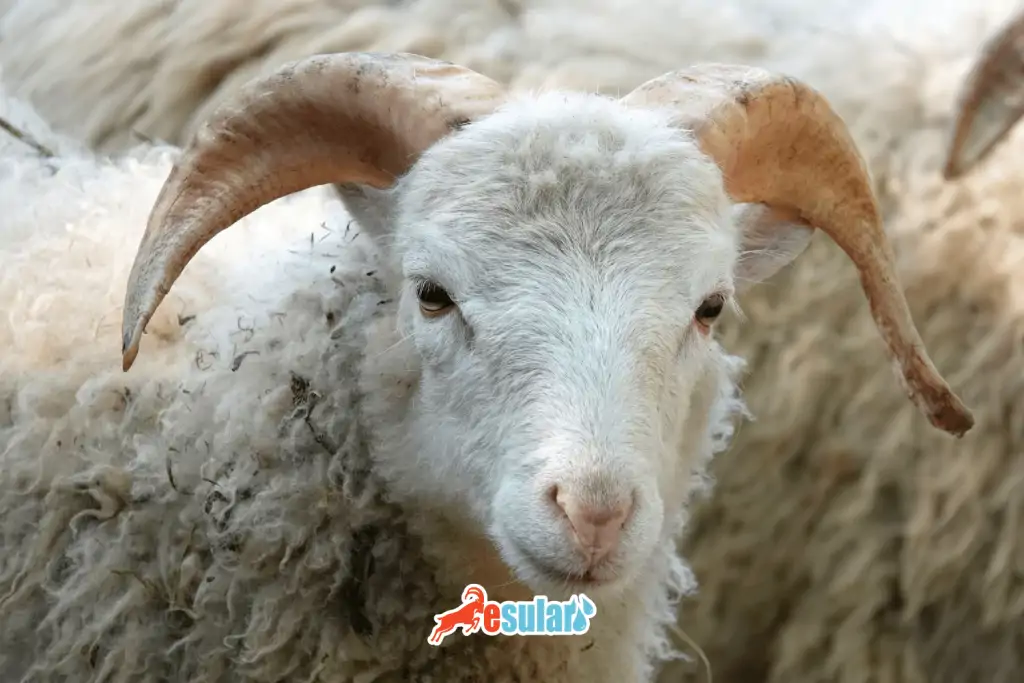
Breeding ram selection is a critical step to increase reproductive success and strengthen desired genetic traits in animal breeding enterprises. There are many important characteristics to consider when choosing a ram. First of all, care should be taken to ensure that the rams' testicles are equal to each other. The size, placement, and symmetry of the testicles are important to avoid reproductive problems. Additionally, a high mating desire in rams increases reproductive efficiency. Rams with high semen yield increase the pregnancy rate of the ewes in the flock, thereby increasing reproductive success. For this reason, in addition to the general characteristics possessed by the rams, it should also be considered that female offspring can offer high yields. Other important characteristics to consider in the selection of breeding rams include exhibiting the full characteristics of the breed, having bright and clear eyes, having descended testicles in the scrota, and the wool carrying the characteristic features of the breed. Furthermore, it is important that the rams' legs are short and straight and that they crouch when their rump is pressed. In this way, reproductive efficiency in the flock can be increased and the desired genetic traits can be strengthened.

damizlik-kuzu-secimi
", "metaTitle": "How is Breeding Selection Done in Sheep?", "metaDescription": "How is Breeding Selection Done in Sheep? Breeding selection in sheep is a process carried out to increase the genetic quality in the flock and the productivity of the desired products.", "metaKeywords": "breeding selection, sheep, ram selection, genetic quality, animal breeding, productivity

Yorumlar

Daha Fazla İçerik İster misiniz?

Akıllı tarım hakkında en güncel içerikleri takip edin.