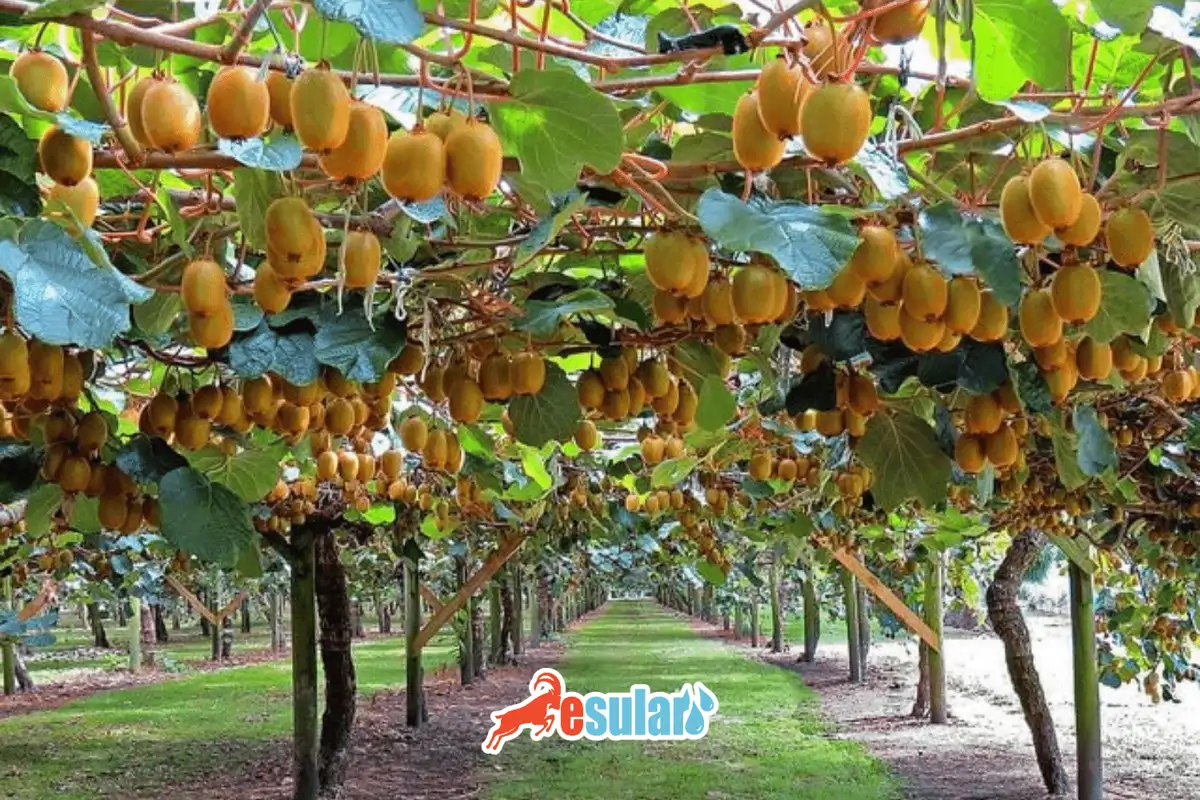
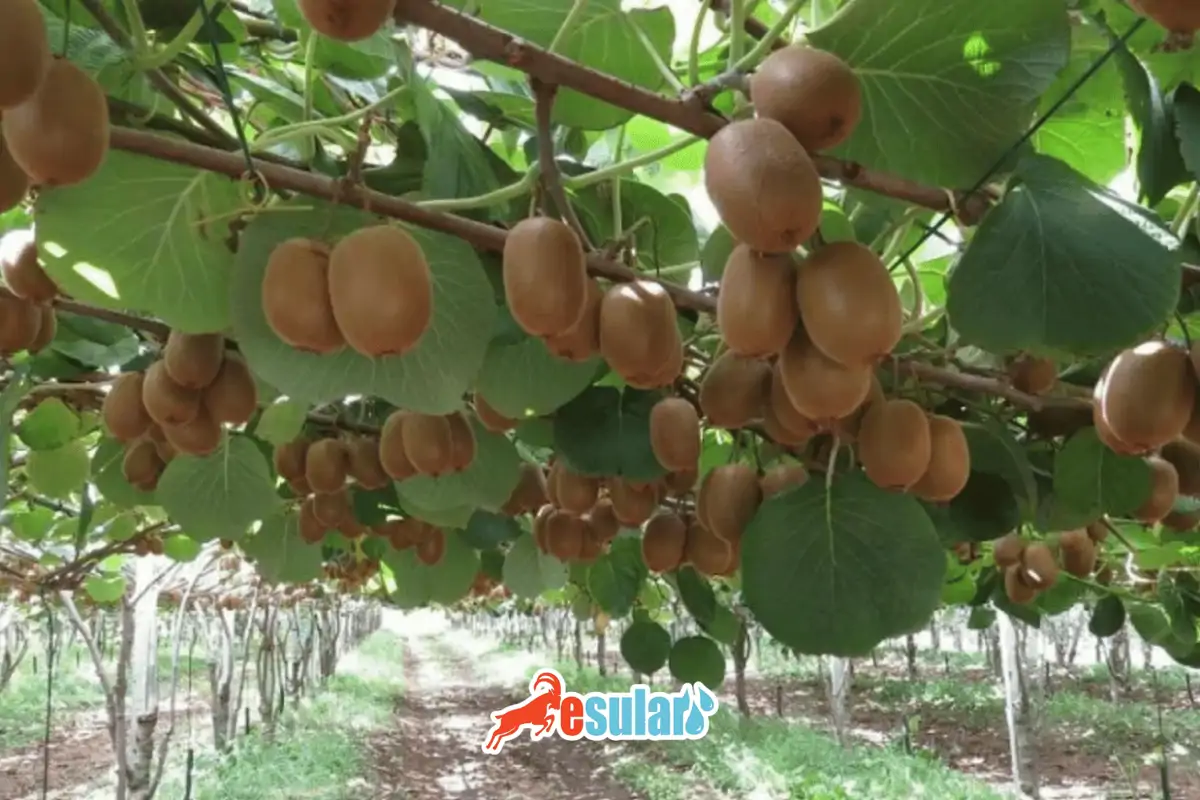
Kiwi (Actinidia deliciosa) is a fruit species especially of Asian origin. Kiwi is a fruit that is generally oval or egg-shaped, has a hairy skin, and is greenish in color. The inner part is bright green in color and contains small, black or brown seeds. Kiwi has a sweet and slightly sour flavor.
Kiwi is known for its high vitamin C content and is therefore considered a fruit with high nutritional value. It also contains other vitamins and minerals such as potassium, vitamin A, vitamin K, and fiber. For this reason, it is recommended to be consumed as part of a healthy diet.
Kiwi is the fruit of the kiwi tree, which is a tree-like plant. The fruits are usually harvested in the fall or early winter. Kiwi cultivation may require special conditions and is more common in regions with suitable climate and soil conditions.
How is Kiwi Cultivation Done?
How kiwi cultivation is done, kiwi cultivation can be successfully carried out when done under the right conditions and with care. There are some basic steps for kiwi cultivation. These are;
Climate and Soil Selection:
Kiwi plants generally grow in temperate climates. Regions where frost events are rare should be preferred. The soil should be well-drained, rich in humus, and have a slightly acidic pH level.
Variety Selection:
You should choose kiwi varieties suitable for your climate. Generally, the commercially grown Hayward variety is the most common, but you can also research other varieties suitable for your region.
Garden Preparation:
A suitable area should be selected for the kiwi garden. A place that is exposed to sunlight for at least six hours should be preferred. The soil should be well prepared, organic matter should be added, and missing minerals should be completed by performing a soil test.
Sapling Selection and Planting:
Quality saplings should be selected. Generally, 1-2 year old saplings are preferred. You should plant the saplings at appropriate distances in your garden. Kiwi plants should not be close to each other; usually, a 3-4 meter interval is left.
Maintenance:
Irrigation requirements of kiwi plants must be met. Regular irrigation is especially important during the summer months. After the kiwi tree's need for high-quality soil and sufficient space is met, it needs to be regularly irrigated, fertilized, and pruned.
Fertilization:
Balanced fertilization should be applied to kiwi plants during appropriate periods. For the kiwi plant, chlorinated potassium fertilizer is the most suitable fertilizer.
Winter protection:
You can use covers or insulation materials to protect your plants during the cold winter months.
Regular Pruning:
Pruning kiwi plants regularly increases yield and protects the health of the plants.
Pests and Diseases:
Kiwi plants can be sensitive, especially to scale insects and fungal diseases. These problems should be kept under control by making regular observations and applying control methods when necessary.
Harvest:
Kiwi fruits are usually harvested in the fall or early winter. When the fruits ripen, their skins soften slightly and they become sweet.
Kiwi cultivation is a process that requires patience, and it may take several years to get the first fruits. However, with proper care and management, you can create a productive kiwi garden. Additionally, getting help from agricultural experts and local agricultural specialists in your region can also be beneficial.
How is Kiwi Irrigation Done?
Performing the irrigation of kiwi plants correctly is important for ensuring the healthy growth of the plants and the efficient production of fruit. Soil moisture should be checked regularly. Irrigation is necessary when the soil in the first 15-20 cm depth begins to dry. Kiwi plants generally need more water during the summer months; they should be checked frequently during this period. In windy weather and high temperatures, plants can lose more water, so more frequent irrigation may be required in these conditions.
Early morning hours or late afternoon, when the sun is at its least, are the most suitable times for irrigation. This minimizes water loss through evaporation. Care should be taken not to let the roots of kiwi plants get wet overnight, as this can cause fungal diseases.
You can use a Drip irrigation system for kiwi irrigation. This helps the water to be distributed in a balanced way. The amount of irrigation can vary depending on the soil structure and the age of the plant. Generally, it is better to provide regular and slow-flowing water in kiwi cultivation. The irrigation program should be adjusted according to climate conditions and seasonal changes. While the need for irrigation may be less in winter, more water may be required in summer.
By regularly monitoring the irrigation of kiwi plants and adjusting it according to their needs, you can create a healthy and productive kiwi garden. If you have any doubts about irrigation, you can reach out to your irrigation assistant Esular.