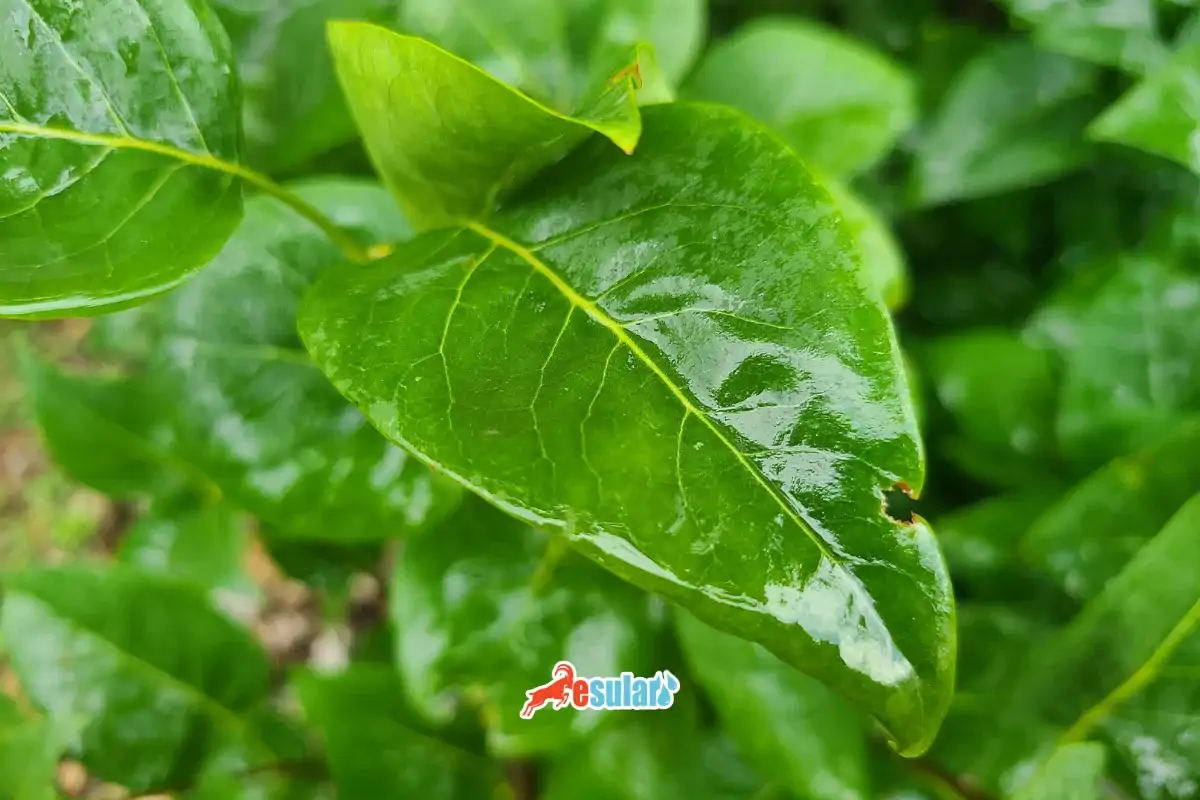
Plum cultivation is an important agricultural activity with a long history and incorporates many cultural and economic values. Plums are fruits with a wide range of use from fresh consumption to processed products and are a popular commercial product worldwide. Generally preferred in temperate climates, plums are both known for their nutrient-rich content in terms of health and are an ideal option for farmers because they are easy to grow. Modern agricultural techniques, smart irrigation systems, and hygienic storage methods are also frequently used to increase fruit yield and quality. Additionally, various plum species and their compatibility with climate and soil characteristics offer farmers wide options and provide an advantage in meeting different market demands. Plum cultivation is not just an agricultural activity, but also a sector that plays an important role in regional economies. In the process from production to reaching the consumer, farmers have the responsibility to maintain quality and minimize environmental impacts through sustainable farming practices. Therefore, plum cultivation is a dynamic agricultural discipline that requires the integration of knowledge, experience, and technology.
Climate and Soil Structure in Plum Cultivation
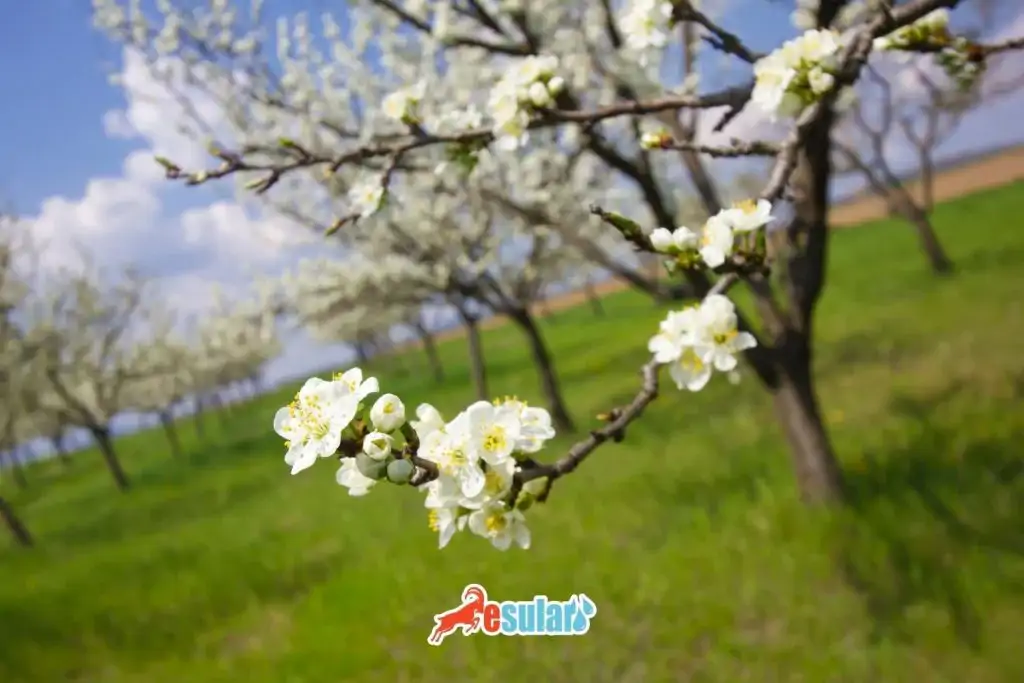
Plums generally give the best results in temperate and semi-arid climates. Especially the absence of frost risk in winter, summer temperatures not being high, and a balanced distribution of precipitation are important criteria for plum cultivation. Additionally, protection from excessive winds is a factor to be considered. Soil structure is also very important in plum cultivation. Plums develop best in deep, well-drained soils rich in nutrients. The ideal soil pH value should generally be between 6-7, and slightly acidic soil is preferred. Furthermore, the soil structure being clayey, loamy, and rich in organic matter promotes root development and supports plant health. For this reason, those who will cultivate plums should take care to provide the correct climate and soil conditions. When these conditions are met, a productive and high-quality plum harvest will be possible.
Irrigation in Plum Cultivation
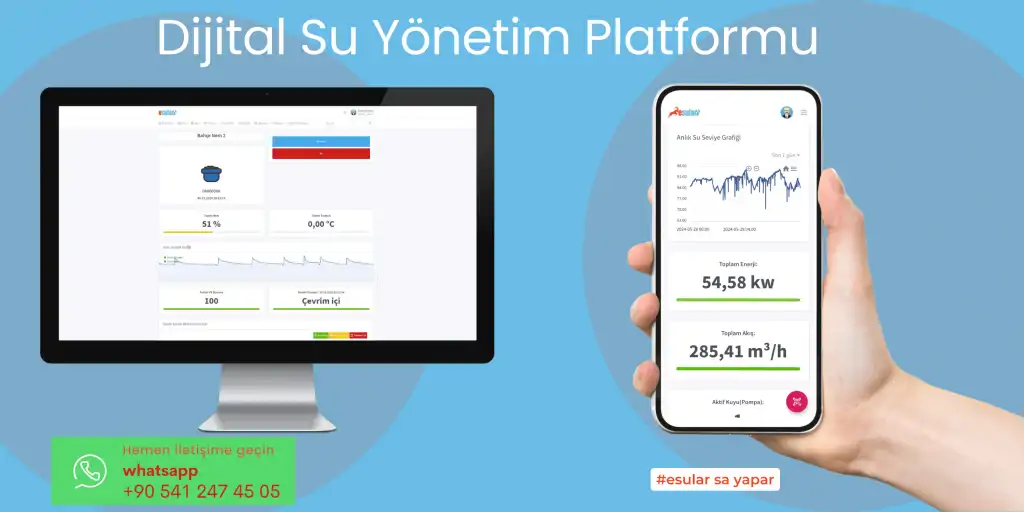
Irrigation in plum cultivation is a critical factor with a direct impact on plant development and fruit quality. Smart irrigation systems ensure the effective use of water, providing both water savings and optimizing plant health. These systems, which continuously monitor soil moisture, plant water needs, and environmental conditions through sensors, make it possible to take data-driven decisions. In this way, by ensuring that water is applied at the right time and in the right amount in plum orchards, the risks of over-irrigation or drought are minimized. Smart irrigation systems can also be monitored and managed remotely via mobile applications, thus allowing producers continuous control and intervention. Consequently, the use of smart irrigation systems in plum cultivation is of great importance in terms of a more efficient production process and the adoption of sustainable agricultural practices. You can contact us to get more detailed information about smart irrigation systems.
Fertilization in Plum Cultivation
Fertilization in plum orchards should be based on soil analysis results. Fertilizers generally preferred for plums are balanced formulas that promote root development of the plant and provide the nutrients necessary for fruit formation. Organic fertilizers improve the structure of the soil, increasing its water-holding capacity and supporting soil microbial activities. Chemical fertilizers, on the other hand, show fast effects and provide specific nutrients directly to the plant. The fertilization program is usually adjusted according to the growth stages of the plums; nitrogenous fertilizers are generally preferred in early spring and autumn periods, while fertilizers containing phosphorus and potassium are used more during flowering and fruit ripening periods. With correct fertilization, plant health can be maintained in plum orchards and a productive yield can be obtained.
Plum Harvest
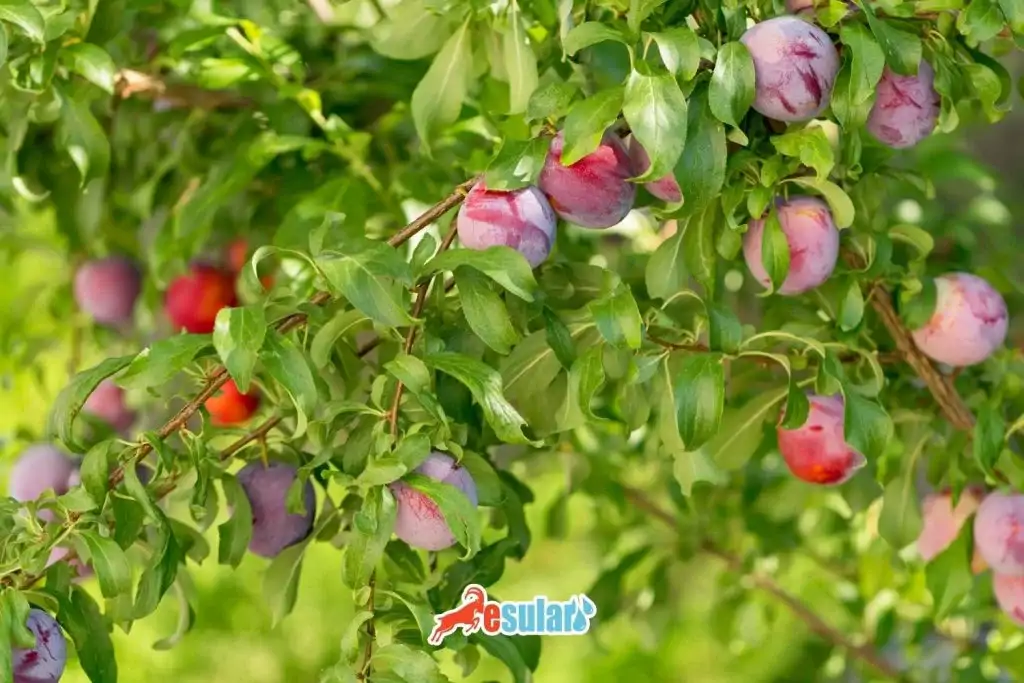
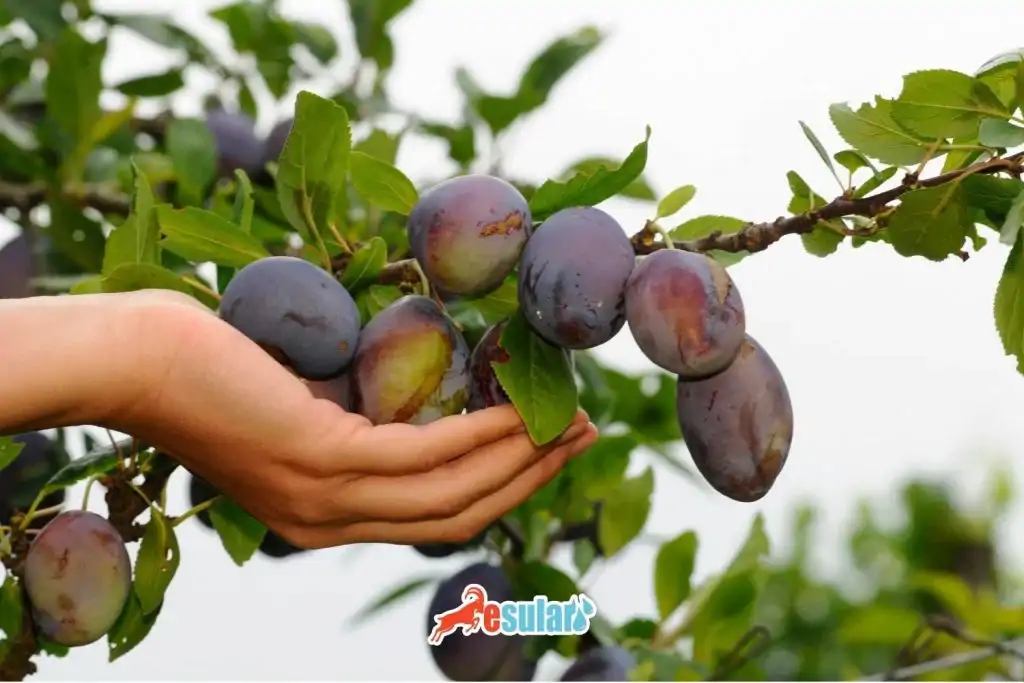
Harvest is the process of collecting fruits during the ripening process of the plant and preparing them for marketing. Harvest time is determined based on the degree of maturity of the plums and market demands. Plums are usually picked by hand and are fruits that can be easily detached when they ripen. There are some important points to consider during the harvest process. First, the maturity of the fruits should be checked visually and by touch. The color of the plums can usually vary depending on the variety, but ripe plums usually separate easily from the fruit stalk and their taste is sweeter. Harvested plums should be transported and stored carefully to avoid damage. In this process, hygiene rules must be followed and appropriate storage conditions must be provided to preserve the quality of the fruits. Harvested plums are made suitable for marketing and consumption and presented to consumers. Plum harvest is an important stage of the agricultural production process and increases fruit quality and consumer satisfaction when done at the right time. Producers should carefully plan the harvest process and have a productive harvest period by receiving professional support when necessary.
Post-Harvest Storage
The plum storage process is an important step that ensures the harvested fruits reach the consumer while preserving their quality. Harvested plums should be carefully selected before storage, and damaged or unripe fruits should be sorted out. There are some basic principles in the storage process. First, cooling the plums before storage is important. This preserves the maturity status of the fruits and extends their shelf life. During storage, fruits should be kept in appropriate humidity and temperature conditions. Generally, cold air storage conditions between 0-4°C protect the quality of plums in the best way. Additionally, the storage area should have hygienic conditions and fruits should be protected against environmental factors. Plums should be checked regularly during the storage process and examined for signs of ripening or decay. The storage period of harvested plums can vary depending on various factors, but it usually ranges from a few weeks to a few months. In this process, careful management is required to maintain the quality of the fruits and present them to the consumer in the freshest way.