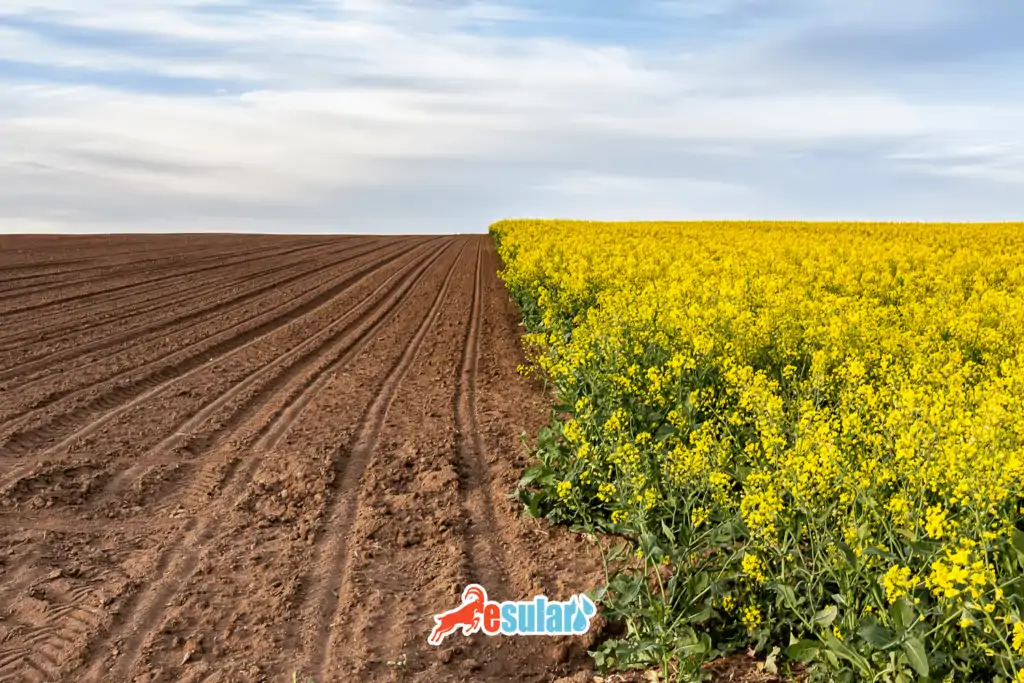
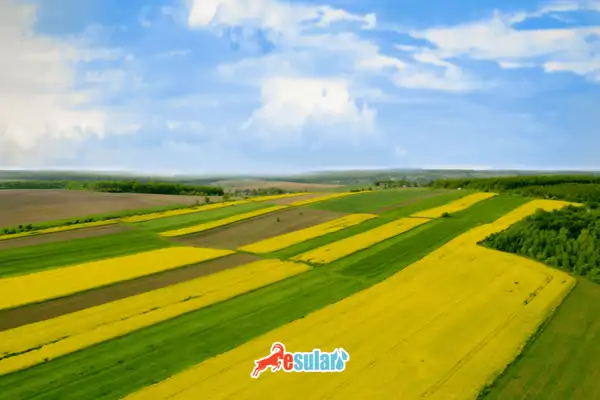
Rapeseed cultivation is an important activity in our country, both agriculturally and industrially. When done in fertile soils and suitable climate conditions, it can contribute to various sectors.
Rapeseed cultivation in Turkey is generally carried out in the Black Sea Region, Marmara Region, Aegean Region, and Central Anatolia Region. The climate conditions and soil structure of these regions can be suitable for rapeseed cultivation. Especially temperate climate regions can be more favorable for rapeseed cultivation.
What is Rapeseed?
Rapeseed (Brassica napus) is a plant species from the Brassicaceae family. Rapeseed is generally grown for oil production, and rapeseed oil is obtained from its seeds. It is known as a nutritious oil source and is also used in animal feed. It is generally grown in cold climates and is important for many industrial purposes.
What are the Usage Areas of Rapeseed?
Rapeseed is considered an important plant in agriculture with the benefits it provides such as oil, feed, and soil improvement. Its cultivation with the cold requirement that requires attention during the ripening process and suitable climate conditions is important in terms of yield and quality.
Oil Production: Oil obtained from rapeseed seeds is widely used in human nutrition and industrial applications.
Feed and Livestock: Rapeseed meal is used as animal feed.
Soil Improver: It improves the soil with its root system, reduces soil erosion, and increases soil fertility in rotational farming.
Environmental Benefits: It has lower greenhouse gas emissions compared to other vegetable oil sources. It also offers a more environmentally friendly option instead of fossil fuels by being used in biodiesel production.
What are the Climate Requirements of Rapeseed?
Climate: It is generally grown in cool regions. It is resistant to cold weather, but it is important for it to reach full maturity before frost events.
Soil: Rapeseed grows best in deep, humic, and well-drained soils. Soil acidity (pH) should be between 5.5 and 8.
Light: The rapeseed plant provides better yield in regions that receive enough sunlight.
Temperature: It needs low temperatures for germination, but temperate temperatures are preferred during the growing period. It generally develops best between 15-20°C.
Humidity: It requires a moderate level of humidity but can be damaged by excessive rainfall. It grows better in regions with good drainage.
How is Rapeseed Farming Done?
Rapeseed farming can be easily done in regions with suitable climate conditions and soil structure. Here are the necessary steps for rapeseed farming;
Soil Preparation: Well-drained, humic, and deep soils are ideal for rapeseed. Before starting seed sowing, tillage is important to aerate the soil and ensure the seeds take root easily.
Sowing: Rapeseed seeds are generally sown in the autumn. Seeds are sown at an appropriate depth and with spacing. It is important to level the surface and cover the seeds to preserve soil moisture.
Maintenance: As the plants grow, regular maintenance should be performed to control pests and remove weeds.
Harvest: The rapeseed plant usually flowers in the spring and ripens in the summer months. Harvest time depends on the plant's growth process and climate conditions.
How Should Rapeseed be Fertilized?
The rapeseed plant generally needs basic nutrients such as nitrogen, phosphorus, and potassium. Correct fertilization is important to promote the growth of the rapeseed plant and increase yield. The rapeseed plant is generally fertilized at different times throughout the growing period.
The rapeseed plant is generally irrigated based on the amount of precipitation and soil moisture. Under ideal conditions, precipitation can meet the plant's needs. However, irrigation may be needed during dry periods. Irrigation should be done at regular intervals to maintain soil moisture. Irrigation should be considered during seed sowing, and an irrigation schedule should be determined according to the growth stages of the plant.