Tüm Yazılar

How is Soilless Tomato Cultivation Done?
Soilless tomato cultivation has become a rapidly spreading agricultural method today. Especially for people living in big cities, growing their own tomatoes on their balconies or in their gardens offers both a healthy alternative and contributes to nature. As you know, finding agricultural land in cities is becoming more difficult every day. This is where soilless tomato cultivation comes into play.
In this method, soil is not used; instead, special nutrient solutions and supporting materials are used. Thus, plants are ensured to grow healthily and productively without being dependent on soil. Moreover, less water and chemical pesticides are needed compared to traditional agriculture. This makes it an environmentally friendly agricultural practice. Although the initial cost may seem high, it is actually a very profitable investment when you think long-term. It has many advantages such as reduced labor and maintenance costs, the potential to obtain more products, and growing safer products in terms of health. Of course, it is also important to have some experience and knowledge in this business. But don't worry, you can find plenty of resources on the internet and get support from experienced growers. Consequently, soilless tomato cultivation appears as a promising step both for those living in the city and for the future of agriculture. By growing your own tomatoes, you can both maintain a natural and healthy life and support agriculture.
What are the Advantages of Soilless Tomato Cultivation?
some advantages of soilless tomato cultivation are as follows;
Soilless cultivation requires less space compared to traditional agricultural methods. This makes it possible to grow tomatoes even in urban areas or regions with limited land.
Less water is required to grow tomatoes in soilless environments compared to traditional agriculture.
In soilless cultivation, you don't need to worry about the quality or content of the soil. This method is ideal for dealing with soil pollution or unproductive soils.
The risk of disease is lower in tomatoes grown in soilless environments. The impact of soil-borne diseases and pests is reduced, which can reduce chemical intervention.
Plants grown soillessly are better nourished. This allows you to obtain higher yields.
Soilless cultivation allows you to better control the nutrient intake of the plants. This ensures that the tomatoes have higher nutritional value.
Soilless tomato cultivation can be an alternative suitable for the sustainability and productivity requirements of modern agriculture.
What are the Disadvantages of Soilless Tomato Cultivation?
The disadvantages of this method cannot be ignored either. First of all, the initial cost of this method is quite high. This can pose a difficulty for small-scale farmers or home gardeners. In addition, special hydroponic nutrient solutions must be used for the nutrition of plants in soilless cultivation. Furthermore, water and nutrients must be constantly monitored and controlled in hydroponic systems. In case of any failure or imbalance, the health of the plants may be put at risk. This can create a stressful situation for farmers. Finally, compared to some traditional agricultural practices, there may be differences in the flavor and taste of tomatoes grown in soilless cultivation. Some consumers may think that tomatoes grown in a soilless environment cannot develop a characteristic taste and aroma compared to those grown in soil. This can be an important factor in terms of marketing and consumer preferences.
Temperature in Soilless Tomato Cultivation
Tomato plants generally prefer temperate climates and are ideally grown at a temperature between 21-24°C during the day and 16-18°C at night. This temperature range provides the most suitable conditions for flowering, fruit formation, and general growth of tomato plants. High temperatures can negatively affect the ability of tomato plants to set flowers and fruit and may cause flower drop. However, low temperatures can also negatively affect the growth and development of tomato plants, particularly being harmful to young seedlings. In addition, it is important to control the temperature of the irrigation water, as excessively cold or hot water can have harmful effects on the plants.
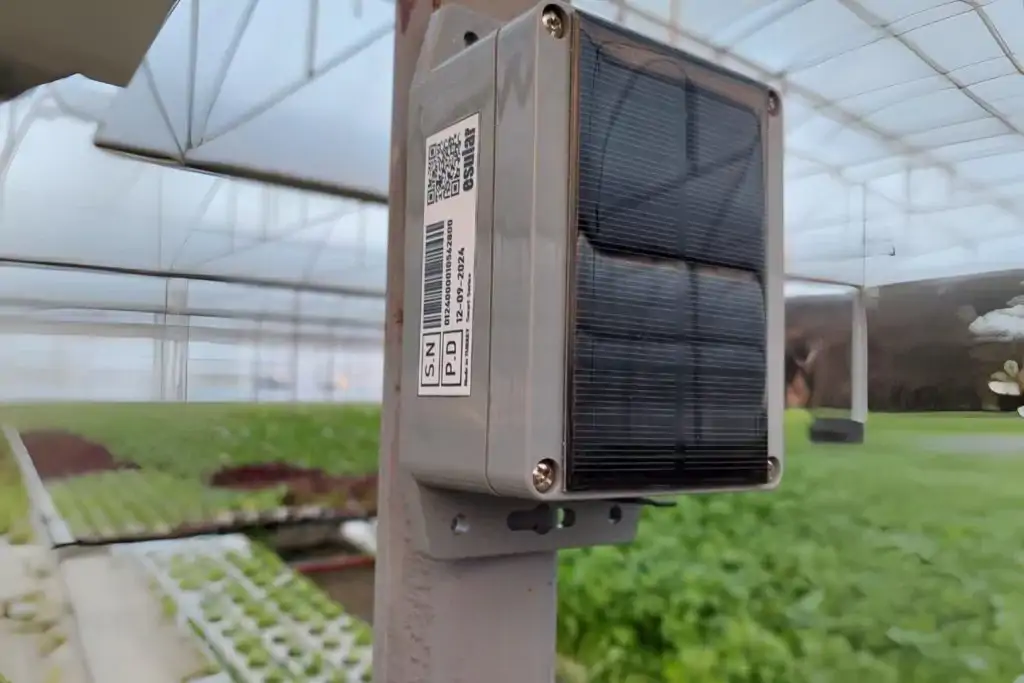
In such growing environments, in order not to put production at risk, temperature and humidity must be constantly monitored and intervention should be made when necessary. Thanks to temperature and humidity sensors, the temperature and humidity levels of the growing environment are constantly monitored and regulated. Thus, the growth of plants in the most suitable conditions is ensured. Controlling temperature and humidity increases the health, growth, and productivity of plants, while also saving energy and resource use. The use of these sensors offers farmers a more productive and effective growing experience and encourages environmentally friendly agricultural practices. You can call us to get more detailed information about our solutions
Growing Medium in Soilless Tomato Cultivation
In soilless agriculture, a suitable growing medium must be created for the roots of the plants. This environment requires supporting the roots of the plants, providing good drainage, and being able to hold nutrients. In hydroponic systems, the roots of the plants usually live in a medium made of inorganic materials. For example, materials such as perlite, sand, fiberglass, or rock wool can be used. These materials ensure good aeration of the roots and allow easy access to water and nutrients. In aeroponic systems, the roots of the plants are suspended in the air and nourished by spraying nutrient solution at regular intervals. This system of having the roots suspended in the air allows the plants to receive more oxygen and helps the roots grow faster. In soilless tomato cultivation, it is important for the growing medium to be solid and durable. In addition, regular irrigation and feeding are also necessary to ensure that the plants have healthy and strong roots.
Click for Soilless Agriculture Greenhouse Irrigation Air Conditioning Solutions.
Which Varieties are Used in Soilless Tomato Cultivation?
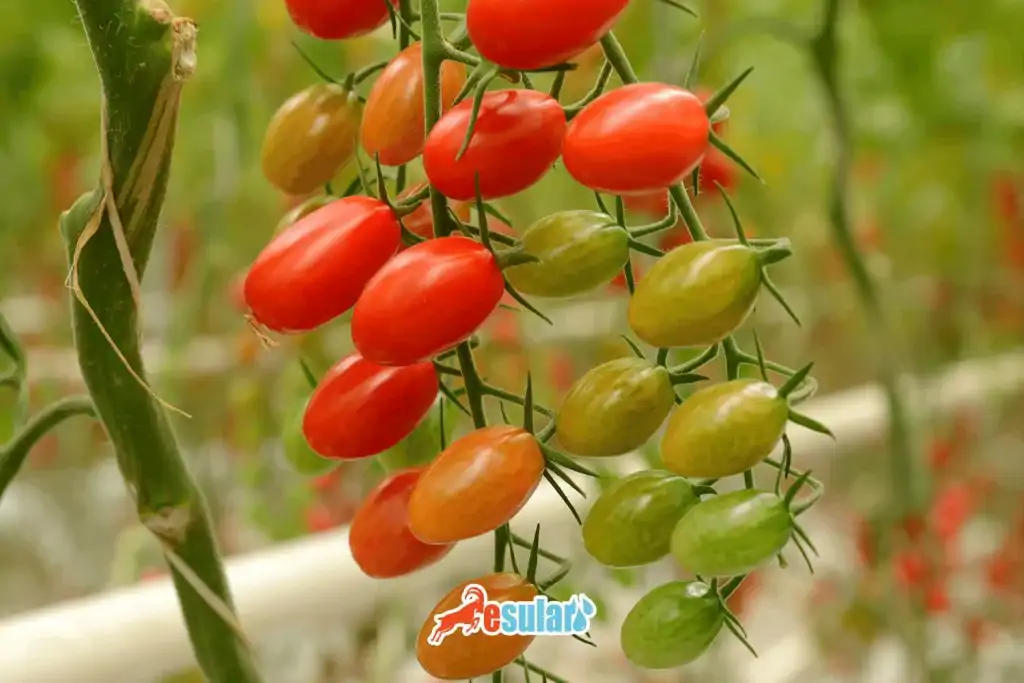
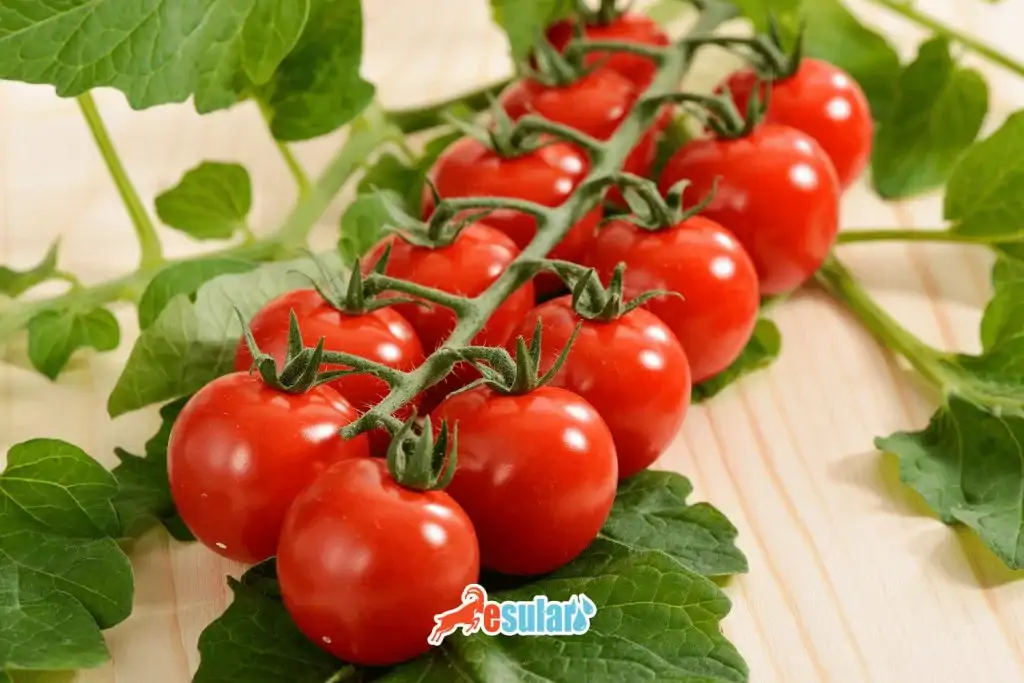
Many different varieties can be preferred in this method. However, some varieties perform better in soilless environments. Especially small and firm tomato varieties are ideal for soilless systems. Small-fruited varieties such as cherry or grape tomatoes provide easier root development and nutrient uptake. These can be grown more successfully in hydroponic or aeroponic systems. In addition, fast-growing and high-yielding varieties can also be preferred. For example, determinate tomato varieties may be suitable for shorter and dense plantings, while indeterminate varieties can grow taller and produce more fruit. Each variety has advantages and disadvantages depending on growing conditions and environmental factors, so which variety to use may vary depending on the grower's preferences and goals.
Irrigation in Soilless Agriculture
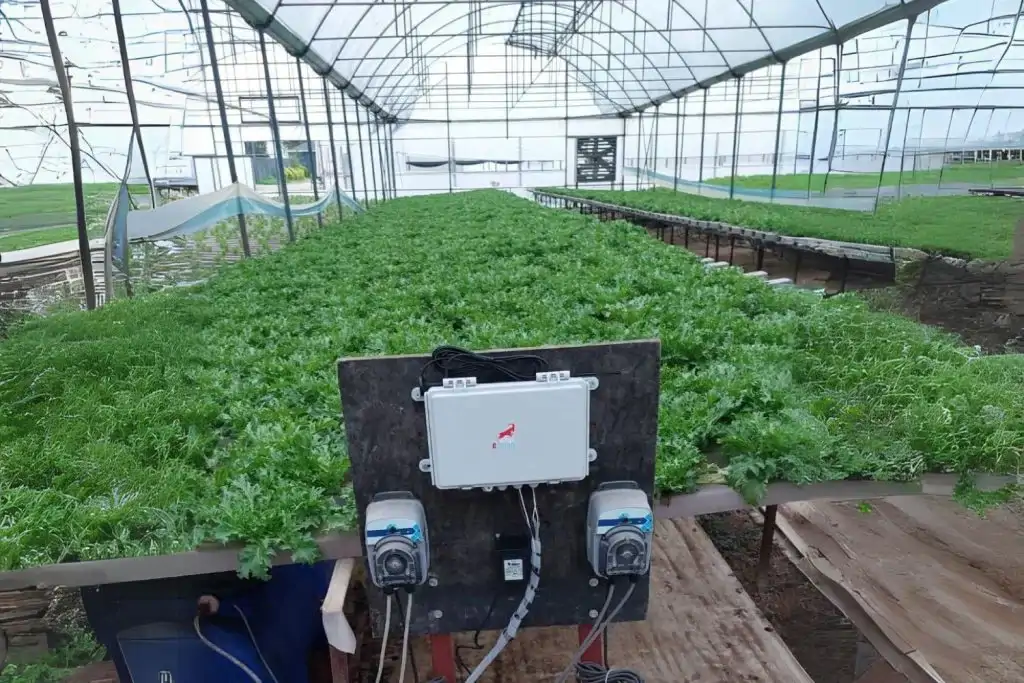
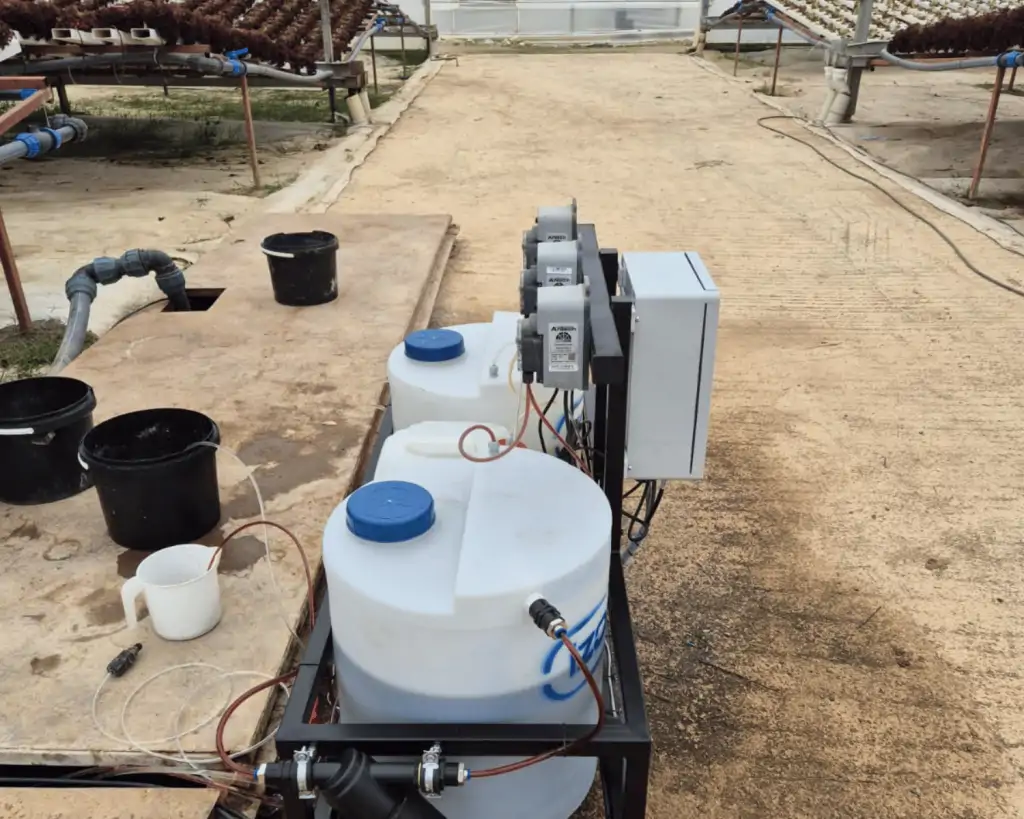
Irrigation creates a healthy growth environment by regulating the amount of water and nutrients needed by the plants. However, going to extremes in the irrigation process can cause the roots of the plants to rot or lead to diseases. At this point, automatic irrigation systems come into play. Automatic irrigation systems precisely monitor the amount of water needed by the plants and provide water when necessary. In addition, automatic irrigation systems save time and labor by relieving growers of the burden of constantly following the irrigation process and providing water manually. Automatic irrigation systems also optimize the fertilization process. Some systems automatically apply fertilizer solutions mixed with water to the plants, meeting the nutrient needs of the plants. This allows for more precise control of fertilization and supports the healthy growth of plants. It increases productivity while optimizing water and fertilizer use. For this reason, the use of automatic irrigation systems in soilless tomato cultivation stands out as an investment that adds value to both farmers and the plant product supply chain.
Plant Nutrition in Soilless Agriculture
In soilless agriculture, since the roots of the plants are in direct contact with the nutrient solution, the correct preparation of the solution is vital. Incorrect fertilization or irrigation can negatively affect root development and risk the overall health of the plant.
As Esular, we ensure continuous monitoring of the solution with our EC-pH sensors to eliminate these risks. Our advanced systems measure the pH and conductivity values of the nutrient solution instantaneously, making it possible to adjust these values precisely according to plant needs. Thus, fertilization and irrigation processes are carried out completely EC-pH focused and based on data. In this way, while plants develop in an ideal growth environment, productivity and quality are carried to the highest level for producers.
What are the Diseases and Pests Seen in Soilless Tomato Cultivation?
In this method, the risk of encountering some diseases and pests is lower compared to traditional agricultural methods. However, it may require fighting other diseases and pests that can affect the plant root system. For example, fungal diseases such as powdery mildew can occur in humid and cool weather conditions and create a gray or white mold layer on the leaves of the plants. In addition, pests such as whiteflies and spider mites can cause damage by sucking the leaves of the plants and preventing growth. Furthermore, virus diseases can manifest themselves with symptoms such as yellowing, spotting, and growth retardation in plants and are usually spread through insects. Therefore, it is important to take preventive measures and monitor plants regularly to deal with such diseases and pests in soilless tomato cultivation. Paying attention to plant hygiene, immediately removing diseased or pest-infested areas, and using natural pest control methods are effective ways to protect plant health.
Kategoriler
Etiketler