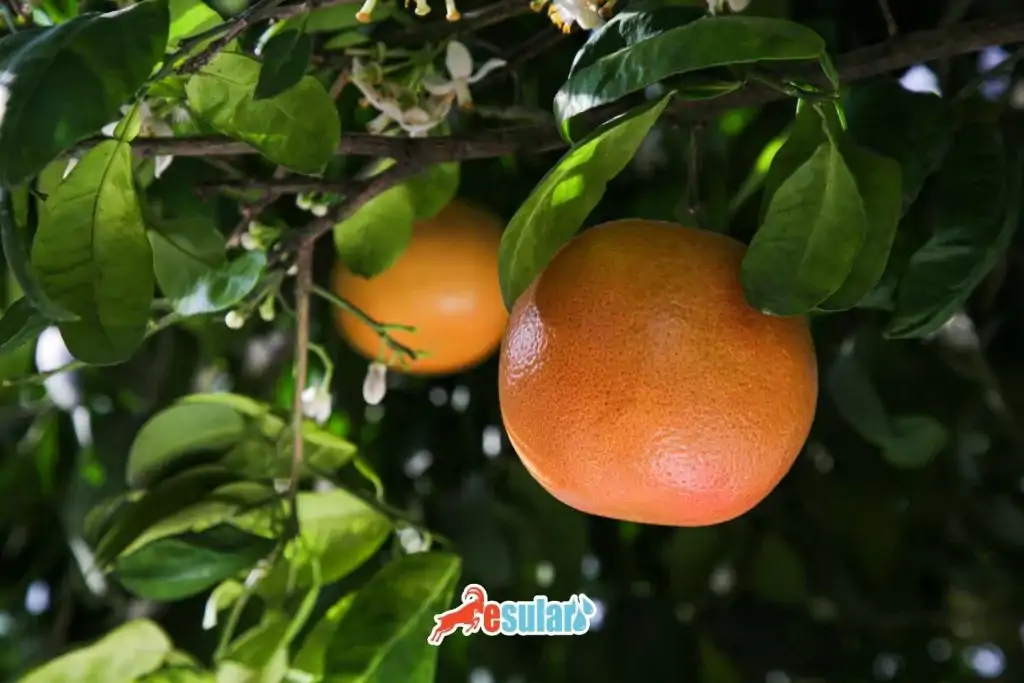
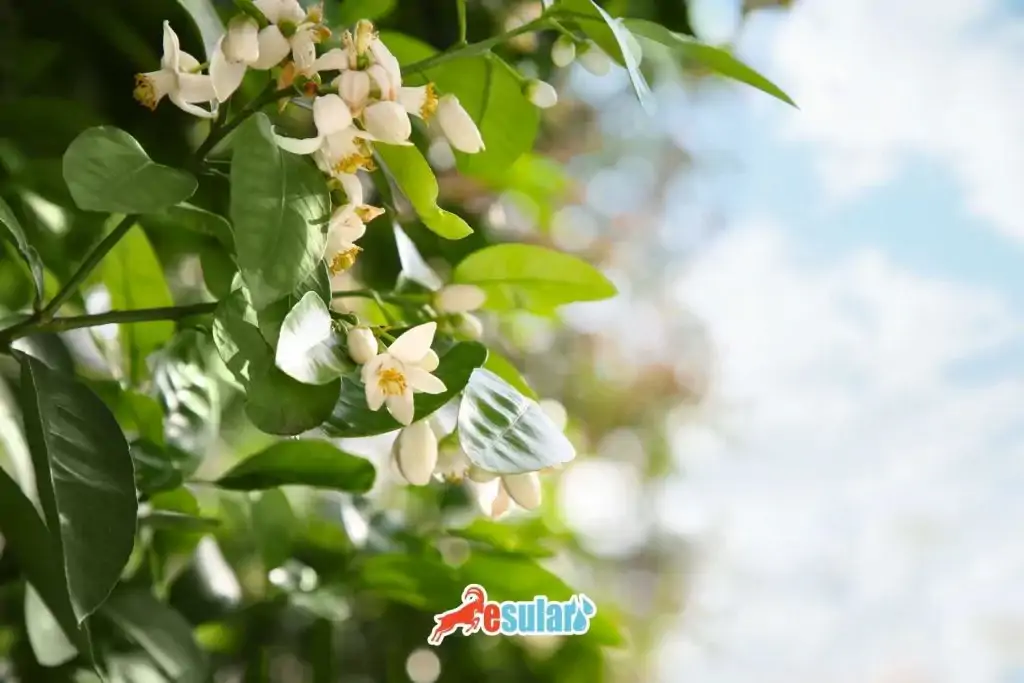
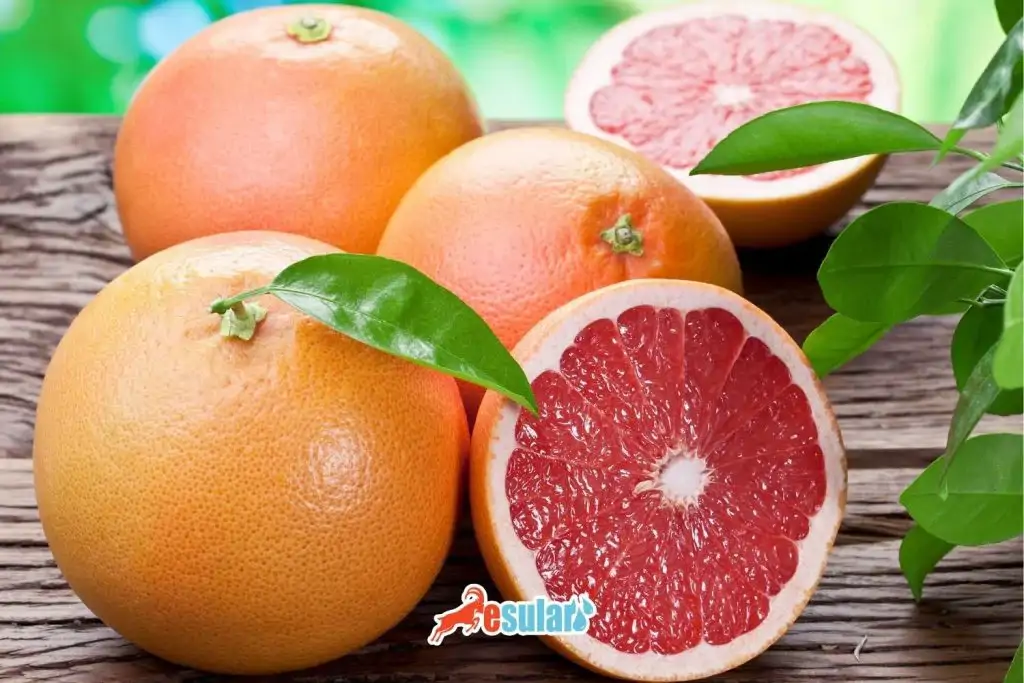
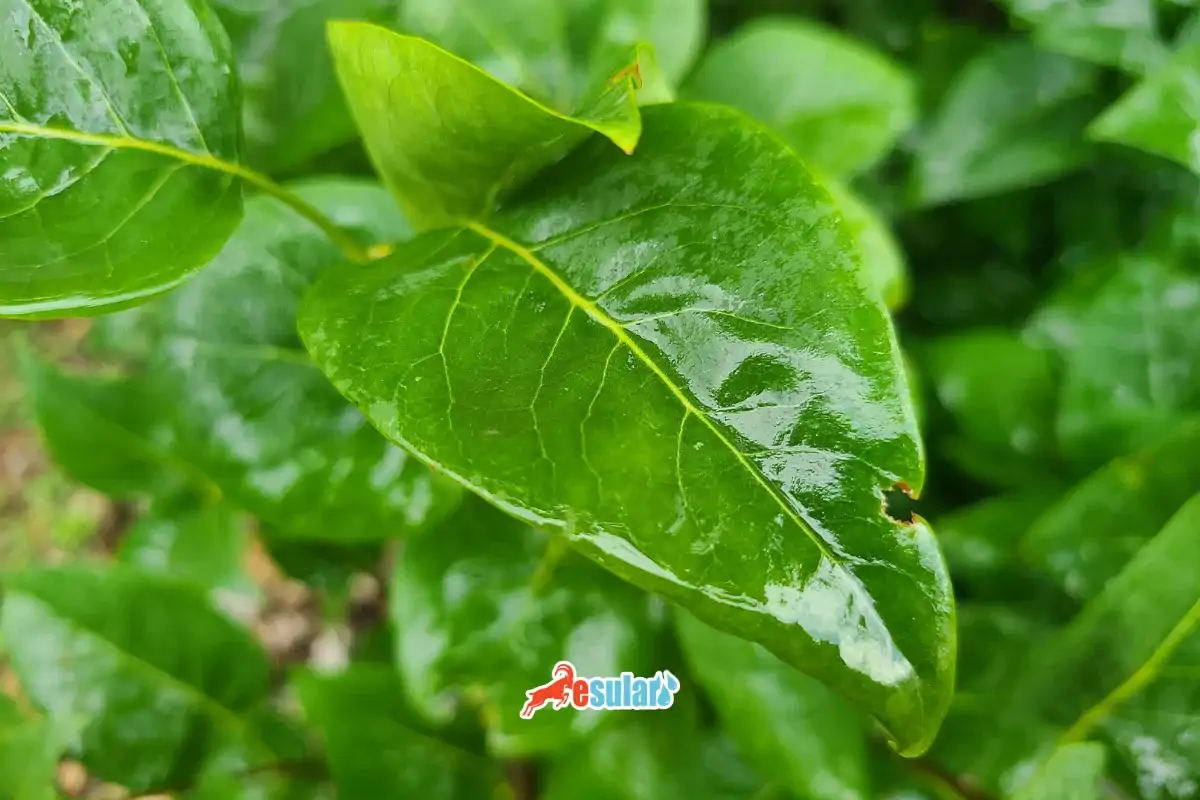
Grapefruit cultivation is a popular fruit production in both commercial and personal gardens. Grapefruit trees are known for their delicious and nutritious fruits and have a wide consumer base worldwide. These trees grow best in warm and temperate climates and provide high yields with proper care. Grapefruit cultivation involves a series of important steps such as soil selection, irrigation, fertilization, and harvesting. Careful and conscious practices at every stage ensure that healthy and high-quality grapefruit fruits are obtained. This introductory text presents basic information for those who want to start grapefruit cultivation and summarizes the essential steps required for a successful production process.
Where Does Grapefruit Grow?
Grapefruit is a citrus fruit that needs warm climatic conditions in our country. In Turkey, it is widely grown especially in the Mediterranean Region. Cities located in this region such as Adana, Mersin, Antalya, and Hatay have ideal conditions for grapefruit cultivation. Grapefruit trees grow best in places where the temperature does not fall below -2°C and can withstand up to a maximum of 45°C. Additionally, some parts of the Aegean Region are also suitable for grapefruit cultivation.
Climate and Soil Structure in Grapefruit Cultivation
Grapefruits generally grow best in subtropical climates. In such climates, hot summers and mild winters provide the ideal conditions required for fruit ripening. Furthermore, sufficient sunlight is important for grapefruit trees. These plants, which show sensitivity to frost events, are preferred in regions where the risk of frost is low. Soil structure is also an important factor in grapefruit cultivation. Well-drained soils that are not prone to water accumulation should be preferred. Additionally, soils with slightly acidic or neutral pH values are important for the healthy development of grapefruit trees. Soils that are rich in nutrients, loamy, and high in organic matter content positively affect the plant's nutrient uptake and growth process. In Turkey, especially the Mediterranean climate belt and the Aegean Region offer suitable conditions for grapefruit cultivation. By performing correct climate and soil analyses in these regions, it is possible to maximize the potential of grapefruit cultivation.
Grapefruit Planting
Grapefruit planting is a step that must be carefully planned for a successful growing process. First, locations where suitable climate and soil conditions are provided should be preferred. Before planting, soil analyses should be performed and, if necessary, soil amendments and fertilization practices should be planned. Grapefruit saplings are generally planted in the spring months. Planting intervals should be adjusted depending on the size of the plant. Planting holes should be opened wide, and saplings should be handled carefully before planting to avoid damaging their roots. After planting, irrigation should be provided regularly, and special attention should be paid especially during the initial growth period of the plants. Additionally, maintenance operations such as regular pruning of the plants and pest and disease control should also be done regularly. Grapefruit trees generally reach the fruit-bearing period within 3-5 years; during this time, regular maintenance and management are of great importance.
Irrigation in Grapefruit Cultivation
Irrigation in grapefruit cultivation is a critical element for the healthy growth of plants and obtaining high yields. Grapefruit trees need regular and sufficient irrigation, especially in hot and dry climates. While deep irrigation once or twice a week is recommended, irrigating in the early morning or late evening reduces water evaporation and ensures plants use water more efficiently. A drip irrigation system minimizes water waste by ensuring water reaches the plant roots directly, while a sprinkler irrigation system can also be used, but caution should be exercised. Modern smart irrigation systems ensure that water is automatically regulated according to plant needs, thus saving water and meeting the optimum water needs of the plants. These systems determine the most suitable irrigation time by monitoring soil moisture levels and weather conditions, thereby providing ideal growth conditions for grapefruit trees. You can contact us for more detailed information about smart irrigation systems. https://esular.com/akilli-sulama-teknolojisi-kontrolculer-ve-sensorler
Fertilization in Grapefruit Cultivation
Fertilization in grapefruit cultivation plays an important role in the healthy development of plants and obtaining high yields. Correct fertilization provides the nutrients the plant needs and supports optimum growth conditions. Basic macronutrients such as nitrogen, phosphorus, and potassium are very important for grapefruit trees.
Nitrogen (N): Essential for the healthy development of the plant's leaves and branches. Insufficient nitrogen can cause yellowing of the leaves and weak growth.
Phosphorus (P): Important for root development and fruit formation. Phosphorus deficiency can lead to weak root structure and low fruit quality.
Potassium (K): Required for fruit quality and resistance to diseases. Potassium deficiency can cause a decrease in fruit size and quality.
The fertilization program to be applied to grapefruit trees should be based on soil analysis. Soil analyses help determine the levels of existing nutrients in the soil, and an appropriate fertilization program is created accordingly. Generally, regular fertilization is recommended during the growing season in the spring and summer months. Additionally, organic fertilizers can also be used to increase the structure and productivity of the soil.
Grapefruit Harvest
Harvesting in grapefruit cultivation is an important stage that must be carried out with correct timing and careful methods. The ripening period of grapefruits generally takes 9-12 months depending on the variety and climatic conditions, and mature fruits should be bright in color, slightly soft, and delicious. Harvesting should be done carefully by hand or with special harvesting shears, and the fruits should not be bruised. After harvest, grapefruits should be kept in a cool and shaded place, the storage temperature should be maintained between 10-15°C, and a humidity rate of 85-90% should be ensured. Harvesting and storage carried out under suitable conditions increase marketing success by preserving product quality. You can contact us for more detailed information about the harvesting process.